
Introduction: The Rising Demand for Coal Gangue Powder in Non-Fired Brick Production
As the global construction industry pivots toward sustainable and eco-friendly building materials, non-fired bricks have emerged as a compelling alternative to traditional clay-fired bricks. Among the various raw materials used in non-fired brick production, coal gangue powder has gained significant attention due to its abundant availability, low cost, and favorable chemical properties. Coal gangue, a byproduct of coal mining and washing, can be processed into fine powder and combined with cement, lime, gypsum, and other binders to produce high-strength, durable non-fired bricks without the need for high-temperature kiln firing.
The key to successful non-fired brick production lies in the quality and fineness of the coal gangue powder. This is where the selection of appropriate grinding equipment becomes critical. The right grinding mill can determine the productivity, energy efficiency, product quality, and overall profitability of your non-fired brick manufacturing operation. In this comprehensive guide, we will explore the factors that influence grinding mill selection and recommend specific equipment solutions tailored for coal gangue powder production.
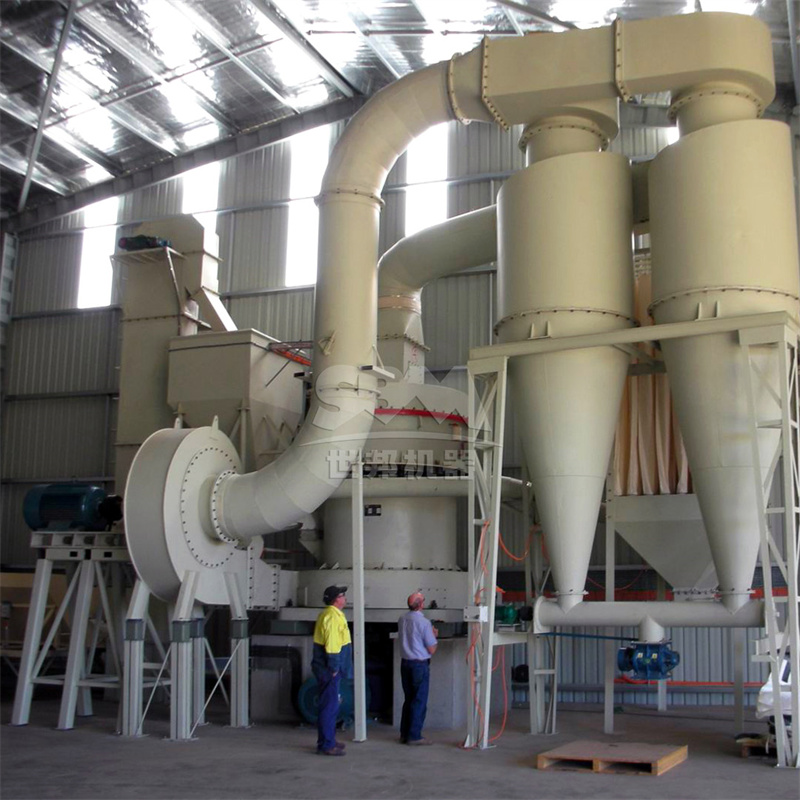
Understanding Coal Gangue and Its Role in Non-Fired Bricks
Coal gangue is a sedimentary rock primarily composed of clay minerals, quartz, feldspar, and various trace elements. Its chemical composition typically includes silica (SiO₂), alumina (Al₂O₃), iron oxide (Fe₂O₃), and calcium oxide (CaO). When finely ground, coal gangue powder exhibits pozzolanic activity, meaning it can react with calcium hydroxide in the presence of water to form cementitious compounds. This property makes it an excellent supplementary cementitious material for non-fired brick production.
The fineness of coal gangue powder directly impacts the reactivity and strength development of non-fired bricks. Generally, the finer the powder, the greater the specific surface area, which enhances the pozzolanic reaction and improves the compressive strength of the final product. However, excessively fine grinding increases energy consumption and production costs. Therefore, finding the optimal balance between fineness and economic efficiency is essential.
Typically, coal gangue powder for non-fired brick production should have a fineness ranging from 200 to 400 mesh (approximately 74 to 38 microns), depending on the specific brick formulation and performance requirements. Some high-performance applications may require ultrafine powder with fineness up to 800 mesh or even 1250 mesh.
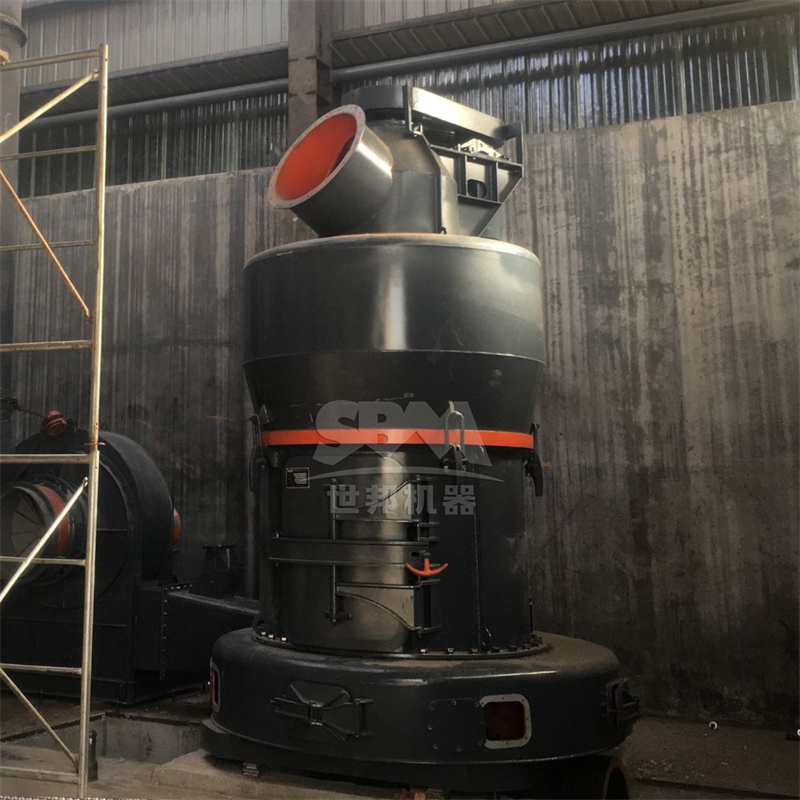
Key Factors in Choosing a Grinding Mill for Coal Gangue Powder
1. Required Fineness and Output Capacity
The first consideration when selecting a grinding mill is the required fineness of the final product and the desired production capacity. Coal gangue is a relatively hard material with a Mohs hardness of approximately 4-6, which means it requires robust grinding equipment capable of handling abrasive materials. If your non-fired brick production line requires a capacity of 5-50 tons per hour with fineness between 200-400 mesh, a vertical roller mill or a European trapezium mill would be suitable. For ultrafine powder production (600-2500 mesh) at smaller capacities, an ultrafine mill would be the better choice.
2. Energy Efficiency and Operating Costs
Energy consumption represents a significant portion of the total production cost in coal gangue powder processing. Grinding mills that offer high grinding efficiency and low energy consumption per ton of product are preferable. Vertical roller mills, for instance, consume 30-40% less energy compared to traditional ball mills. Additionally, wear parts consumption should be evaluated, as coal gangue’s abrasive nature can accelerate wear on grinding rollers and rings.
3. Moisture Content and Material Characteristics
Coal gangue may contain varying levels of moisture depending on its source and storage conditions. If the moisture content exceeds 5-8%, a grinding mill with integrated drying capability, such as a vertical roller mill with hot air supply, becomes necessary. Additionally, the presence of hard impurities like pyrite or quartz should be considered when selecting wear-resistant materials for the mill’s internal components.
4. Automation and Control Systems
Modern grinding mills are equipped with advanced control systems that allow for real-time monitoring and adjustment of operational parameters. Intelligent control systems can automatically adjust the classifier speed to maintain consistent product fineness, optimize energy consumption, and reduce manual intervention. This is particularly important for large-scale non-fired brick production lines where consistency and reliability are paramount.
5. Environmental Compliance and Dust Control
Coal gangue processing generates significant amounts of dust, which poses both environmental and health hazards. The selected grinding mill must be equipped with efficient dust collection systems, such as pulse jet bag filters, to meet stringent environmental regulations. Fully enclosed negative pressure operation is recommended to prevent dust leakage and ensure a clean working environment.
Recommended Grinding Mill Solutions for Coal Gangue Powder Production
SCM Series Ultrafine Mill: For High-Fineness Coal Gangue Powder
For non-fired brick manufacturers requiring ultrafine coal gangue powder (325-2500 mesh) at moderate capacities, the SCM Series Ultrafine Mill is an excellent choice. This mill is specifically designed to produce high-quality ultrafine powder with precise particle size distribution, making it ideal for enhancing the reactivity and performance of non-fired bricks.
The SCM Series Ultrafine Mill features a vertical turbine classifier that achieves precise particle size cutting, ensuring no coarse powder mixing and uniform finished products. Its capacity is twice that of jet mills, with 30% lower energy consumption. The intelligent control system provides automatic finished product granularity feedback, allowing for consistent quality control. The special material rollers and rings extend service life several times over, while the shaftless screw grinding chamber ensures stable operation. With models ranging from SCM800 (0.5-4.5 t/h) to SCM1680 (5-25 t/h), there is a suitable configuration for virtually any production scale.
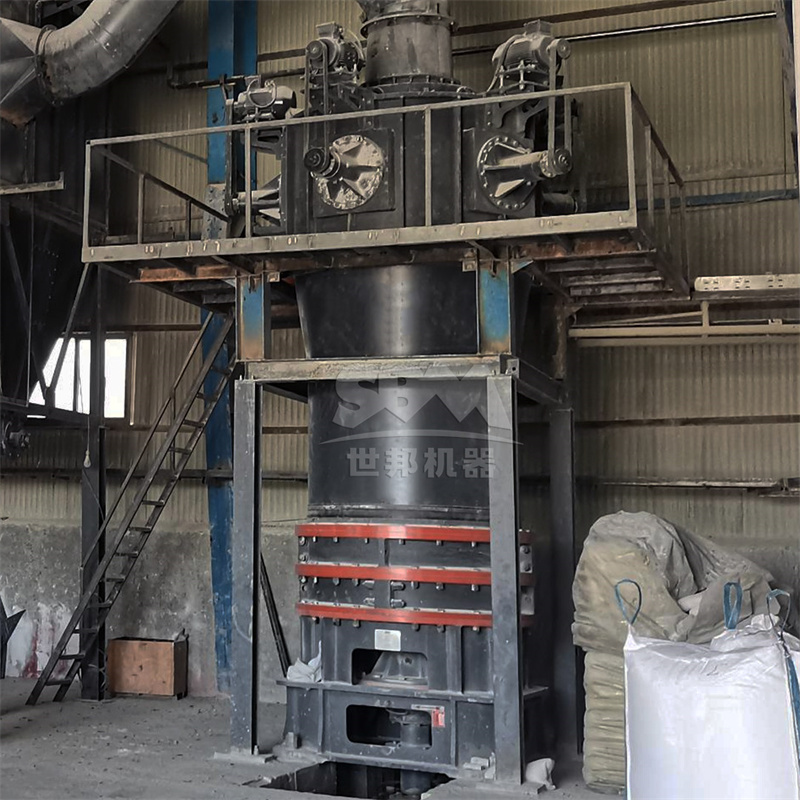
LM Series Vertical Roller Mill: For Large-Scale Coal Gangue Powder Production
For large-scale non-fired brick production facilities requiring high capacity (up to 250 t/h) and efficient grinding, the LM Series Vertical Roller Mill is the optimal solution. This mill integrates crushing, grinding, and classification into a single unit, reducing floor space by 50% and infrastructure costs by 40% compared to traditional grinding systems.
The LM Series Vertical Roller Mill features a non-contact design between rollers and table, which increases wear part life by three times and reduces energy consumption by 30-40% compared to ball mill systems. Its intelligent control system supports remote and local switching, with real-time monitoring of parameters to reduce manual intervention. The fully sealed negative pressure operation ensures dust emission meets international standards. Available in models from LM130K (10-28 t/h) to LM280K (50-170 t/h), this mill can handle coal gangue with feed sizes up to 50mm and produce fineness between 30-325 mesh, with special models capable of reaching 600 mesh.
MTW Series European Trapezium Mill: A Versatile Option
The MTW Series European Trapezium Mill offers a versatile solution for coal gangue powder production with fineness between 30-325 mesh. Its anti-wear shovel design and optimized arc air duct reduce maintenance costs and improve transmission efficiency. The integral bevel gear drive achieves transmission efficiency up to 98%, while the wear-resistant volute structure improves air selection efficiency and reduces maintenance costs by 30%. With models ranging from MTW110 (3-9 t/h) to MTW215G (15-45 t/h), this mill is suitable for medium to large-scale operations.
Comparison of Grinding Mill Options
| Mill Type | Fineness Range | Capacity Range | Best For |
|---|---|---|---|
| SCM Ultrafine Mill | 325-2500 mesh | 0.5-25 t/h | High-fineness, moderate capacity |
| LM Vertical Roller Mill | 30-325 mesh | 3-250 t/h | Large-scale, high-capacity production |
| MTW European Trapezium Mill | 30-325 mesh | 3-45 t/h | Versatile medium-scale production |
| MTM Medium-speed Trapezium Mill | 45-325 mesh | 3-22 t/h | Small to medium-scale production |
| LUM Ultrafine Vertical Mill | 325-2500 mesh | 1.6-15 t/h | Ultrafine powder, small capacity |
Installation and Maintenance Considerations
Proper installation and regular maintenance are essential for maximizing the lifespan and performance of any grinding mill. When installing a grinding mill for coal gangue processing, ensure that the foundation is solid and level, and that all connections are properly sealed to prevent dust leakage. The mill should be installed in a well-ventilated area with adequate space for maintenance access.
Regular maintenance should include inspection and replacement of wear parts, lubrication of moving components, and calibration of the classifier and control systems. Keeping a spare parts inventory for critical components such as grinding rollers, rings, and classifiers can minimize downtime and ensure continuous production. It is also recommended to establish a preventive maintenance schedule based on the mill’s operating hours and the abrasiveness of the coal gangue being processed.
Conclusion: Making the Right Choice for Your Non-Fired Brick Production
Selecting the right grinding mill for coal gangue powder production is a critical decision that affects the quality, efficiency, and profitability of your non-fired brick manufacturing operation. By carefully evaluating your production requirements, material characteristics, and budget, you can choose the grinding mill that best meets your needs.
For high-fineness applications requiring ultrafine powder, the SCM Series Ultrafine Mill offers precise classification and energy-efficient operation. For large-scale production demanding high capacity and low operating costs, the LM Series Vertical Roller Mill is the ideal solution. Both options represent the latest advancements in grinding technology and are backed by comprehensive technical support and after-sales service.
We invite you to contact our technical team to discuss your specific coal gangue powder production requirements. Our engineers can provide customized solutions, equipment recommendations, and full-scale testing to ensure optimal performance for your non-fired brick production line.