
Introduction
Coal remains a vital energy resource and a key feedstock for various industrial processes, including power generation, cement production, and chemical manufacturing. To unlock its full potential, coal must be processed into the desired particle size, whether for combustion, gasification, or blending. Selecting the right crushing, grinding, and milling equipment is therefore critical for optimizing plant efficiency, reducing operating costs, and ensuring product quality. With a myriad of equipment options available, this article provides a comprehensive guide to help you make informed decisions. We will explore the key criteria for equipment selection, compare different types of crushers, grinders, and mills, and highlight how our advanced solutions—such as the SCM Series Ultrafine Mill and MTW Series European Trapezium Mill—can elevate your coal processing operations.
Understanding Your Coal Processing Requirements
Before diving into equipment specifications, it is essential to define your project’s unique requirements. The following factors will guide your selection process:
- Feed Material Characteristics: Coal varies widely in hardness, moisture content, abrasiveness, and grindability. Lignite, bituminous, and anthracite coals exhibit different behaviors during crushing and grinding. A thorough material analysis, including Bond Work Index and moisture levels, is fundamental.
- Target Product Fineness: The required particle size distribution dictates the type of mill. For coarse crushing (down to 3mm), a hammer mill may suffice. For fine grinding (45–600 microns), trapezium or vertical roller mills are appropriate. Ultrafine grinding (down to 5 microns) demands specialized equipment like the SCM Series.
- Capacity Requirements: Throughput must match your plant’s production scale. From small-scale facilities needing a few tons per hour to large power plants requiring hundreds of tons per hour, equipment must be sized accordingly.
- Process Integration: Consider how the equipment will fit into your existing layout, including feeding, conveying, and dust collection systems. Space constraints, automation level, and environmental regulations also play a role.
Crushers: The First Stage of Size Reduction
Crushers reduce run-of-mine coal to a manageable size for subsequent grinding. Common types include jaw crushers, hammer mills, and impact crushers. For coal processing, hammer mills are often preferred due to their high reduction ratio and ability to handle wet, sticky materials.
Our Hammer Mill (PC Series) is an excellent choice for primary and secondary crushing. With a feed size up to 40mm and output down to 0–3mm, it delivers high capacity and a uniform product. The optimized crushing cavity and wear-resistant liners ensure stable operation and long service life. Available models include the PC4008-75 (8–15 t/h) and PC4015-132 (40–70 t/h), making it suitable for both small and large plants.
Grinders and Mills: Fine Grinding Solutions
Once coal is crushed, further grinding is often required to achieve pulverized fuel fineness (typically 70–80% passing 200 mesh) for efficient combustion, or finer sizes for specialty applications. Several mill technologies are available, each with distinct advantages.
Ball Mills: Traditional Reliability
Ball mills are robust and versatile, capable of grinding coal to 0.074–0.8mm. They are suitable for both dry and wet grinding and can handle large capacities (up to 450 t/h). However, ball mills are energy-intensive and have a large footprint. They are often chosen for their simple operation and maintenance.
Vertical Roller Mills: Energy-Efficient and Compact
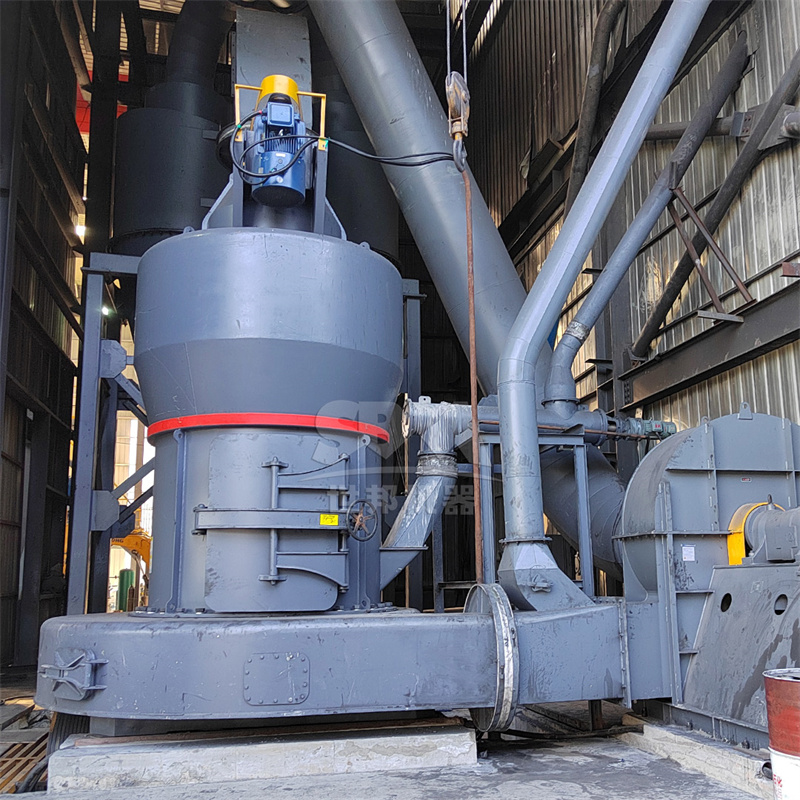
Vertical roller mills (VRM) have become the industry standard for coal grinding due to their low energy consumption (30–40% less than ball mills) and compact design. The LM Series Vertical Roller Mill from our portfolio integrates crushing, grinding, and classification in one unit, reducing floor space by 50%. It can produce fineness from 30 to 325 mesh (up to 600 mesh for special models) with capacities ranging from 3 to 250 t/h. The LM series is particularly effective for coal with high moisture content, as hot air can be introduced for simultaneous drying and grinding.
Trapezium Mills: Precision and Efficiency
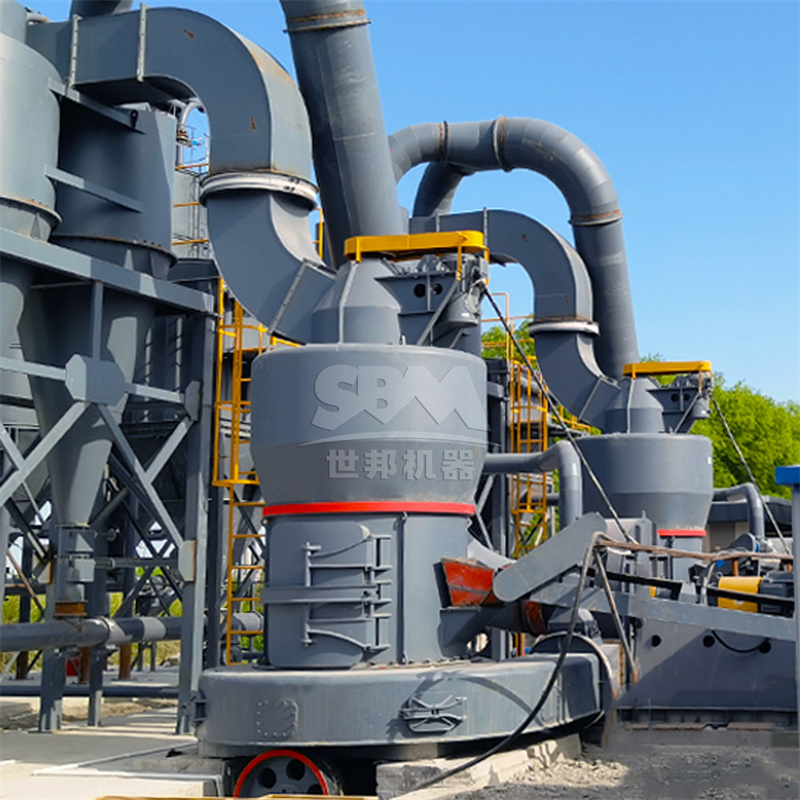
For medium-fine grinding, trapezium mills offer an excellent balance of capacity, fineness, and energy efficiency. Our MTW Series European Trapezium Mill is a state-of-the-art solution designed for coal and other materials. With output fineness from 30 to 325 mesh (down to 0.038mm) and capacities up to 45 t/h, it features an anti-wear shovel design, optimized arc air duct, and integral bevel gear drive that achieves 98% transmission efficiency. The MTW’s patented technology ensures reduced maintenance costs and superior product uniformity.
Ultrafine Mills: When Micron-Level Precision Matters
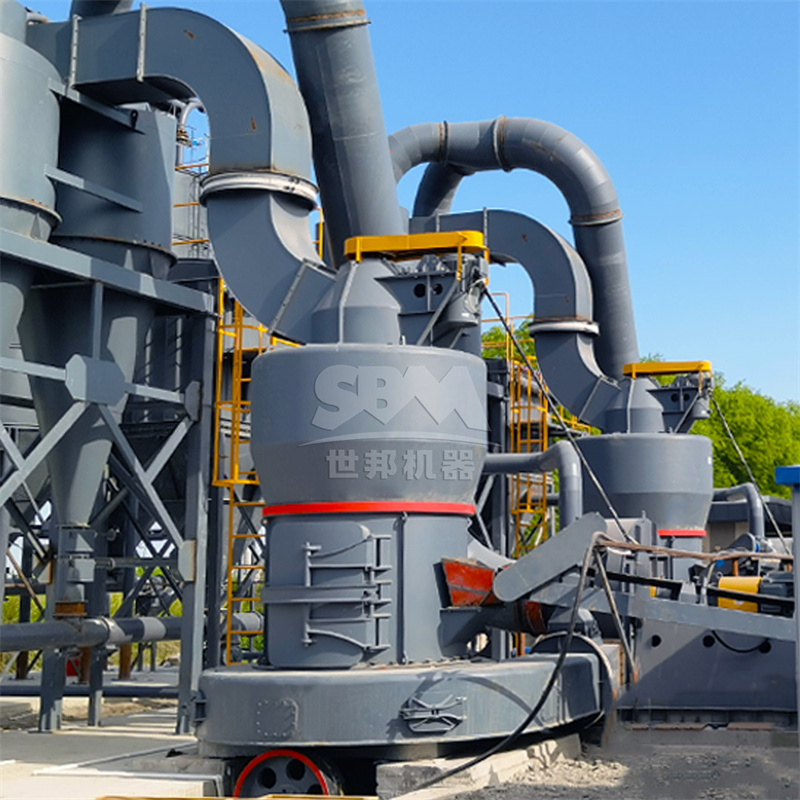
For applications requiring ultrafine coal powder (down to 5μm), such as in advanced carbon materials or specialized chemical processes, the SCM Series Ultrafine Mill is the ideal choice. It delivers 325–2500 mesh fineness with capacities from 0.5 to 25 t/h. The SCM mill boasts twice the capacity of jet mills while consuming 30% less energy. Its high-precision vertical turbine classifier ensures no coarse powder mixing, and the durable roller and ring design extends service life. The intelligent control system with automatic granularity feedback further enhances operational ease.
Key Considerations for Equipment Selection
When choosing among these options, weigh the following factors:
- Energy Efficiency: Vertical roller mills and ultrafine mills are leaders in energy savings. Our LM and SCM series can significantly cut your power costs.
- Product Fineness and Quality: If your process demands a tight particle size distribution, the SCM’s precise classification or the MTW’s optimized airflow design will excel.
- Capacity and Scalability: The LM series offers the widest capacity range (3–250 t/h), making it suitable for everything from pilot plants to large-scale operations.
- Maintenance and Wear: Look for features like external lubrication, easily replaceable wear parts, and robust construction. Our mills incorporate patented technologies to minimize downtime.
- Environmental Compliance: Dust emission and noise levels are critical. Our equipment integrates pulse dust collection and soundproof designs to meet stringent standards.
- Automation and Control: Modern plants benefit from intelligent control systems. The SCM and LM series offer advanced automation for stable operation and remote monitoring.
Recommended Solutions from Our Portfolio
Among our extensive range, two products stand out for coal processing:
- MTW Series European Trapezium Mill: Perfect for medium-fine grinding with capacities up to 45 t/h. Its patented anti-wear shovel and bevel gear drive ensure low maintenance and high efficiency. The MTW is a versatile workhorse for coal preparation plants.
- SCM Series Ultrafine Mill: When you need micron-level coal powder, the SCM delivers unmatched fineness and capacity. Its intelligent control and eco-friendly design make it a smart investment for high-value applications.
Both mills are backed by our commitment to quality and innovation, ensuring your coal processing line operates at peak performance.
Conclusion
Selecting the right crusher, grinder, and mill for your coal processing plant is a strategic decision that impacts productivity, costs, and product quality. By understanding your material, target fineness, and capacity needs, you can narrow down the options. Hammer mills handle primary crushing, while ball, vertical roller, trapezium, and ultrafine mills cater to finer grinding. Our MTW and SCM series represent the pinnacle of grinding technology, offering efficiency, precision, and reliability. For a tailored solution, consult our experts to design a system that meets your exact specifications. With the right equipment, your plant can achieve optimal performance and stay competitive in the dynamic coal industry.