
Introduction
The demand for high-performance permanent magnets—particularly those based on samarium-cobalt (SmCo) and neodymium-iron-boron (NdFeB) systems—has surged dramatically in recent years, driven by applications in electric vehicles, wind turbines, aerospace actuators, and precision electronics. Among the critical raw materials enabling these technologies, cobalt plays an indispensable role in stabilizing magnetic properties at elevated temperatures and enhancing corrosion resistance. However, transforming cobalt ores and recycled cobalt alloys into suitable feedstock for permanent magnet manufacturing requires precise comminution and classification. This buyer’s guide examines the milling and grinding solutions available for cobalt processing, with a focus on equipment that delivers the fine particle sizes, narrow particle size distributions, and contamination control essential for permanent magnet alloy components.
The Role of Cobalt in Permanent Magnet Alloys
Cobalt is a key constituent in SmCo magnets, where it forms the magnetic phase (SmCo5 or Sm2Co17) that provides high coercivity and excellent thermal stability. In NdFeB magnets, cobalt is often added as a partial substitute for iron to improve Curie temperature and corrosion resistance. Whether sourcing cobalt from primary ores (such as cobaltite, erythrite, or heterogenite) or from recycled hard metal scrap, the manufacturing chain demands particle size reduction to the micron and sub-micron range. Typical target fineness for permanent magnet alloy powders falls between 1 μm and 10 μm, with strict requirements on particle size distribution (PSD) width and oxygen content.
Moreover, the brittleness of cobalt alloys and the risk of contamination from grinding media necessitate careful equipment selection. Buyers must consider factors such as energy efficiency, wear part life, classification precision, and the ability to integrate dust collection and inert gas protection systems.
Key Milling and Grinding Technologies for Cobalt Processing
Several mill types are commonly employed in cobalt processing, each with distinct advantages and limitations. Jet mills are frequently used for final ultra-fine grinding because they avoid heat generation and minimize contamination; however, their high energy consumption (often double that of mechanical mills) and limited capacity make them less economical for large-scale operations. Ball mills offer wide applicability and high crushing ratios but suffer from low energy efficiency and potential iron contamination from steel media. Vertical roller mills and trapezium mills have gained traction for their ability to combine grinding, drying, and classification in a single unit, reducing footprint and operating costs.
For permanent magnet alloy components, the ideal solution often involves a two-stage process: coarse crushing (e.g., hammer mill or jaw crusher) followed by fine grinding and classification. The choice between ultrafine mills (such as the SCM series) and European trapezium mills (such as the MTW series) depends on the target fineness, throughput, and capital budget.
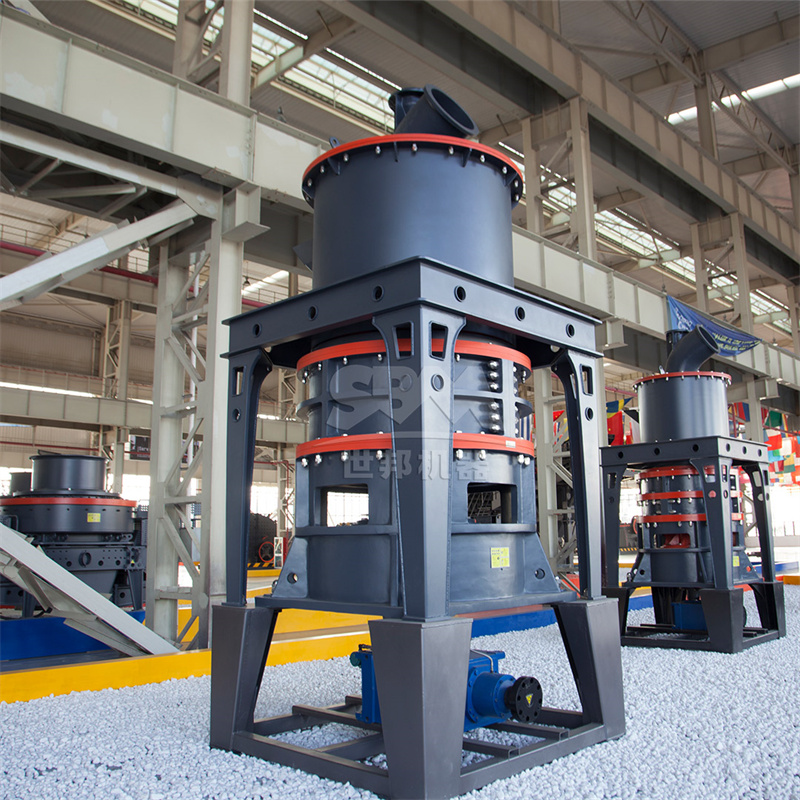
Product Recommendation: SCM Series Ultrafine Mill
For buyers seeking precise sub-45 μm grinding of cobalt alloys, the SCM Series Ultrafine Mill stands out as a compelling solution. This mill achieves output fineness from 325 to 2500 mesh (approximately 45 μm down to 5 μm) with a capacity range of 0.5 to 25 tons per hour, depending on the model. Its vertical turbine classifier enables precise particle size cutting, ensuring no coarse powder mixing—a critical requirement for permanent magnet powders where a narrow PSD directly influences magnetic alignment and sintered density.
Key technical advantages include:
- High efficiency and energy saving: Capacity is twice that of jet mills with 30% lower energy consumption, and intelligent control provides automatic finished product granularity feedback.
- Durable design: Special material rollers and rings extend service life several times over, while the shaftless screw grinding chamber ensures stable operation.
- Eco-friendly and low noise: Pulse dust collection efficiency exceeds international standards, and soundproof room design keeps noise levels low.
The working principle involves the main motor driving three layers of grinding rings to rotate; materials are dispersed into the grinding path by centrifugal force, crushed by roller pressure, and ground layer by layer. A cyclone collector and pulse dust removal system complete powder collection. Models range from SCM800 (0.5-4.5 t/h, 75 kW) to SCM1680 (5.0-25 t/h, 315 kW), all accepting feed sizes up to 20 mm.
Product Recommendation: MTW Series European Trapezium Mill
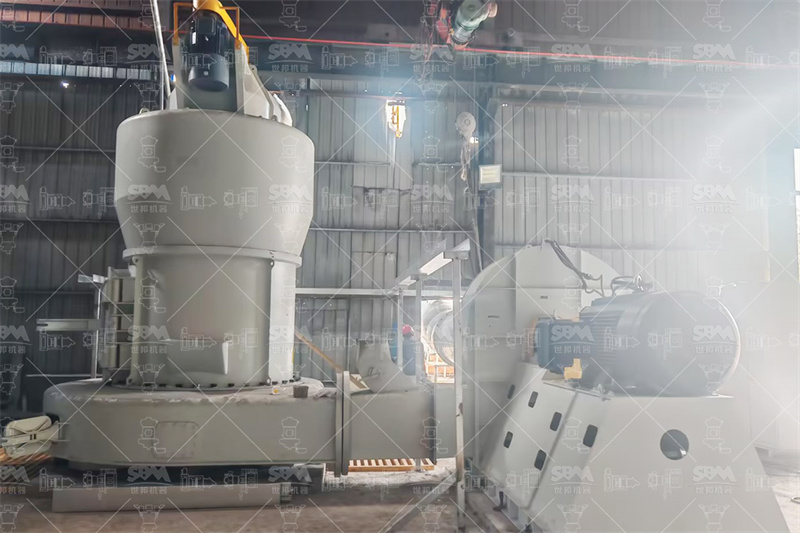
For operations requiring higher capacity and a coarser target fineness (down to 45 μm or 325 mesh), the MTW Series European Trapezium Mill offers an excellent balance of throughput and efficiency. With input sizes up to 50 mm and capacities from 3 to 45 tons per hour, this mill is well-suited for pre-grinding or for producing coarser fractions used in certain magnet alloy blends. Its anti-wear shovel design—combining shovel blades with a curved profile—reduces maintenance costs and extends grinding roller life, while the optimized arc air duct lowers airflow energy loss.
Notable features include an integral bevel gear drive with transmission efficiency up to 98%, saving space and installation costs, and a wear-resistant volute structure that reduces maintenance costs by 30%. The classification system precisely controls finished product size. The MTW series is particularly advantageous when the cobalt feedstock contains moisture or when a combined drying-grinding operation is desired, as hot gas can be introduced into the system.
Model options span from MTW110 (3-9 t/h, 55 kW) to MTW215G (15-45 t/h, 280 kW), with fineness adjustable from 10 to 325 mesh. For permanent magnet applications where the final powder will be further processed by jet milling, the MTW mill serves as an efficient pre-grinding stage, reducing the load on downstream ultrafine mills.
Selecting the Right Equipment: Key Considerations
When purchasing milling equipment for cobalt processing, buyers should evaluate several factors beyond basic specifications. First, contamination control is paramount: mills that use contact-based grinding (e.g., ball mills) may introduce iron or carbide wear particles that degrade magnetic properties. The SCM series, with its special material rollers and rings, minimizes this risk. Second, energy consumption directly impacts operating costs; the SCM series claims a 30% reduction versus jet mills, while the MTW series offers high transmission efficiency. Third, automation and feedback systems—such as the SCM’s intelligent control with granulrity feedback—reduce manual intervention and ensure consistent product quality. Fourth, dust collection and noise abatement are increasingly required by environmental regulations, and both recommended mills incorporate pulse dust collectors and soundproofing.
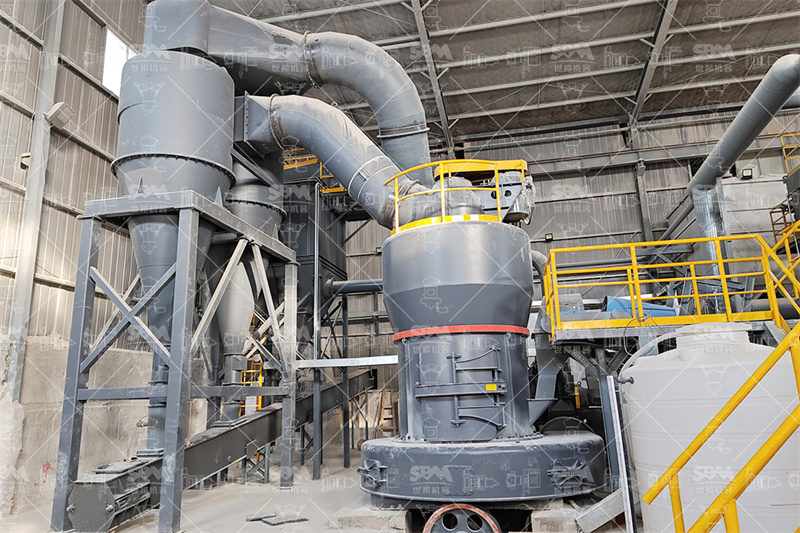
Additionally, buyers should consider the overall process flow. For permanent magnet alloy components, a typical circuit might include: primary crushing (jaw crusher or hammer mill), secondary grinding (MTW mill to ~100-200 mesh), and ultrafine grinding (SCM mill to 5-45 μm). This staged approach optimizes energy use and equipment wear. The SCM series’ ability to accept feed sizes up to 20 mm means it can directly follow a hammer mill, eliminating the need for an intermediate mill in some cases.
Conclusion
The processing of cobalt for permanent magnet alloy components demands milling and grinding solutions that deliver fine, uniform particles with minimal contamination and high energy efficiency. The SCM Series Ultrafine Mill and MTW Series European Trapezium Mill from our company represent two complementary options: the SCM for precise ultrafine grinding with intelligent control, and the MTW for high-capacity pre-grinding with robust wear protection. By selecting the appropriate equipment and configuring a staged comminution circuit, buyers can achieve the particle size distributions required for high-performance SmCo and NdFeB magnets while controlling operating costs and environmental impact. As the market for permanent magnets continues to grow, investing in reliable, efficient milling technology will be a decisive factor in maintaining competitive advantage.