
Introduction: The Rising Demand for Coconut Shell Charcoal Processing
Coconut shell charcoal is a high-value commodity in the global market, prized for its high fixed carbon content, low ash, and excellent adsorption properties. It serves as a premium raw material for activated carbon, fuel briquettes, and metallurgical applications. As demand surges, particularly in Southeast Asia, Africa, and South America, investors are increasingly looking to establish efficient processing lines. A typical coconut shell charcoal processing operation involves three critical stages: grinding, drying, and briquetting. Each stage requires specialized equipment to ensure product quality, operational efficiency, and profitability. This buyer’s guide provides a professional overview of the machinery involved and highlights how to select the right equipment for your project.
Stage 1: Grinding – The Foundation of Quality
After carbonization, coconut shell charcoal comes in irregular lumps. Grinding is essential to reduce these lumps into fine powder, which increases the surface area for subsequent activation or briquetting. The fineness of the powder directly impacts the quality of the final product, whether it is for activated carbon or fuel briquettes. For high-grade applications, ultrafine grinding is often required.
When selecting a grinding mill, consider the required output fineness (mesh), capacity (tons per hour), and the hardness of the material. Coconut shell charcoal is abrasive, so wear-resistant materials are crucial. Among the many options, the SCM Series Ultrafine Mill from our company stands out as an ideal solution for coconut shell charcoal processing.
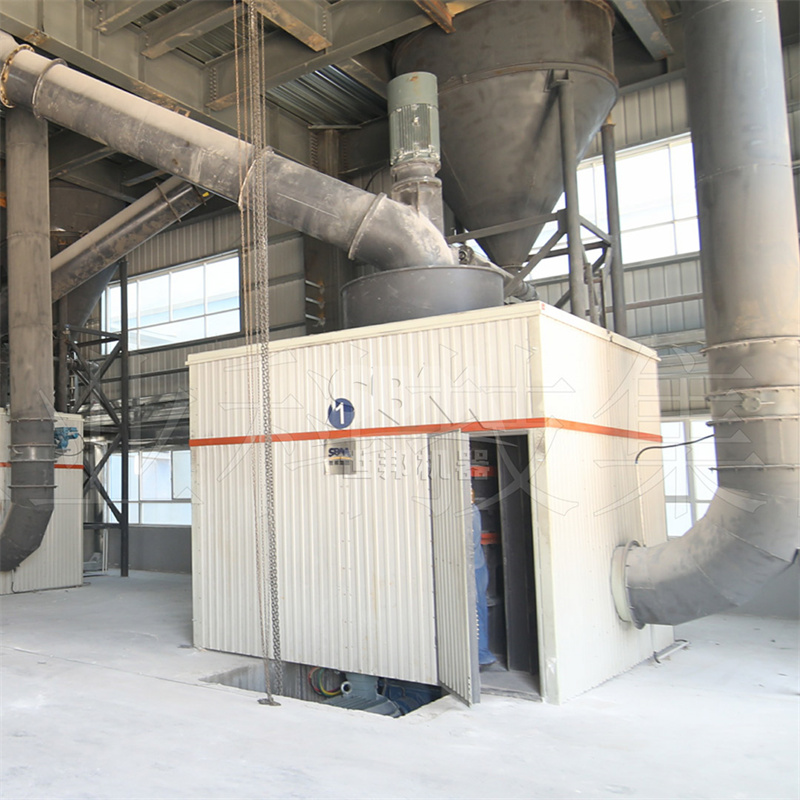
Why Choose SCM Series Ultrafine Mill?
The SCM Series Ultrafine Mill is engineered for high efficiency and precision. With an output fineness of 325-2500 mesh and capacity ranging from 0.5 to 25 tons per hour, it can handle the demands of both small and large processing plants. Its technical advantages include:
- High Efficiency & Energy Saving: Capacity is twice that of jet mills, with 30% lower energy consumption. Intelligent control with automatic finished product granularity feedback ensures consistent quality.
- High-Precision Classification: The vertical turbine classifier achieves precise particle size cutting, preventing coarse powder mixing and ensuring a uniform finished product.
- Durable Design: Special material rollers and rings extend service life several times over. The shaftless screw grinding chamber ensures stable operation.
- Eco-friendly & Low Noise: Pulse dust collection efficiency exceeds international standards, and the soundproof room design keeps noise levels low.
The SCM Series is available in multiple models, from the SCM800 (0.5-4.5 t/h) to the SCM1680 (5-25 t/h), allowing you to match capacity to your specific production scale. Its working principle involves a main motor driving three layers of grinding rings, with materials crushed by roller pressure and collected via a cyclone and pulse dust removal system. For coconut shell charcoal, this mill delivers the fine, uniform powder essential for high-quality briquettes and activated carbon.
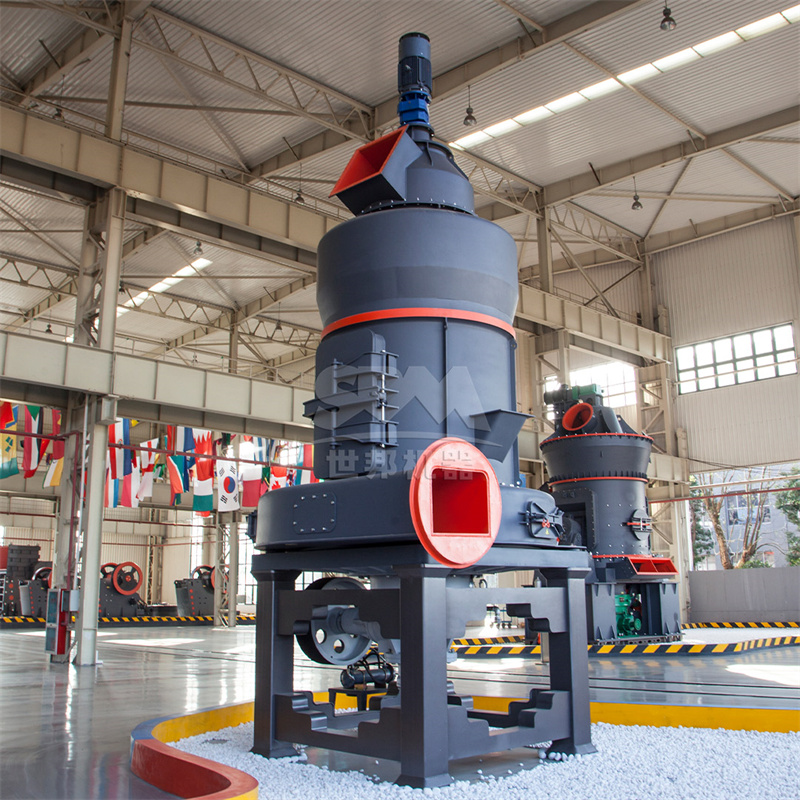
Alternative: MTW Series European Trapezium Mill
For operations requiring coarser powder (30-325 mesh) at higher capacities, the MTW Series European Trapezium Mill is another excellent choice. With models ranging from 3 to 45 t/h, it features an anti-wear shovel design, optimized arc air duct, and an integral bevel gear drive that achieves 98% transmission efficiency. Its wear-resistant volute structure reduces maintenance costs by 30%, making it a reliable workhorse for large-scale charcoal processing.
Stage 2: Drying – Ensuring Moisture Content for Briquetting
After grinding, the charcoal powder often contains moisture, which can adversely affect the briquetting process. Excessive moisture leads to weak briquettes, high binder consumption, and potential mold growth. Therefore, drying is a critical step. A rotary dryer is commonly used, which can handle large volumes and reduce moisture content to the optimal level (typically 5-10% for briquetting). While our company offers various drying solutions, it is essential to integrate the dryer with the grinding and briquetting stages for a seamless workflow.
Stage 3: Briquetting – Shaping the Final Product
Briquetting is the process of compressing charcoal powder into dense, uniform briquettes. This is achieved through a charcoal briquette machine, which applies high pressure to the powder mixed with a binder (such as starch or molasses). The quality of the briquettes depends on the particle size of the powder, moisture content, and the pressure applied. Fine powder from an ultrafine mill like the SCM Series ensures better binding and stronger briquettes with higher calorific value.
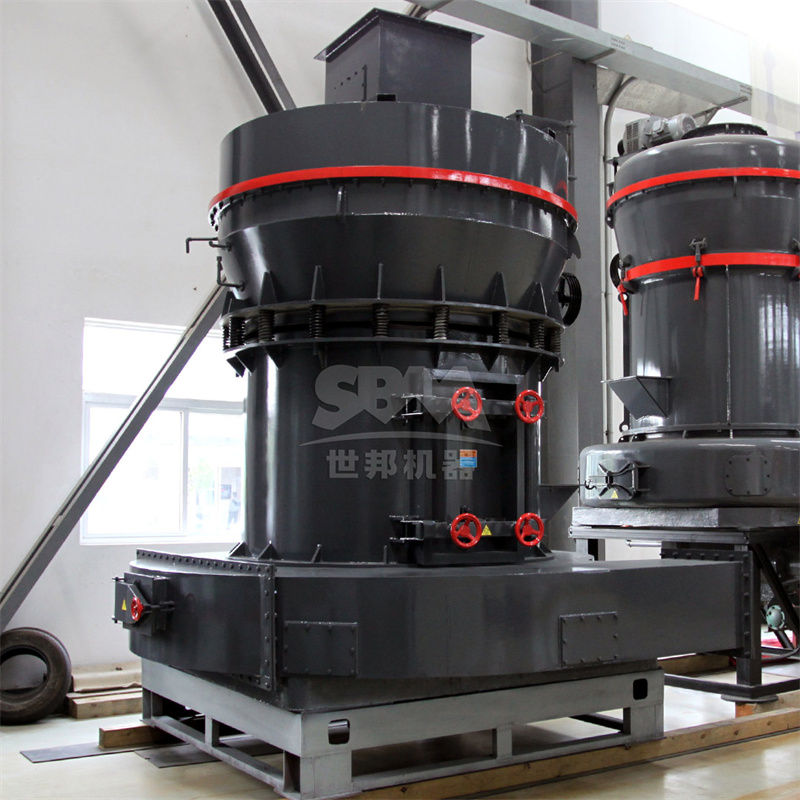
For a complete processing line, we recommend pairing the SCM Series Ultrafine Mill with a reliable briquetting machine and a suitable dryer. Our company also provides LM Series Vertical Roller Mill for large-scale operations, which integrates crushing, grinding, and selection, reducing floor space by 50% and energy consumption by 30-40%. However, for coconut shell charcoal, the SCM Series remains the top recommendation due to its ultrafine output and precision.
Key Considerations for Buyers
1. Capacity Requirements
Determine your target production capacity (tons per hour) and select equipment accordingly. The SCM Series offers models from 0.5 t/h to 25 t/h, while the MTW Series covers 3-45 t/h. Consider future expansion; a slightly larger mill can save costs in the long run.
2. Fineness Specification
For activated carbon, ultrafine powder (1000-2500 mesh) is often required, making the SCM Series ideal. For fuel briquettes, 100-325 mesh may suffice, where the MTW Series is more cost-effective.
3. Wear Resistance
Coconut shell charcoal is abrasive. Choose mills with wear-resistant materials, such as the special alloy rollers and rings in the SCM Series, to minimize downtime and maintenance costs.
4. Environmental Compliance
Dust and noise pollution are major concerns. The SCM Series features pulse dust collection and soundproofing, ensuring compliance with stringent environmental regulations.
5. Automation and Control
Intelligent control systems, like the automatic granularity feedback in the SCM Series, reduce manual intervention and ensure consistent product quality.
Conclusion
Investing in coconut shell charcoal processing equipment requires careful planning and selection. Grinding, drying, and briquetting are interdependent stages, and the quality of the grinding mill significantly influences the final product. Our SCM Series Ultrafine Mill offers exceptional efficiency, precision, and durability, making it the preferred choice for ultrafine charcoal powder production. For higher capacity needs with coarser output, the MTW Series European Trapezium Mill provides a robust alternative. By choosing the right equipment, you can optimize your production line, reduce operating costs, and produce high-quality charcoal briquettes that meet market demands. Contact our experts today to discuss your project and receive a customized solution.