
Introduction
In the modern manufacturing of daily necessities, plaster powder—often referred to as gypsum powder or calcium sulfate hemihydrate—plays a vital role. It is the primary raw material for products such as wall putty, decorative cornices, mouldings, medical bandages, and even some cosmetic applications. As demand for high-quality, consistent plaster powder grows, factories must invest in the right production line to remain competitive. Selecting the correct equipment is not merely about capacity; it involves balancing fineness requirements, energy efficiency, automation level, maintenance costs, and environmental compliance. This article provides a comprehensive guide to choosing the right plaster powder production line, with reference to industry-leading technologies such as the SCM Series Ultrafine Mill and the MTW Series European Trapezium Mill.
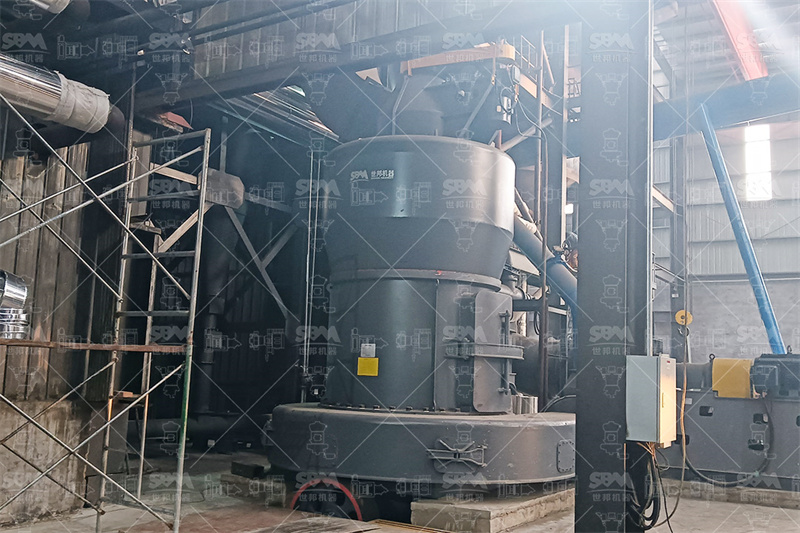
Understanding Plaster Powder Production
Plaster powder is typically produced by calcining gypsum rock (dihydrate) to remove part of its water of crystallization, yielding hemihydrate (CaSO4·0.5H2O). The calcined material is then ground to the desired fineness. The grinding stage is the heart of the production line, as it determines particle size distribution, surface area, and reactivity. Depending on the final application, required fineness can range from coarse (30–80 mesh) for construction plaster to ultrafine (325–2500 mesh) for specialty fillers and medical-grade products.
A complete plaster powder production line generally includes:
- Crushing: Jaw crusher or hammer mill to reduce gypsum rock from <40 mm to <20 mm.
- Calcination: Rotary kiln, kettle, or flash calciner.
- Grinding: Ball mill, Raymond mill, trapezium mill, ultrafine mill, or vertical roller mill.
- Classification: Air classifier or dynamic separator to cut the top size.
- Dust collection: Pulse jet bag filter to meet emission standards.
- Packing: Automatic valve bag or bulk loading system.
Among these, the grinding mill is the most critical for product quality and energy consumption. Therefore, the choice of mill technology directly impacts profitability.
Key Factors for Selecting a Grinding Mill
1. Required Fineness and Particle Size Distribution
Plaster for daily necessities may require different fineness levels. For example, wall putty typically uses 200–325 mesh powder, while high-end mouldings and medical plasters may require 500–1250 mesh. Ultrafine plaster powder (<10 μm) is used in specialty coatings and cosmetics. Therefore, the mill must be capable of achieving the target fineness with a narrow particle size distribution to avoid coarse particles that can cause surface defects.
2. Capacity and Scalability
Production capacity should match your market demand and future growth. Small factories may start with 0.5–5 t/h, while large producers require 10–45 t/h or more. It is essential to choose a mill that can be scaled up by adding modules or selecting a larger model without major redesign. The table below compares typical capacity ranges of common mill types.
3. Energy Efficiency and Operating Cost
Grinding is energy-intensive, often accounting for 40–60% of total production cost. Ultrafine mills and vertical roller mills are more energy-efficient than traditional ball mills. For instance, the SCM Series Ultrafine Mill consumes 30% less energy than jet mills while doubling capacity. Similarly, the MTW Series European Trapezium Mill features an optimized arc air duct that reduces airflow energy loss and an integral bevel gear drive with 98% transmission efficiency.
4. Maintenance and Wear Parts Life
Plaster is moderately abrasive. Mills with wear-resistant materials (e.g., special alloy rollers and rings) can extend service life several times over, reducing downtime and spare parts costs. The MTW Series, for example, uses combined shovel blades and curved grinding rollers that reduce maintenance costs. The SCM Series employs a shaftless screw grinding chamber for stable operation and special material rollers for durability.
5. Automation and Control
Modern production lines require intelligent control to ensure consistent product quality and reduce labor. Automatic feedback of finished product granularity, remote monitoring, and PLC-based systems are now standard in advanced mills. The SCM Series offers intelligent control with automatic finished product granularity feedback, while the LM Series Vertical Roller Mill features an expert-level auto-control system with remote/local switching.
6. Environmental Compliance
Dust emission and noise are major concerns for factories. Pulse dust collectors with efficiency exceeding international standards, soundproof rooms, and negative pressure operation are essential. The SCM Series includes pulse dust collection and soundproof design. The LM Series operates under fully sealed negative pressure, ensuring dust emission is well below limits. The MTW Series also offers internationally advanced pulse dust removal technology.
Recommended Equipment for Plaster Powder Production
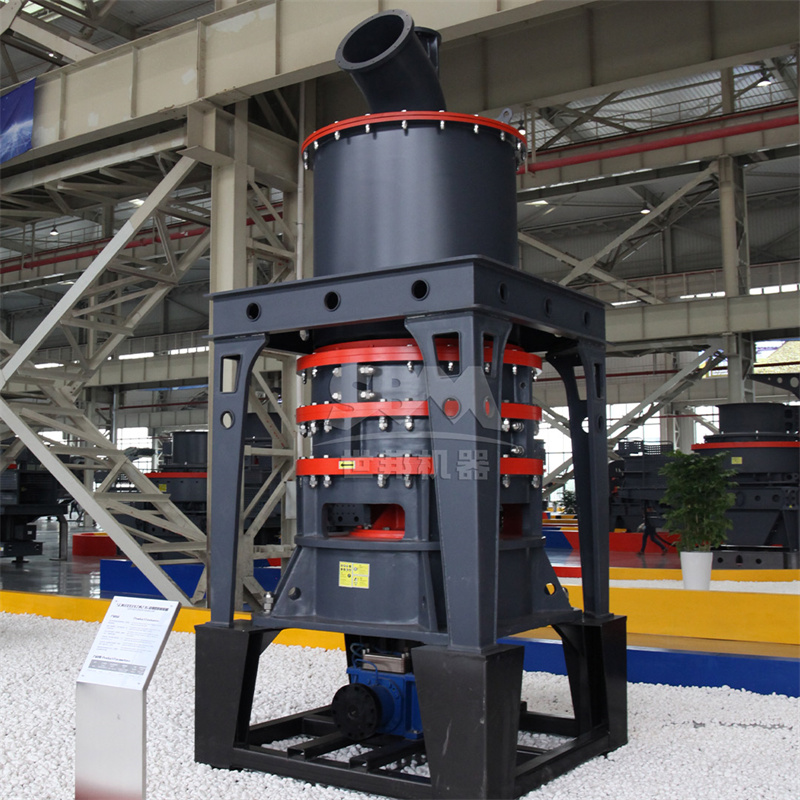
Based on the above factors, two mills stand out for daily necessities plaster powder production: the SCM Series Ultrafine Mill and the MTW Series European Trapezium Mill. Both are engineered to deliver high efficiency, precise classification, and long service life.
SCM Series Ultrafine Mill (45–5 μm)
The SCM Series is ideal for producing ultrafine plaster powder for high-end applications. Its core parameters include input size ≤20 mm, output fineness 325–2500 mesh, and capacity 0.5–25 t/h depending on model. Key technical advantages:
- High Efficiency & Energy Saving: Capacity is twice that of jet mills, with 30% lower energy consumption. Intelligent control with automatic finished product granularity feedback.
- High-Precision Classification: Vertical turbine classifier achieves precise particle size cutting, with no coarse powder mixing, ensuring uniform finished products.
- Durable Design: Special material rollers and rings extend service life several times over. Shaftless screw grinding chamber ensures stable operation.
- Eco-friendly & Low Noise: Pulse dust collection efficiency exceeds international standards. Soundproof room design ensures noise levels are minimized.
Working principle: The main motor drives three layers of grinding rings to rotate. Materials are dispersed into the grinding path by centrifugal force, crushed by roller pressure, and ground layer by layer. Finally, powder collection is completed by a cyclone collector and a pulse dust removal system.
Models: SCM800 (0.5–4.5 t/h, 75 kW), SCM900 (0.8–6.5 t/h, 90 kW), SCM1000 (1.0–8.5 t/h, 132 kW), SCM1250 (2.5–14 t/h, 185 kW), SCM1680 (5.0–25 t/h, 315 kW). All accept feed size 0–20 mm and deliver 325–2500 mesh.
MTW Series European Trapezium Mill (600–45 μm)
The MTW Series is a versatile choice for plaster powder production, offering capacities from 3 to 45 t/h and fineness from 30 to 325 mesh (down to 0.038 mm). Its technical advantages include:
- Anti-wear Shovel Design: Combined shovel blades reduce maintenance costs. Curved design extends grinding roller life.
- Optimized Arc Air Duct: Reduces airflow energy loss and improves transmission efficiency. High-strength guard plates protect the air duct working surface.
- Integral Bevel Gear Drive: Transmission efficiency up to 98%. Saves space and reduces installation costs.
- Wear-resistant Volute Structure: Non-resistance flow design improves air selection efficiency. Maintenance costs reduced by 30%.
Working principle: The main motor drives the grinding rollers to revolve around the central axis while self-rotating to generate centrifugal force. Shovels throw materials between the ring and rollers to form a material layer, achieving efficient crushing through extrusion. The classification system precisely controls the finished product size.
Models: MTW110 (3–9 t/h, 55 kW), MTW110Z (3–10 t/h, 55 kW), MTW138Z (6–17 t/h, 90 kW), MTW175G (9.5–25 t/h, 160 kW), MTW215G (15–45 t/h, 280 kW), plus MRN158, MRN198, MRN218. All accept feed sizes up to 50 mm and deliver 10–325 mesh.
Both mills are equipped with patented technology, including internal suction oil lubrication and pulse dust removal. The MTW Series also features independent intellectual property rights.
Additional Equipment for a Complete Line
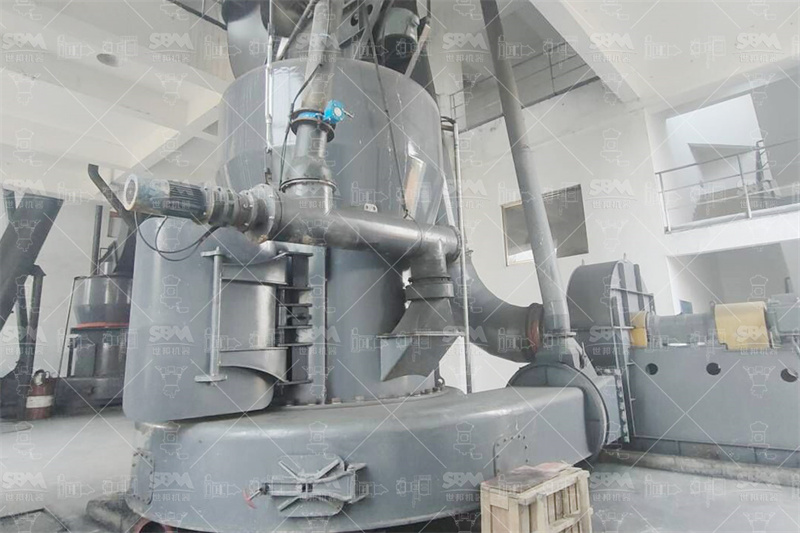
While the grinding mill is the core, a complete plaster powder production line requires other equipment. For pre-crushing, a hammer mill (0–3 mm output) can be used. The PC4008-75 model offers 8–15 t/h with 75 kW, while the PC4015-132 delivers 40–70 t/h with 132 kW. For very fine plaster, the LUM Ultrafine Vertical Roller Mill (325–2500 mesh, 1.6–15 t/h) is an alternative. The LM Series Vertical Roller Mill can handle capacities up to 250 t/h and is suitable for large-scale operations. The MTM Series Medium-speed Trapezium Mill (3–22 t/h, 45–325 mesh) provides another option. Ball mills (0.074–0.8 mm) are also used but are less energy-efficient for ultrafine grinding.
Calcination is typically done in a separate system. For small to medium factories, a rotary kiln or kettle calciner is common. The grinding mill should be selected based on the calcined material’s grindability. Plaster (gypsum) has a Mohs hardness of 2, which is relatively soft, so wear on grinding parts is moderate. However, impurities in natural gypsum can increase abrasiveness, so wear-resistant materials are still recommended.
How to Choose the Right Line for Your Factory
Selecting the right production line involves a systematic approach:
- Define your product portfolio: Will you produce only construction plaster, or also high-value ultrafine plaster? This determines the required fineness range and mill type.
- Determine required capacity: Calculate daily and annual output based on market demand. Consider future expansion. For capacities up to 25 t/h, the SCM Series is suitable for ultrafine; for 3–45 t/h, the MTW Series is more flexible.
- Assess energy availability and cost: High-capacity mills may require high-voltage motors (6–10 kV). Check your factory’s power supply. The SCM and MTW series use standard voltages.
- Evaluate automation needs: If labor costs are high or consistent quality is critical, choose mills with intelligent control and automatic feedback, such as the SCM Series or LM Series.
- Consider environmental regulations: Ensure the mill’s dust collection and noise levels meet local standards. The SCM and MTW Series both exceed international standards.
- Plan for maintenance: Choose equipment with easy access to wear parts and long service intervals. The MTW Series’ combined shovel blades and the SCM’s special rollers reduce maintenance frequency.
- Request a trial or sample test: Before purchasing, send your gypsum sample to the manufacturer for grinding tests to confirm fineness and capacity.
For most daily necessities plaster powder factories, a combination of a hammer mill for pre-crushing and an MTW Series European Trapezium Mill for grinding is a cost-effective solution for 30–325 mesh products. If ultrafine plaster (<45 μm) is required, the SCM Series Ultrafine Mill is the better choice. Both mills are robust, energy-efficient, and environmentally compliant, making them ideal for factories aiming to produce high-quality plaster powder for wall putty, cornices, mouldings, and other daily necessities.
Conclusion
Choosing the right plaster powder production line is a strategic decision that affects product quality, operating cost, and competitiveness. By understanding your fineness and capacity requirements, and by evaluating energy efficiency, maintenance, automation, and environmental compliance, you can select the optimal equipment. The SCM Series Ultrafine Mill and MTW Series European Trapezium Mill represent two of the most advanced and reliable options on the market. They offer high efficiency, precise classification, durable design, and eco-friendly operation. For factories producing plaster powder for daily necessities, investing in these technologies will yield long-term benefits in productivity and profitability.