
Introduction
Diabase, also known as dolerite or microgabbro, is an intrusive igneous rock that has become increasingly important in the construction and infrastructure industries. Its exceptional hardness, toughness, and resistance to abrasion make it a premium aggregate for high-strength concrete, asphalt pavement, railway ballast, and precast concrete products. However, these very properties that make diabase so valuable also make it one of the most challenging materials to process. Quarry operators face significant wear on equipment, high energy consumption, and the constant demand for precise product gradation.
Selecting the right crushing and grinding solution for diabase is not merely a matter of choosing the largest machine. It requires a careful analysis of the material’s physical characteristics, the desired finished product specifications, throughput requirements, and the overall cost of ownership. This article provides a comprehensive guide to choosing the optimal diabase processing equipment, with a focus on advanced crushing and grinding technologies that deliver high efficiency and long service life.
Understanding Diabase and Its Processing Challenges
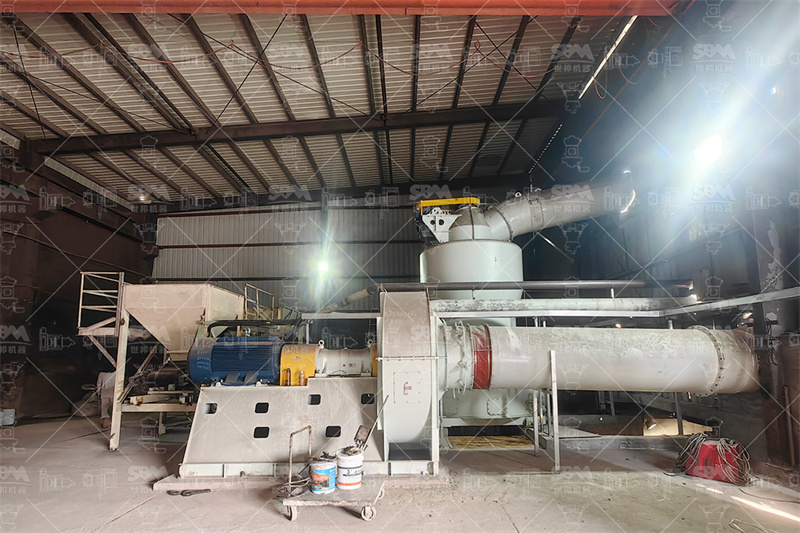
Diabase typically has a compressive strength ranging from 150 to 300 MPa, which is significantly higher than limestone or sandstone. Its silica content can exceed 50%, making it highly abrasive. When processed with conventional impact crushers, the wear parts experience rapid degradation, leading to frequent downtime and escalating maintenance costs. Therefore, the primary crushing stage usually employs jaw crushers or gyratory crushers, which handle large feed sizes and provide a reliable first reduction.
For secondary and tertiary crushing, cone crushers are often the preferred choice due to their ability to crush hard and abrasive materials with a high reduction ratio. However, even the most robust cone crusher will produce a product that requires further shaping or grinding for certain applications. This is where the selection of grinding equipment becomes critical.
Key Factors in Selecting Diabase Processing Equipment
1. Material Characteristics
Before selecting any equipment, a thorough petrographic analysis and bond work index test should be conducted. The work index indicates the energy required to grind the material and directly influences mill selection. Diabase typically has a Bond work index between 18 and 22 kWh/t, which is on the higher end. Additionally, moisture content, feed size distribution, and the presence of fines must be considered.
2. Finished Product Requirements
Different applications demand different fineness. For high-quality concrete aggregates, a cubical shape with minimal flakiness is desired, often in the range of 5-20 mm. For asphalt filler or mineral admixtures, fineness may need to be 200 mesh or finer. For specialized applications such as glass manufacturing or refractory materials, ultrafine grinding to 325-2500 mesh may be necessary. Therefore, the grinding circuit must be flexible enough to adjust product fineness without compromising capacity.
3. Capacity and Scalability
Quarry operations vary from small-scale producers to large industrial complexes. The selected equipment must match the required throughput and allow for future expansion. Modular designs and variable speed drives can provide operational flexibility.
4. Energy Efficiency and Operating Costs
Grinding is the most energy-intensive stage in mineral processing. Diabase’s hardness amplifies energy consumption. Choosing equipment with high grinding efficiency and low specific power consumption is essential to maintain profitability. Additionally, wear part life and maintenance intervals significantly impact total cost of ownership.
5. Environmental Compliance
Dust generation and noise are major concerns in quarrying. Modern grinding solutions must incorporate effective dust collection systems and noise reduction features to comply with strict environmental regulations and ensure a safe working environment.
Recommended Equipment for Diabase Processing
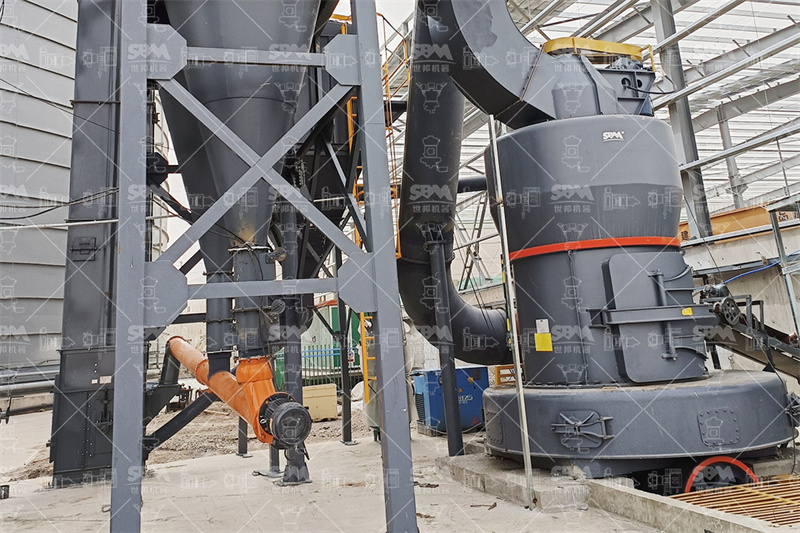
Based on the challenges outlined above, two grinding mills stand out for diabase processing: the MTW Series European Trapezium Mill and the SCM Series Ultrafine Mill. Both are engineered to handle hard and abrasive materials while delivering high capacity, precise fineness, and long-term reliability.
MTW Series European Trapezium Mill: Versatile and Efficient for Medium to Fine Grinding
The MTW Series European Trapezium Mill is an ideal choice for processing diabase into fine powders ranging from 30 to 325 mesh (down to 0.038mm). With a capacity of 3 to 45 tons per hour, it suits medium to large-scale quarry operations. Its innovative design includes several patented technologies that directly address the difficulties of grinding hard diabase.
Key advantages for diabase processing:
- Anti-wear shovel design: The combined shovel blades and curved design reduce wear and extend the life of grinding rollers, which is crucial when dealing with abrasive diabase.
- Optimized arc air duct: This reduces airflow energy loss and improves transmission efficiency, leading to lower energy consumption per ton of product.
- Integral bevel gear drive: With a transmission efficiency of up to 98%, this system ensures that more of the input power is used for grinding rather than being lost in the drive train.
- Wear-resistant volute structure: The non-resistance flow design improves air selection efficiency and reduces maintenance costs by up to 30%.
For quarry operators looking to produce diabase powder for asphalt filler, concrete admixtures, or mineral fillers, the MTW Series offers a reliable and cost-effective solution. Its ability to grind to 325 mesh while maintaining high capacity makes it a versatile workhorse.
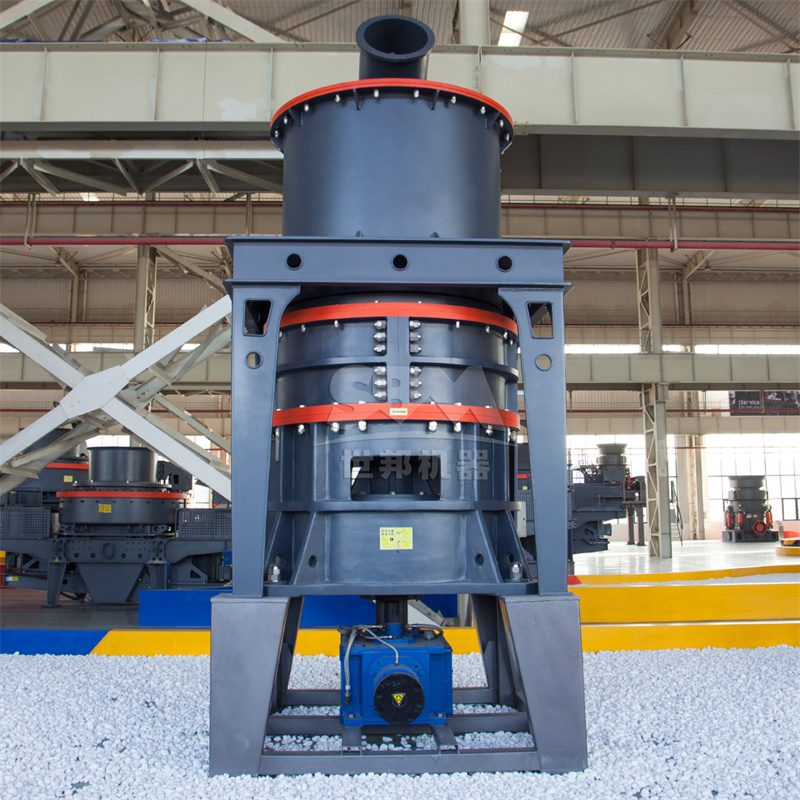
SCM Series Ultrafine Mill: Precision Grinding for High-Value Applications
When the application demands ultrafine diabase powder in the range of 325 to 2500 mesh, the SCM Series Ultrafine Mill is the superior choice. With capacities from 0.5 to 25 tons per hour, it can be configured to match specific production targets. The SCM mill is particularly effective for producing high-value products such as fillers for premium paints, plastics, and specialty cements.
Technical highlights for diabase ultrafine grinding:
- High efficiency and energy saving: The SCM mill boasts twice the capacity of a jet mill with 30% lower energy consumption, a significant advantage when grinding hard diabase.
- High-precision classification: The vertical turbine classifier achieves precise particle size cutting, ensuring no coarse powder mixing and a uniform finished product. This is essential for applications requiring strict top-size control.
- Durable design: Special material rollers and rings extend service life several times over compared to standard components, reducing downtime and spare part costs. The shaftless screw grinding chamber ensures stable operation even under high loads.
- Eco-friendly and low noise: The pulse dust collection system exceeds international standards, and the soundproof room design keeps noise levels well within regulatory limits.
The SCM Series is available in several models, from the SCM800 with a capacity of 0.5-4.5 t/h to the SCM1680 with a capacity of 5-25 t/h. This scalability allows quarry operators to start with a smaller unit and expand as market demand grows.
Crushing Circuit Design Considerations
While grinding mills are the focus of this article, the overall crushing circuit must be designed to prepare the feed for the grinding mills. A typical diabase processing plant may include:
- Primary crushing: Jaw crusher or gyratory crusher to reduce run-of-mine rock to below 200 mm.
- Secondary crushing: Cone crusher (e.g., high-performance hydraulic cone crusher) to reduce to below 50 mm.
- Tertiary crushing: Short-head cone crusher or vertical shaft impactor (VSI) for shaping and further size reduction to below 20 mm.
- Grinding: MTW or SCM mill for final powder production.
It is important to note that the feed size to the grinding mill should be controlled within the specified maximum input size. For the MTW Series, the maximum feed size is 50 mm, while for the SCM Series, it is 20 mm. Therefore, proper screening and closed-circuit crushing are essential to avoid overloading the mill and to ensure efficient grinding.
Automation and Control Systems
Modern grinding mills are equipped with advanced automation systems that optimize performance and reduce operator intervention. The MTW Series features an intelligent control system that can automatically adjust the classifier speed to maintain the desired product fineness. The SCM Series includes automatic finished product granularity feedback, which ensures consistent quality even as wear parts gradually degrade. These features not only improve product consistency but also extend the life of wear components by preventing operation outside optimal parameters.
Maintenance and Wear Parts Management
Diabase’s abrasive nature means that wear parts will inevitably require replacement. However, choosing equipment with long-lasting wear parts and easy maintenance access can dramatically reduce downtime. The MTW Series uses high-chrome alloy rollers and rings, while the SCM Series employs special material rollers and rings that last several times longer than standard components. Both mills are designed with hydraulic opening mechanisms for quick inspection and part replacement.
It is also advisable to implement a predictive maintenance program that monitors vibration, temperature, and power draw. By tracking these parameters, operators can schedule maintenance before unexpected failures occur, maximizing uptime and productivity.
Case Study: Diabase Processing in a Hard Rock Quarry
A quarry in Southeast Asia processes diabase for high-strength concrete aggregates and mineral filler. The original circuit used a ball mill for fine grinding, but the high energy consumption and low throughput made the operation unprofitable. After conducting a thorough audit, the operator replaced the ball mill with an MTW175G European Trapezium Mill. The result was a 40% reduction in specific energy consumption, a 25% increase in capacity, and a significant improvement in product consistency. The wear part life also increased from 3 months to over 12 months, reducing maintenance costs substantially.
In another case, a producer of premium diabase powder for the plastics industry required a product with a top size of 10 microns. They installed an SCM1250 Ultrafine Mill, which achieved the required fineness with a capacity of 2.5-14 t/h. The precise classification system eliminated the need for post-grinding classification, simplifying the flowsheet and reducing capital costs.
Conclusion
Choosing the right crushing and grinding solution for diabase requires a balanced consideration of material hardness, product specifications, capacity, energy efficiency, and maintenance costs. While the initial capital investment is important, the total cost of ownership over the life of the equipment is what ultimately determines profitability. The MTW Series European Trapezium Mill and the SCM Series Ultrafine Mill represent state-of-the-art solutions that address the unique challenges of diabase processing. With their robust construction, advanced classification technology, and energy-efficient operation, they provide quarry operators with a reliable path to high-quality diabase products. By carefully evaluating your specific requirements and consulting with equipment experts, you can select the optimal configuration that maximizes your return on investment and keeps your quarry competitive in a demanding market.