
Introduction
In the glass manufacturing industry, dolomite is a critical raw material used as a fluxing agent. It helps lower the melting temperature of the glass batch, improves the viscosity of the molten glass, and enhances the chemical durability of the final product. However, the efficiency of dolomite as a flux depends heavily on its particle size and distribution. Therefore, selecting the right milling system for dolomite processing is essential for optimizing glass quality, reducing energy consumption, and minimizing production costs. This article provides a comprehensive guide to choosing the appropriate milling equipment for your glass plant, with a focus on key technical considerations and product recommendations from our company.
The Role of Dolomite in Glass Manufacturing
Dolomite (CaMg(CO3)2) is added to glass batches to introduce calcium and magnesium oxides. These components modify the glass network, reducing the melting point and improving the workability of the glass. For optimal performance, dolomite must be finely ground and uniformly mixed with other batch materials. The required fineness typically ranges from 200 to 325 mesh (74 to 45 microns), although some specialty glasses may require even finer particles. Overly coarse particles can lead to incomplete melting, while excessively fine particles may cause dusting and segregation. Thus, precise control over particle size distribution is paramount.
Key Factors in Selecting a Milling System
When choosing a milling system for dolomite processing, several factors must be considered:
1. Required Fineness and Particle Size Distribution
The target fineness determines the type of mill. For fine grinding (325 mesh or finer), mills with high-precision classifiers such as ultrafine mills or vertical roller mills are necessary. For coarser grinds (200 mesh), trapezium mills or ball mills may suffice.
2. Capacity and Production Scale
The mill’s capacity must match the glass plant’s consumption rate. Small plants may require 1-5 tons per hour, while large float glass lines may need 20-50 tons per hour. Scalability and continuous operation are critical.
3. Energy Efficiency
Grinding is an energy-intensive process. Mills that offer high grinding efficiency and low power consumption can significantly reduce operating costs. Vertical roller mills and advanced ultrafine mills are known for their energy savings compared to traditional ball mills.
4. Maintenance and Wear Parts
Dolomite is moderately abrasive. Mills with wear-resistant materials (e.g., special alloy rollers and liners) and easy maintenance features can minimize downtime and extend equipment life.
5. Environmental Compliance
Dust emissions and noise levels must comply with environmental regulations. Pulse jet dust collectors and soundproof designs are essential.
6. Investment and Operating Costs
While initial investment is important, total cost of ownership (including energy, maintenance, and wear parts) should be evaluated. Integrated systems that reduce infrastructure requirements can lower overall costs.
Recommended Milling Systems for Dolomite Processing
Based on our extensive experience in mineral processing, we recommend the following two milling systems for dolomite grinding in glass plants:
SCM Series Ultrafine Mill
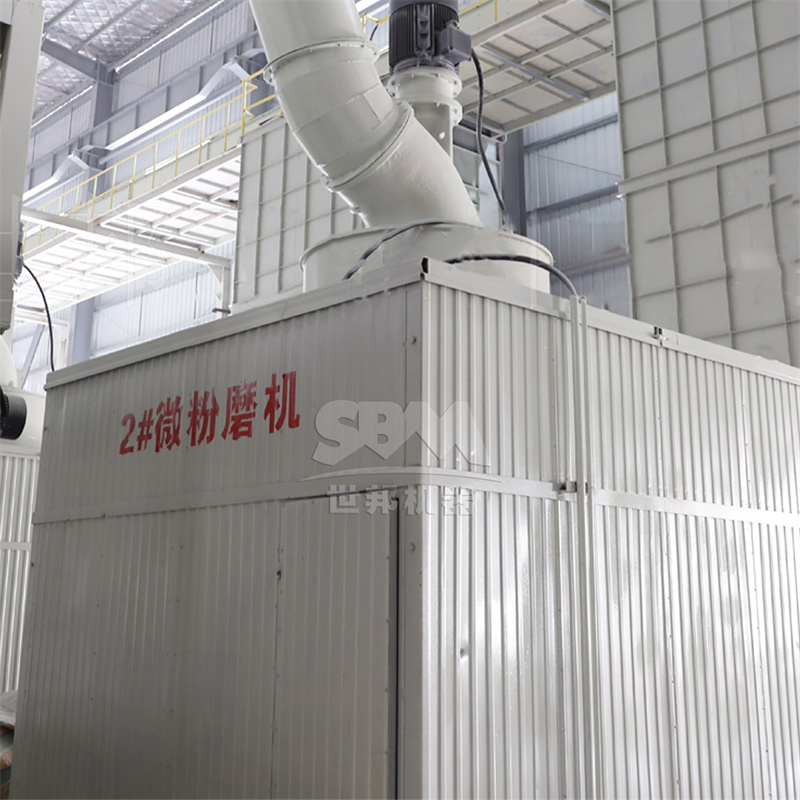
The SCM Series Ultrafine Mill is an ideal choice for producing fine dolomite powder (325-2500 mesh). Its high-precision vertical turbine classifier ensures a sharp cut point and uniform product fineness, which is crucial for consistent glass batch preparation. The mill features a unique shaftless screw grinding chamber and special material rollers and rings that extend service life. With capacity up to 25 t/h and energy consumption 30% lower than jet mills, the SCM Series offers excellent efficiency. The intelligent control system with automatic granularity feedback further ensures stable operation. For glass plants requiring high-quality fine dolomite, the SCM Series is a reliable and cost-effective solution.
LM Series Vertical Roller Mill
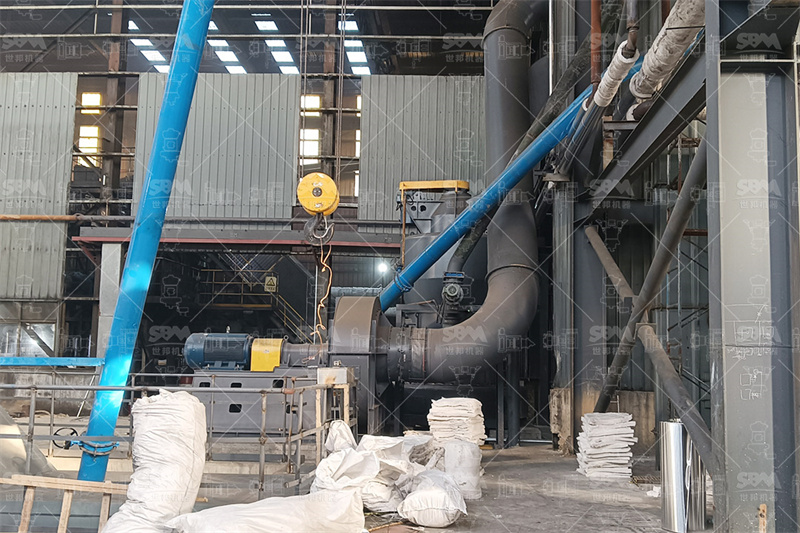
For larger capacity requirements (up to 250 t/h), the LM Series Vertical Roller Mill is a superior choice. Its integrated design combines crushing, grinding, and classification, reducing floor space by 50% and infrastructure costs by 40%. The non-contact design between rollers and table minimizes wear, while the expert control system enables remote monitoring and automatic adjustment. The LM Series is particularly energy-efficient, consuming 30-40% less power than ball mill systems. With precise fineness control (30-325 mesh) and environmentally friendly operation (fully sealed negative pressure), it is well-suited for medium to large glass plants. The LM Series also offers specialized models for ultrafine grinding (LM130X-GX to LM220X-GX) achieving up to 600 mesh, if needed.

Comparison and Selection Guidelines
To aid in decision-making, consider the following guidelines:
- For small to medium plants with fineness requirements of 325 mesh or finer: The SCM Series Ultrafine Mill offers high precision and energy efficiency. Its capacity range (0.5-25 t/h) suits most glass plants.
- For large plants requiring high capacity (up to 250 t/h) and moderate fineness (30-325 mesh): The LM Series Vertical Roller Mill provides low operating costs and a small footprint.
- For plants with variable fineness needs: The LM Series can be equipped with dynamic classifiers for multi-stage adjustment, while the SCM Series allows precise control via its turbine classifier.
Both systems are backed by our company’s patented technologies, including internal suction oil lubrication, pulse dust removal, and modular wear part assemblies, ensuring reliable performance and low maintenance.
Conclusion
Choosing the right milling system for dolomite processing is a strategic decision that impacts glass quality, production efficiency, and operating costs. By carefully evaluating fineness requirements, capacity, energy efficiency, maintenance, and environmental factors, glass plants can select the optimal equipment. Our SCM Series Ultrafine Mill and LM Series Vertical Roller Mill are proven solutions that deliver superior performance and reliability. For personalized recommendations, please consult our technical team to tailor a solution that meets your specific needs.