
Introduction to Dolomite and Magnesium Extraction
Dolomite is a calcium magnesium carbonate mineral (CaMg(CO3)2) that serves as a primary raw material for magnesium metal production. The extraction of magnesium from dolomite typically involves calcination, reduction, and refining processes. However, before dolomite can enter the kiln or reactor, it must be processed to achieve the correct particle size and fineness. This is where industrial grinding equipment plays a critical role. For buyers in the magnesium industry, selecting the right dolomite processing equipment is essential for optimizing yield, reducing energy costs, and ensuring consistent product quality.
Why Particle Size Matters in Magnesium Extraction
Dolomite used in magnesium production via the Pidgeon process or electrolytic methods requires specific granulometry. Coarse particles may not fully react during calcination, while excessively fine particles can cause dusting, poor gas flow, and material loss. Typically, dolomite is ground to between 200 mesh and 325 mesh (74–44 μm) for efficient calcination. In some advanced processes, ultrafine grinding down to 5–45 μm is employed to enhance reactivity. Therefore, the choice of mill directly impacts the efficiency of the downstream magnesium extraction.

Key Equipment Options for Dolomite Processing
Buyers have several mill technologies to consider: ball mills, vertical roller mills, trapezium mills, ultrafine mills, and hammer mills. Each has distinct advantages in terms of capacity, fineness, energy consumption, and maintenance. Below we review the most suitable options for dolomite preparation in magnesium plants.
1. SCM Series Ultrafine Mill (45-5μm)
For magnesium extraction processes that require very fine dolomite powder (e.g., for improved reaction kinetics), the SCM Series Ultrafine Mill is an excellent choice. This mill can produce particles from 325 to 2500 mesh, with capacities from 0.5 to 25 t/h. Its high-precision vertical turbine classifier ensures no coarse powder mixing, while energy consumption is 30% lower than jet mills. The durable roller and ring design extends service life, making it a cost-effective solution for ultrafine dolomite.
2. MTW Series European Trapezium Mill (600-45μm)
The MTW Series is a robust workhorse for dolomite grinding. With output fineness adjustable from 30 to 325 mesh and capacities from 3 to 45 t/h, it suits medium-to-large magnesium plants. Its anti-wear shovel design and integral bevel gear drive reduce maintenance and energy loss. The optimized arc air duct improves airflow efficiency. For buyers seeking a balance between fine grinding and high throughput, the MTW mill is a strong candidate.
3. LM Series Vertical Roller Mill (600-45μm)
For very large-scale magnesium operations, the LM vertical mill offers capacities up to 250 t/h. Its integrated design combines crushing, grinding, and classification, reducing floor space by 50%. Energy consumption is 30-40% lower than ball mill systems. The LM mill is particularly suitable for dolomite with medium hardness. Its intelligent control system ensures stable product quality, and the fully sealed negative pressure operation meets strict environmental standards.
4. Ball Mill (0.074-0.8mm)
Ball mills are traditional and reliable, capable of grinding dolomite to 0.074–0.8 mm. While they have higher energy consumption and lower efficiency compared to vertical mills, they are still used in some magnesium plants due to their simple operation and ability to handle large feed sizes. For new installations, however, vertical mills are generally preferred for energy savings.
5. Hammer Mill (0-3mm)
If only coarse crushing is needed before calcination (e.g., for kiln feed), a hammer mill can reduce dolomite from 40 mm to 0–3 mm at capacities up to 70 t/h. This is often used as a pre-grinding step.
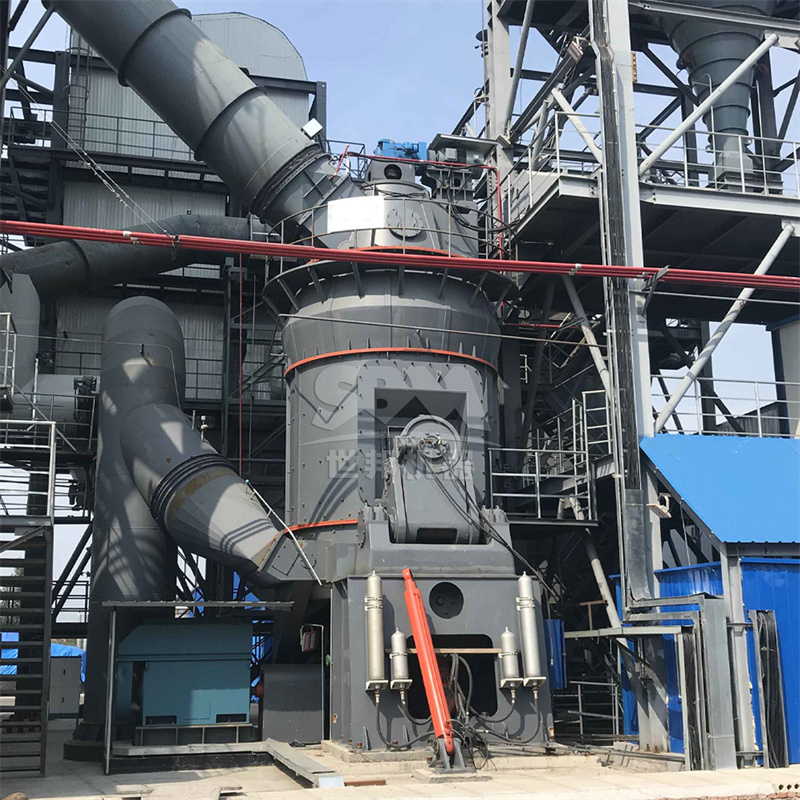
Recommended Equipment for Magnesium Extraction
Based on typical dolomite processing requirements for magnesium extraction, we recommend the following two products from our company:
SCM Series Ultrafine Mill
Ideal for producing ultrafine dolomite powder (down to 5 μm). With models from SCM800 to SCM1680, capacities range from 0.5 to 25 t/h. The intelligent control and high-precision classifier ensure consistent product quality, which is critical for magnesium reduction efficiency. The SCM mill’s low noise and pulse dust collection make it environmentally friendly.
MTW Series European Trapezium Mill
Perfect for medium-fine dolomite grinding (30–325 mesh). The MTW110 to MTW215G models offer capacities from 3 to 45 t/h. The anti-wear shovel and optimized air duct reduce maintenance and energy costs. This mill is a reliable choice for magnesium plants that need a versatile, high-capacity grinder.
Technical Comparison Table
| Model | Fineness Range | Capacity (t/h) | Main Power (kW) |
|---|---|---|---|
| SCM800 | 325-2500 mesh | 0.5-4.5 | 75 |
| SCM1250 | 325-2500 mesh | 2.5-14 | 185 |
| MTW138Z | 30-325 mesh | 6-17 | 90 |
| MTW215G | 30-325 mesh | 15-45 | 280 |
Factors to Consider When Buying
- Required Fineness: For magnesium extraction, 200–325 mesh is common, but ultrafine may be beneficial.
- Capacity: Match mill capacity to your plant’s dolomite consumption.
- Energy Efficiency: Vertical and ultrafine mills consume less energy per ton.
- Maintenance and Wear Parts: Consider lifetime and replacement cost.
- Environmental Compliance: Dust and noise regulations may dictate equipment choice.
- Automation: PLC control reduces labor and ensures consistency.
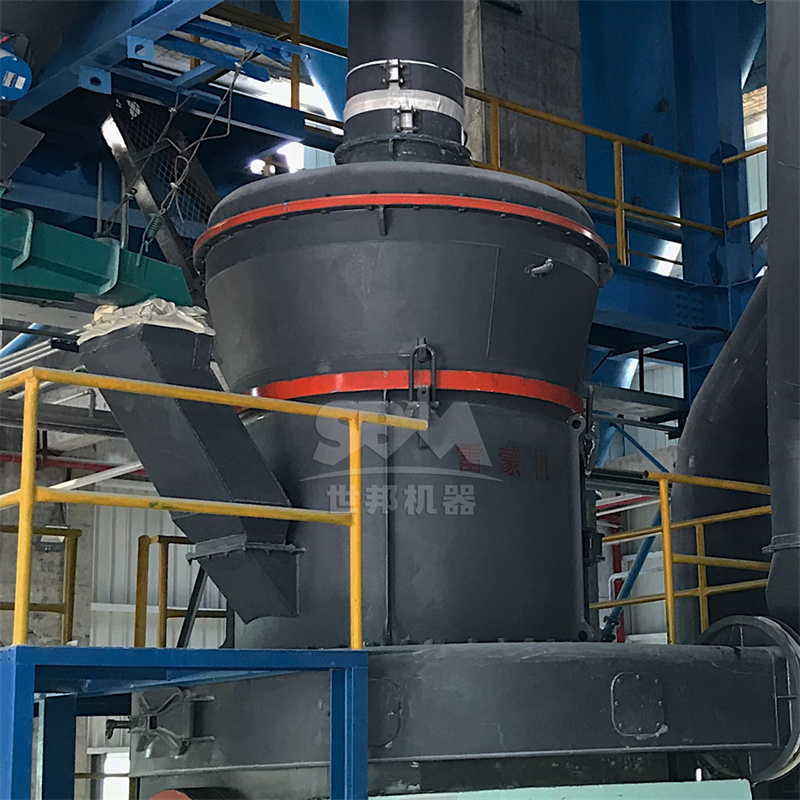
Case Study: Magnesium Plant in China
A magnesium producer in Shanxi Province replaced a ball mill with an MTW215G trapezium mill for dolomite grinding. The result: 40% lower energy consumption, 25% increase in throughput, and more consistent particle size distribution. The plant reported improved calcination efficiency and higher magnesium recovery. This demonstrates the tangible benefits of modern grinding technology.
Conclusion
Selecting the right dolomite processing equipment is a strategic decision for magnesium producers. The SCM Series Ultrafine Mill and MTW Series European Trapezium Mill from our company offer exceptional performance, energy efficiency, and reliability. Whether you need ultrafine powder for advanced reduction or medium-fine powder for conventional calcination, we have a solution. Contact our engineers for a customized recommendation based on your raw material characteristics and production targets.