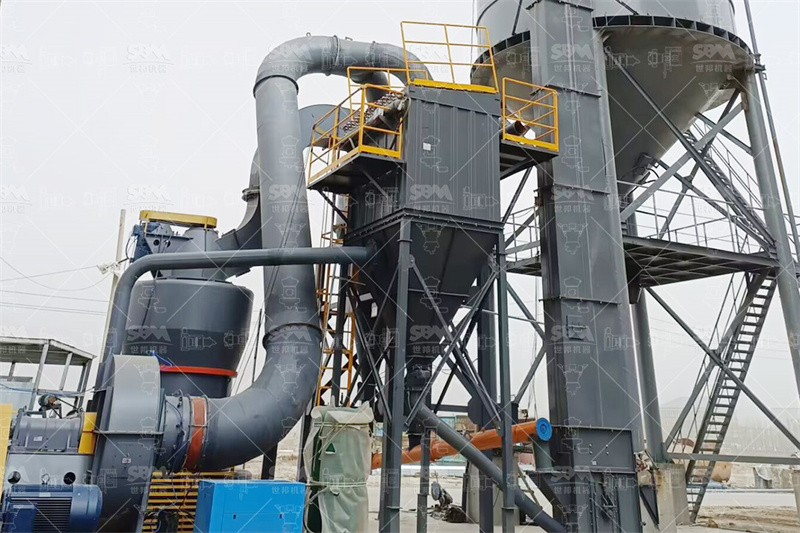
Introduction to Dolomite Powder Production
Dolomite, a calcium magnesium carbonate mineral (CaMg(CO₃)₂), is widely used in industries such as construction, ceramics, glass, agriculture, and steelmaking. The demand for high-grade 200-mesh (74 micron) dolomite powder is particularly strong in the production of flooring materials, rubber fillers, and animal feed supplements. Achieving consistent particle size distribution at this fineness requires specialized milling equipment that balances throughput, energy efficiency, and product quality. This article explores the key machines and processing solutions for producing high-grade 200-mesh dolomite powder, with a focus on our company’s advanced grinding technologies.
Key Equipment for 200-Mesh Dolomite Grinding
Producing 200-mesh dolomite powder efficiently requires a well-configured production line. The typical process involves primary crushing, feeding, grinding, classification, and dust collection. Among the many available mill types, vertical roller mills and pendulum mills have proven most effective for this application due to their high capacity and precise classification capabilities.
Vertical Roller Mills for Consistent 200-Mesh Output
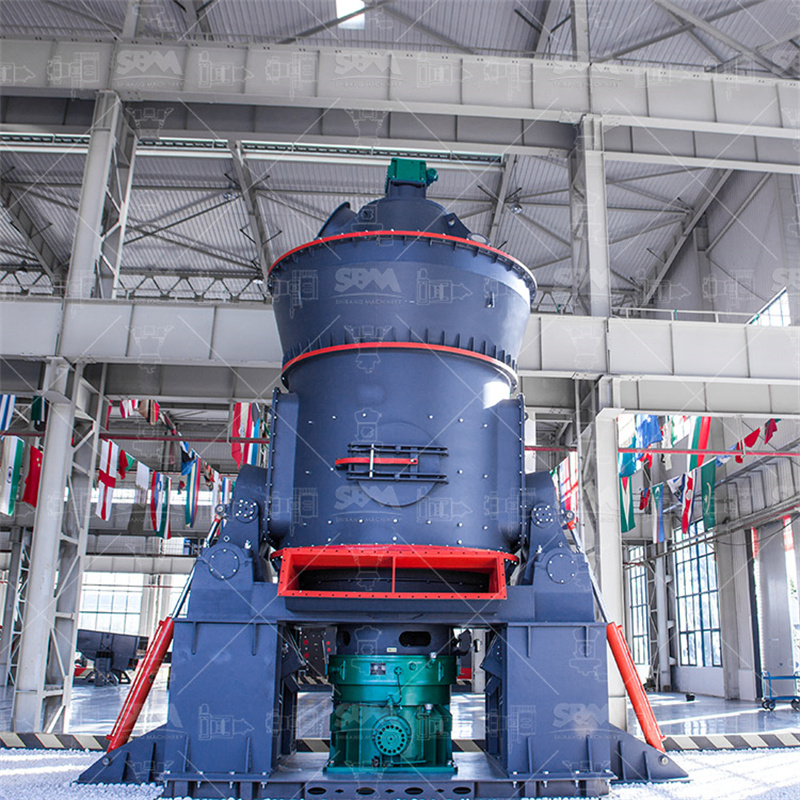
Vertical roller mills (VRMs) are ideal for 200-mesh dolomite grinding because they integrate grinding, drying, and classification in a single unit. The LM Series Vertical Roller Mill from our company uses a grinding table and rollers to crush material under controlled pressure. This design ensures a uniform particle size distribution with minimal fines generation. For 200-mesh dolomite, the LM130K or LM150K model can process 10 to 38 tons per hour, depending on feed size and desired fineness. The VRM’s dynamic classifier allows precise adjustment, ensuring that more than 90% of the product passes through a 200-mesh screen.
Pendulum Mills for High-Capacity Grinding
For operations requiring even higher throughput, pendulum mills like the MRN Pendulum Mill offer exceptional performance. The MRN series uses rollers swinging on a central spindle to grind material against a stationary ring. This design provides a large grinding area and high centrifugal force, making it suitable for 200-mesh dolomite powder production at capacities up to 83 tons per hour. The MRN158, with a main power of 132kW, can produce 7 to 21 tons per hour of 200-mesh powder, while the larger MRN218 model reaches 15 to 45 tons per hour. These mills feature thin oil lubrication systems that reduce maintenance downtime and square-pipe collectors that minimize resistance and energy consumption.
Processing Solutions for High-Grade Dolomite
Beyond the mill itself, several auxiliary components are critical for achieving high-grade 200-mesh output. First, a reliable feeding system, such as a vibrating feeder, ensures consistent material flow into the grinding chamber. Second, a pulse dust collector captures fine particles and maintains a clean working environment—our systems achieve emission levels below 20 mg/Nm³. Third, an intelligent control system monitors variables like mill load, classifier speed, and product fineness in real time, allowing automatic adjustments to maintain quality.
Particle Classification Technology
The classification system is the heart of any 200-mesh grinding operation. Our vertical turbine classifier, used in both the LM and MRN series, achieves precise size cutting. By adjusting the rotor speed, operators can achieve a sharp cut at 74 microns, ensuring no oversized particles contaminate the final product. This is particularly important for applications like flooring, where coarse grains can cause surface defects. The classifier also reduces energy consumption by returning oversized material to the grinding zone, improving overall mill efficiency.
Case Study: Optimizing a 200-Mesh Dolomite Plant
Consider a plant processing 15 tons per hour of 200-mesh dolomite powder. A recommended configuration includes a primary jaw crusher reducing feed to ≤20mm, followed by a SCM Series Ultrafine Mill for final grinding. The SCM series, with its three-layer grinding ring design, can achieve 325-2500 mesh fineness, making it more than capable of 200-mesh requirements. For this capacity, the SCM1000 model (1.0-8.5 t/h) might be paired with a pre-grinding unit. Alternatively, for a single-stage solution, the MTW Series European Trapezium Mill offers capacities up to 45 t/h with 30-325 mesh output. The MTW215G model, with a main power of 280kW, is particularly effective for large-scale operations.
Recommended Product: SCM Series Ultrafine Mill for Precision 200-Mesh Grinding
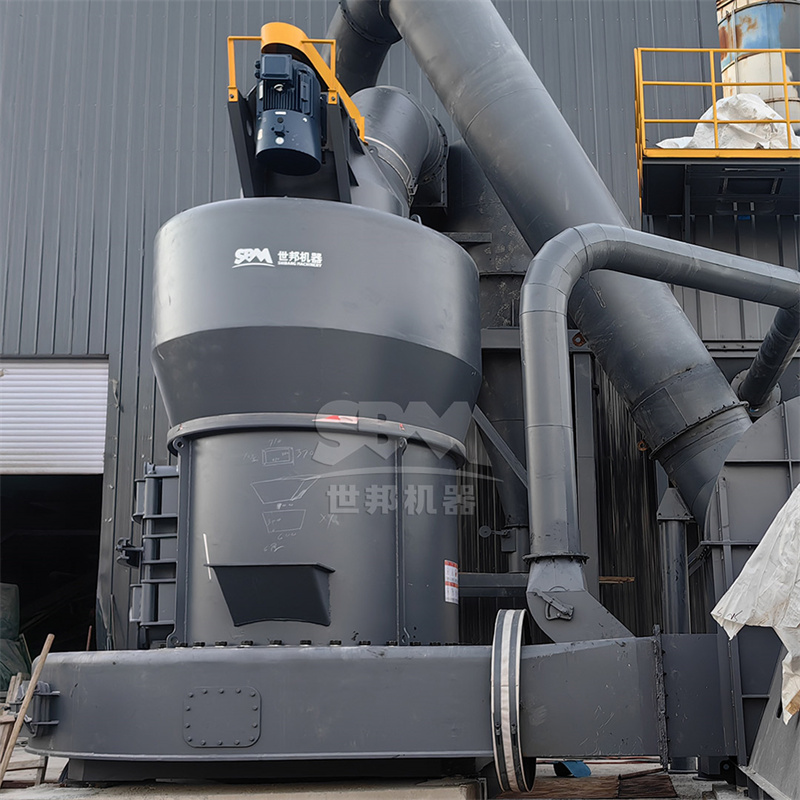
For manufacturers seeking the highest precision and energy efficiency in 200-mesh dolomite powder production, we strongly recommend the SCM Series Ultrafine Mill. This mill delivers output fineness from 325 to 2500 mesh (5-45 microns), easily surpassing the 200-mesh standard. Its capacity ranges from 0.5 to 25 tons per hour, depending on the model (SCM800 to SCM1680). Key advantages include:
- Double the capacity of jet mills with 30% lower energy consumption.
- High-precision vertical turbine classifier that eliminates coarse powder mixing.
- Durable rollers and rings made from special materials, extending service life several times over.
- Eco-friendly operation with pulse dust collection and soundproofing for noise levels below 85dB.
The SCM mill’s automatic feedback system adjusts parameters in real time to maintain consistent product quality, making it ideal for continuous 200-mesh production. For plants with lower capacity needs, the SCM800 model (0.5-4.5 t/h) provides an economical entry point, while the SCM1680 supports large-scale operations up to 25 t/h.
Energy Efficiency and Environmental Compliance
Modern dolomite powder plants must minimize energy costs and environmental impact. Our grinding solutions address both concerns. The LM Series Vertical Roller Mill reduces energy consumption by 30-40% compared to traditional ball mill systems, thanks to its bed-grinding principle. The MTW Series features an optimized arc air duct that reduces airflow energy loss, while the MRN Pendulum Mill uses an isolated cyclone to reduce system resistance. All our mills are equipped with pulse dust collectors that meet international emission standards, and sealed negative-pressure operation prevents dust leakage.
Conclusion: Building a High-Grade 200-Mesh Dolomite Line
Producing high-grade 200-mesh dolomite powder efficiently requires a combination of advanced grinding technology, precise classification, and intelligent control. Whether you choose the SCM Ultrafine Mill for ultra-fine output, the MTW European Trapezium Mill for large capacity, or the LM Vertical Roller Mill for integrated processing, our equipment is designed to deliver consistent quality with lower operating costs. We invite you to contact our engineering team to design a customized solution that meets your specific production goals. With proper configuration and our proven machines, achieving 200-mesh dolomite powder at high throughput is not just possible—it is profitable.