
Introduction
In the modern cement industry, the grinding of limestone—the primary raw material—is a critical step that directly impacts production efficiency, product quality, and overall operational costs. Achieving a consistent 200-mesh (approximately 74 microns) fineness with high yield is a benchmark for many cement plants. To meet these demands, selecting the right grinding equipment is paramount. This article explores the technical requirements, challenges, and optimal solutions for high-yield limestone grinding, focusing on advanced mill technologies that deliver superior efficiency, durability, and precision.
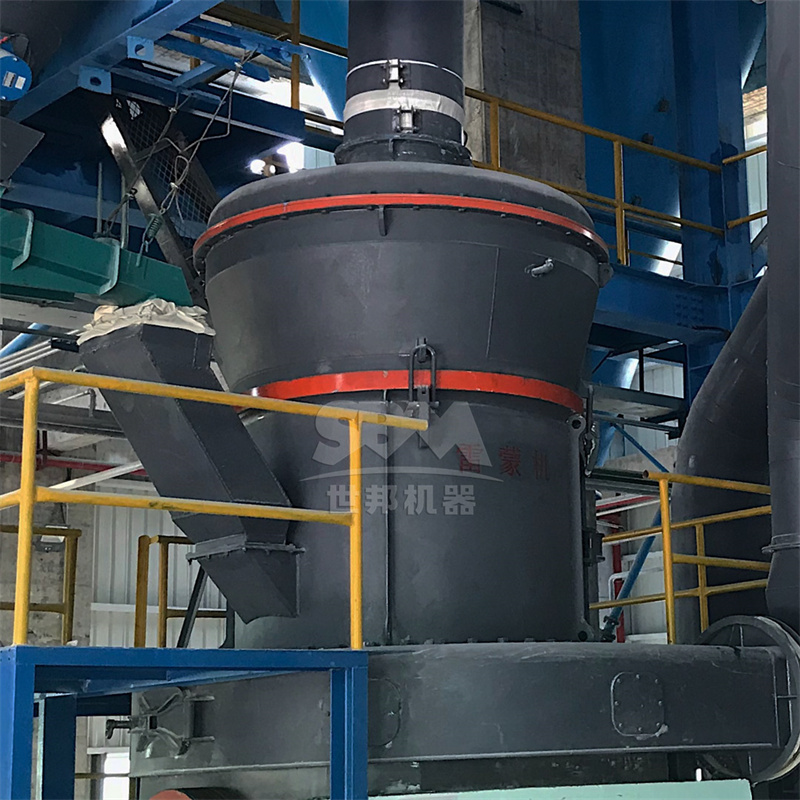
The Challenge of High-Yield 200-Mesh Limestone Grinding
Limestone, while relatively soft on the Mohs scale (3-4), presents unique challenges when processed at high volumes. The target of 200-mesh requires a fine balance between throughput and energy consumption. Traditional ball mills, while reliable, often suffer from high energy costs and large floor space requirements. Modern cement plants demand equipment that not only meets the fineness specification but also operates with lower energy consumption, reduced maintenance downtime, and a smaller environmental footprint. Key performance indicators (KPIs) for successful high-yield grinding include:
- Specific Energy Consumption (kWh/t): Lower is better to reduce operational expenses.
- Throughput (t/h): Must align with the plant’s clinker production capacity.
- Product Uniformity: Consistent particle size distribution (PSD) is crucial for cement quality.
- Wear Part Life: Extended intervals between maintenance reduce costs and increase uptime.
Advanced Vertical Roller Mill Technology for Cement Raw Materials
Among the various technologies available, the Vertical Roller Mill (VRM) has emerged as the industry standard for grinding cement raw materials, including limestone. Its integrated design combines crushing, grinding, and classification into a single unit, significantly reducing the footprint by up to 50%% compared to traditional ball mill systems. This not only saves capital on civil works but also allows for outdoor installation, reducing infrastructure costs by an estimated 40%%.
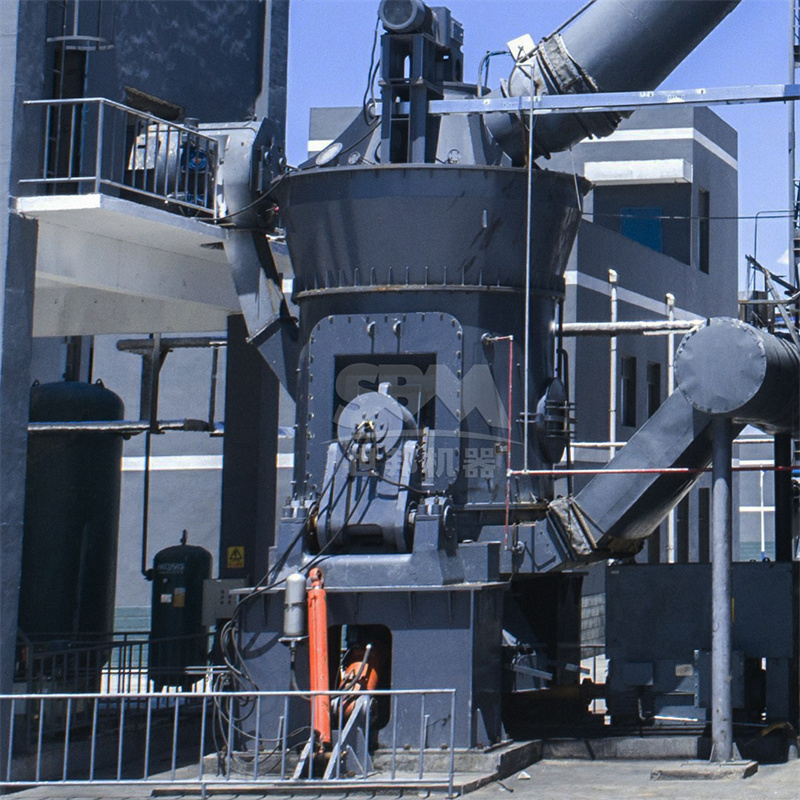
Our LM Series Vertical Roller Mill exemplifies this advanced technology. Designed for feed sizes up to 50mm, it can achieve a fineness of 30-325 mesh, perfectly covering the 200-mesh requirement. The non-contact design between the grinding rollers and the table is a game-changer; it eliminates metal-to-metal contact which extends the life of wear parts by up to three times. Furthermore, the energy consumption of the LM series is 30-40%% lower than that of traditional ball mill systems, directly contributing to a lower cost per ton of finished product.
Intelligent Control and Environmental Compliance
Modern high-yield grinding is not just about mechanics; it is also about intelligence. The LM Series is equipped with an expert-level auto-control system that supports both remote and local operation. Real-time monitoring of critical parameters such as grinding pressure, table vibration, and classifier speed ensures optimal performance with minimal manual intervention. This intelligent system automatically adjusts to variations in limestone feed characteristics, maintaining a stable 200-mesh output even under fluctuating conditions.
Environmental compliance is another non-negotiable aspect. The fully sealed, negative-pressure operation of the LM Vertical Roller Mill ensures that dust emissions are virtually zero. The operating noise is also kept well below industry thresholds, creating a safer and more comfortable working environment. This aligns with global trends towards greener cement production.
High-Precision Classification for Uniform End Product
Achieving the exact 200-mesh specification without coarse particles mixing in is a hallmark of superior grinding technology. For applications demanding ultrafine products or the highest precision, we recommend our SCM Series Ultrafine Mill. While primarily designed for finer outputs (325-2500 mesh), its vertical turbine classifier technology is unparalleled for precise particle size cutting. The SCM series can handle feed sizes up to 20mm and offers a capacity range of 0.5-25 tons per hour, depending on the model.
The key advantage of the SCM series is its ability to deliver capacity that is 2 times higher than jet mills while consuming 30%% less energy. The intelligent control system provides automatic feedback on finished product granularity, allowing for real-time adjustments. The special material used for the rollers and rings extends their service life several times over, while the shaftless screw grinding chamber ensures stable and reliable operation. This makes the SCM Ultrafine Mill an ideal choice for cement plants that produce high-value, finely ground additives or special cements.
Durable Design and Reduced Operating Costs
Every component in a high-yield grinding system must be built to last. The LM Series features a modular grinding roller assembly with a quick-change system that dramatically reduces maintenance downtime. The dynamic classifier allows for multi-stage adjustment of the fineness, providing operational flexibility. Additionally, the hot air circulation energy-saving system within the mill reduces the overall thermal energy requirement for drying the raw materials.
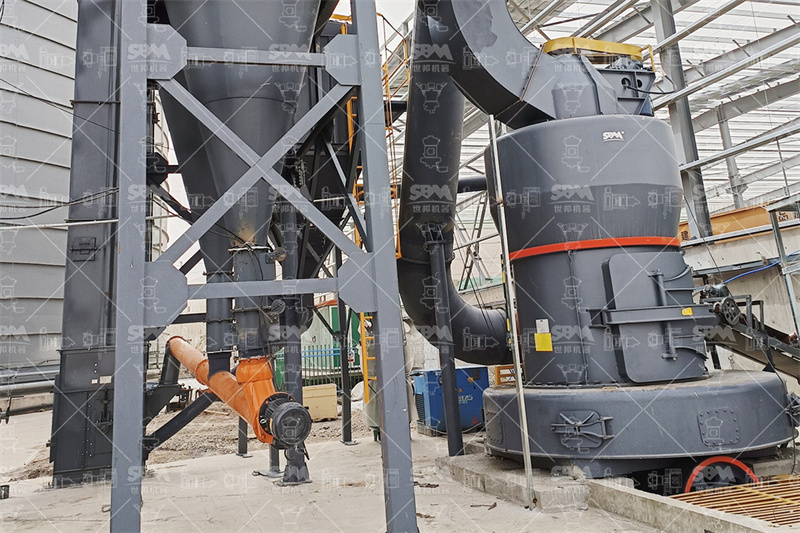
For larger operations seeking to maximize throughput, the LM-Y Vertical Pre-grinding Roller Mill is a formidable option. This system is specifically designed for cement clinker and limestone pre-grinding, with a maximum circulation capacity reaching 800-1000 t/h (for the LM340Y model). By integrating sand-making and grinding functions, it reduces energy consumption by 30-50%% compared to conventional crushing systems. The hydraulic system for quick roller changes ensures that maintenance is swift and efficient, maximizing the plant’s availability.
Conclusion: Optimizing Your Grinding Operation
Selecting the right equipment for efficient 200-mesh limestone cement raw material processing is a strategic decision. The choice between a high-capacity Vertical Roller Mill like the LM Series and a high-precision mill like the SCM Series Ultrafine Mill depends on the specific needs of your operation. For mainstream raw meal production, the LM series offers the best balance of throughput, energy efficiency, and low operating costs. For applications requiring ultra-high fineness or specialized products, the SCM series provides unmatched precision and classification.
By investing in advanced mill technology with intelligent control, durable design, and environmental compliance, cement producers can achieve the high-yield, 200-mesh grinding results necessary to remain competitive in today’s demanding market. The integration of crushing, grinding, and classifying into a single system not only saves space but also streamlines the entire production process, leading to higher profitability and a smaller ecological footprint.