
Introduction
The production of high-purity chemical-grade magnesite powder requires advanced milling technologies that can achieve precise particle size distribution, minimize contamination, and ensure energy efficiency. As industries such as refractory materials, pharmaceuticals, and specialty chemicals demand increasingly stringent specifications, the selection of appropriate grinding equipment becomes critical. This comprehensive guide explores the key technologies behind efficient magnesite powder production and provides a systematic approach to equipment selection for high-purity processing applications.
Understanding Chemical-Grade Magnesite Requirements
Chemical-grade magnesite (MgCO₃) typically requires purity levels exceeding 98% with controlled impurity levels of iron, calcium, and silica. The processing of this material into powder form demands equipment that can maintain product integrity while achieving the required fineness. Applications range from 45μm for basic chemical processing to ultra-fine 5μm grades for advanced ceramic and pharmaceutical uses. The milling process must avoid metallic contamination, control heat generation, and maintain consistent particle size distribution.
Key Technologies in Magnesite Processing
1. High-Efficiency Grinding Mechanisms
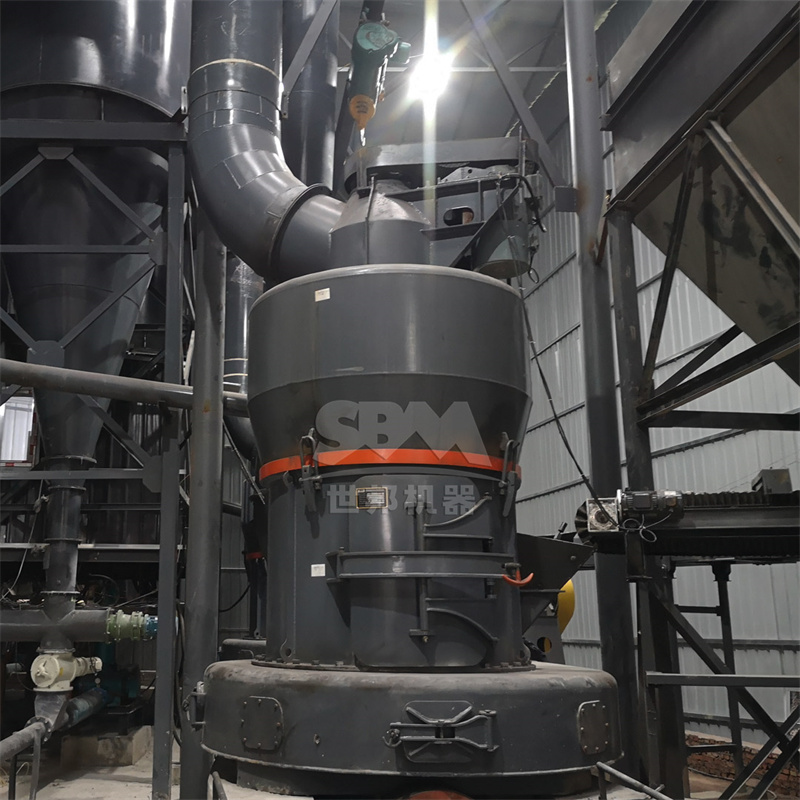
Modern magnesite grinding equipment employs various grinding principles to achieve optimal results. The roller-ring grinding mechanism, as utilized in trapezium and medium-speed mills, provides excellent material bed formation and efficient size reduction. For ultra-fine applications, vertical roller mills with specialized roller and liner geometries deliver superior grinding efficiency while maintaining product quality.
2. Precision Classification Systems
Accurate particle size classification is essential for chemical-grade magnesite production. Advanced dynamic classifiers with multi-stage adjustment capabilities enable precise cut points and prevent coarse particle contamination. Vertical turbine classifiers, in particular, offer superior classification efficiency with minimal energy consumption. These systems can achieve sharp particle size distributions essential for high-value chemical applications.
3. Intelligent Process Control
Modern milling systems incorporate intelligent control technologies that automatically adjust operating parameters to maintain consistent product quality. Real-time monitoring of fineness, temperature, and power consumption enables predictive maintenance and optimal energy utilization. Expert control systems can reduce manual intervention by up to 60% while improving product consistency.
4. Contamination Prevention Technologies
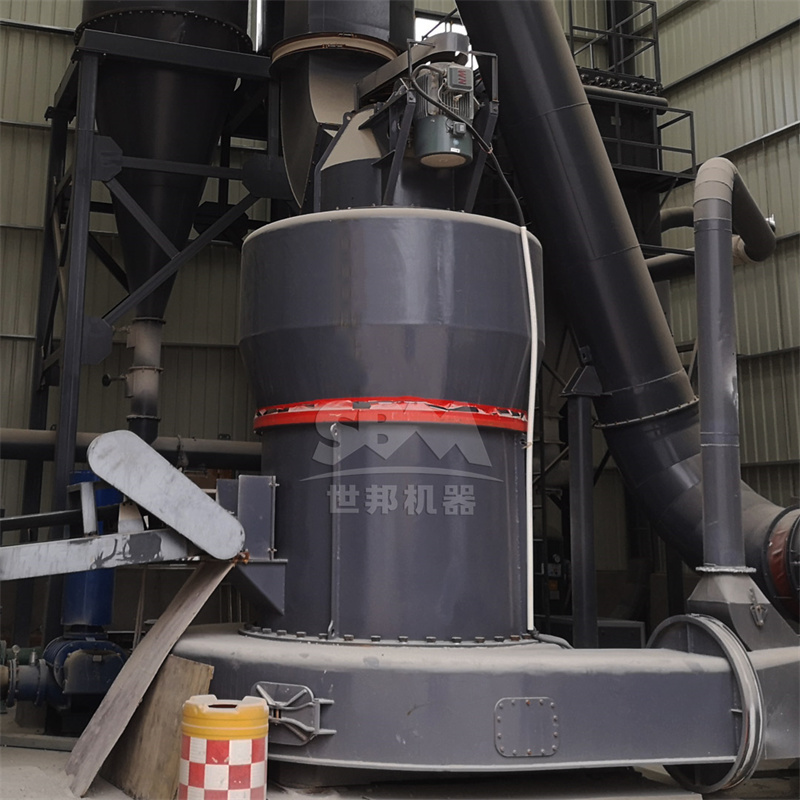
For high-purity magnesite processing, equipment design must minimize metallic contamination. Special wear-resistant materials for grinding components, ceramic liners, and non-contact sealing systems help maintain product purity. Some advanced mills incorporate ceramic grinding rollers and rings that eliminate iron contamination entirely. Additionally, negative pressure operation prevents external contamination while containing dust emissions.
Equipment Selection Guide for Chemical-Grade Magnesite
Selecting the right milling equipment for chemical-grade magnesite requires careful consideration of several factors:
Production Capacity Requirements
For small to medium-scale operations requiring 0.5-25 tons per hour of ultra-fine powder (325-2500 mesh), the SCM Series Ultrafine Mill offers exceptional performance. Its capacity is twice that of jet mills while consuming 30% less energy, making it ideal for high-value chemical applications. The SCM1250 model, with a capacity of 2.5-14 tons per hour and main power of 185kW, provides an excellent balance of productivity and efficiency for chemical-grade magnesite processing.
For larger capacity requirements from 3 to 45 tons per hour at fineness ranges of 30-325 mesh, the MTW Series European Trapezium Mill delivers outstanding results. The MTW215G model handles up to 45 tons per hour with a feed size of up to 50mm, making it suitable for primary processing of magnesite ore. Its optimized arc air duct and integral bevel gear drive achieve transmission efficiency of 98%, significantly reducing operating costs.
Fineness Requirements
Different chemical applications require different fineness levels. For standard chemical-grade magnesite (100-325 mesh, 45-150μm), trapezium mills or vertical roller mills provide cost-effective solutions. For ultra-fine grades requiring 325-2500 mesh (5-45μm), ultrafine mills or specialized vertical roller mills are necessary. The LUM Ultrafine Vertical Roller Mill delivers consistent product quality with precise classifying technology that ensures no coarse particles contaminate the final product.
Energy Efficiency Considerations
Energy costs represent a significant portion of magnesite processing expenses. Equipment selection should prioritize energy-efficient designs. Vertical roller mills typically consume 30-40% less energy than traditional ball mill systems. The bed grinding principle employed in these mills maximizes energy utilization while minimizing heat generation. For pre-grinding applications, the LM-Y series can reduce power consumption by 30-50% compared to conventional systems.
Working Principles of Recommended Equipment
SCM Series Ultrafine Mill Operation
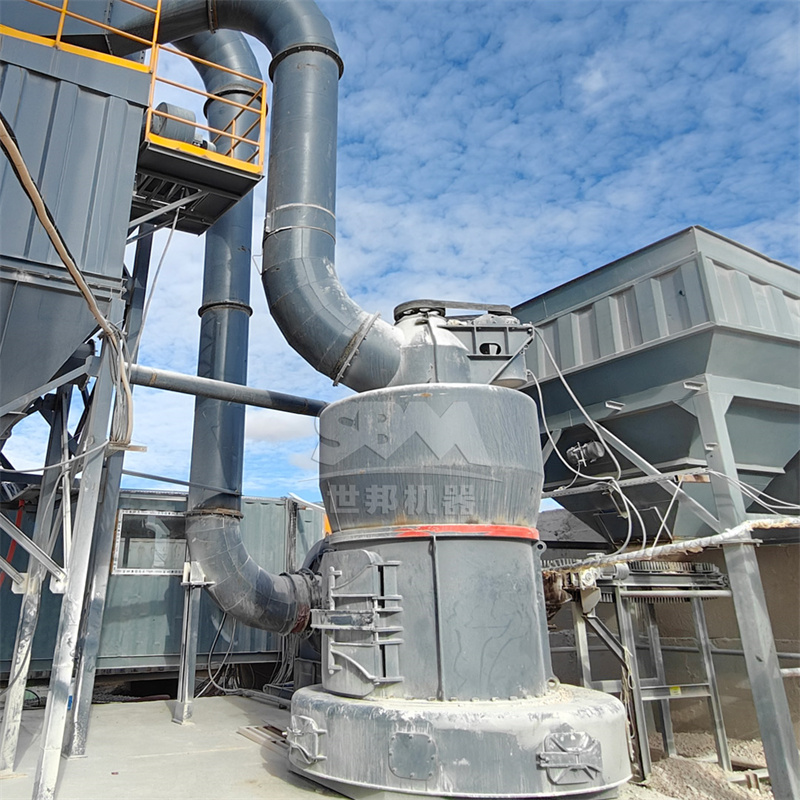
The SCM Series Ultrafine Mill operates on a multi-layer grinding principle where the main motor drives three layers of grinding rings to rotate at high speed. Materials enter the grinding chamber and are dispersed by centrifugal force into the grinding path. Rollers apply pressure to crush the material layer by layer, achieving progressive size reduction. The vertical turbine classifier then separates fine particles from coarse material, with the latter returning for further grinding. The entire system operates under negative pressure, with pulse dust collection ensuring emission-free operation.
MTW Series European Trapezium Mill Operation
The MTW Series features a unique trapezium-shaped grinding roller and ring design that creates an efficient material bed. The main motor drives the grinding rollers to revolve around the central axis while each roller self-rotates, generating centrifugal force. Shovels continuously feed material between the ring and rollers, forming a dense material layer. The bevel gear transmission system ensures smooth power delivery with minimal energy loss. The classification system precisely controls finished product size through adjustable classifier speed and airflow volume.
Environmental and Safety Considerations
Modern magnesite processing equipment incorporates comprehensive environmental protection features. Pulse dust collection systems with efficiency exceeding international standards ensure zero emissions. Soundproof room designs maintain noise levels below 85 decibels, creating safer working environments. Fully sealed negative pressure operation prevents dust leakage while improving workplace safety. These features enable compliance with increasingly stringent environmental regulations worldwide.
Economic Analysis and ROI
Investment in efficient magnesite grinding equipment delivers substantial returns through reduced energy consumption, lower maintenance costs, and improved product quality. The SCM Series, with its 30% lower energy consumption compared to jet mills, can save significant operating costs annually. The MTW Series, with transmission efficiency of 98%, minimizes power losses. Additionally, the extended service life of wear components in modern mills reduces replacement frequency and maintenance downtime. For a typical 10 ton per hour magnesite processing operation, the payback period for advanced milling equipment is typically 12-18 months.
Conclusion
The production of chemical-grade magnesite powder requires careful equipment selection based on specific application requirements. The SCM Series Ultrafine Mill and MTW Series European Trapezium Mill represent advanced solutions for different processing needs, combining high efficiency with exceptional product quality. By understanding key technologies and following systematic selection criteria, processors can achieve optimal results while minimizing operating costs and environmental impact. For specific application requirements and customized solutions, consultation with equipment manufacturers is recommended to determine the most suitable configuration for individual production needs.