
Introduction
In modern agriculture, the quest for sustainable and cost-effective soil amendment solutions has led to the increased utilization of fly ash, a byproduct of coal combustion in power plants. When processed correctly, fly ash can be transformed into a valuable fertilizer additive, improving soil texture, water retention, and providing essential micronutrients like potassium, calcium, and magnesium. However, the key to unlocking these agricultural benefits lies in the efficiency of the processing equipment. Achieving the optimal particle size — whether for direct soil application or as a component in blended fertilizers — requires advanced milling technology. This article explores the critical role of efficient fly ash processing equipment in boosting agricultural productivity and introduces state-of-the-art solutions designed to meet the demands of modern farming.
The Agricultural Potential of Processed Fly Ash
Fly ash is rich in alkaline compounds and trace elements, making it an excellent liming agent and micronutrient supplier. However, raw fly ash often has an inconsistent particle size distribution, which can hinder its effectiveness. Coarse particles are slow to react in the soil, while excessively fine particles may lead to dusting issues during application. By processing fly ash to a uniform fineness — typically between 45 μm and 600 μm (325 to 30 mesh) — agricultural producers can ensure rapid nutrient release and homogeneous blending with other fertilizer components. The milling process also helps to break down agglomerates, increasing the surface area and improving the material’s reactivity. This is where specialized grinding equipment becomes indispensable, transforming a power plant waste product into a high-value agricultural input.
Challenges in Fly Ash Grinding
Fly ash presents unique challenges for grinding equipment. Its abrasive nature, due to the presence of silica and alumina, accelerates wear on grinding components. Additionally, the material’s moisture content and particle morphology can lead to clogging or reduced throughput in poorly designed systems. Traditional ball mills, while robust, often suffer from high energy consumption and inconsistent product fineness. For agricultural applications, where cost-effectiveness is paramount, the industry requires solutions that offer low operating costs, high energy efficiency, and precise particle size control. This necessity drives the adoption of advanced mill technologies specifically engineered for abrasive materials like fly ash.
Advanced Milling Solutions for Fly Ash
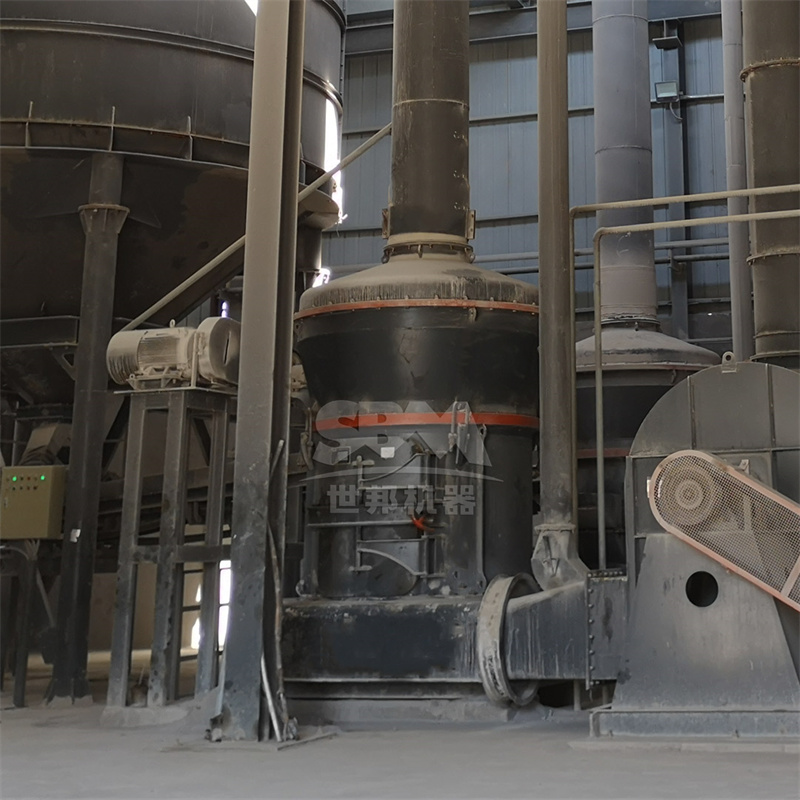
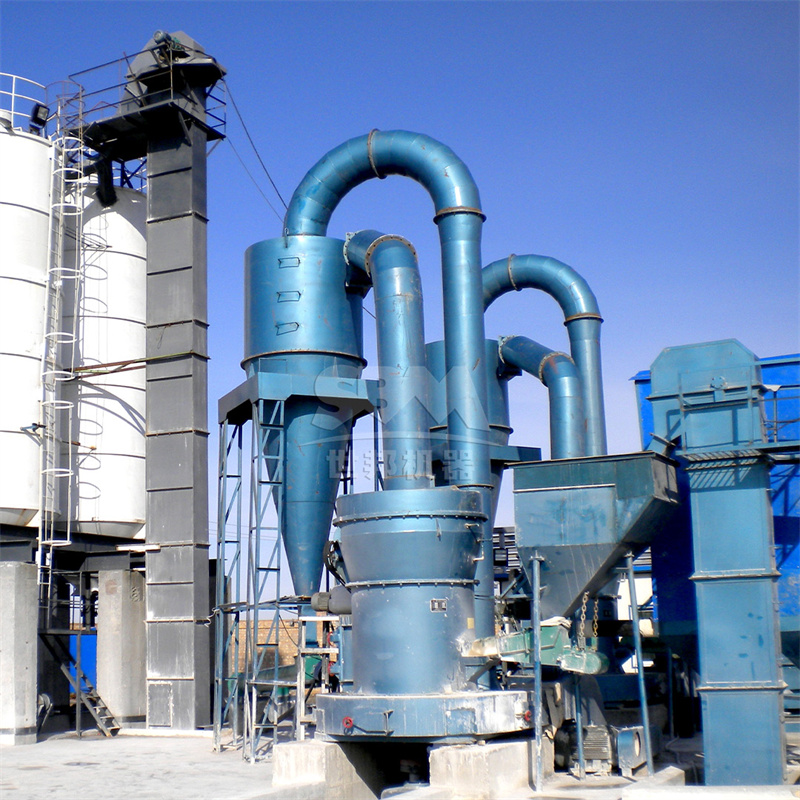
To overcome these challenges, modern milling equipment integrates intelligent control systems, durable wear parts, and optimized grinding principles. Among the most effective solutions for processing fly ash into fertilizer-grade powder is the SCM Series Ultrafine Mill. Designed for output fineness ranging from 325 to 2500 mesh (45-5 μm), this mill is ideal for producing high-value, ultra-fine fly ash that can be used in premium liquid fertilizers or as a highly reactive soil conditioner. Its vertical turbine classifier ensures precise particle size cutting with no coarse powder mixing, guaranteeing uniform agricultural application. With a capacity 2x that of jet mills and 30% lower energy consumption, the SCM Series represents a significant leap in efficiency. Its intelligent control system provides automatic feedback on finished product granularity, reducing manual oversight and ensuring consistent quality batch after batch.

For larger-scale operations that require high throughput and coarser particle sizes (30-325 mesh), the MTW Series European Trapezium Mill is an outstanding choice. This mill can handle feed sizes up to 50mm and deliver capacities from 3 to 45 ton/h. Its anti-wear shovel design and integral bevel gear drive (with transmission efficiency up to 98%) significantly reduce maintenance costs and energy consumption. The optimized arc air duct improves airflow efficiency, while the wear-resistant volute structure lowers maintenance costs by 30%. For agricultural producers processing fly ash for bulk blending or direct soil amendment, the MTW Series offers a perfect balance of durability, capacity, and precision. Both the SCM and MTW series are equipped with pulse dust collection systems that exceed international environmental standards, ensuring eco-friendly operation on the farm or at the processing plant.
Operational and Economic Benefits
Investing in efficient fly ash processing equipment yields substantial economic returns. Reduced energy consumption directly lowers operational costs, while the extended service life of wear parts — such as the special material rollers and rings in the SCM mill — minimizes downtime and replacement expenses. The high-precision classification ensures that every particle meets the required specification, eliminating waste and enhancing the value of the final fertilizer product. Furthermore, the fully sealed negative pressure operation of these mills ensures a clean work environment, reducing dust hazards and complying with increasingly stringent environmental regulations.
Conclusion
As agriculture moves towards more sustainable practices, the efficient processing of fly ash into high-quality fertilizer components is no longer optional — it is a necessity. Advanced milling technologies, such as the SCM Series Ultrafine Mill and the MTW Series European Trapezium Mill, provide the precision, efficiency, and durability required to transform industrial byproducts into agricultural assets. By investing in these solutions, fertilizer producers can enhance product quality, reduce costs, and contribute to a circular economy where waste becomes a resource for growing the world’s food supply. The future of agricultural productivity is rooted in smart processing, and these mills stand at the forefront of that revolution.