
Introduction: The Growing Demand for Glass Waste Recycling
Glass waste is one of the most challenging yet valuable materials in the modern recycling industry. With millions of tons of glass discarded annually from households, commercial buildings, and industrial facilities, efficient processing equipment has become essential for turning waste into reusable resources. Whether it’s crushed glass for new container manufacturing, fine glass powder for construction materials, or ultra-fine glass for industrial applications, the quality of the final product depends heavily on the crushing and grinding equipment used. This article explores the key solutions available for glass waste processing, focusing on efficiency, precision, and sustainability.
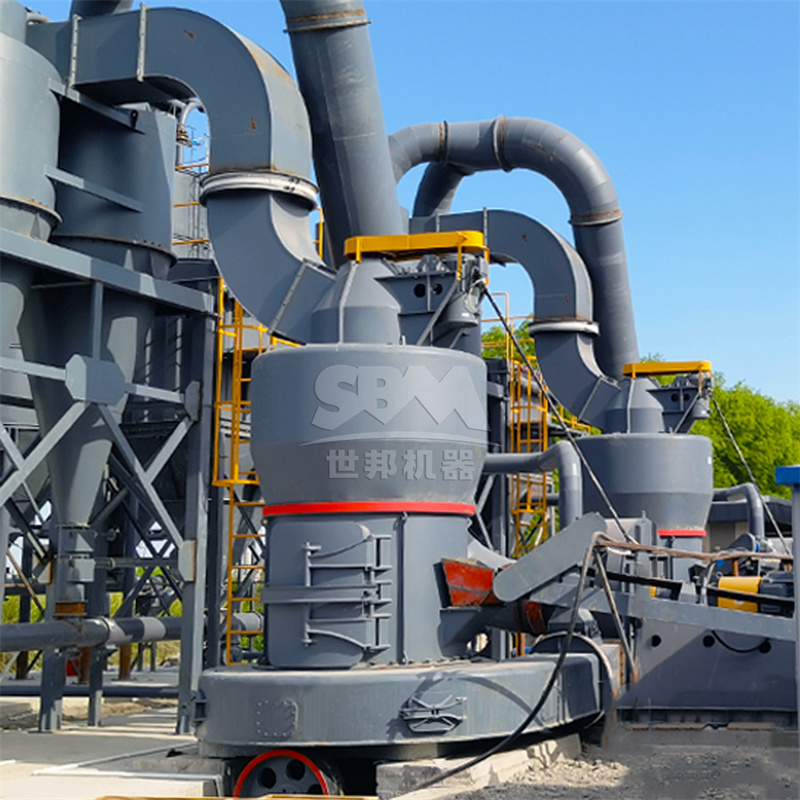
Understanding Glass Waste Characteristics
Before selecting processing equipment, it’s crucial to understand the unique properties of glass waste. Glass is hard, brittle, and abrasive, requiring specialized machinery that can handle these characteristics without excessive wear. Common glass waste forms include:
- Container glass – bottles and jars from municipal recycling
- Flat glass – windows, mirrors, and automotive glass
- Industrial glass – laboratory glassware and specialized glass products
Each type has different contamination levels and physical properties, influencing the choice of crushing and grinding technology.
Primary Crushing: Breaking Down Large Glass Pieces
The first step in glass waste processing is primary crushing, which reduces large pieces to manageable sizes. Hammer mills are particularly effective for this stage due to their high capacity and ability to handle feed sizes up to 40mm while producing output as fine as 0-3mm. The PC4015-132 hammer mill, for example, can process 40-70 tons per hour, making it ideal for large-scale recycling operations.
Key considerations for primary crushers include wear-resistant components, as glass is highly abrasive. High manganese steel liners and optimized crushing cavities ensure long service life and consistent performance.
Secondary Grinding: Achieving Required Particle Sizes
After primary crushing, glass particles typically need further reduction to meet specific application requirements. The choice of grinding equipment depends on the desired fineness:
Medium-Size Grinding (30-325 mesh)
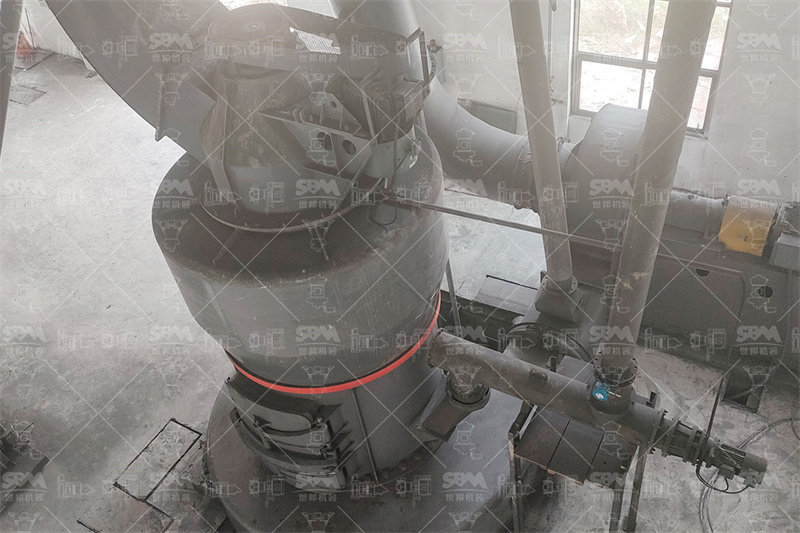
For applications like glass aggregate in concrete or abrasives, the MTW Series European Trapezium Mill offers exceptional performance. With feed sizes up to 50mm and capacities ranging from 3 to 45 tons per hour, this mill provides precise control over particle size distribution. The integral bevel gear drive achieves 98% transmission efficiency, while the anti-wear shovel design reduces maintenance costs significantly.
Recommended Product: MTW Series European Trapezium Mill – The MTW215G model offers the highest capacity at 15-45 tons per hour, with fineness adjustable from 10 to 325 mesh. Its patented internal suction oil lubrication system and advanced pulse dust removal technology make it particularly suitable for glass recycling operations.
Fine and Ultrafine Grinding (325-2500 mesh)
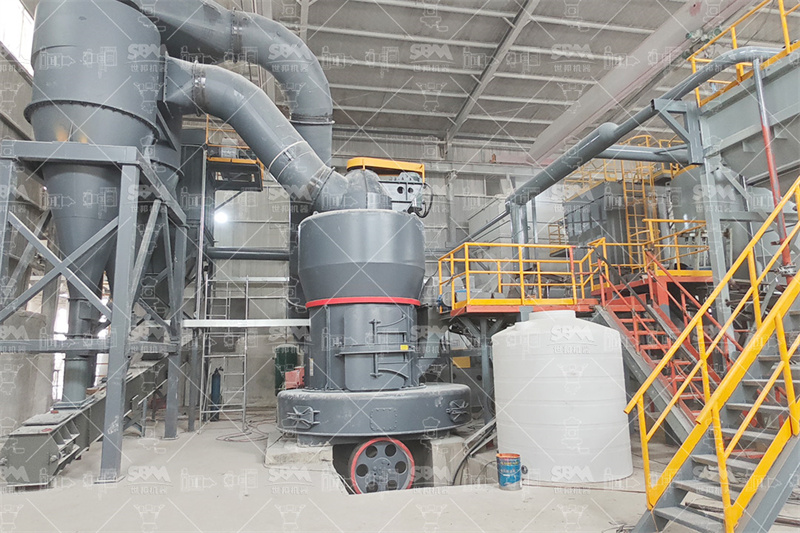
When glass needs to be processed into ultra-fine powders for applications such as glass-ceramic composites, coatings, or high-performance fillers, the SCM Series Ultrafine Mill is the optimal solution. This mill can achieve fineness from 325 to 2500 mesh (5-45 microns), with capacity ranging from 0.5 to 25 tons per hour depending on the model.
Recommended Product: SCM Series Ultrafine Mill – The SCM1680 model delivers the highest capacity at 5.0-25 tons per hour, with feed size up to 20mm. Its vertical turbine classifier ensures precise particle size cutting with no coarse powder mixing, while intelligent control provides automatic finished product granularity feedback. The special material rollers and rings extend service life several times over, making it highly cost-effective for continuous glass processing operations.
Key Technical Features for Glass Processing
Modern glass waste processing equipment incorporates several critical technologies:
Precision Classification Systems
Accurate particle size control is essential for glass recycling applications. The vertical turbine classifier used in SCM series mills achieves precise particle size cutting without coarse powder contamination. Similarly, the multi-stage adjustment technology in dynamic classifiers ensures consistent product quality regardless of feed variations.
Wear-Resistant Design
Glass is extremely abrasive, causing rapid wear on standard equipment. Special material rollers and rings, combined with shaftless screw grinding chambers, significantly extend service life. The LM series vertical roller mills feature non-contact design between rollers and table, increasing wear part life by up to 3 times compared to conventional designs.
Energy Efficiency and Environmental Compliance
Energy consumption accounts for a significant portion of operating costs in glass processing. The SCM series achieves 30% lower energy consumption than jet mills while delivering twice the capacity. Additionally, pulse dust collection systems ensure emissions exceed international environmental standards, with soundproof room designs maintaining noise levels below 85 decibels.
Application-Specific Solutions
Glass Powder for Construction Materials
Crushed glass is increasingly used as a partial replacement for sand in concrete, asphalt, and construction fill. The MTW series mill produces consistent 30-100 mesh powder ideal for these applications. The LM series vertical roller mill, with its integrated design combining crushing, grinding, and selection in one system, reduces floor space by 50% and infrastructure costs by 40%.
Ultra-Fine Glass for Industrial Uses
For applications requiring micron-grade glass powder, such as ceramic glazes, wear-resistant coatings, or specialty fillers, the SCM ultrafine mill can produce particles down to 5 microns. The intelligent control system ensures consistent quality through automatic granularity feedback, while the eco-friendly design meets strict environmental regulations.
Large-Scale Continuous Processing
High-volume glass recycling operations benefit from the LM series vertical roller mill, which can process up to 250 tons per hour for certain models. The expert-level auto-control system supports remote and local switching, with real-time monitoring of operational parameters to minimize manual intervention.
Conclusion: Choosing the Right Equipment
Efficient glass waste processing requires matching equipment capabilities to specific application requirements. For medium-fineness applications (30-325 mesh) with high throughput, the MTW series offers an excellent balance of capacity, precision, and durability. For ultra-fine processing (325-2500 mesh), the SCM series delivers superior performance with its advanced classification system and energy-saving design. Both series incorporate the latest technologies in wear resistance, environmental compliance, and intelligent control, ensuring that glass waste can be transformed into valuable resources efficiently and sustainably.
By investing in professional glass processing equipment, recycling facilities can achieve higher product quality, reduce operating costs, and meet increasingly stringent environmental standards. The future of glass recycling lies in advanced milling technology that maximizes resource recovery while minimizing environmental impact.