
Introduction: The Critical Role of Molybdenum in Petroleum Catalysis
Molybdenum (Mo) is an indispensable element in the modern petroleum refining industry. As a key component of hydrodesulfurization (HDS), hydrodenitrogenation (HDN), and hydrocracking catalysts, molybdenum-based catalysts (typically MoS₂ promoted by cobalt or nickel) are essential for producing clean fuels by removing sulfur, nitrogen, and other impurities. The performance of these catalysts is directly linked to the physical and chemical properties of the molybdenum raw material, particularly its purity, specific surface area, and particle size distribution. To achieve optimal catalytic activity and selectivity, the molybdenum ore (primarily molybdenite, MoS₂) must be processed into a fine, uniform powder with precise particle size control. This article explores the specialized milling equipment required for this demanding application and highlights advanced solutions that deliver superior efficiency and product quality.
The Unique Challenges of Molybdenum Ore Processing
Molybdenum ore presents several challenges for grinding operations. Firstly, the ore is often associated with other minerals like chalcopyrite, pyrite, and various gangue materials, requiring a grinding process that effectively liberates the molybdenite without over-grinding. Over-grinding can lead to the generation of slimes, which complicate downstream flotation and purification steps. Secondly, achieving the ultra-fine particle sizes (often down to 5-45 microns, or 325-2500 mesh) required for high-performance catalyst support is energy-intensive. Traditional ball mills or jet mills can be inefficient for this task, suffering from high energy consumption and inconsistent product fineness. Thirdly, the wear resistance of the milling equipment is critical, as molybdenum is a hard and abrasive mineral. Equipment must be designed for longevity to minimize downtime and maintenance costs, which are major factors in the operational economics of a mineral processing plant.
Evolution of Grinding Technology: From Ball Mills to Ultrafine Mills
Historically, ball mills were the workhorses for primary and secondary grinding in molybdenum processing. While they are robust and reliable, their limitations in producing ultra-fine powders with narrow particle size distributions are well documented. The energy required to achieve a product fineness of 325 mesh or finer in a ball mill is significantly higher than in modern vertical roller mills or ultrafine mills. Furthermore, the classification efficiency in a ball mill circuit is often poor, leading to a build-up of coarse particles in the circulating load. This has driven the industry towards more advanced technologies, such as the jet mill and the vertical roller mill. Among these, the ultrafine vertical roller mill has emerged as a superior solution, offering a unique combination of high grinding efficiency, precise classification, and low operating costs. Specifically, the SCM Series Ultrafine Mill has been engineered to meet these exacting standards.
High-Efficiency Ultrafine Grinding for Catalyst-Grade Molybdenum
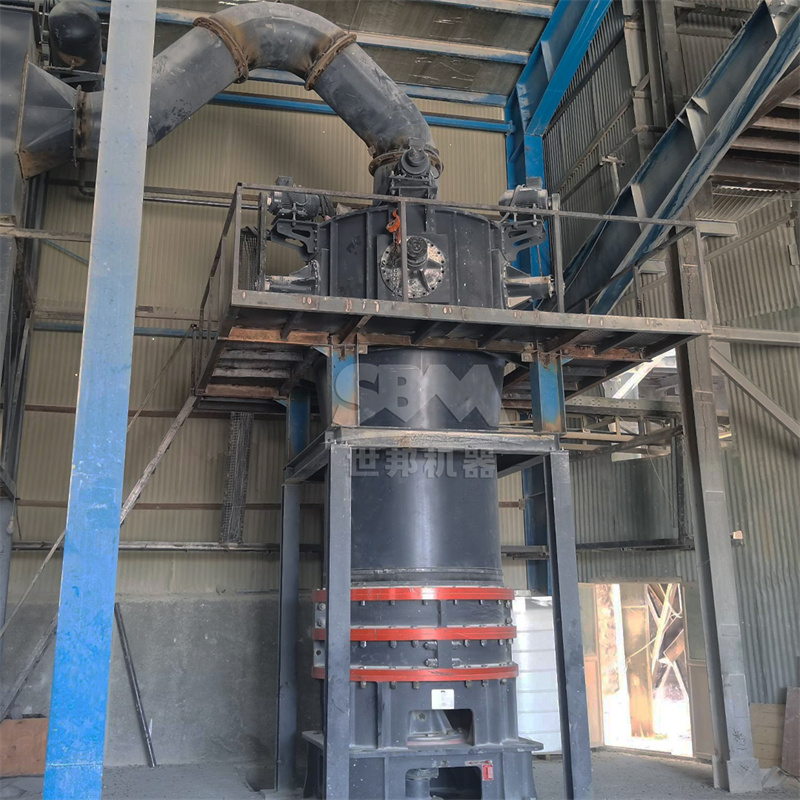
The production of molybdenum powder for catalysts demands a particle size typically in the range of 10 to 45 microns (approx. 325-1250 mesh). At this scale, traditional grinding methods become increasingly inefficient. The SCM Series Ultrafine Mill is ideally suited for this task. With an output fineness ranging from 325 to 2500 mesh (45-5 microns) and a capacity from 0.5 to 25 tons per hour, it offers the precision and throughput required for large-scale catalyst production. The mill operates on a principle of layered grinding, where the main motor drives three layers of grinding rings. Materials are dispersed into the grinding path by centrifugal force and crushed by roller pressure. This method ensures a uniform particle size distribution and minimizes the generation of ultra-fine dust, which can be detrimental to catalyst performance. The key technical advantage lies in its high efficiency. The SCM mill offers a capacity that is twice that of traditional jet mills, while consuming 30% less energy. This is a critical economic factor in an industry where energy costs represent a significant portion of the overall processing budget. The intelligent control system with automatic finished product granularity feedback ensures consistent product quality, a non-negotiable requirement for catalyst manufacturers.
Precision Classification: The Key to Consistent Catalyst Performance
In catalyst production, the consistency of particle size is as important as the size itself. A wide distribution of particle sizes can lead to uneven catalyst loading, poor flow characteristics in the reactor, and inconsistent catalytic activity. The SCM Series Ultrafine Mill addresses this through its high-precision vertical turbine classifier. Unlike traditional classifiers that can allow coarse powder to mix with the fine product, the SCM’s classifier achieves a precise particle size cut. It ensures no coarse powder mixing, resulting in a uniformly graded final product. This is crucial for molybdenum catalysts, where the active sites are dependant on the surface area of the molybdenum disulfide crystals. By providing a consistent particle size, the mill maximizes the usable surface area per unit mass of material. This classification precision is not just about product quality; it also improves the efficiency of the entire grinding circuit by preventing the energy waste of re-grinding already fine material.
Durability and Long Service Life in Abrasive Environments
Given the abrasive nature of molybdenum ore, the durability of the milling equipment is paramount. Frequent shutdowns for roller and ring replacement can cripple productivity. The SCM Series is designed with durability as a core principle. It utilizes special material rollers and rings that are engineered to extend their service life several times over compared to standard materials. This is achieved through advanced metallurgy and heat treatment processes. The shaftless screw grinding chamber is another innovative feature that contributes to stable operation. By eliminating the central shaft in the grinding chamber, the design reduces the risk of mechanical failure and simplifies maintenance. For applications where coarser feed sizes (up to 50mm) are encountered, such as in primary or secondary grinding stages, the MTW Series European Trapezium Mill provides a robust and efficient solution. The MTW mill features an anti-wear shovel design and a curved design for the grinding roller, which are specifically developed to combat the wear from crushing larger ore particles.
MTW Series: The Workhorse for Coarser Grinding Stages
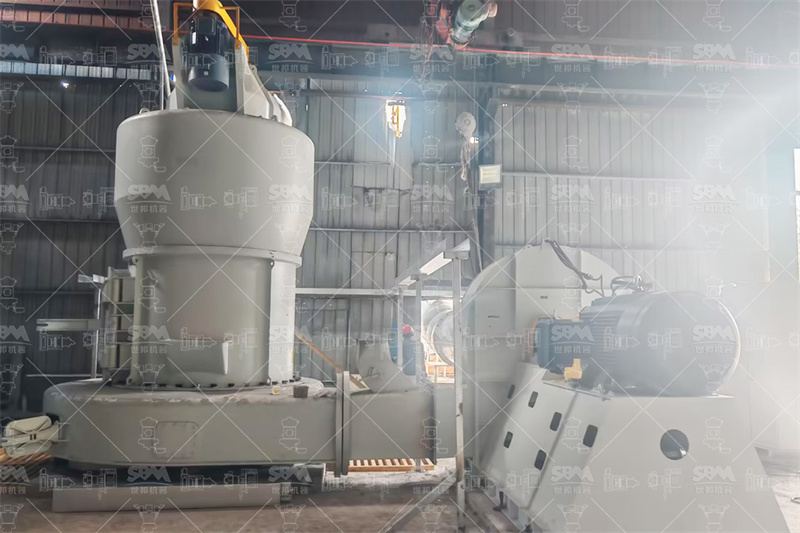
While the SCM mill excels in the final ultra-fine grinding stage, the MTW Series European Trapezium Mill is an excellent choice for the primary and secondary grinding steps, where the product fineness target is between 30 and 325 mesh (600-45 microns). For instance, if a molybdenum concentrate needs to be milled to a D90 of 200 mesh (74 microns) before being fed into a chemical conversion process, the MTW series offers high capacity (3-45 ton/h) and low operating costs. Its integral bevel gear drive achieves a transmission efficiency of up to 98%, saving energy and space. The optimized arc air duct reduces airflow resistance, while the wear-resistant volute structure reduces maintenance costs by 30%. The MTW mill’s robust construction makes it ideal for handling the heavy, abrasive feed encountered in initial processing stages, providing a reliable foundation for the entire grinding circuit.
Eco-Friendly Operation and Compliance
Environmental regulations in the mining and minerals processing industry are becoming increasingly stringent. Modern grinding equipment must not only be efficient but also environmentally friendly. Both the SCM and MTW series mills are designed with a strong emphasis on eco-friendliness and low noise operation. The SCM mill features a pulse dust collection system with an efficiency that exceeds international standards. This is critical for capturing fine molybdenum dust, which is a valuable product but also a potential respiratory hazard. The soundproof room design ensures that noise levels remain within acceptable limits, creating a safer and more comfortable working environment for plant operators. The fully sealed, negative pressure operation of these mills minimizes the risk of dust leakage, ensuring that the plant remains clean and compliant with environmental permits. This holistic approach to design, combining high efficiency with environmental stewardship, is a hallmark of modern industrial equipment.
Integrated Solutions and Intelligent Control
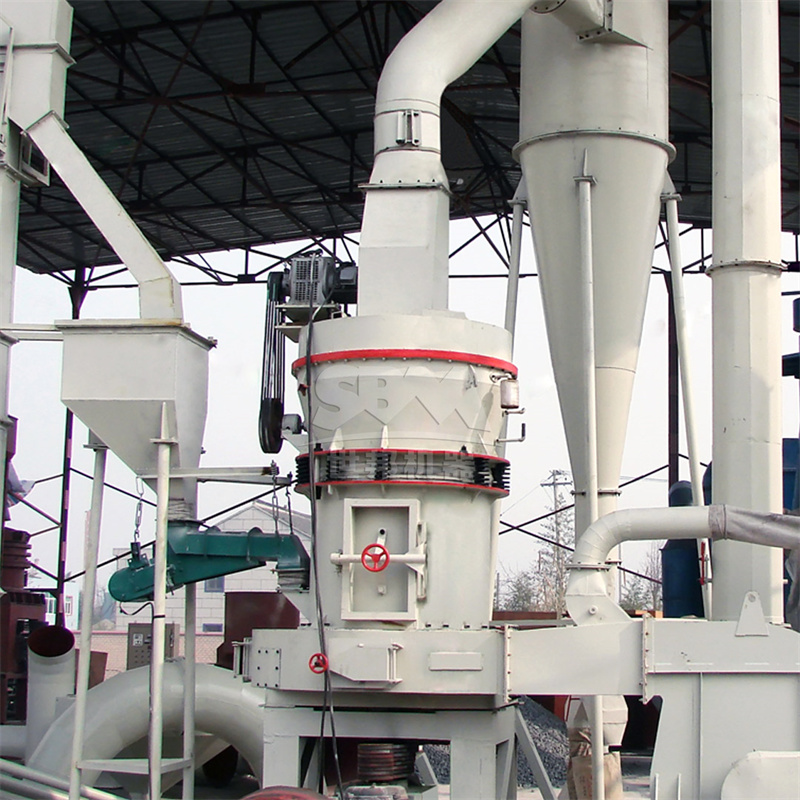
The modern mineral processing plant benefits from integrated systems that can be monitored and controlled remotely. The SCM and MTW series mills are compatible with expert-level automatic control systems. These systems can monitor parameters such as motor load, grinding pressure, classifier speed, and air flow in real-time, automatically adjusting them to maintain optimal grinding conditions. This reduces the need for manual intervention and ensures consistent product quality, even as the feed material characteristics vary. For an application as critical as catalyst production, this level of control is invaluable. It allows manufacturers to reliably produce molybdenum powder that meets the stringent specifications required by their customers, batch after batch. The combination of our two flagship products—the SCM Series Ultrafine Mill for the final, ultra-fine grinding stage, and the MTW Series European Trapezium Mill for the coarser, high-capacity stage—provides a complete, synergistic solution for the molybdenum processing industry.
Conclusion: The Optimal Choice for the Catalyst Industry
In conclusion, the production of high-performance petroleum catalysts relies on the precise and efficient processing of molybdenum ore. The challenges of achieving ultra-fine particle sizes, managing high energy costs, ensuring product consistency, and maintaining equipment longevity in an abrasive environment require specialized solutions. Advanced ultrafine mills and trapezium mills represent a significant evolution in grinding technology, offering clear advantages over traditional ball mills and jet mills. The SCM Series Ultrafine Mill stands out as the premier solution for producing the fine, uniform molybdenum powder essential for catalyst applications, while the MTW Series European Trapezium Mill provides an unmatched combination of capacity, durability, and efficiency for coarser grinding duties. By investing in this advanced, durable, and intelligent equipment, molybdenum processors can achieve superior product quality, lower operating costs, and a more sustainable operation, ultimately delivering the high-purity raw materials the catalyst industry demands.