
Introduction
In the oil and gas drilling industry, the quality of drilling fluids (muds) is paramount to operational success, rate of penetration (ROP), and wellbore stability. Bentonite, a smectite clay predominantly composed of montmorillonite, serves as a primary viscosifier and filtration control agent in water-based drilling fluids. Its efficiency is directly proportional to its purity, particle size distribution, and hydration rate. Processing raw bentonite ore into a high-performance, uniform powder suitable for mud systems requires specialized grinding equipment. This article explores the critical role of advanced milling technology in bentonite processing, focusing on high-efficiency, energy-saving solutions that meet the stringent demands of modern drilling fluid applications.
The Importance of Particle Size in Drilling Fluids
Bentonite’s performance in drilling muds is governed by its ability to swell and disperse in water, forming a thixotropic gel structure. The key property—yield point and plastic viscosity—is maximized when the clay particles are ground to a specific fineness. Coarse particles (above 75 microns) fail to hydrate properly, settling out of the suspension and reducing mud weight consistency. Conversely, ultra-fine particles (below 5 microns) can lead to excessive viscosity and increased filtration loss. The optimal particle size for standard drilling-grade bentonite is typically between 45 microns (325 mesh) and 75 microns (200 mesh). Achieving a narrow, targeted particle size distribution (PSD) with minimal oversize material is the hallmark of efficient processing equipment.
Technical Challenges in Bentonite Grinding
Bentonite exhibits unique physical properties that present challenges in grinding. Its high moisture absorption capacity can lead to clogging and material buildup inside the mill. Its inherent plasticity and stickiness can cause caking and reduce the efficiency of classifying systems. Traditional equipment, such as Raymond mills or ball mills, often suffers from high energy consumption, frequent wear, and inconsistent product fineness, necessitating frequent maintenance and lower overall throughput. Therefore, a modern solution must incorporate: high drying capacity to handle moisture; efficient classification to prevent coarse particle carryover; wear-resistant materials to withstand abrasive silica content; and intelligent controls for consistent output.
Cutting-Edge Grinding Technologies for Bentonite
1. Ultrafine Grinding for Premium Grade Products (5-45μm)
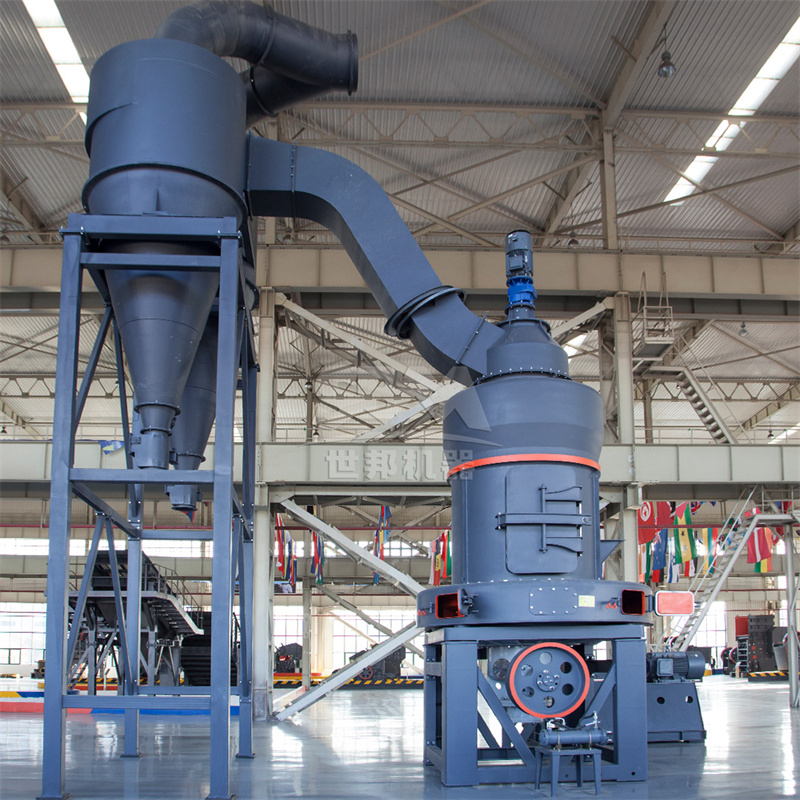
For high-specification drilling fluids used in deep or challenging wells, including those requiring improved rheology for high-temperature (HTHP) conditions, a finer bentonite powder (down to 5μm) is often specified. The SCM Series Ultrafine Mill is engineered to meet these stringent requirements for drilling fluid applications. With an output fineness ranging from 325 to 2500 mesh (45-5 μm) and a capacity of 0.5-25 ton/h, it operates with 30% lower energy consumption than jet mills. Its vertical turbine classifier ensures high-precision particle size cutting, guaranteeing no coarse powder mixing. For operations seeking the highest grade of bentonite for specialized mud systems, the SCM Series provides a significant competitive advantage. We strongly recommend the SCM1250 Ultrafine Mill for mid-scale operations requiring capacities up to 14 t/h, or the SCM1680 for large-scale, high-demand processing plants.
2. High-Capacity Production (45-600μm)
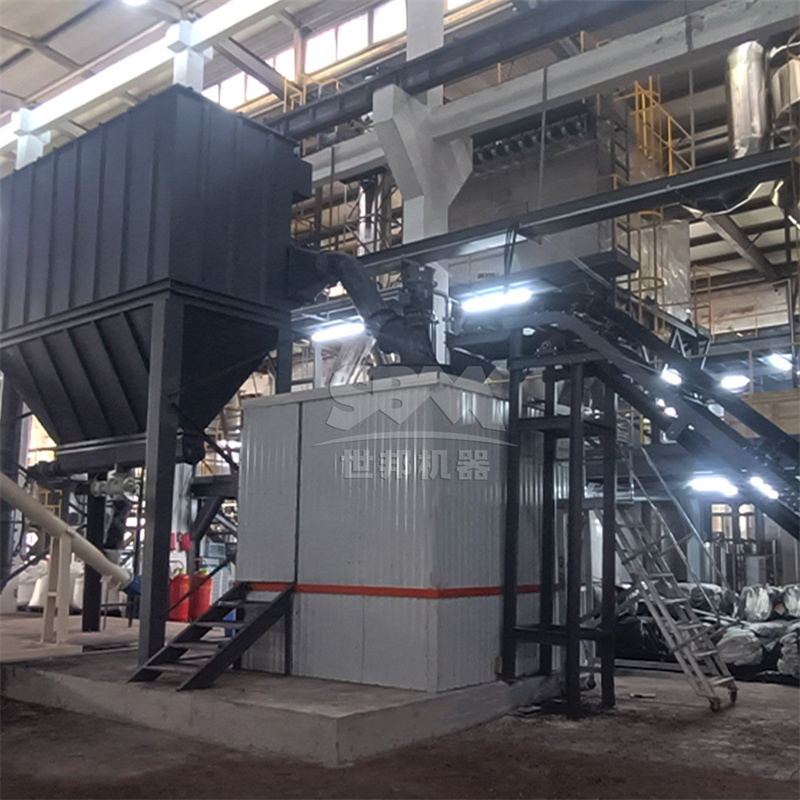
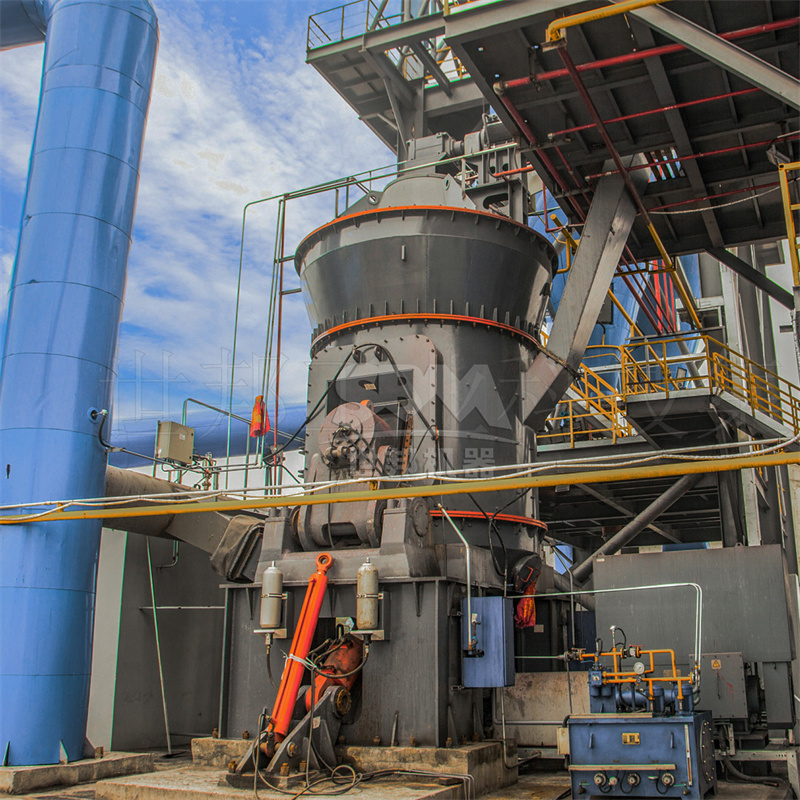
For the bulk production of standard API-grade bentonite (typically 80-90% passing 200 mesh, 74 microns), high capacity and low operating costs are critical. The LM Series Vertical Roller Mill (LM series vertical roller mill) offers an integrated solution. This system combines crushing, grinding, drying (using hot air to handle inherent moisture), and classification in a single unit. With a capacity ranging from 3 to 250 ton/h and an energy consumption 30-40% lower than ball mill systems, it is ideal for large-scale mud processing or drilling fluid additive production. Its intelligent control system and wear-part longevity ensure stable, around-the-clock operation.
Alternatively, the MTW Series European Trapezium Mill provides an excellent option for medium to large-scale operations. With a capacity of 3 to 45 ton/h and an output fineness of 30-325 mesh, it features an integral bevel gear drive with 98% transmission efficiency and an anti-wear shovel design that reduces maintenance costs by 30%. The MTW Series is particularly robust for primary and secondary grinding stages.
Material Handling and Drying Integration
Effective bentonite processing begins with the feed preperation. Many milling systems can integrate a drying air stream to reduce the moisture content of the bentonite to below 10% during the grinding process. The hammer mill (hammer mill for bentonite) is useful for primary crushing of run-of-mine ore before it enters a finer grinding system like the MTW or LM. For specialized applications requiring a coarser product (e.g., 0-3mm for certain non-oilfield uses), the hammer mill offers compact design and high capacity.
Classification and Filtration Control
The quality of the final bentonite powder is determined by the classifier. The LUM Ultrafine Vertical Roller Mill incorporates multi-rotor classifying technology to ensure a product free of coarse particles, which is essential for achieving consistent suspension properties in drilling fluids. Similarly, the MRN Pendulum Mill features a new classifier design that reduces energy consumption while achieving high throughput for standard mesh ranges. The isolated cyclone and efficient pulse dust collector ensure that the final product is collected without any loss of fines, adding to the efficiency and eco-friendly nature of the plant.
Conclusion: Maximizing Drilling Fluid Performance Through Precise Grinding
Investing in efficient mud suspension bentonite processing equipment is not merely an operational cost; it is a strategic decision that directly impacts drilling fluid quality, ROP, and overall well cost. By selecting a mill that combines high energy efficiency, precise classification, durable design, and intelligent controls, bentonite processors can ensure a consistent, high-yield product. Whether the requirement is for standard API-grade material from an MTW Series mill or premium ultrafine powder from an SCM Series mill, the key to success lies in matching the technology to the final application. Our range of proven equipment, including the SCM1250 for ultrafine and the LM130K for high-capacity standard grinding, provides the versatility and performance necessary to lead in the competitive drilling fluids market.