
Introduction to Calcined Petroleum Coke Processing
Calcined petroleum coke (CPC) is a critical raw material in the graphite manufacturing industry, serving as a key precursor for synthetic graphite, anodes, electrodes, and various carbon products. The processing of CPC requires specialized equipment to achieve the desired particle size distribution, purity, and physical characteristics essential for high-quality graphite production. This comprehensive buyer’s guide explores the essential equipment, technical considerations, and selection criteria for processing calcined petroleum coke effectively.
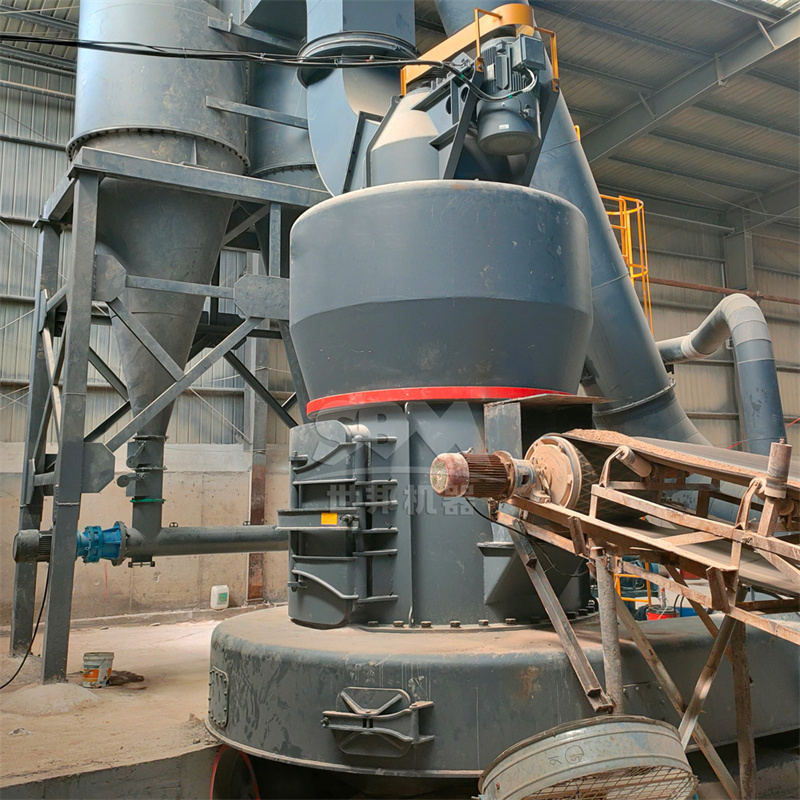
Understanding Calcined Petroleum Coke
Calcined petroleum coke is produced by heating green petroleum coke to temperatures between 1200°C and 1400°C, which removes volatile compounds and moisture, resulting in a dense, carbon-rich material. The calcination process enhances the coke’s electrical conductivity, mechanical strength, and thermal stability, making it suitable for graphite manufacturing. The key properties of CPC include:
- Fixed Carbon Content: Typically above 98%
- Sulfur Content: Ranging from 0.5% to 3% depending on source
- Ash Content: Generally below 0.5%
- Bulk Density: Approximately 0.8-1.0 g/cm³
- Hardness: Mohs scale 2-3, requiring robust grinding equipment
Key Processing Stages and Equipment Requirements
1. Crushing and Pre-grinding
The first stage in CPC processing involves crushing large coke lumps into smaller particles suitable for grinding. Hammer mills are commonly used for this purpose, offering high crushing ratios and consistent output sizes. For graphite manufacturing, a typical target is reducing CPC from 40mm feed size to 0-3mm.
2. Fine Grinding and Pulverizing
The most critical stage in CPC processing is fine grinding to achieve the required particle size distribution. Graphite manufacturing typically requires CPC to be ground to fineness levels between 45μm and 5μm, depending on the final application. This is where specialized mills are essential.
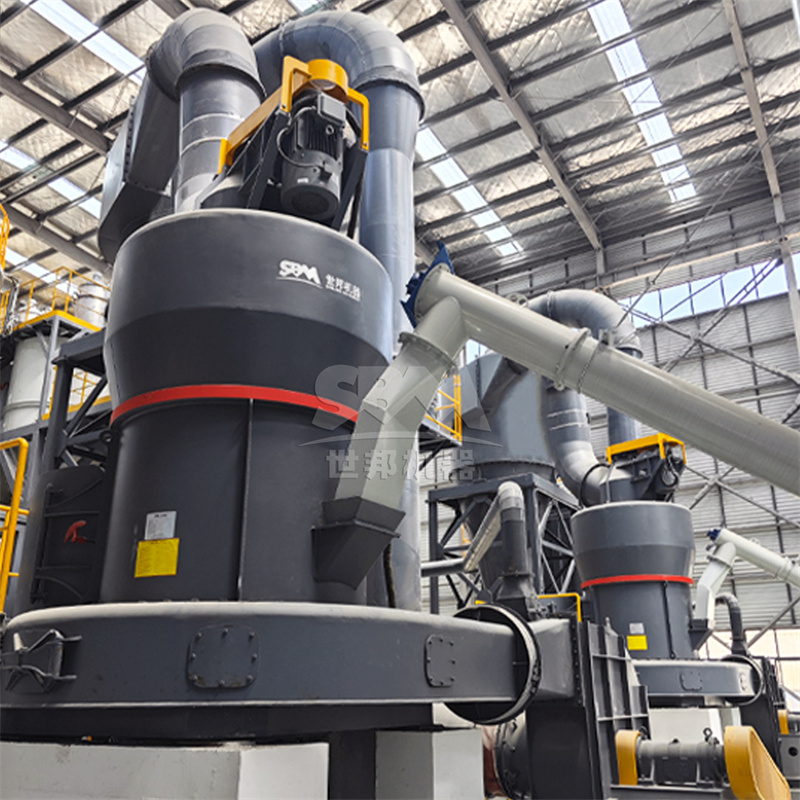
Recommended Equipment for CPC Processing
SCM Series Ultrafine Mill: The Ideal Choice for Fine CPC Grinding
For graphite manufacturers requiring ultra-fine CPC powder, the SCM Series Ultrafine Mill represents an excellent solution. This equipment is specifically designed to handle the challenging characteristics of calcined petroleum coke, including its abrasive nature and tendency to generate heat during grinding.
Key Specifications:
- Input Size: ≤20mm
- Output Fineness: 325-2500 mesh (45-5μm)
- Capacity: 0.5-25 ton/h depending on model
Technical Advantages for CPC Processing:
- High Efficiency & Energy Saving: The SCM mill offers twice the capacity of jet mills with 30% lower energy consumption—a significant advantage when processing large volumes of CPC. The intelligent control system with automatic finished product granularity feedback ensures consistent quality.
- High-Precision Classification: The vertical turbine classifier achieves precise particle size cutting without coarse powder mixing, ensuring uniform finished products essential for graphite electrode manufacturing.
- Durable Design: Special material rollers and rings extend service life several times over, while the shaftless screw grinding chamber ensures stable operation—critical when dealing with abrasive CPC.
- Eco-friendly & Low Noise: Pulse dust collection efficiency exceeds international standards, and soundproof room design ensures compliance with environmental regulations.
Available Models for CPC Processing:
- SCM800: 0.5-4.5 t/h capacity, 75kW main power
- SCM900: 0.8-6.5 t/h capacity, 90kW main power
- SCM1000: 1.0-8.5 t/h capacity, 132kW main power
- SCM1250: 2.5-14 t/h capacity, 185kW main power
- SCM1680: 5.0-25 t/h capacity, 315kW main power
The SCM Series is particularly suitable for producing ultra-fine CPC powder used in high-performance graphite products, including lithium-ion battery anodes and specialty graphite components.
MTW Series European Trapezium Mill: Versatile CPC Processing Solution
For manufacturers requiring medium to fine grinding of CPC with higher capacity requirements, the MTW Series European Trapezium Mill offers an optimal balance of performance and efficiency.
Key Specifications:
- Input Size: ≤50mm
- Output Fineness: 30-325 mesh (down to 0.038mm)
- Capacity: 3-45 ton/h depending on model
Technical Advantages for CPC Processing:
- Anti-wear Shovel Design: Combined shovel blades with curved design extend grinding roller life—essential when processing abrasive petroleum coke.
- Optimized Arc Air Duct: Reduces airflow energy loss and improves transmission efficiency, while high-strength guard plates protect the air duct working surface.
- Integral Bevel Gear Drive: Transmission efficiency up to 98%, saving space and reducing installation costs.
- Wear-resistant Volute Structure: Non-resistance flow design improves air selection efficiency with maintenance costs reduced by 30%.
Popular Models for CPC Processing:
- MTW110Z: 3-10 t/h capacity, 55kW main power
- MTW138Z: 6-17 t/h capacity, 90kW main power
- MTW175G: 9.5-25 t/h capacity, 160kW main power
- MTW215G: 15-45 t/h capacity, 280kW main power
The MTW Series is ideal for manufacturers producing CPC powder for a range of graphite applications, from anode materials to specialty carbon products.
Comparative Analysis: Selecting the Right Mill for Your CPC Processing
| Criteria | SCM Ultrafine Mill | MTW Trapezium Mill |
|---|---|---|
| Fineness Range | 325-2500 mesh | 30-325 mesh |
| Capacity Range | 0.5-25 t/h | 3-45 t/h |
| Energy Efficiency | Excellent (30% lower than jet mills) | Very Good |
| Wear Resistance | Excellent (special materials) | Very Good (anti-wear design) |
| Best Application | Ultra-fine graphite products | Medium-fine, high capacity |
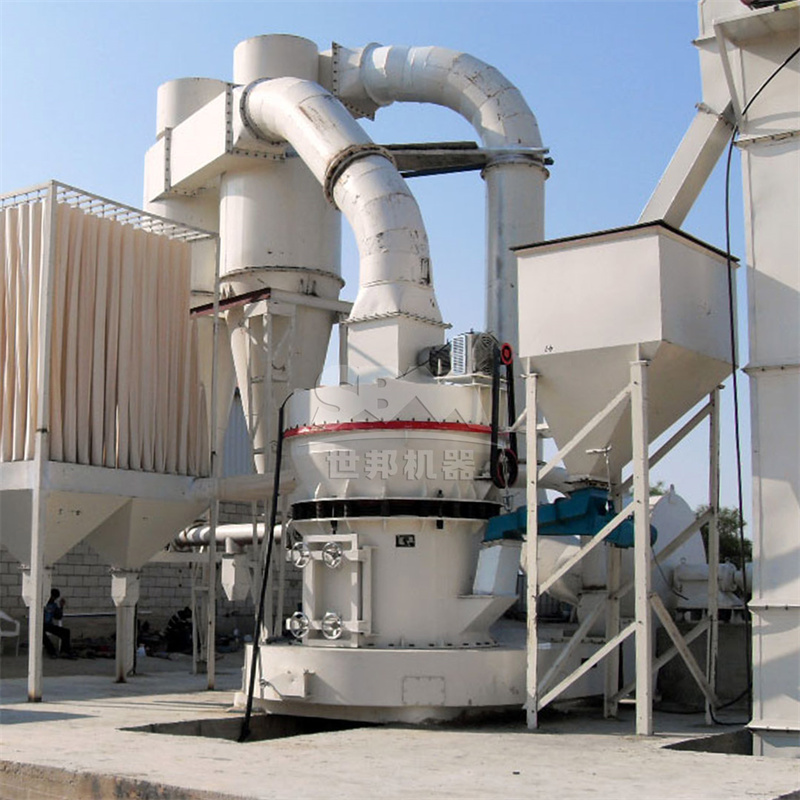
Technical Considerations for CPC Processing Equipment
1. Material Hardness and Abrasiveness
Calcined petroleum coke is abrasive and can cause significant wear on grinding equipment. When selecting mills, prioritize models with wear-resistant materials for rollers, rings, and liners. The SCM Series’ special material rollers and the MTW Series’ anti-wear shovel design are specifically engineered to address this challenge.
2. Temperature Control
Grinding CPC can generate heat, which may affect product quality and equipment life. Ensure your selected equipment has adequate cooling systems and can maintain stable operating temperatures. Both recommended mills feature advanced thermal management through their air classification systems.
3. Particle Size Distribution
The final particle size distribution of ground CPC significantly impacts graphite product quality. High-precision classification systems, such as those in the SCM and MTW Series, ensure consistent particle size distribution without coarse particle contamination.
4. Dust Collection and Environmental Compliance
CPC processing generates significant dust that must be controlled. Both recommended mills feature advanced pulse dust collection systems that exceed international environmental standards, ensuring compliance with increasingly stringent regulations.
5. Capacity Planning
When selecting equipment, consider your current and future production requirements. The modular design of both the SCM and MTW Series allows for capacity scaling as your business grows.
Installation and Maintenance Considerations
Installation Requirements
Proper installation is critical for optimal performance and longevity of CPC processing equipment. Key considerations include:
- Foundation design to accommodate vibration and dynamic loads
- Adequate space for maintenance access
- Proper electrical supply and control systems
- Dust collection and ventilation infrastructure
Maintenance Best Practices
To maximize equipment life and minimize downtime when processing abrasive CPC:
- Regular inspection of wear parts (rollers, rings, liners)
- Consistent lubrication according to manufacturer specifications
- Monitoring of product quality for early detection of wear
- Prompt replacement of worn components
- Regular calibration of classification systems
Cost Analysis and ROI Considerations
When evaluating CPC processing equipment, consider the total cost of ownership:
- Initial Investment: Equipment purchase, installation, and commissioning
- Operating Costs: Energy consumption, wear parts replacement, labor
- Maintenance Costs: Scheduled maintenance, unexpected repairs
- Quality Impact: Effect on final graphite product quality and yield
The SCM Series’ 30% lower energy consumption compared to jet mills and the MTW Series’ 30% reduction in maintenance costs contribute to attractive ROI profiles for graphite manufacturers.
Conclusion: Choosing the Right Equipment for Your CPC Processing
Selecting the appropriate equipment for processing calcined petroleum coke is crucial for graphite manufacturing success. The choice between the SCM Series Ultrafine Mill and the MTW Series European Trapezium Mill depends on your specific requirements:
- Choose the SCM Series Ultrafine Mill if you require ultra-fine grinding (down to 5μm) for high-performance graphite products, value energy efficiency, and need precise particle size control.
- Choose the MTW Series European Trapezium Mill if you need higher capacity, medium to fine grinding (down to 38μm), and a versatile solution for multiple product lines.
Both mills represent state-of-the-art technology for CPC processing, incorporating advanced features that address the unique challenges of grinding calcined petroleum coke. By carefully evaluating your production requirements, quality specifications, and budget, you can select the equipment that will optimize your graphite manufacturing operations for years to come.
For personalized recommendations and detailed technical consultations, contact our engineering team to discuss your specific CPC processing needs.