
Introduction: The Strategic Importance of Kaolin in Ceramic Manufacturing
Kaolin, also known as china clay, is an essential raw material in the ceramics industry. Its unique properties—including high plasticity, excellent green strength, controlled whiteness, and low shrinkage—make it indispensable for producing tiles, sanitaryware, tableware, and advanced technical ceramics. However, raw kaolin must be processed into fine, uniform powders with precise particle size distributions to function effectively as a ceramic additive. This buyer’s guide provides a comprehensive overview of the milling and processing equipment required to produce high-quality kaolin additives, covering key selection criteria, technology comparisons, and practical recommendations to help you choose the right machinery for your production line.
Key Requirements for Kaolin Additives in Ceramics
Before selecting equipment, it is critical to understand the target specifications for kaolin additives. Ceramic manufacturers typically require:
- Fineness: 200 to 2500 mesh (approximately 74 μm down to 5 μm), depending on the application. Fine grades improve vitrification and surface smoothness.
- Particle size distribution: Narrow distribution with minimal coarse particles to ensure consistent firing behavior.
- Chemical purity: Low iron and titanium content to maintain whiteness.
- Moisture content: Typically below 1% for dry processing.
- Throughput: Ranging from 1 t/h for specialty ceramics to over 30 t/h for large-scale tile production.
These requirements drive the need for advanced milling systems capable of precise classification, energy efficiency, and contamination-free operation.
Core Milling Technologies for Kaolin Processing
1. Ultrafine Grinding Mills (325–2500 mesh)
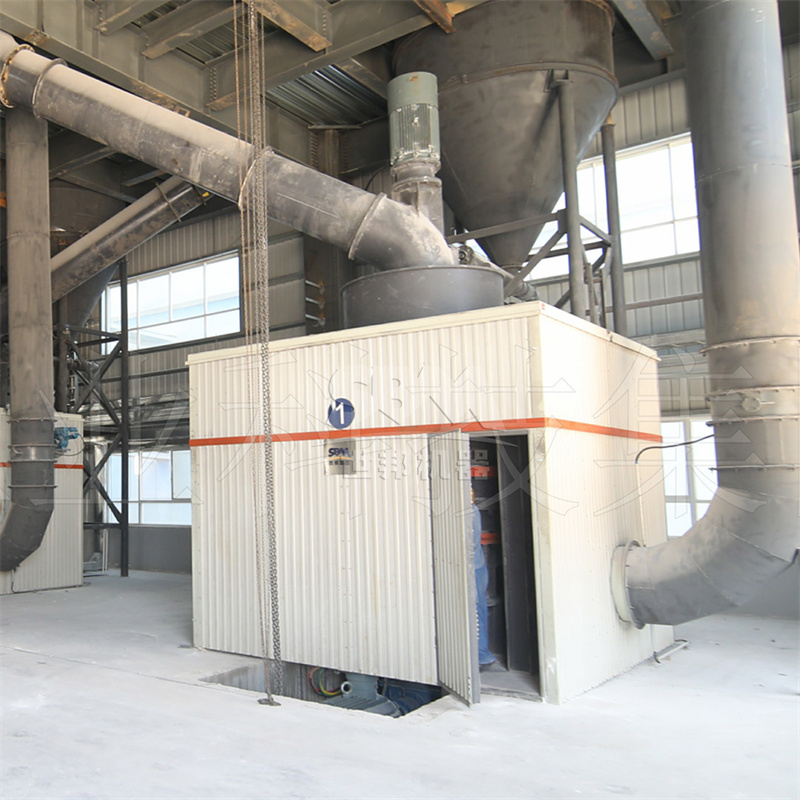
For high-grade ceramic additives, ultrafine grinding is essential. The SCM Series Ultrafine Mill from our company is specifically designed for this purpose. It processes materials up to 20 mm feed size and delivers outputs from 325 to 2500 mesh with capacities of 0.5–25 t/h. Its vertical turbine classifier ensures precise particle size cutting, eliminating coarse powder contamination—a critical factor for ceramic glazes and body formulations. Compared to jet mills, the SCM Series offers twice the capacity with 30% lower energy consumption, making it a cost-effective choice for medium to large operations.
2. European Trapezium Mills (30–325 mesh)
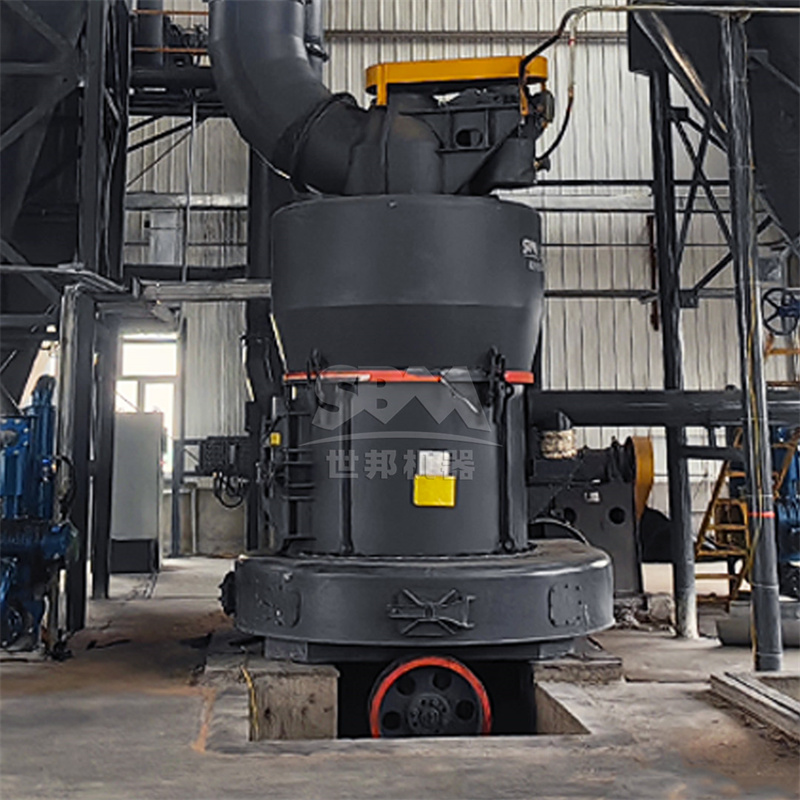
For ceramic additives requiring moderate fineness (e.g., 200–325 mesh), the MTW Series European Trapezium Mill is an excellent option. It handles feed sizes up to 50 mm and produces 3–45 t/h at fineness levels from 30 to 325 mesh. Its patented anti-wear shovel design and optimized arc air duct reduce maintenance costs and energy loss. The integral bevel gear drive achieves 98% transmission efficiency, while the wear-resistant volute structure improves air selection efficiency by 30%. This mill is ideal for producing kaolin additives for traditional ceramics where ultra-fine grinding is not mandatory.
3. Vertical Roller Mills (30–600 mesh, high capacity)
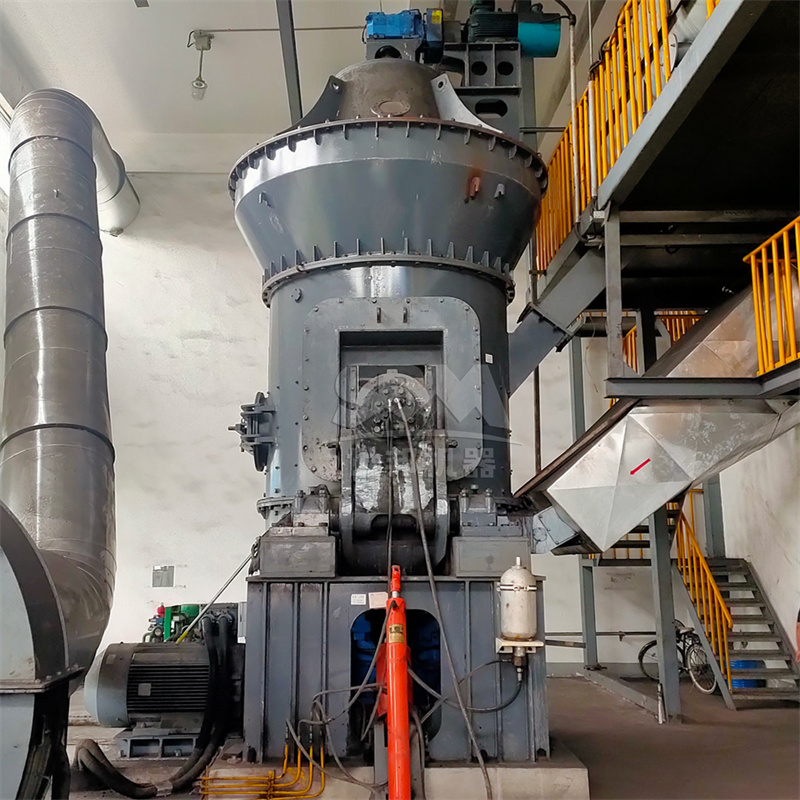
When large-scale production is required—such as for wall and floor tile manufacturing—the LM Series Vertical Roller Mill delivers unmatched throughput. With capacities from 3 to 250 t/h and fineness up to 600 mesh (special models), it integrates crushing, grinding, and classification in one unit, reducing floor space by 50%. Energy consumption is 30–40% lower than ball mill systems, and the non-contact roller-table design extends wear part life by three times. The LM Series also supports outdoor installation, cutting infrastructure costs by 40%.
4. Ball Mills for Coarse to Medium Grinding
For applications where fineness requirements are less stringent (0.074–0.8 mm), ball mills remain a reliable workhorse. Our ball mills offer capacities from 0.65 to 450 t/h with a crushing ratio up to 300:1. They can operate in dry or wet mode, making them versatile for both kaolin processing and other ceramic raw materials. However, for fine ceramic additives, ball mills are often used as pre-grinding units before ultrafine mills.
Ancillary Equipment for a Complete Kaolin Processing Line
A complete production line requires more than just a mill. Key auxiliaries include:
- Hammer Mills: For primary crushing of kaolin lumps (0–40 mm down to 0–3 mm). Our PC series hammer mills offer capacities of 8–70 t/h with high manganese steel liners for long life.
- Air Classifiers: Integrated into most modern mills, but standalone units may be needed for precise cut points.
- Dust Collectors: Pulse-jet bag filters are essential to meet environmental standards. The SCM and LM series include pulse dust collection with efficiency exceeding international standards.
- Feeders and Conveyors: Gravimetric or volumetric feeders ensure stable feed rates, which are critical for consistent product quality.
Selection Criteria: Matching Equipment to Your Production Goals
When choosing equipment for kaolin additive production, consider the following factors:
- Target Fineness: If you need >800 mesh, choose an ultrafine mill (SCM or LUM series). For 200–325 mesh, MTW or MTM mills suffice.
- Capacity: Small-scale (1–5 t/h): SCM800 or MTW110. Medium-scale (5–20 t/h): SCM1250 or MTW175. Large-scale (>20 t/h): LM vertical mill or SCM1680.
- Energy Efficiency: Vertical mills and ultrafine mills with advanced classifiers reduce power consumption per ton.
- Contamination Control: For high-whiteness ceramics, choose mills with ceramic-lined or wear-resistant components that do not introduce iron.
- Automation: Intelligent control systems with feedback on particle size reduce manual intervention and ensure consistent quality.
- Environmental Compliance: Ensure the equipment meets local dust and noise regulations.
Recommended Products from Our Portfolio
Based on the specific needs of kaolin additive production for ceramics, we highly recommend two flagship products:
SCM Series Ultrafine Mill
With its 325–2500 mesh output and 0.5–25 t/h capacity, the SCM Series is ideal for producing high-performance kaolin additives. Its vertical turbine classifier guarantees no coarse powder mixing, which is vital for ceramic glazes. The intelligent control system provides automatic finished product granularity feedback, ensuring batch-to-batch consistency. The durable rollers and rings, along with the shaftless screw grinding chamber, minimize downtime and maintenance costs.
LM Series Vertical Roller Mill
For large-scale ceramic tile or sanitaryware manufacturers, the LM Series offers exceptional throughput (up to 250 t/h) and energy savings. Its integrated design reduces footprint and infrastructure costs. The expert-level auto-control system allows remote monitoring and real-time parameter adjustment. The fully sealed negative pressure operation ensures a clean workshop environment, meeting the most stringent emission standards.
Installation, Operation, and Maintenance Best Practices
Proper installation and maintenance are key to maximizing equipment lifespan and product quality:
- Foundation: Ensure a rigid, vibration-isolated foundation for high-speed mills.
- Lubrication: Use the recommended lubricants and follow the schedule. The LM series features an internal suction oil lubrication system for maintenance-free operation.
- Wear Parts: Inspect rollers, rings, and liners regularly. Replace when wear exceeds 30% to maintain fineness.
- Classifier Adjustment: Optimize classifier speed to achieve the desired particle size distribution without over-grinding.
- Dust Collection: Clean pulse filters regularly to maintain negative pressure and avoid dust leakage.
Cost Analysis: Capital vs. Operating Expenses
While ultrafine mills and vertical roller mills have a higher initial capital cost than ball mills, their operating expenses are significantly lower. For example, the SCM Series consumes 30% less energy than jet mills and has twice the capacity. The LM Series reduces energy consumption by 30–40% compared to ball mill systems. Additionally, wear part life is extended by 3x in the LM Series, reducing spare parts costs. Over a five-year horizon, the total cost of ownership often favors advanced mills for high-quality kaolin additives.
Conclusion: Making the Right Choice
Producing kaolin additives for ceramics requires a careful balance of fineness, capacity, energy efficiency, and product purity. The SCM Series Ultrafine Mill and LM Series Vertical Roller Mill represent the state of the art in this field, offering superior performance and reliability. For medium to fine grinding, the MTW Series provides a cost-effective alternative. By evaluating your specific requirements against the criteria outlined in this guide, you can select equipment that optimizes your production line and delivers consistent, high-quality kaolin additives for the ceramics industry.
For further assistance, our technical team is available to conduct on-site assessments and custom engineering solutions tailored to your kaolin processing needs.