
Bauxite is the primary raw material for producing high-alumina refractory materials, which are essential for industries such as steelmaking, cement, glass, and petrochemicals. The quality of refractory materials directly depends on the purity, particle size distribution, and thermal properties of the processed bauxite. To achieve the stringent standards required for high-performance refractories, selecting the right grinding and classification equipment is critical. This article provides a comprehensive overview of essential bauxite processing equipment, highlighting key technologies that ensure superior product quality, operational efficiency, and environmental compliance.
1. The Importance of Bauxite Grinding for Refractory Applications
Bauxite, after mining and beneficiation, must be ground to a fine powder before it can be used in refractory formulations. The grinding process not only reduces particle size but also ensures homogeneity, which is vital for consistent firing behavior and final product performance. For high-quality refractories, fineness typically ranges from 100 mesh (149 microns) to over 325 mesh (45 microns), with specific applications requiring ultrafine powders below 10 microns. The choice of grinding equipment thus becomes a decisive factor in achieving these specifications.
2. Key Equipment for Bauxite Processing
The processing of bauxite for refractories typically involves crushing, grinding, classification, and sometimes drying. Among these stages, grinding and classification are the most critical for quality control. Below are the essential types of equipment used in modern bauxite processing plants.
2.1 Primary and Secondary Crushing
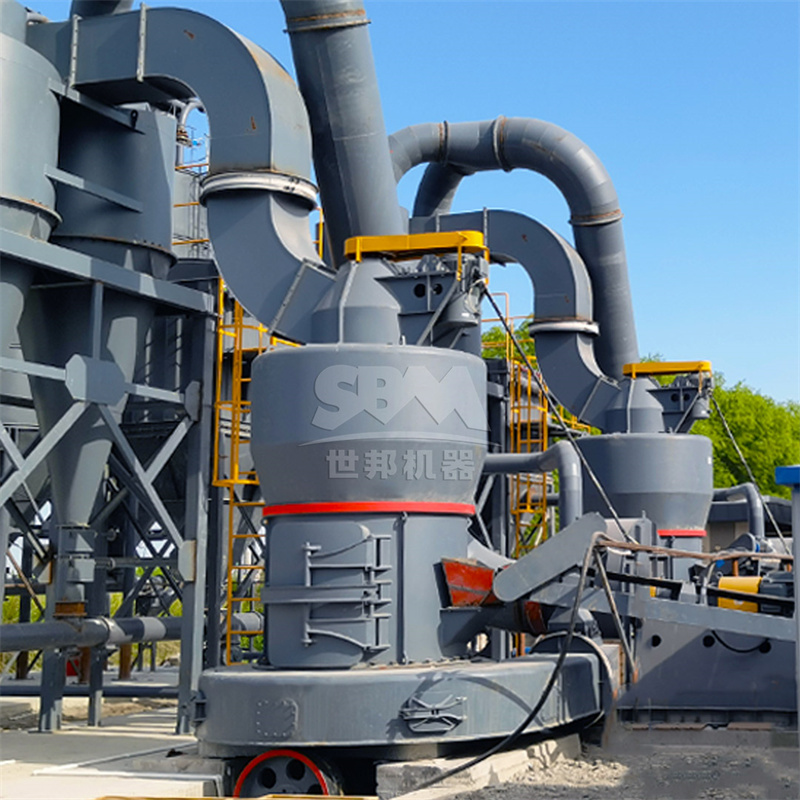
Before fine grinding, bauxite must be crushed to a manageable feed size. Hammer mills and jaw crushers are commonly used for this purpose. The Hammer Mill is particularly effective for materials with a feed size of up to 40mm, reducing them to 0-3mm in a single pass. With high-capacity models like the PC4015-132 (up to 70 t/h) and wear-resistant manganese steel liners, hammer mills offer a compact and cost-effective solution for pre-processing bauxite.
2.2 Fine Grinding Mills for Bauxite
For producing fine and ultrafine bauxite powders, several mill types are available, each with unique advantages.
MTW Series European Trapezium Mill
The MTW series is a workhorse for medium to fine grinding of bauxite. With an output fineness of 30-325 mesh and capacities up to 45 t/h, it is ideal for producing standard refractory grades. Key features include an anti-wear shovel design that reduces maintenance costs, an optimized arc air duct for improved efficiency, and an integral bevel gear drive with 98% transmission efficiency. This mill is particularly valued for its robust construction and ability to handle materials with a feed size up to 50mm.
SCM Series Ultrafine Mill
When the application demands a finer product, such as for high-end castables or advanced ceramics, the SCM series ultrafine mill is the optimal choice. Capable of producing powders from 325 to 2500 mesh (45-5 microns), this mill offers capacity twice that of jet mills with 30% lower energy consumption. Its vertical turbine classifier ensures precise particle size cutting without coarse powder mixing. For bauxite processors aiming for the highest value-added products, the SCM series provides a distinct competitive advantage.
Recommendation: For refractory manufacturers requiring both high capacity and fine fineness, we highly recommend the SCM1000 Ultrafine Mill (capacity 1.0-8.5 t/h, fineness 325-2500 mesh). It delivers excellent energy efficiency and product uniformity, making it the ideal solution for premium bauxite powder production.
LM Series Vertical Roller Mill (VRM)
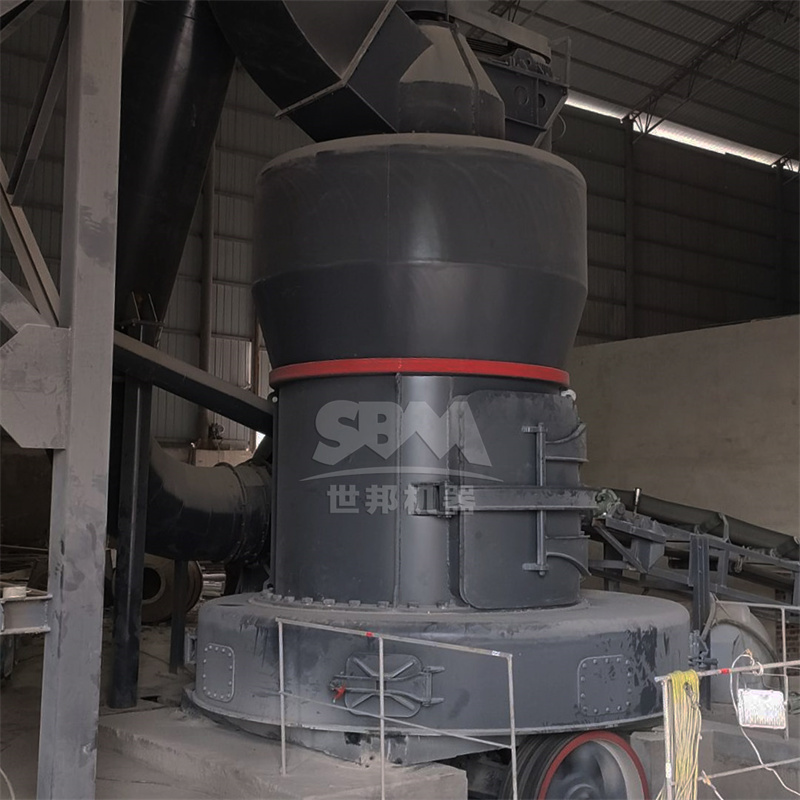
For large-scale operations, the LM series VRM is the most efficient choice. It integrates crushing, grinding, and classification into a single unit, reducing floor space by 50% and infrastructure costs by 40%. With energy consumption 30-40% lower than ball mill systems, the LM VRM is ideal for plants requiring capacities from 3 to 250 t/h. Its intelligent control system enables remote monitoring and automatic adjustment of parameters, ensuring consistent product quality while minimizing manual intervention.
2.3 Ultrafine Grinding for High-End Refractories
The LUM Ultrafine Vertical Roller Mill is specifically designed for superfine bauxite grinding. Using multi-rotor classification technology, it achieves fineness of 325-2500 mesh with no coarse particle contamination. The PLC automation ensures stable operation, and the negative pressure system eliminates dust leakage. This equipment is essential for producing premium refractory raw materials used in demanding environments like steel ladles and glass furnace linings.
3. Classification and Particle Size Control
Accurate classification is as important as grinding. The MRN Pendulum Mill series features a scientific configuration with a new classifier and isolated cyclone system that reduces energy consumption while improving separation efficiency. Models like the MB5X98 and MB5X298 offer thin oil lubrication for maintenance-free operation and pulse dust collectors for environmental compliance. Proper classification ensures that the final bauxite powder meets tight specifications for refractory applications.
4. Pre-grinding and System Integration
For cement and refractory plants looking to upgrade existing systems, the LM-Y Vertical Pre-grinding Roller Mill offers a unique solution. It can be integrated before a ball mill to increase overall system capacity by 30-50% while reducing specific energy consumption. This bed grinding principle is highly effective for bauxite, providing excellent particle shape and controllable fines content. Models range from the LM150Y (280 kW, 6-10 t/h) to the LM340Y (2500 kW, 80-100 t/h), making it scalable for any operation.
5. Conclusion: Choosing the Right Equipment for Refractory-Grade Bauxite
Producing high-quality refractory materials from bauxite requires a deep understanding of both the raw material and the processing equipment. From primary crushing to ultrafine grinding and classification, each stage must be optimized for efficiency, product quality, and environmental sustainability. Whether your focus is on cost-effective medium-grind production or high-value ultrafine powders, modern mills like the MTW, SCM, LM, and LUM series offer proven solutions.
For businesses aiming to produce refractory bauxite powders with fineness of 325 mesh and above, the SCM Series Ultrafine Mill remains the top recommendation due to its exceptional energy efficiency, precise classification, and durable design. For larger capacities, the LM Series Vertical Roller Mill provides unmatched integration and lowest total cost of ownership. By investing in the right equipment, refractory manufacturers can ensure consistent product quality, reduce operational costs, and meet the most demanding customer specifications.