
Introduction to Iron Ore Processing
Iron ore is a fundamental raw material for the global steel industry, and its efficient processing is critical for economic viability. The journey from run-of-mine ore to a high-grade concentrate involves a complex sequence of size reduction and separation steps. This guide provides a comprehensive overview of the essential machinery used in iron ore processing, focusing on the crushing, grinding, and beneficiation stages. Understanding the capabilities and applications of each machine type is key to designing an optimal processing plant that maximizes recovery while minimizing operational costs.
The processing of iron ore typically begins with blasting and primary crushing, followed by secondary and tertiary crushing to achieve a finer feed for the grinding circuit. The grinding stage liberates the valuable iron oxide minerals (like hematite and magnetite) from the gangue (waste rock). Finally, beneficiation processes such as magnetic separation, flotation, or gravity separation concentrate the iron. The choice of equipment at each stage directly impacts the efficiency of the entire operation.
Primary and Secondary Crushing Equipment
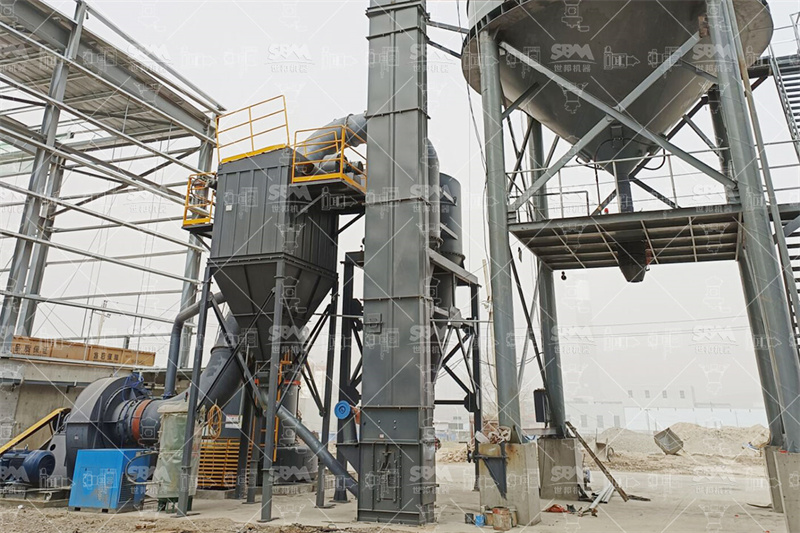
The first stage of size reduction is carried out by primary crushers, which can handle large boulders up to 1.5 meters in diameter. Jaw crushers and gyratory crushers are the most common choices for primary crushing. They apply compressive force to break the ore. For secondary and tertiary crushing, cone crushers are widely used due to their high reduction ratio and cubical product shape. The output from the crushing circuit is typically in the range of 0-50 mm, which is then fed into the grinding mills.
In many modern plants, high-pressure grinding rolls (HPGRs) are used for tertiary crushing or pre-grinding. HPGRs offer significant energy savings compared to traditional cone crushers by creating micro-cracks within the ore particles, reducing the work required for subsequent grinding. The selection of crushers depends on the ore’s abrasiveness, hardness, and the desired throughput. For example, hammer mills are effective for softer iron ores, providing a fine product in a single step, as seen with our PC series hammer mill models.
Grinding Mills: The Heart of the Beneficiation Circuit
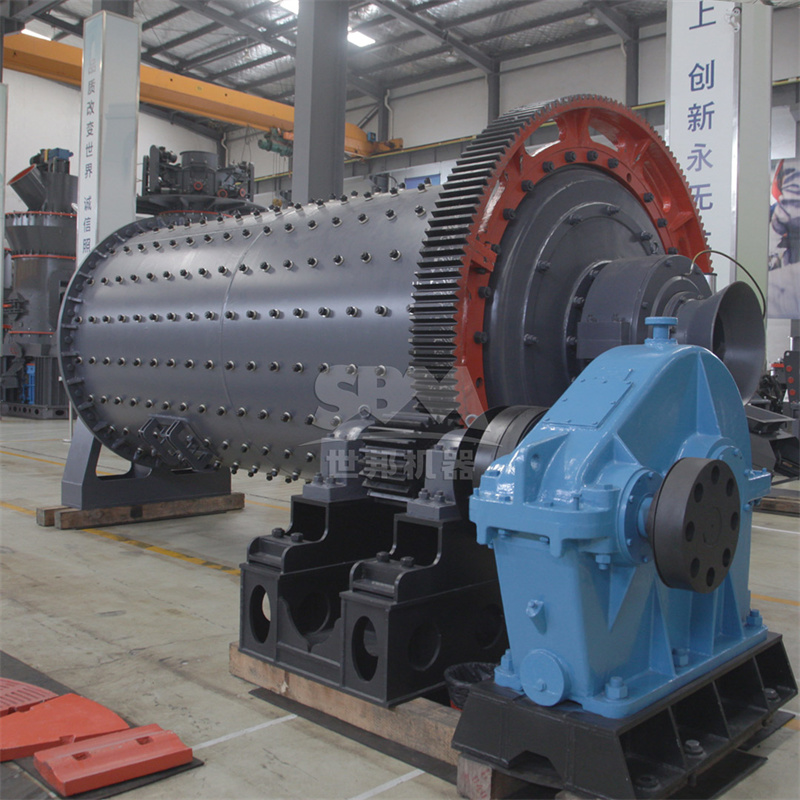
Grinding is the most energy-intensive step in iron ore processing, often consuming 40-60% of the total plant power. The goal is to reduce the ore to a particle size where individual mineral grains are liberated. Ball mills are the traditional workhorses for this task, operating in closed circuit with hydrocyclones. They are robust, reliable, and can handle high tonnages. Our GMQG/GMQY series ball mills, for instance, offer capacities up to 450 tons per hour, making them suitable for large-scale operations. However, their energy efficiency is relatively low.
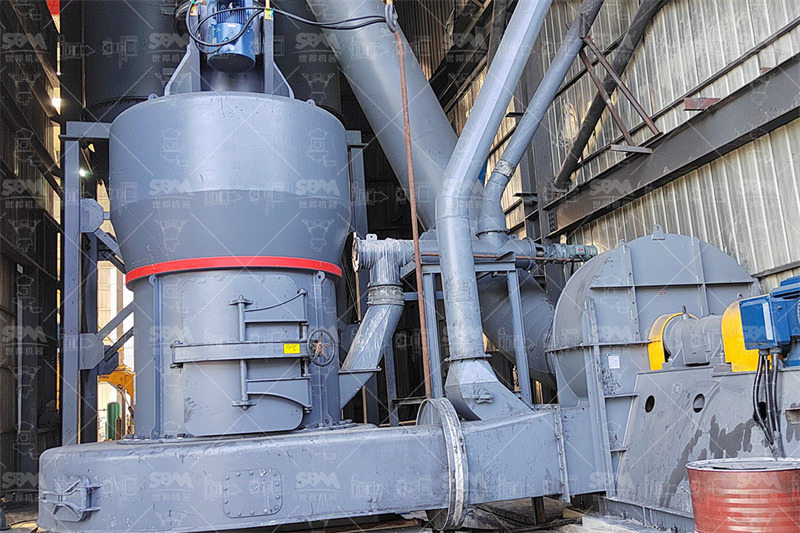
To improve energy efficiency, many operations are transitioning to vertical roller mills (VRMs) or trapezium mills. These technologies offer 30-50% lower energy consumption compared to ball mills. The LM series vertical roller mill, for example, integrates crushing, grinding, drying, and classification into a single unit, significantly reducing the plant’s footprint and capital costs. Its non-contact roller and table design minimizes wear, ensuring long service life and consistent performance. For finer grinding requirements, the MTW series European Trapezium Mill provides excellent efficiency and precise classification, making it ideal for producing concentrates with specific particle size distributions.
Ultrafine Grinding for Specialized Applications
While conventional grinding targets particle sizes down to 45 micrometers (325 mesh), some iron ore deposits, particularly those containing finely disseminated magnetite or hematite, require ultrafine grinding to achieve adequate liberation. This is where our SCM Series Ultrafine Mill excels. Designed for output fineness between 325 and 2500 mesh (45-5μm), the SCM mill is ideal for producing high-grade concentrates or pellet feed. Its capacity is twice that of a jet mill, with 30% lower energy consumption. The vertical turbine classifier ensures a precise cut with no coarse powder mixing, guaranteeing a uniformly ultra-fine product. This makes it a perfect choice for projects demanding the highest iron grades and specific surface areas.
The SCM series utilizes a unique shaftless screw grinding chamber and uses special material for the rollers and rings, extending their service life significantly. This machine is a game-changer for operations that need to maximize recovery from complex ores or produce premium iron oxide powders for applications beyond steelmaking, such as in pigments or magnetic materials.
Beneficiation and Classification Equipment
After grinding, the slurry must be classified to ensure that only particles of the correct size proceed to the beneficiation stage. Hydrocyclones are the most common classifier, utilizing centrifugal forces to separate coarse particles (which return to the mill for further grinding) from fine particles. The fine product then enters the concentration circuit. Magnetic separators are the primary beneficiation tool for magnetite ores, using powerful permanent or electromagnetic drums to pull out the magnetic iron oxide. For hematite ores, gravity separators like spirals, shaking tables, or dense media separators are commonly used. Flotation cells are also employed to float away silica or other impurities, especially for ores with complex mineralogy.
Efficient classification and beneficiation are dependent on achieving a stable and consistent feed. The integration of smart control systems, like those found in our LM Series Vertical Roller Mill, allows for real-time monitoring of grinding parameters. This ensures that the product fineness remains constant, preventing over-grinding (wasted energy) or under-grinding (poor liberation). The negative pressure, sealed operation of these mills also ensures an environmentally friendly process with minimal dust emissions, meeting strict regulatory standards.
Supporting Equipment: Feeders and Conveyors
While crushers, mills, and separators perform the core processing, the auxiliary equipment plays a vital role in ensuring a smooth, continuous flow of material. Vibrating feeders are used to control the rate of ore feed into crushers and mills, preventing overloading and ensuring consistent operation. Our GZ series electromagnetic feeders are specifically designed for this purpose, offering precise and adjustable feed rates. Belt conveyors, bucket elevators, and screw conveyors transport material between processing stages. The proper selection of conveyor systems, including belt type and horsepower, is essential for minimizing spillage, reducing maintenance, and handling the abrasive nature of iron ore.
Conclusion: Selecting the Right Machinery
Designing an efficient iron ore processing plant requires a careful assessment of the ore’s characteristics and the desired final product. The crushing circuit must be robust enough to handle the feed size and tonnage. The grinding circuit must be energy-efficient while achieving the required liberation. The beneficiation circuit must be tailored to the specific mineralogy of the ore. By integrating advanced technologies such as high-capacity ball mills, energy-saving vertical roller mills, and precision ultrafine mills like the SCM series, plant operators can optimize their operations for both profitability and sustainability. Investing in high-quality, durable machinery with smart control features is not just a capital expense; it is a long-term commitment to operational excellence.
For any iron ore beneficiation project, from initial feasibility studies to full-scale plant construction, understanding the capabilities of each machine is the first step toward success. Whether you need to process 3 tons per hour or 450 tons per hour, the right combination of crushing, grinding, and beneficiation equipment will unlock the true value of your iron ore deposit.