
Introduction
The global construction industry is undergoing a significant shift towards sustainable and eco-friendly practices. Among the most impactful innovations is the production of non-fired bricks using industrial by-products, primarily fly ash. Unlike traditional fired clay bricks, which consume vast amounts of energy and emit substantial CO2, non-fired bricks are manufactured through a process of compaction and curing, utilizing the inherent cementitious properties of fly ash. This guide provides a comprehensive overview of the equipment required, the detailed production process, and key considerations for selecting machinery, with a focus on the critical pre-processing stage: fly ash grinding.
The Core Production Process of Non-Fired Bricks
The manufacturing of non-fired fly ash bricks follows a systematic, multi-stage process designed to activate and bind the raw materials without high-temperature kilns.
1. Raw Material Preparation and Storage
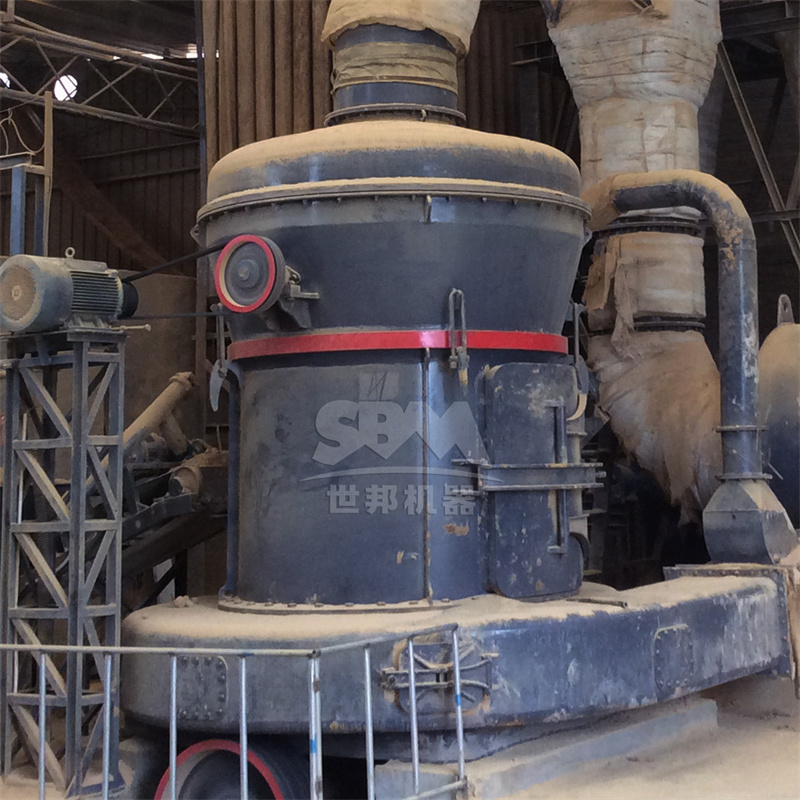
This initial stage involves the reception and storage of primary raw materials: fly ash (typically 60-80% of the mix), a binding agent (like cement or lime, 8-12%), an activator (often gypsum, 1-3%), and aggregate (such as sand or stone chips, 10-20%). Consistent material quality is paramount. Fly ash, often sourced directly from power plants, can have variable moisture content and particle size, making a dedicated grinding and drying system a crucial investment for product uniformity.
2. Batching and Mixing
Precisely measured quantities of each material are conveyed to a mixer. Here, water is added to achieve the optimal moisture content (usually between 8-12%). A double-shaft or planetary mixer ensures a homogeneous blend, activating the chemical reactions between fly ash, lime, and water that will provide the brick’s strength.
3. Compaction and Molding
The moist mix is fed into the core of the production line: the brick making machine. Hydraulic or mechanical presses apply high pressure (typically 15-30 MPa) to compact the mixture into molds. This pressure is critical for achieving high density and initial green strength. Modern machines are fully automatic, capable of producing bricks, pavers, or blocks of various shapes and sizes with high output rates.
4. Curing and Stacking
After ejection from the press, the “green” bricks are mechanically stacked onto pallets and transferred to a curing chamber. Here, they are cured with steam at controlled temperatures (around 50-80°C) and high humidity for 18-24 hours. This accelerated curing process enhances the pozzolanic reactions, developing up to 70-80% of the final compressive strength. Subsequent air curing for 2-3 weeks allows the bricks to reach their full strength.
Complete Equipment List for a Production Plant
A fully automated non-fired brick plant requires an integrated set of machinery. Below is a typical equipment list:
- Raw Material Handling System: Silos for fly ash, cement, lime; belt conveyors, screw conveyors, bucket elevators.
- Grinding Mill (Key Equipment): For processing raw fly ash to a consistent, fine fineness. (Discussed in detail below).
- Automatic Batching System: Electronic weighing hoppers and controllers for precise proportioning.
- Mixing Machine: Double-shaft or planetary mixer with water dosing system.
- Non-Fired Brick Making Machine: Fully automatic hydraulic press with mold changer, feeder, and control panel.
- Brick Handling System: Palletizer, stacker, and transfer cars.
- Curing System: Steam boiler, curing chambers or tunnels with temperature/humidity controls.
- Dust Collection System: Baghouse filters or cyclone collectors at material transfer points.
- Control System: Centralized PLC for monitoring and controlling the entire production line.
The Critical Role of Fly Ash Grinding Equipment
The performance of fly ash in the brick mix is highly dependent on its fineness and particle size distribution. Coarse or uneven fly ash leads to weak spots, higher water demand, and poor surface finish on the final brick. Therefore, investing in a high-efficiency grinding mill is not optional—it’s fundamental to product quality and economic viability.
A superior grinding system achieves several goals: it increases the specific surface area of the fly ash, enhancing its reactivity with lime/cement; it ensures uniformity, leading to consistent brick strength and color; and it can often handle drying if the ash has high moisture content from the silo.
Recommended Grinding Solution: MTW Series European Trapezium Mill
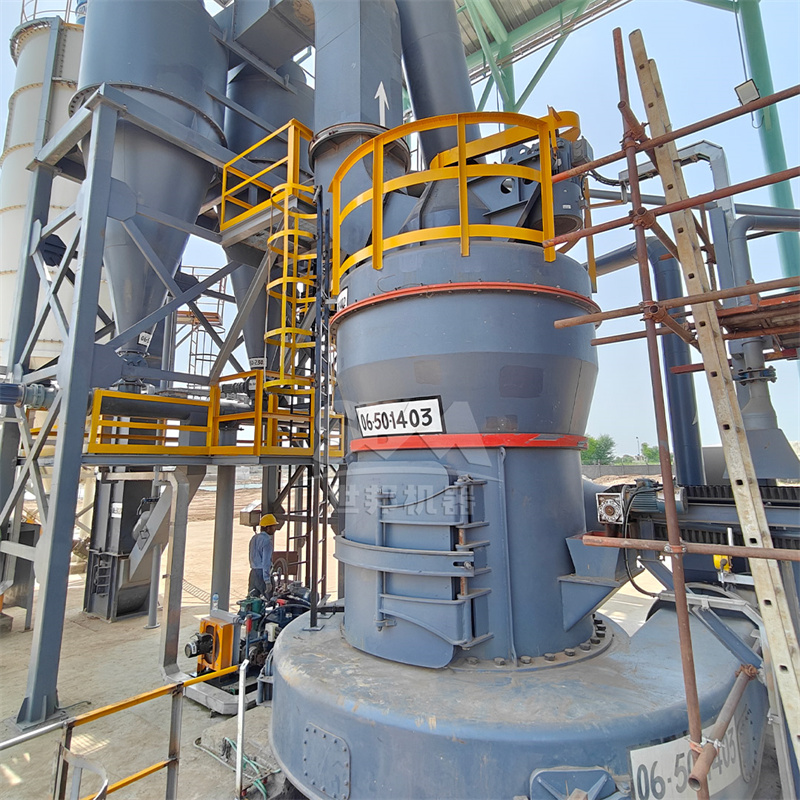
For most non-fired brick plants processing fly ash to a fineness between 30-325 mesh (600-45μm), the MTW Series European Trapezium Mill represents an optimal balance of capacity, efficiency, and reliability. Its design is particularly suited for the abrasiveness of fly ash.
- High Efficiency & Durability: The mill features an anti-wear shovel design and wear-resistant volute structure, significantly reducing maintenance costs associated with abrasive fly ash. Its integral bevel gear drive boasts 98% transmission efficiency, saving energy.
- Precise Classification: An optimized arc air duct and efficient classifier ensure a tight particle size distribution. This precision is crucial for achieving a smooth brick texture and predictable strength development during curing.
- Large Capacity Range: With models from MTW110 (3-10 t/h) to MTW215G (15-45 t/h), it can serve small, medium, and large-scale brick production facilities.
- Eco-friendly Operation: The system integrates advanced pulse dust removal technology, ensuring a clean working environment and compliance with environmental standards—a key concern for sustainable brick manufacturers.
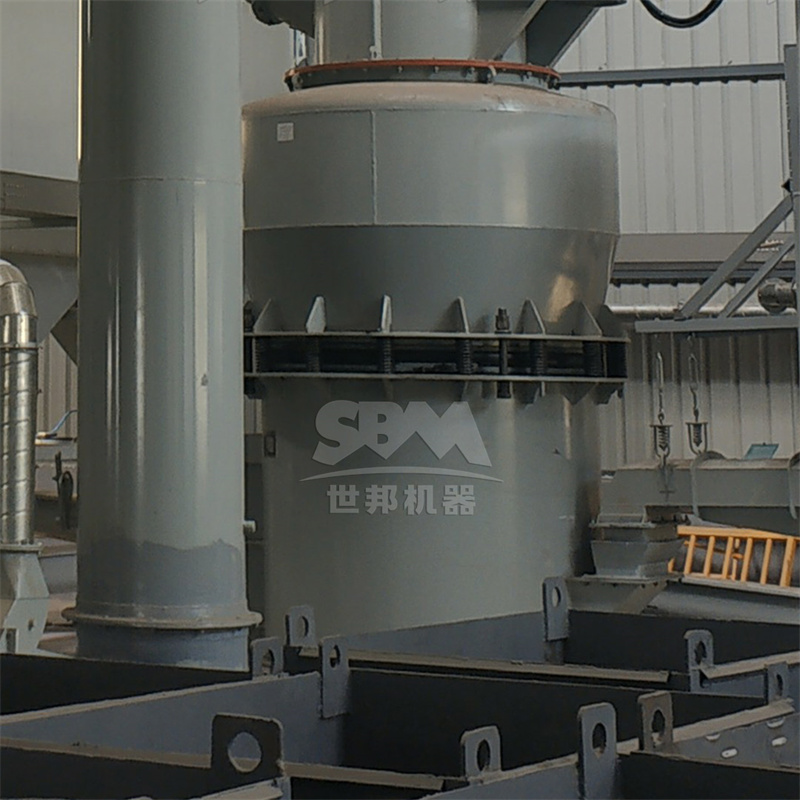
For projects requiring ultra-fine fly ash (e.g., for high-performance or lightweight bricks), the SCM Series Ultrafine Mill is the equipment of choice. Capable of producing powder from 325 to 2500 mesh (45-5μm), it offers high-precision classification and uniform product quality, albeit for more specialized applications where extreme fineness justifies the investment.
Selecting a Manufacturer: Key Considerations
Choosing the right partner for your brick-making machinery is a long-term decision. Look for manufacturers who offer:
- Proven Technology & Experience: A track record in supplying complete plants, not just individual machines.
- Comprehensive Service: From plant layout and installation to operator training and after-sales spare parts support.
- Customization Ability: Willingness to adapt equipment specifications (like press pressure, mold size, grinding fineness) to your specific raw material mix and product targets.
- Energy Efficiency Focus: Machinery designed for low power consumption, which directly impacts production costs.
- Quality of Components: Use of reputable brands for hydraulic systems, PLCs, and motors to ensure reliability.
Conclusion
Establishing a successful fly ash non-fired brick production plant hinges on a deep understanding of the process and a strategic selection of equipment. While the brick press is the heart of the line, the grinding mill is the unsung hero that ensures the quality and consistency of the primary raw material. Integrating robust, efficient, and precise equipment like the MTW Series European Trapezium Mill into your plant design lays a solid foundation for producing high-strength, environmentally friendly construction materials that meet modern market demands. By partnering with a knowledgeable manufacturer, you can optimize your production line for maximum profitability and sustainability.