
1. Introduction to Gypsum Powder Processing
Gypsum powder, a versatile building material, is widely used in the production of plasterboards, cement retarders, and decorative elements. In modern construction, the demand for high-quality 100-mesh gypsum powder (particle size around 0.15mm) is critical for ensuring product strength and consistency. Achieving this fineness efficiently requires advanced milling technology and carefully selected equipment. This guide provides a comprehensive overview of the process and the machinery essential for high-efficiency production, focusing on capacity, energy consumption, and operational stability.
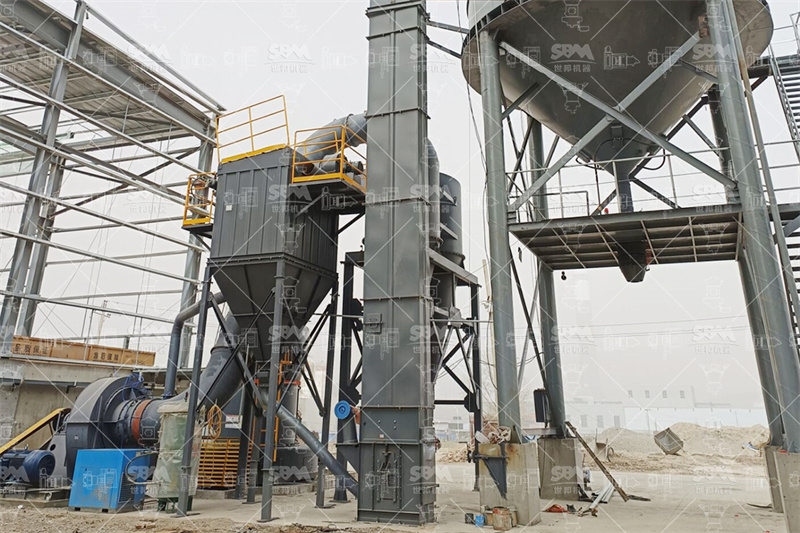
2. Overview of the Complete Process Flow
The production of 100-mesh gypsum powder involves several key stages: crushing, grinding, classification, and collection. First, raw gypsum (di-hydrate) is crushed to a manageable size, typically under 30-40mm, to facilitate the grinding process. The crushed material is then fed into a mill where it is pulverized. After grinding, the fine powder is transported by airflow to a classifier, which ensures that only particles meeting the 100-mesh (approximately 0.15mm) specification pass through. Oversized particles are returned to the mill for re-grinding. Finally, a high-efficiency cyclone and pulse dust collector capture the finished powder, ensuring an environmentally friendly operation.
3. Equipment Selection: MTW Series European Trapezium Mill
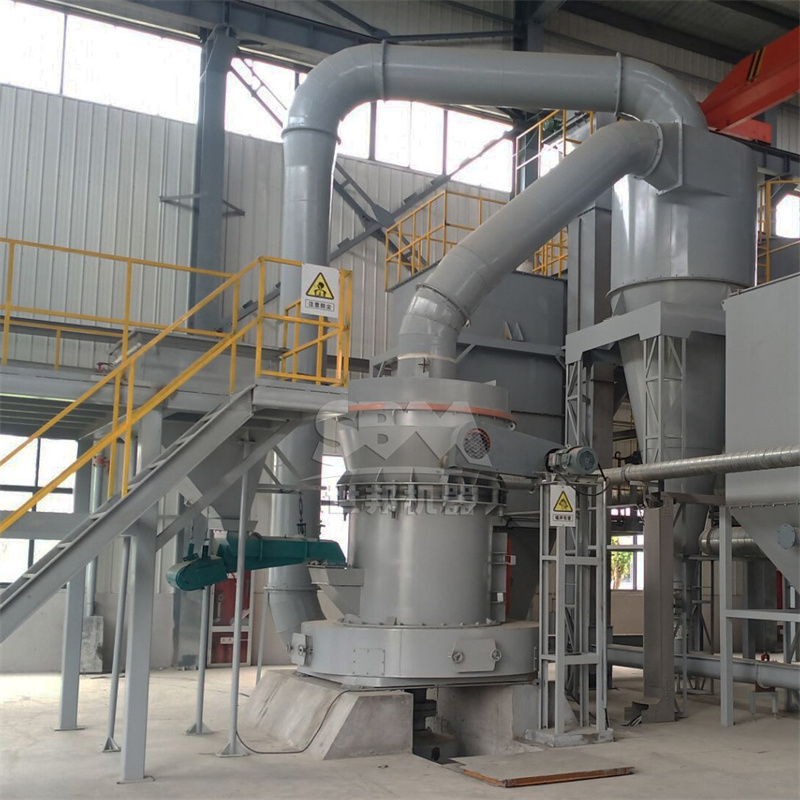
When targeting a 100-mesh output (typically 80-120 mesh is the target range for this guide), the MTW Series European Trapezium Mill is an industry-standard solution. This equipment excels in producing materials with a fineness range of 600-45μm (30-325 mesh), making it perfectly suitable for 100-mesh production. For medium to large scale operations, the MTW series offers distinct advantages including an integral bevel gear drive with 98% transmission efficiency, which significantly saves energy costs. Furthermore, its anti-wear shovel design and optimized arc air duct ensure longevity and stable operation. The specific model selected is determined by capacity requirements; this series offers outputs from 3 up to 45 ton/h, providing flexibility for different project scales.
Recommended Product Model
For projects aiming for high throughput with low power consumption, we recommend the MTW138Z model. It operates with a main power of 90kW and delivers a capacity of 6-17 tons per hour, making it the most cost-effective choice for mid-sized gypsum plants. Its Internal suction oil lubrication system and patented pulse dust removal technology ensure that the machinery remains maintenance-friendly and eco-compliant.
4. Alternative Solution: SCM Series Ultrafine Mill for Finer Control
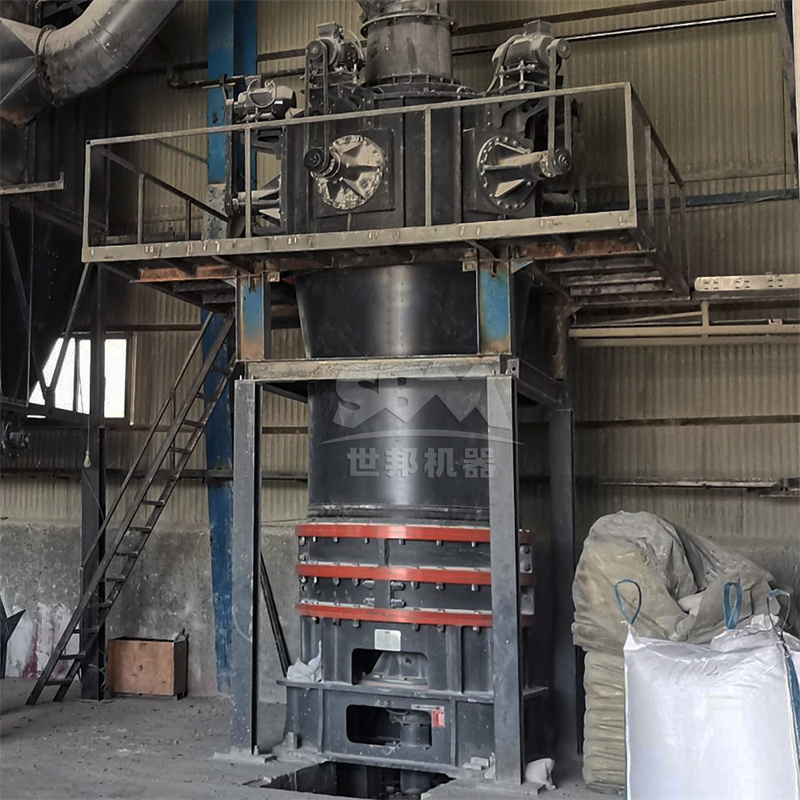
While the MTW series is optimal for 100-mesh standard production, some producers require a system capable of flexible adjustment for market demands, including the potential to produce finer powders (325-2500 mesh). In such cases, the SCM Series Ultrafine Mill is an exceptional alternative. Although this mill goes beyond the 100-mesh threshold, it offers High-Efficiency & Energy Saving features with a capacity double that of jet mills. Its vertical turbine classifier provides high-precision cutting, guaranteeing that no coarse powder mixes into the final product, which is vital for premium market selling.
Highlighting the SCM Advantage
For smaller batch, high-value products, the SCM1000 is a compelling choice. With a main power of 132kW and a capacity of 1.0-8.5 t/h, it allows operators to switch between 100-mesh industrial powder and ultra-fine 800-mesh filler in a single unit. The intelligent control system automatically adjusts the finished product granularity, reducing the need for manual supervision and ensuring consistent quality for high-end gypsum applications.
5. Crucible of Quality: Classification and Collection Systems
Selecting the right mill is only half the battle; the classification and collection system determines the final quality. In the MTW and SCM systems we recommend, the integrated vertical turbine classifier is key. It allows the mill to adjust the fineness between 45μm and 600μm without stopping production. Following classification, the Pulse Dust Collector serves as the final safeguard. Our system design includes a soundproof room design reducing operational noise, and the pulse dust collection efficiency surpasses international standards, ensuring that the 100-mesh gypsum powder is recovered efficiently while keeping the plant clean and safe.
6. Energy Efficiency and Operational Costs
Energy consumption is the largest operating cost in gypsum powder production. Our equipment addresses this via distinct engineering approaches. The MTW series uses an optimized arc air duct to reduce airflow resistance, thereby lowering the fan’s power requirement. On the other hand, the SCM series relies on a layered grinding principle, crushing materials via roller pressure against multi-layer rings, which results in 30% lower energy consumption compared to impeller type mills. Standardizing 100-mesh gypsum lines on either the MTW (medium capacity) or SCM (medium-fine capacity) ensures that plant owners maximize their return on investment by minimizing KWh consumed per ton produced.
7. Conclusion and Specification Summary
In conclusion, the optimal selection for 100-mesh gypsum production involves balancing initial CAPEX with operational efficiency. For standard bulk production, the MTW Series (e.g., MTW110 or MTW138Z) offers unrivaled durability and energy savings. For producers who require product flexibility (from 100 mesh down to 5μm) without sacrificing quality, the SCM Series (e.g., SCM900 or SCM1250) provides a high-performance alternative. Both systems are backed by our robust after-sales service and are designed for 24/7 operation. We advise consulting our engineering team to map the specific feed size and capacity requirements to ensure you select the system that reduces your cost-per-ton to the absolute minimum.