
1. Introduction to 325 Mesh Calcite Powder Production
Calcite, a naturally occurring calcium carbonate mineral, is a cornerstone of modern industry. Its applications range from plastics, rubber, and paints to papermaking, adhesives, and environmental remediation. Among the various particle sizes utilized, 325 mesh (approximately 45 micrometers) is arguably the most commercially significant specification. It serves as a high-performance filler that enhances product strength, brightness, and durability while reducing production costs for manufacturers.
However, achieving a consistent, high-quality 325 mesh powder at scale is no trivial feat. It requires a deep understanding of grinding mechanics, classification efficiency, and overall system engineering. The selection of the right equipment—from the primary crusher to the final classifier—directly impacts product quality, energy consumption, and operational profitability. This comprehensive guide explores the critical components of a high-efficiency calcite powder production line, with a specific focus on grinding mills, classifiers, and strategies for total cost optimization. We will also highlight advanced machinery solutions designed to maximize output and minimize operational expenditure.
2. The Grinding Mill: The Heart of the Operation
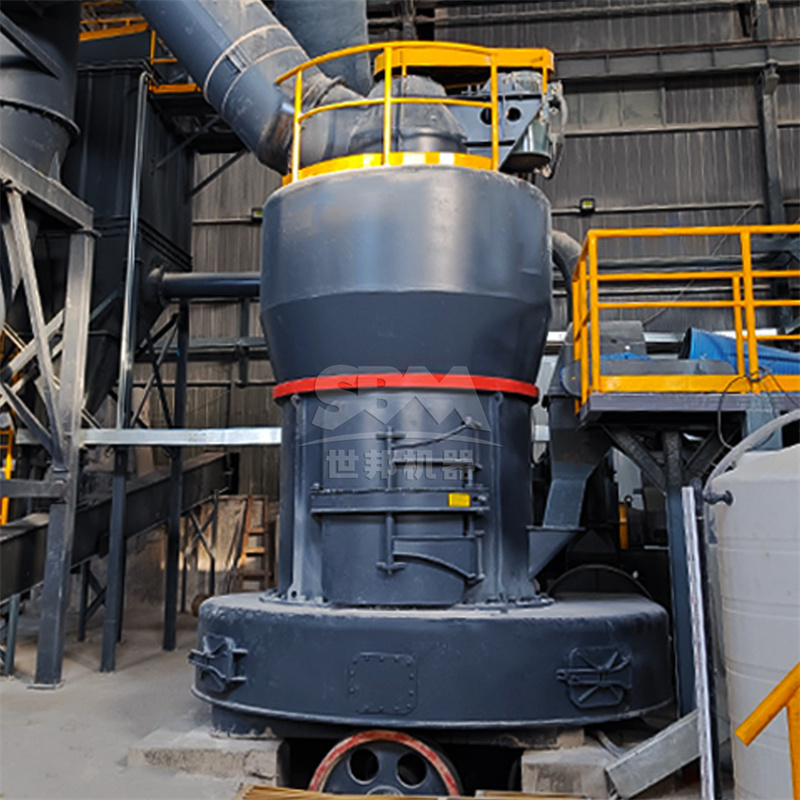
The grinding mill is the central apparatus that determines the throughput, energy efficiency, and ultimate fineness of the final product. For 325 mesh calcite, the industry utilizes several types of mills, each with distinct advantages and limitations.
2.1. Vertical Roller Mills (VRM) for Large-Scale Production
For large-capacity operations (typically exceeding 20 tons per hour), the Vertical Roller Mill (VRM) is often the preferred choice. Its integrated design combines crushing, drying, grinding, and classification into a single unit, which significantly reduces the plant footprint and auxiliary equipment costs. The grinding principle involves a rotating table and hydraulically loaded rollers that crush the material bed. The key benefits include a 30-45% lower energy consumption compared to traditional ball mills and a remarkably low vibration and noise level.
Our LM Series Vertical Roller Mill exemplifies the top tier of this technology. With capacities ranging from 3 to 250 tons per hour, it can be configured for various feed sizes and fineness requirements. The LM series features a non-contact design between rollers and table, which extends the service life of wear parts by up to three times, a critical factor in reducing long-term maintenance costs. Its intelligent control system enables automatic start-up and shutdown, remote monitoring, and real-time parameter adjustment, ensuring stable operation with minimal manual intervention. For calcite producers prioritizing massive output and lower per-ton operating costs, the LM130K or LM150K models are robust starting points.
2.2. Medium-Speed Mills and Pendulum Mills for Mid-Range Output
For operations with medium capacity requirements (5-50 t/h), medium-speed mills and pendulum mills offer an outstanding balance between capital cost, flexibility, and energy efficiency. These mills operate on the principle of grinding rollers swinging outward due to centrifugal force to press against a grinding ring. Materials are thrown into the gap, where they are pulverized through a combination of impact and attrition.
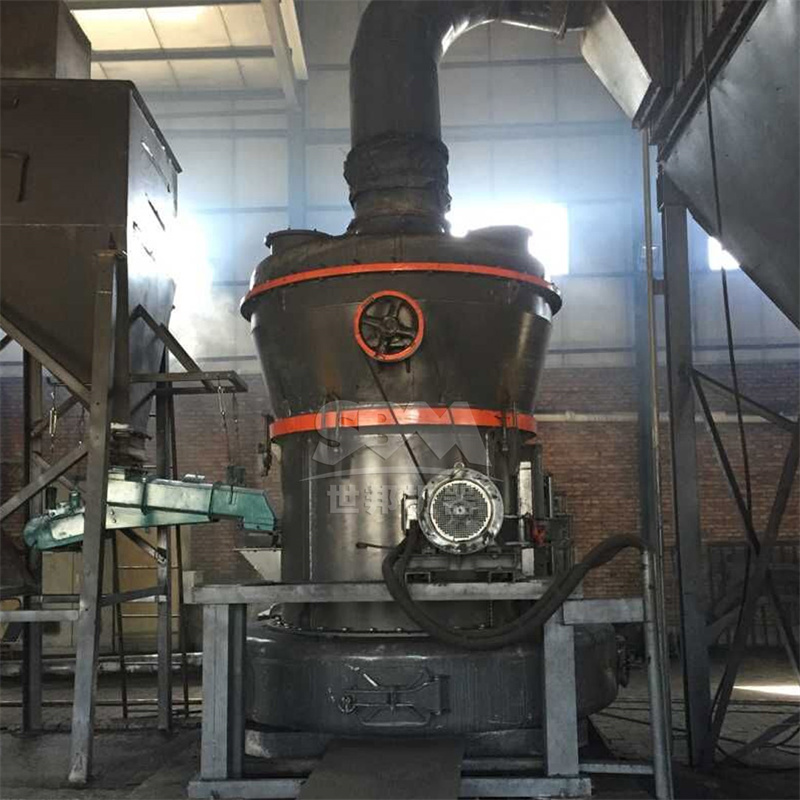
The MTW Series European Trapezium Mill is a benchmark in this category, engineered for producing 30-325 mesh output. It features an integral bevel gear drive with a transmission efficiency of up to 98%, saving space and reducing installation costs. The optimized arc air duct minimizes airflow energy loss, and the anti-wear shovel design reduces maintenance frequency. With models like the MTW138Z or MTW175G, calcite processors can achieve high fineness with exceptional throughput, ensuring the production of 325 mesh powder with minimal coarse powder mixing.
Alternatively, for a pendulum mill that offers rugged reliability, the MRN Pendulum Mill is a formidable contender. It incorporates thin oil lubrication for a maintenance-free design and a scientific configuration that separates classification and cyclone collection, reducing system energy consumption. Its capacity spans from 2.7 to 83 TPH, making it suitable for both small and mid-to-large industrial applications.
3. Precision Classification: Ensuring Uniform Particle Size
Grinding alone is insufficient to guarantee a commercial-grade 325 mesh product. The raw mill output is a broad distribution of fine and coarse particles. The classifier is the critical component that separates the desired fine powder from the oversized particles, which are then returned to the mill for further grinding. A high-precision classifier ensures a sharp cut point, preventing any coarse particles from contaminating the final product and thus maintaining consistent quality.
Key considerations for efficient classification in calcite grinding include:
- High-Speed Rotor Dynamics: The rotor speed and geometry determine the centrifugal force applied to the particles, which directly influences the final fineness. Advanced vertical turbine classifiers offer precise particle size cutting.
- Airflow Control: The secondary and tertiary air inlets are meticulously designed to create a balanced airflow field, maximizing dispersion and classification efficiency.
- Interlocking Control: The classifier must work in perfect harmony with the mill, automatically adjusting its speed to compensate for changes in material hardness or feed rate, ensuring consistent output.
The SCM Series Ultrafine Mill (45-5μm) integrates a world-class vertical turbine classifier that allows for the production of 325 mesh and even much finer powders (up to 2500 mesh). The system’s intelligent control includes automatic finished-product granularity feedback, which modulates the classifier speed and mill parameters in real-time. This ensures that the product contains no coarse powder mixing, a critical requirement for premium 325 mesh fillers used in high-end plastics and films.
4. System Composition and Cost Optimization Strategies
A complete calcite powder production line involves more than just the mill and classifier. It includes feeding equipment (such as a jaw crusher for primary size reduction), bucket elevators, screw conveyors, storage silos, and, most importantly, a comprehensive dust collection system. To achieve complete cost optimization, a holistic view is essential.
4.1. Energy Consumption
Energy is the largest variable cost in mineral grinding. Strategies to minimize it include:
- Selecting the Right Technology: Opt for mills that use bed grinding principles (like VRM and LM series) over impact grinding (ball mills). Bed grinding consumes 30-50% less power.
- Optimizing Airflow: Ensure the air duct system is streamlined to reduce resistance. Our MTW series features a volute structure that significantly reduces air selection resistance, lowering the overall fan energy draw.
- Multi-Product Strategy: Using a classifier that can be adjusted in speed allows the same mill to produce different fineness (e.g., 325 mesh, 400 mesh, 600 mesh) without changing the grinding media, maximizing machine utilization.
4.2. Operational and Maintenance Costs
Downtime is the enemy of profitability. High-wear components like grinding rollers, rings, and classifier blades need frequent inspection and replacement. To reduce these costs:
- Invest in Durable Materials: Choose mills like the SCM series that utilize special material rollers and rings to extend service life several times over, directly reducing spare part costs.
- Simplify Maintenance: Look for designs that facilitate easy access to the grinding chamber. The LM series’ modular grinding roller assembly allows for quick changeouts, minimizing downtime.
- Automation and Predictive Maintenance: Use a PLC system to monitor temperature, vibration, and current. This data can predict failures before they happen, allowing you to schedule maintenance and avoid unexpected shutdowns.
4.3. Environmental Compliance
Stricter environmental regulations mean that a dust collection system is non-negotiable. Instead of viewing it as a mandatory cost, it can be optimized by:
- Pulse Jet Collectors: Our machines are often paired with advanced pulse dust collectors with filtration efficiency exceeding international standards, ensuring clean air is returned to the atmosphere.
- Negative Pressure Operation: Running the entire system under negative pressure prevents dust leakage into the plant environment, creating a safer, cleaner workplace and reducing product losses.
5. Recommended Solutions for 325 Mesh Calcite
Based on the above criteria, we recommend the following two systems (from our SCM and MTW Series) tailored for different scales of calcite processing:
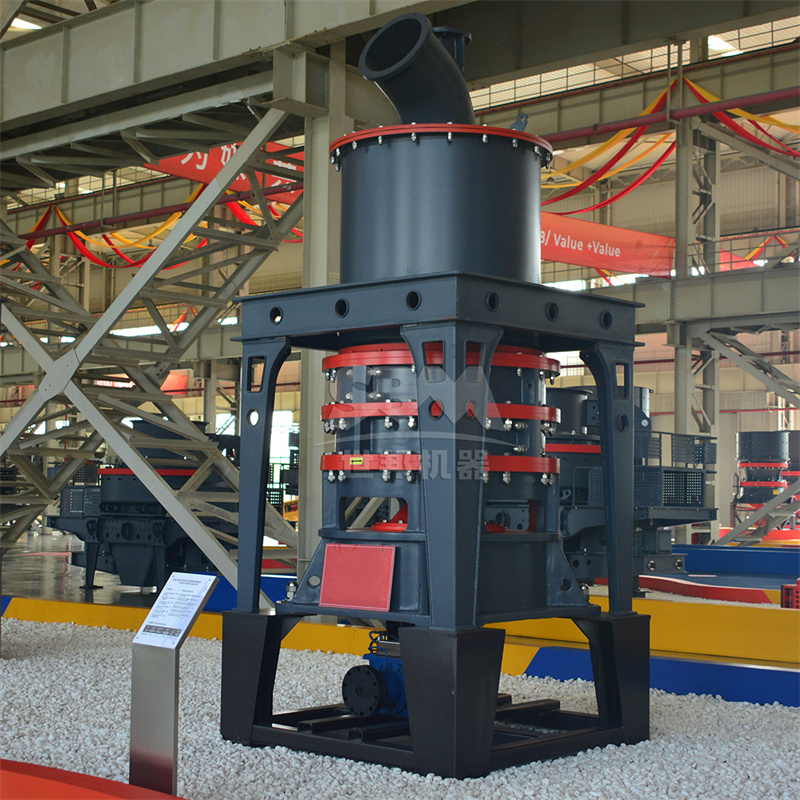
1. For Specialized Ultrafine Production (High Purity & Strict Quality): We strongly recommend the SCM1250 Ultrafine Mill. Capable of producing 2.5-14 t/h of 325-to-2500 mesh powder, its sealed grinding chamber and vertical turbine classifier ensure the highest uniformity and purity demanded by premium industries. Its two-fold capacity increase over jet mills and 30% lower energy consumption make it the most efficient choice in its class. The automatic feedback system guarantees that the target 325 mesh D97 is consistently met, eliminating the risk of oversize particles and ensuring that you command premium pricing for your product.
2. For High-Capacity, General Market Use: For producers focused on high volume with robust efficiency, the MRN158 Pendulum Mill (7-21 t/h) or the MTW175G European Trapezium Mill (9.5-25 t/h) are the industry workhorses. These machines are ideal for producing 325 mesh mesh with a specific surface area suitable for the plastics and coating industries. They provide an exceptional return on investment due to their high throughput, low energy consumption, and reduced maintenance costs. The patented anti-wear shovel and integral bevel gear drive of the MTW, combined with its pulse dust collector, offer a highly reliable and environmentally friendly solution for large-scale continuous operation.
6. Conclusion
Optimizing a 325 mesh calcite powder production line is a multifaceted challenge. Success requires selecting a grinding mill that offers not only high capacity but also low energy consumption and durable wear parts. It requires a classifier that can guarantee a precise cut point for product consistency. Finally, it demands a systems-level approach to optimize costs from the first crusher to the final bagging station.
By employing modern grinding technologies like the LM Vertical Roller Mill, the MTW Trapezium Mill, and the SCM Ultrafine Mill, manufacturers can significantly reduce their production costs per ton while enhancing product quality and meeting stringent environmental standards. The right machinery is an investment in efficiency, output, and long-term profitability.