
1. Introduction to Illite Powder Processing
Illite is a non-expansive clay mineral widely used in ceramics, cosmetics, rubber, plastics, and paint industries. For most commercial applications, particularly in high-end ceramic and polymer fillers, a fineness of 325 mesh (45 microns) is the industry benchmark. Producing this consistently requires specialized machinery that combines efficient grinding with precise classification. This guide provides a comprehensive overview of the equipment and plant configuration needed to establish a high-efficiency 325 mesh illite powder production line.
2. Primary Grinding Mills for Illite
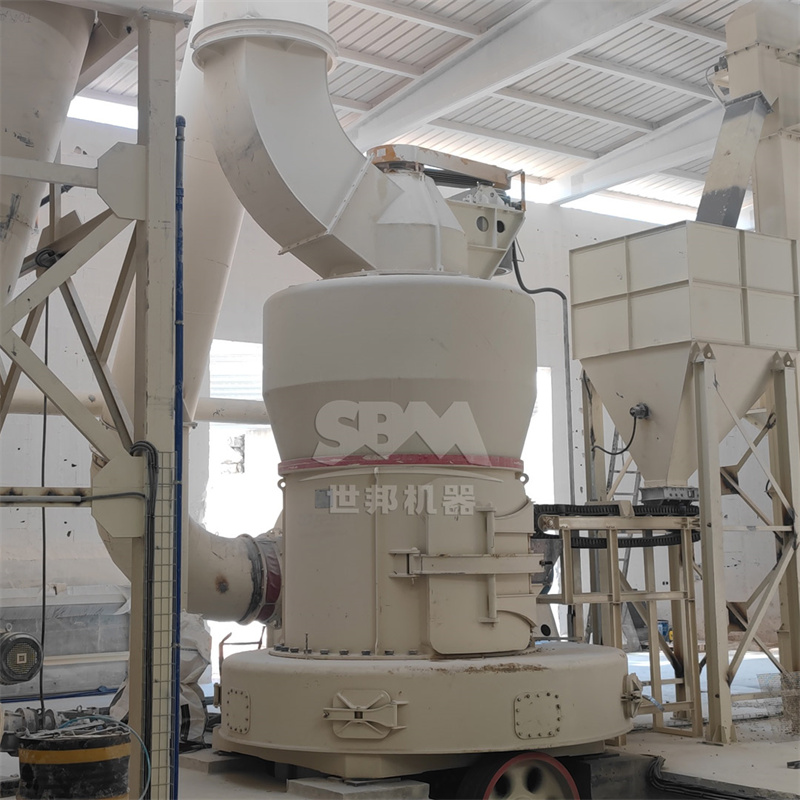
The choice of the main grinding mill is the most critical decision in your plant setup. For illite, which has a hardness of 1–2 on the Mohs scale and is relatively soft, several mill types are suitable. The goal is to achieve the target fineness with minimal energy consumption and high throughput.
2.1 Pendulum Roller Mills (Raymond Mill Type)
For coarser 325 mesh production with high capacity, pendulum mills like the MRN series are excellent. They feature a unique thin oil lubrication system that is maintenance-free, and their scientific configuration with an isolated cyclone reduces energy consumption. With capacities ranging from 2.7 to 83 TPH, they are suitable for large-scale operations. The new classifier ensures a sharp particle size distribution, preventing coarse powder from contaminating the final product.
2.2 Ultra-Fine Vertical Roller Mills
When the need is for even finer products or when the feed material requires more rigorous grinding, the LUM Ultrafine Vertical Roller Mill and the LM vertical mills are the go-to solutions. These integrate grinding and classification into a single unit, offering a compact footprint. For illite, the bed grinding principle ensures high efficiency, and the negative pressure operation guarantees a dust-free environment.
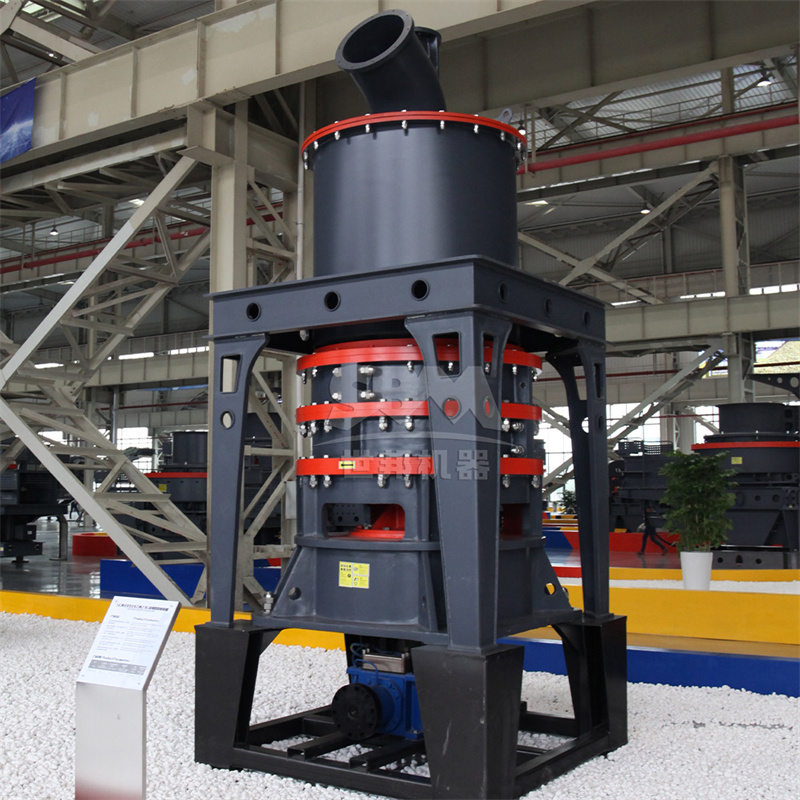
Recommended Product: For a dedicated 325 mesh illite line, we highly recommend the SCM Series Ultrafine Mill. With output fineness ranging from 325-2500 mesh, it is perfectly suited for this task. The SCM1000 model offers a capacity of 1.0-8.5 t/h with a main power of 132kW, ensuring cost-effective production. Its intelligent control system automatically adjusts parameters based on real-time feedback, ensuring consistent product quality while lowering operational costs.
3. The Critical Role of Air Classifiers
No grinding mill can achieve a precise 325 mesh cut without an efficient classifier. The classifier determines the maximum particle size and the percentage of fines within the product. For illite, where oversize particles are unacceptable, a high-precision classifier is non-negotiable.
Modern mills integrate vertical turbine classifiers. These classifiers use centrifugal force to separate fine particles from coarse ones. The coarse particles are returned to the grinding zone for further size reduction, while the fines are discharged as finished product. The efficiency of this system directly impacts the mill’s output and the final product’s quality.
4. Selecting the Appropriate Grinding Mill Model
To help you select the right machine, here is a comparison of our most popular models suitable for illite:
| Model | Max Feed Size | Capacity (t/h) | Main Power (kW) | Fineness |
|---|---|---|---|---|
| SCM800 | ≤20mm | 0.5-4.5 | 75 | 325-2500 mesh |
| SCM1000 | ≤20mm | 1.0-8.5 | 132 | 325-2500 mesh |
| MTW138Z | ≤35mm | 6-17 | 90 | 10-325 mesh |
| LM130X-GX | ≤20mm | 4-10 | 200 | 325-600 mesh |
If you require a high-capacity solution up to 25 t/h, the SCM1680 is our flagship model. It combines a large grinding ring with a powerful 315kW motor, ensuring maximum throughput. Alternatively, for applications needing flexibility between 325 mesh and coarser products, the MTW European Trapezium Mill offers interchangeability of liners and grinding rollers.
5. Complete Plant Setup: From Crushing to Packaging
5.1 Pre-Crushing Stage
Raw illite ore typically comes in lumps. To feed the grinding mill efficiently, it must be reduced to the mill’s input size (e.g., ≤20mm for SCM mills). A jaw crusher or hammer mill is used for this primary size reduction. For softer illite, a hammer mill can often handle the job in a single pass.
5.2 Grinding and Classification Loop
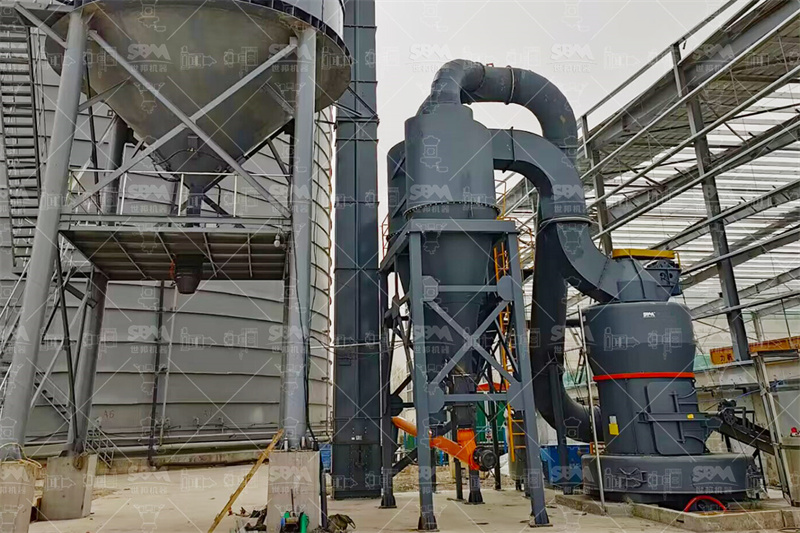
The core of the plant is the grinding mill combined with its internal or external classifier. In a typical closed-circuit system, raw material is fed into the mill. The ground powder is then transported by airflow to the classifier. The qualified fine powder (325 mesh) is collected by a cyclone collector and a pulse dust collector, while the oversize particles fall back into the mill for regrinding.
5.3 Dust Collection and Environmental Compliance
The entire grinding system must operate under negative pressure to prevent dust leakage. A high-efficiency pulse jet baghouse dust collector is essential. This not only protects the environment but also captures valuable product that would otherwise be lost. Our designs integrate internationally advanced pulse dust removal technology, ensuring dust emission concentrations far exceed local environmental standards.
5.4 Finished Product Collection and Storage
The collected fine powder is conveyed to a silo or packing machine. For illite, which is hygroscopic, it is crucial to keep the powder dry during storage. Therefore, the use of sealed silos with dehumidifiers or a simple packing line with multi-layer paper bags is recommended.
6. Energy Efficiency and Cost Reduction
Energy consumption is the most significant operational cost in a grinding plant. When selecting equipment, focus on total system efficiency, not just the mill’s motor power. For example, the LM vertical roller mill integrates three processes – grinding, drying, and classification – in one unit, potentially reducing floor space by 50% and infrastructure costs by 40%.
Furthermore, using a mill with a high internal air flow resistance is energy-inefficient. The MTW Series European Trapezium Mill features an optimized arc air duct that reduces airflow energy loss, significantly improving transmission efficiency. This patented technology helps lower the specific energy consumption (kWh per ton) of your operation.
7. Operational Safety and Maintenance
Reliability is key to continuous production. Opt for mills designed with durability in mind. For instance, the SCM series uses special alloy materials for its rollers and grinding rings, extending service life several times over. Additionally, a shaftless screw grinding chamber ensures stable operation without the risk of shaft failure.
Regular maintenance is simplified on our equipment. Features like hydraulic roller lifting devices and automatic lubrication systems minimize downtime. Advanced PLC control systems allow for remote monitoring of critical parameters like temperature, pressure, and vibration, enabling predictive maintenance and reducing manual intervention.
8. Conclusion: Building Your High-Efficiency Line
In summary, a successful 325 mesh illite powder plant requires a carefully matched system. By integrating a high-efficiency primary mill, precise classification technology, and robust dust collection, you can ensure product quality and environmental compliance.
For new installations, our SCM Ultrafine Mill offers a perfect balance of efficiency, precision, and capacity for the 325 mesh target. For expanding existing plants or when coarser products are also needed, the MTW Series provides exceptional flexibility and lower maintenance costs.
Investing in high-end equipment not only guarantees product quality but also reduces long-term operational expenses. Please contact our engineers to discuss your specific raw material characteristics and capacity requirements for a tailored solution.