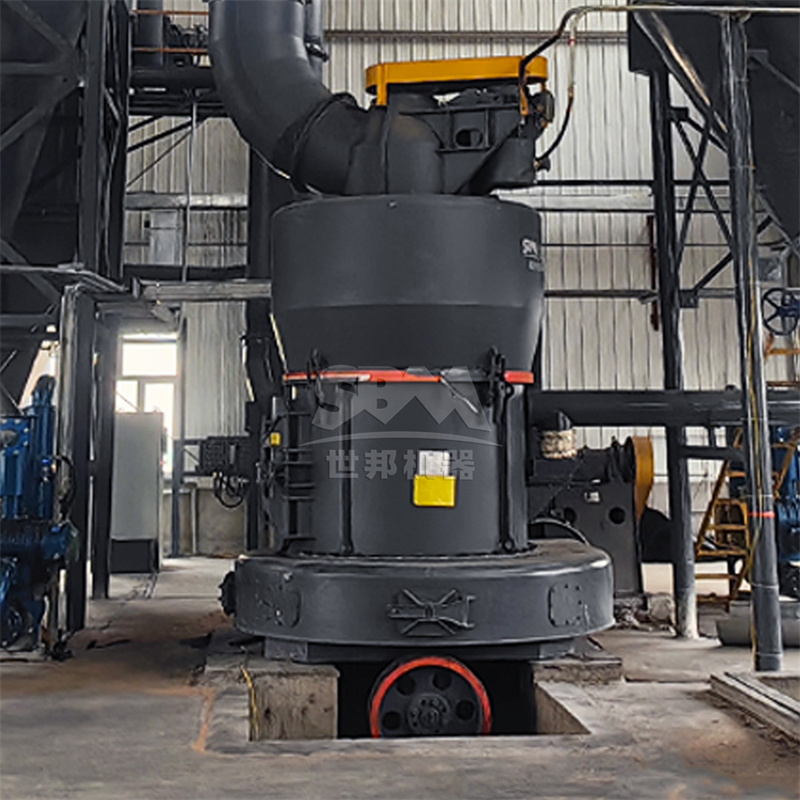
Introduction to 380 Mesh Gypsum Powder Production
Gypsum powder, particularly at the high-demand 380 mesh (approximately 38-40 microns) specification, is a critical raw material for the construction, ceramics, and pharmaceutical industries. Producing this fine powder consistently and cost-effectively requires specialized milling equipment capable of precise classification, high throughput, and energy efficiency. Modern processing solutions integrate crushing, grinding, classifying, and dust collection into streamlined systems. This article explores the key machinery and technological advancements that define high-efficiency 380 mesh gypsum powder production, focusing on durability, energy savings, and product uniformity.
Core Processing Stages for 380 Mesh Gypsum
The production of 380 mesh gypsum powder typically involves three main stages: primary crushing, fine grinding, and classification. Raw gypsum (CaSO4·2H2O) is first crushed to a manageable size, usually under 20-50mm. The crushed material is then fed into a mill where it is ground into a fine powder. Finally, an integrated classifier separates particles, ensuring that only those meeting the 380 mesh standard pass through, while oversized particles are returned for regrinding. The efficiency of this loop depends heavily on the mill’s design and the classifier’s precision.
Key Machine: Advanced Roller Mills for Fine Grinding
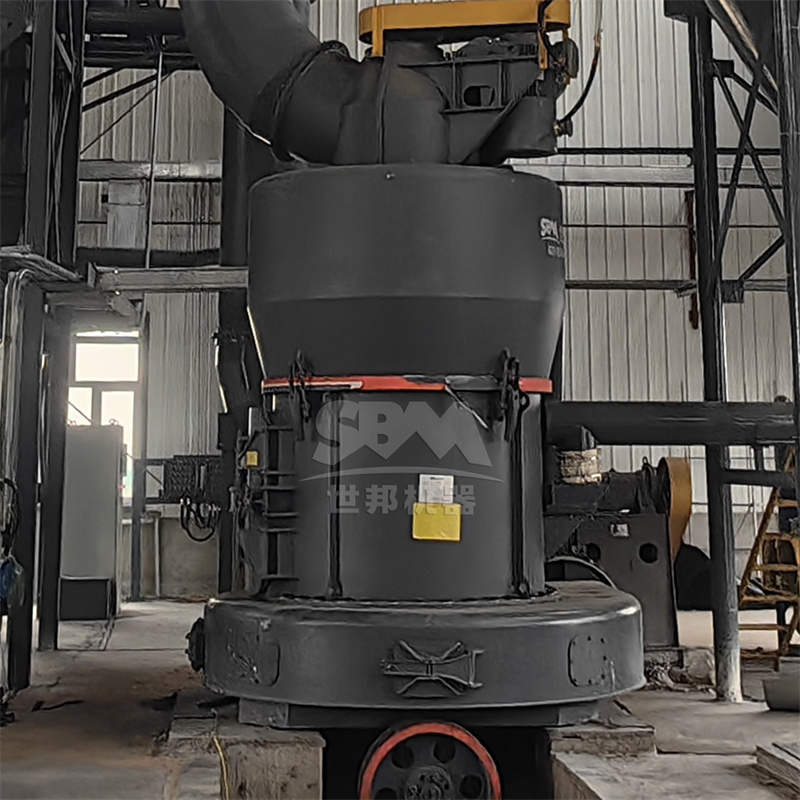
For achieving a consistent 380 mesh fineness, roller mills have become the industry standard due to their high grinding efficiency and low energy consumption. Unlike traditional ball mills, roller mills utilize a bed of material for grinding, reducing metal-to-metal contact and wear. Our company’s SCM Series Ultrafine Mill is specifically engineered for ultra-fine powder production between 45 and 5 microns, making it an ideal choice for 380 mesh gypsum processing. This mill features a three-layer grinding ring and roller design that ensures multi-stage crushing. The vertical turbine classifier provides precise particle size cutting, completely eliminating coarse powder mixing. With a capacity up to 25 tons per hour and energy consumption 30% lower than jet mills, the SCM series offers unparalleled efficiency for demanding applications.
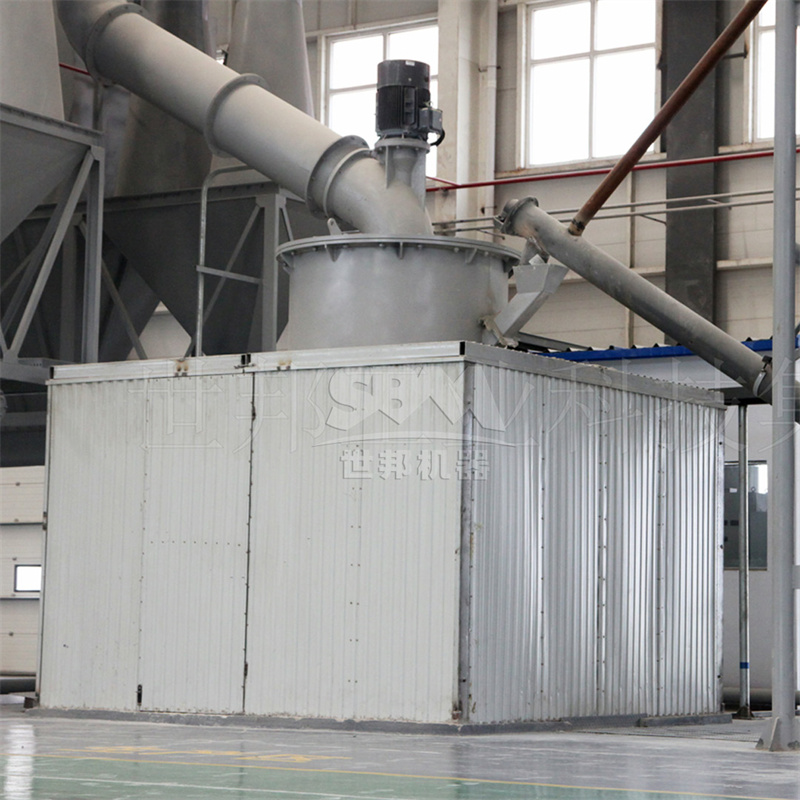
Recommended Product: The SCM1250 Ultrafine Mill
For medium to large-scale 380 mesh gypsum production lines, the SCM1250 Ultrafine Mill stands out as a prime solution. With a capacity of 2.5 to 14 tons per hour and a main power of 185kW, it processes feed sizes up to 20mm directly into 325-2500 mesh powder. Its intelligent control system automatically adjusts the grinding gap based on real-time fineness feedback, ensuring consistent product quality while reducing operator intervention. The shaftless screw grinding chamber ensures stable operation even under heavy loads, while the soundproof design keeps noise levels low. This model effectively doubles the capacity of traditional jet mills while cutting energy costs by a third.
Alternative Solution: The MTW European Trapezium Mill
When production requirements shift towards slightly coarser outputs or higher tonnages, the MTW Series European Trapezium Mill provides excellent versatility for the 30-325 mesh range. Although its primary fineness covers 600-45μm, it is highly effective for producing 380 mesh gypsum when properly configured. The MTW mill features a patented integral bevel gear drive that achieves 98% transmission efficiency and an optimized arc air duct that minimizes energy loss. Its wear-resistant volute structure reduces maintenance costs by 30%. For high-volume plants needing a robust, low-maintenance grinding solution, models like the MTW175G (capacity 9.5-25 t/h) or the MTW215G (capacity 15-45 t/h) are excellent choices. Both models feature durable combined shovel blades and a curved roller design that extends service life.
Intelligent Classification and Dust Collection
A key component of any 380 mesh gypsum system is the classification unit. High-precision dynamic classifiers, such as those used in the SCM and MTW series, ensure that the final product contains no oversized particles. This is crucial for applications like plasterboard manufacturing, where particle size consistency directly impacts setting time and final strength. Additionally, modern environmental regulations demand effective dust control. Pulse dust collection systems with filtration efficiencies exceeding international standards are integrated into these mills. The entire system operates under negative pressure, ensuring zero dust leakage and a clean working environment. This combination of precise classification and advanced filtration guarantees a high-quality, market-ready product.
Design for Durability and Low Operating Costs
Heavy-duty industrial environments demand machinery that can withstand continuous operation. High-efficiency gypsum mills are now constructed with special alloy materials for rollers and grinding rings, extending their service life several times over. The non-contact design between grinding rollers and the table in some mill types significantly reduces wear. Furthermore, intelligent lubrication systems, such as the thin oil lubrication found in advanced pendulum mills, are becoming standard. These systems reduce maintenance frequency and increase machine uptime. By reducing both energy consumption and spare parts replacement, modern milling solutions offer a total cost of ownership that is significantly lower than older technologies, making them a sound investment for any gypsum processing plant.
Conclusion: Optimizing Your Gypsum Processing Line
Selecting the right equipment for 380 mesh gypsum powder production is a balance of fineness requirements, capacity, energy efficiency, and operational cost. Whether you choose the ultra-fine precision of the SCM Series or the high-throughput capability of the MTW Series, modern Chinese milling technology provides reliable, eco-friendly solutions. Integrating intelligent controls, high-efficiency classifiers, and durable wear parts ensures that your production line remains competitive. For specific project advice and to calculate your exact requirements, consulting with a manufacturer that offers both mill types is the best first step towards optimizing your gypsum processing line.