
Introduction to Attapulgite in Dye Suspension Agents
Attapulgite, a naturally occurring magnesium aluminum phyllosilicate, is widely used as a rheological additive in the production of dye suspension agents. Its unique needle-like crystal structure provides excellent thixotropic properties, ensuring uniform dispersion and stability of dye particles in liquid formulations. To achieve the optimal performance of attapulgite in dye suspensions, precise grinding is essential. The particle size distribution directly influences viscosity, suspension stability, and color consistency. Therefore, selecting a high-efficiency grinding mill is critical for manufacturers aiming to produce high-quality dye suspension agents.
Challenges in Attapulgite Grinding for Dye Applications
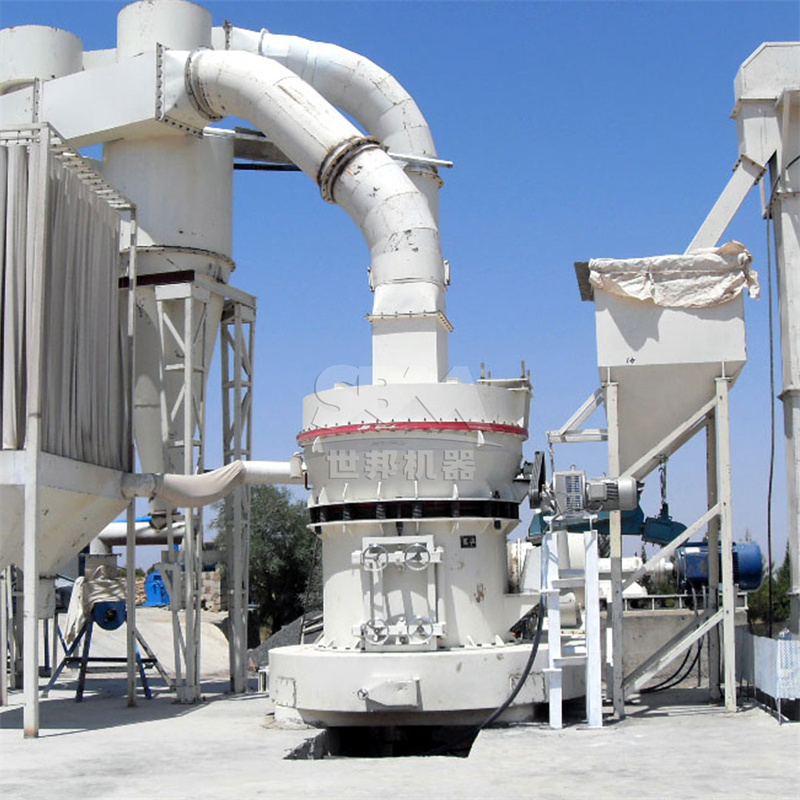
Attapulgite is a challenging material to grind due to its fibrous nature and moisture content. Traditional grinding equipment often struggles with achieving ultra-fine particle sizes while maintaining energy efficiency and preventing equipment wear. For dye suspension agents, the target fineness typically ranges from 325 mesh (45 μm) to 2500 mesh (5 μm). Inefficient grinding can lead to coarse particles that settle quickly, compromising the quality of the final product. Additionally, high energy consumption and frequent maintenance downtime are common pain points in the industry. To address these challenges, advanced grinding technologies such as the SCM Series Ultrafine Mill have been developed, offering superior performance and reliability.
SCM Series Ultrafine Mill: The Ideal Solution for Fine Attapulgite Powder
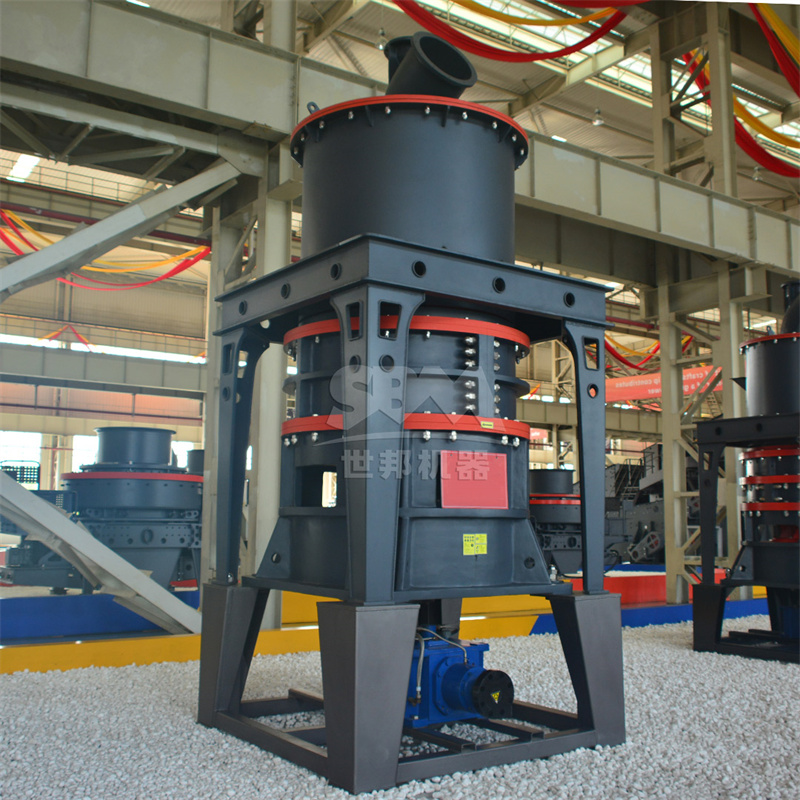
The SCM Series Ultrafine Mill is specifically designed for producing ultra-fine powders ranging from 325 to 2500 mesh (45-5 μm). With a feed size of up to 20 mm and a capacity of 0.5 to 25 tons per hour depending on the model, this mill is perfectly suited for attapulgite grinding in dye suspension agent production. Its core technical advantages include high efficiency and energy savings, with a capacity twice that of jet mills and 30% lower energy consumption. The intelligent control system automatically adjusts the finished product granularity based on real-time feedback, ensuring consistent quality. The high-precision vertical turbine classifier eliminates coarse powder mixing, delivering uniform particle size distribution essential for dye suspensions. Furthermore, the durable design features special material rollers and rings that extend service life several times, reducing maintenance costs and downtime. The shaftless screw grinding chamber ensures stable operation even under continuous heavy loads.
Working Principle of the SCM Ultrafine Mill
The main motor of the SCM Ultrafine Mill drives three layers of grinding rings to rotate at high speed. Materials are fed into the grinding chamber and dispersed into the grinding path by centrifugal force. The rollers apply pressure to crush the material layer by layer, achieving progressive size reduction. The fine powder is then carried by airflow to the classifier, where oversized particles are separated and returned for regrinding. Finally, the finished powder is collected by a cyclone collector and a pulse dust removal system, ensuring an eco-friendly operation with minimal dust emissions. This closed-loop system guarantees high efficiency and product purity.
Alternative Solution: MTW European Trapezium Mill for Coarser Applications
For applications requiring a coarser particle size range of 30 to 325 mesh (600-45 μm), the MTW Series European Trapezium Mill is an excellent alternative. With a feed size of up to 50 mm and a capacity of 3 to 45 tons per hour, it offers flexibility for larger-scale production. Its anti-wear shovel design and optimized arc air duct reduce maintenance costs and improve transmission efficiency. The integral bevel gear drive achieves up to 98% transmission efficiency, saving space and reducing installation costs. The wear-resistant volute structure further reduces maintenance expenses by 30%. While the SCM series is preferred for ultra-fine attapulgite powder, the MTW series remains a robust choice for medium-fineness dye suspension agents.
Comparing Grinding Technologies for Attapulgite
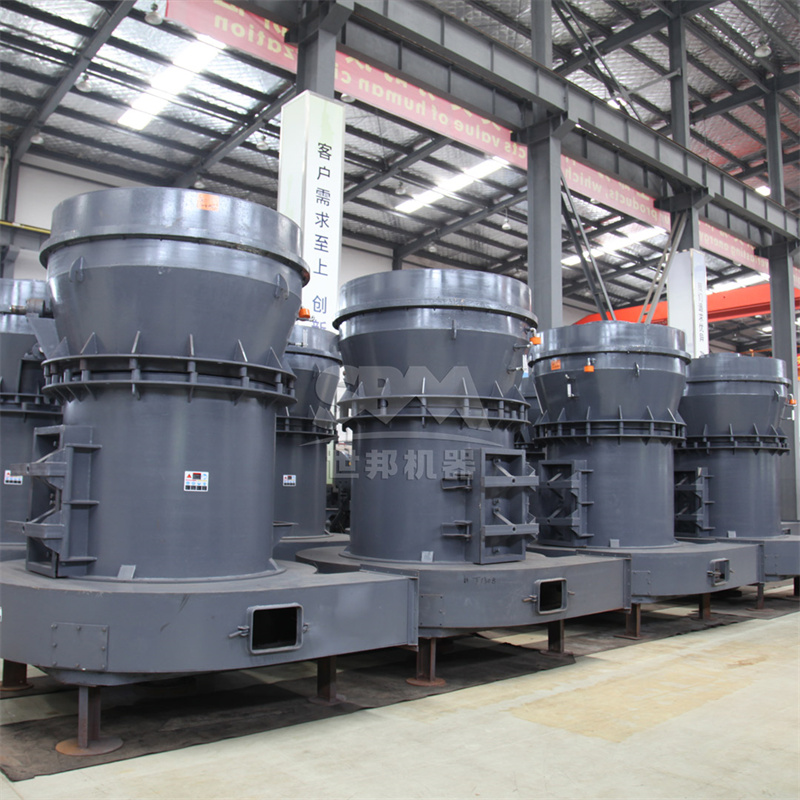
When selecting a grinding mill for attapulgite, manufacturers must consider the target fineness, capacity requirements, and operational costs. The SCM Ultrafine Mill excels in producing ultra-fine particles below 45 μm, making it ideal for high-performance dye suspension agents that demand exceptional stability and dispersion. In contrast, the MTW Trapezium Mill is more suitable for coarser grinds where throughput is prioritized over extreme fineness. Both mills feature eco-friendly designs with pulse dust collection systems and low noise levels, complying with strict environmental regulations. The intelligent control systems in both models reduce manual intervention and ensure consistent product quality.
Key Parameters and Model Selection
The SCM Series offers five models: SCM800 (0.5-4.5 t/h, 75 kW), SCM900 (0.8-6.5 t/h, 90 kW), SCM1000 (1.0-8.5 t/h, 132 kW), SCM1250 (2.5-14 t/h, 185 kW), and SCM1680 (5.0-25 t/h, 315 kW). All models accept a feed size of 0-20 mm and produce a fineness of 325-2500 mesh. For larger capacities, the MTW Series includes models such as MTW110 (3-9 t/h, 55 kW), MTW138Z (6-17 t/h, 90 kW), and MTW215G (15-45 t/h, 280 kW), with fineness ranging from 10 to 325 mesh. The choice between the two series depends on the specific particle size requirements of the dye suspension agent formulation.
Conclusion: Optimizing Dye Suspension Agent Production
In conclusion, the production of high-quality dye suspension agents relies heavily on the efficient grinding of attapulgite. The SCM Series Ultrafine Mill stands out as the premier solution for achieving ultra-fine particle sizes down to 5 μm, offering unparalleled efficiency, precision, and durability. For coarser applications, the MTW European Trapezium Mill provides a reliable and cost-effective alternative. By investing in advanced grinding technology, manufacturers can enhance product performance, reduce operational costs, and meet the demanding standards of the dye and pigment industry. For more information or to request a customized solution, please contact our technical team.