
Introduction to Bentonite Additives in Detergent Manufacturing
Bentonite, a naturally occurring clay mineral primarily composed of montmorillonite, has become an indispensable raw material in the modern detergent industry. Its exceptional water absorption, swelling capacity, and thixotropic properties make it a critical additive for enhancing the viscosity, stability, and cleaning performance of liquid and powder detergents. In detergent formulations, bentonite acts as a suspending agent, preventing the sedimentation of solid particles and ensuring uniform distribution of active ingredients. Moreover, it improves the rheological behavior of detergent slurries, enabling easier processing and better end-user experience. However, to unlock the full potential of bentonite in detergent applications, manufacturers must invest in high-efficiency grinding and processing equipment that can produce ultra-fine, uniform, and high-purity powders. This comprehensive guide explores the essential grinding mills and processing lines required for producing premium bentonite additives, with a focus on advanced technologies that optimize particle size distribution, energy consumption, and production capacity.
The Science of Bentonite Grinding for Detergent Formulations
The performance of bentonite in detergent manufacturing is highly dependent on its particle size and surface area. Finer particles, typically in the range of 325 to 2500 mesh (45-5 µm), exhibit higher swelling capacity and better dispersion in aqueous solutions, leading to superior thickening and stabilizing effects. Achieving this level of fineness requires specialized grinding equipment that can handle the abrasive nature of bentonite while maintaining consistent output quality. Traditional ball mills, while effective for coarse grinding, often fall short in terms of energy efficiency and precision when targeting ultra-fine particle sizes. This is where advanced ultrafine and vertical roller mills come into play, offering significant advantages in terms of capacity, energy savings, and product uniformity. The choice of grinding technology directly impacts the quality of the final detergent product, as well as the operational costs and environmental footprint of the manufacturing process.
Key Considerations for Selecting Bentonite Grinding Equipment
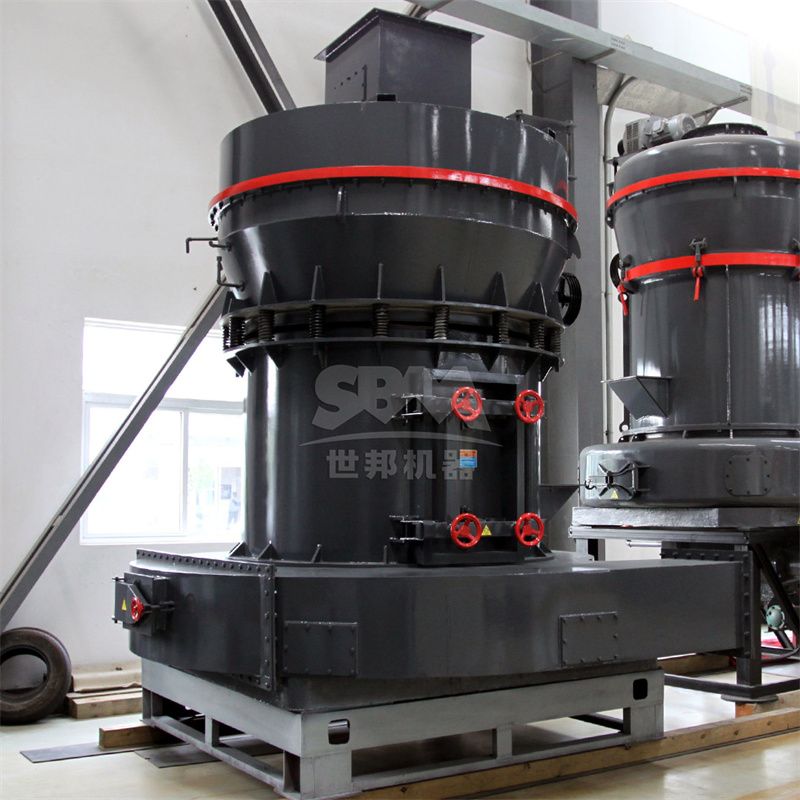
When designing a bentonite processing line for detergent additive production, several critical factors must be evaluated. First, the input material characteristics, including moisture content, hardness, and initial particle size, determine the type of mill and pre-processing required. Bentonite typically has a feed size of up to 20-50mm, depending on the mining and beneficiation process. Second, the desired output fineness directly influences the selection of the grinding mill. For detergent applications, where particle sizes below 45 µm are often required, ultrafine mills such as the SCM Series or LUM Series are ideal choices. Third, production capacity needs dictate whether a single mill or a multi-unit processing line is necessary. High-volume detergent manufacturers may require capacities exceeding 20 tons per hour, necessitating robust machines like the MTW European Trapezium Mill or LM Vertical Roller Mill. Finally, operational factors such as energy consumption, maintenance requirements, and environmental compliance play a pivotal role in equipment selection. Modern mills incorporate intelligent control systems, eco-friendly dust collection mechanisms, and wear-resistant components to address these challenges efficiently.
SCM Series Ultrafine Mill: Precision Grinding for Ultra-Fine Bentonite Additives
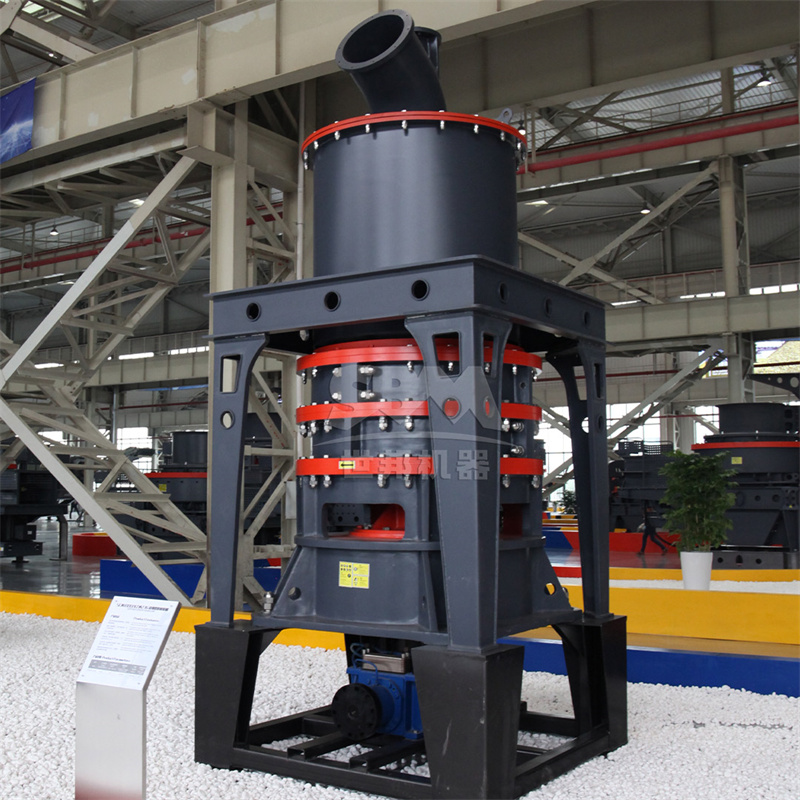
For detergent manufacturers requiring the finest bentonite powders, the SCM Series Ultrafine Mill stands out as a premier solution. With an input size capacity of up to 20mm and an output fineness ranging from 325 to 2500 mesh (45-5µm), this mill is specifically engineered for high-precision ultrafine grinding. One of its key advantages is its exceptional energy efficiency, offering twice the capacity of traditional jet mills while consuming 30% less energy. This is achieved through a unique three-layer grinding ring design and an intelligent automatic feedback system that continuously monitors and adjusts the finished product granularity. The vertical turbine classifier ensures precise particle size cutting, completely eliminating coarse powder mixing and delivering uniform finished products essential for consistent detergent quality. The durable construction features specially formulated rollers and rings that extend service life several times over, while the shaftless screw grinding chamber ensures stable and vibration-free operation. Additionally, the SCM mill incorporates advanced pulse dust collection technology that exceeds international environmental standards, making it an eco-friendly choice for modern manufacturing facilities.
We specifically recommend the SCM1680 model for large-scale bentonite additive production. With a capacity range of 5.0 to 25 tons per hour and a main power of 315kW, it is capable of handling the most demanding production requirements. The mill achieves an output fineness of 325-2500 mesh, making it ideal for producing the ultra-fine bentonite powders required for premium liquid detergents. Its intelligent control system, combined with eco-friendly operation features, ensures that manufacturers can meet both quality and sustainability goals simultaneously. For smaller operations, the SCM1000 model offers a capacity of 1.0-8.5 t/h with a 132kW main motor, providing a cost-effective entry point into high-quality bentonite processing without compromising on performance.
MTW European Trapezium Mill: Versatile Grinding for Medium-Fine Bentonite Applications
When the target fineness for bentonite additives falls within the 30-325 mesh (600-45 µm) range, the MTW European Trapezium Mill offers an excellent balance of efficiency, capacity, and cost-effectiveness. This mill accepts a larger input size of up to 50mm, reducing the need for extensive pre-crushing. Its capacity ranges from 3 to 45 tons per hour, making it suitable for both mid-sized and large-scale detergent manufacturing operations. The MTW mill incorporates several innovative features that set it apart from conventional grinding equipment. The anti-wear shovel design with combined shovel blades minimizes maintenance costs, while the curved roller configuration extends grinding roller life significantly. The optimized arc air duct reduces airflow energy loss, improving overall transmission efficiency, and the integral bevel gear drive achieves transmission efficiency of up to 98%, saving valuable floor space and reducing installation costs. Furthermore, the wear-resistant volute structure with non-resistance flow design enhances air selection efficiency and reduces maintenance costs by 30%.
For applications requiring higher capacity, the MTW215G model is particularly noteworthy. With a capacity range of 15-45 t/h, a main power of 280kW, and the ability to handle feed sizes up to 50mm, it is one of the most powerful and versatile mills in its class. The mill achieves a fineness range of 10-325 mesh, covering virtually all medium-fine bentonite requirements for detergent manufacturing. Combined with the MRN158 and MRN198 models, which offer capacities of 7-21 t/h and 12-33 t/h respectively, manufacturers can select the exact configuration that matches their production scale and quality specifications. All MTW series mills feature independent intellectual property rights, internal suction oil lubrication systems, and internationally advanced pulse dust removal technology, ensuring reliable and environmentally compliant operation.
LM Series Vertical Roller Mill: High-Capacity Integrated Processing for Large-Scale Production
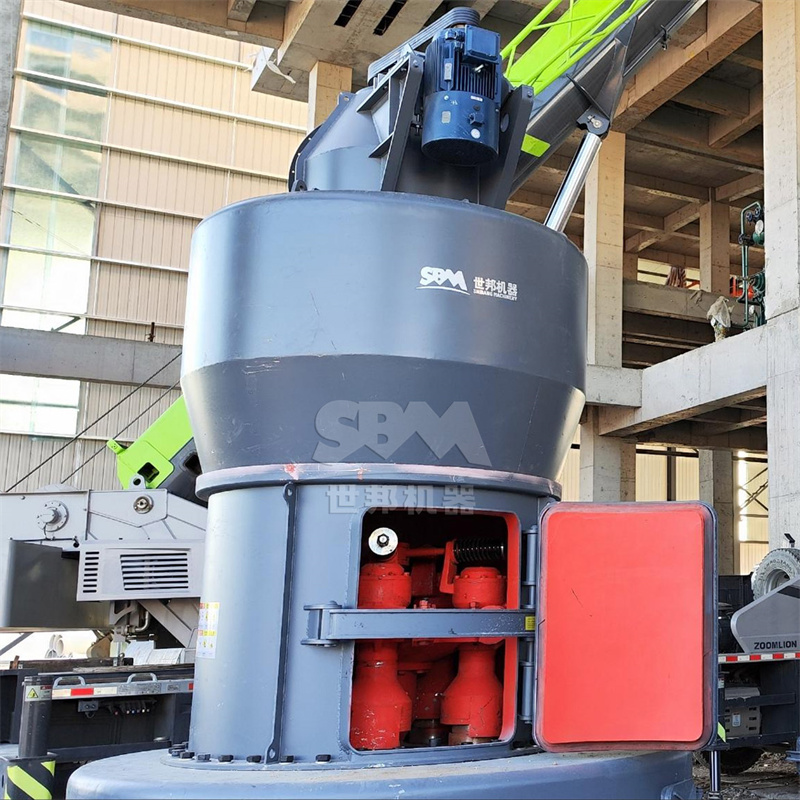
For large-scale detergent manufacturers requiring consistent high-volume bentonite processing, the LM Series Vertical Roller Mill offers an integrated solution that combines crushing, grinding, and classification in a single system. With an input size tolerance of up to 50mm and output fineness ranging from 30-325 mesh (with special models reaching 600 mesh), this mill series covers capacities from 3 to an impressive 250 tons per hour. The integrated design significantly reduces floor space requirements by 50% and enables outdoor installation, lowering infrastructure costs by 40%. The non-contact design between rollers and table extends wear part life by three times, while energy consumption is 30-40% lower compared to traditional ball mill systems. The intelligent control system features expert-level auto-control capabilities supporting remote and local switching, with real-time monitoring of all critical parameters to reduce manual intervention. The fully sealed negative pressure operation ensures dust emissions remain within stringent environmental limits, and operating noise levels are significantly lower than conventional mills.
The LM280K model, with a table diameter of 2800mm, capacity of 50-170 t/h, and main power of 1250kW, represents the pinnacle of vertical roller mill technology for mineral processing. For bentonite additive production, the vertical fine-powder mill series (LM130X-GX to LM220X-GX) is especially relevant, offering feed sizes up to 20mm and output fineness of 325-600 mesh with capacities of 4-30 t/h. Patented technologies including modular grinding roller assembly quick-change systems, dynamic classifier multi-stage adjustment technology, and hot air circulation energy-saving systems ensure that the LM series remains at the forefront of efficient and sustainable grinding technology.
Processing Line Configuration for Optimal Bentonite Additive Production
Designing a complete bentonite processing line for detergent manufacturing involves integrating several stages, from material handling and pre-crushing to fine grinding, classification, and packaging. A typical high-efficiency processing line begins with a hammer mill or jaw crusher for initial size reduction to below 20mm, followed by a drying system to reduce moisture content to optimal levels for grinding. The main grinding stage employs either an SCM ultrafine mill or MTW trapezium mill, depending on the target fineness and capacity requirements. For ultra-fine bentonite applications, the LUM Ultrafine Vertical Roller Mill (models LUM1525, LUM1632, LUM1836) offers feed sizes up to 20mm with output fineness of 325-2500 mesh and capacities from 1.6 to 15 t/h, featuring multi-rotor classification technology that completely eliminates coarse particle contamination. The final stage includes a pulse dust collector for environmental compliance, a classifier for precise particle size control, and a packaging system for bagging the finished product.
Conclusion: Achieving Competitive Advantage Through Advanced Grinding Technology
The production of high-quality bentonite additives for detergent manufacturing demands a strategic approach to equipment selection and process design. By investing in advanced grinding mills such as the SCM Series Ultrafine Mill and MTW European Trapezium Mill, manufacturers can achieve superior product quality, higher production efficiency, and lower operating costs. These technologies not only enable precise control over particle size distribution but also significantly reduce energy consumption and environmental impact. As the detergent industry continues to evolve towards more sustainable and high-performance formulations, the role of well-processed bentonite additives becomes increasingly critical. Partnering with a reliable equipment manufacturer that offers comprehensive solutions, from individual mills to complete processing lines, ensures that detergent producers can meet the rigorous demands of modern consumers while maintaining operational excellence and profitability. Whether targeting ultra-fine powders for liquid detergents or medium-fine grades for powder formulations, the right grinding technology is the foundation of success in the competitive detergent manufacturing landscape.