
1. Introduction to Attapulgite Powder Production
Attapulgite, also known as palygorskite, is a magnesium-aluminum silicate mineral with a unique fibrous morphology. Its exceptional rheological properties, high surface area, and thermal stability make it an indispensable raw material in the construction industry. Building material grade attapulgite powder is widely used as a thickener, suspending agent, and binder in products such as gypsum-based plasters, cementitious tile adhesives, self-leveling compounds, and bituminous membranes. The performance of these end-products is critically dependent on the particle size distribution, specific surface area, and purity of the attapulgite powder. Consequently, selecting the right production equipment is not merely a matter of capital expenditure; it is a strategic decision that dictates product quality, operational efficiency, and long-term profitability. This guide provides a comprehensive overview of the selection criteria, processing technology, and cost implications associated with high-efficiency attapulgite powder production, leveraging advanced milling solutions to meet the rigorous demands of the building materials sector.
2. Critical Selection Criteria for Attapulgite Milling Equipment
The selection of appropriate grinding equipment for attapulgite must be based on a multi-faceted analysis. Unlike brittle materials, attapulgite is a soft but tough and fibrous mineral. This presents unique challenges in grinding, as the fibrous structure must be effectively dispersed and shortened to release its rheological potential without over-grinding, which can destroy its beneficial properties. Key criteria for equipment selection include:
Feed Size and Moisture Content: Raw attapulgite typically arrives from the mine with a moisture content of 15-25% and a lump size of up to 50mm. The selected equipment must handle this feed size efficiently or be preceded by a drying and primary crushing stage. For instance, our SCM Series Ultrafine Mill accepts a feed size of ≤20mm, making it ideal for secondary grinding after primary crushing.
Required Fineness and Classification Precision: Building material applications often require a fineness range from 200 mesh (75μm) for basic fillers to 1250 mesh (10μm) or finer for high-performance additives. The equipment must feature a high-precision classification system to ensure a narrow particle size distribution, preventing coarse particles from compromising product consistency. Both the MTW Series European Trapezium Mill (30-325 mesh) and the SCM Series Ultrafine Mill (325-2500 mesh) offer exceptional classification accuracy.
Energy Efficiency and Operational Cost: Grinding is an energy-intensive process. Selection should favor technologies that utilize the principle of inter-particle crushing or bed grinding to minimize energy consumption. Vertical roller mills (VRM) and trapezium mills are significantly more efficient than traditional ball mills, often reducing energy consumption by 30-40%.
Wear and Tear Resistance: While attapulgite is not highly abrasive, the presence of quartz impurities can cause wear. Equipment with wear-resistant liners, specialized roller materials, and optimized shovel designs will ensure a longer service life and lower maintenance costs.
3. Understanding the Attapulgite Grinding Process
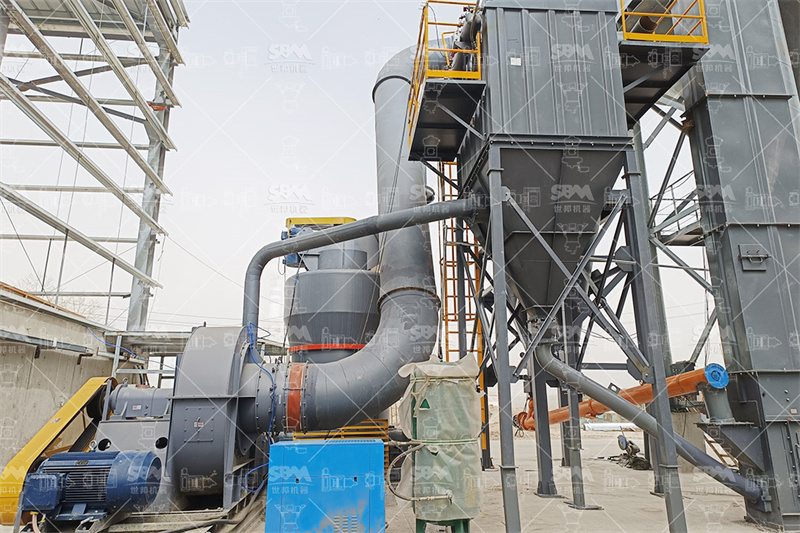
The transformation of raw attapulgite ore into a high-value powder involves a well-defined process. First, the raw ore (≤50mm) is fed into a primary crusher to reduce it to a manageable size. This is followed by a drying step to lower the moisture content to below 1-2%. The dried material is then fed into the main grinding mill. The core of the process involves grinding chambers where rollers or rings apply mechanical force to crush and grind the material. As the material is ground, an airflow system carries the fine particles to a classifier. The classifier acts as a quality gate, allowing particles of the desired fineness to pass through while returning oversized particles to the grinding zone for further reduction. The final step involves collecting the finished powder via a high-efficiency cyclone and pulse-jet baghouse dust collector, ensuring a clean and environmentally compliant operation.
4. Advanced Solutions for Fine and Ultrafine Attapulgite
The selection of the appropriate mill generation is crucial for optimizing throughput and achieving target fineness. For the production of standard building material grades (typically 100-325 mesh), a pendulum mill or a European trapezium mill offers a perfect balance of cost, capacity, and efficiency. However, when the application demands a finer particle size to enhance surface interaction in adhesives or sealants, an ultrafine grinding solution becomes necessary.
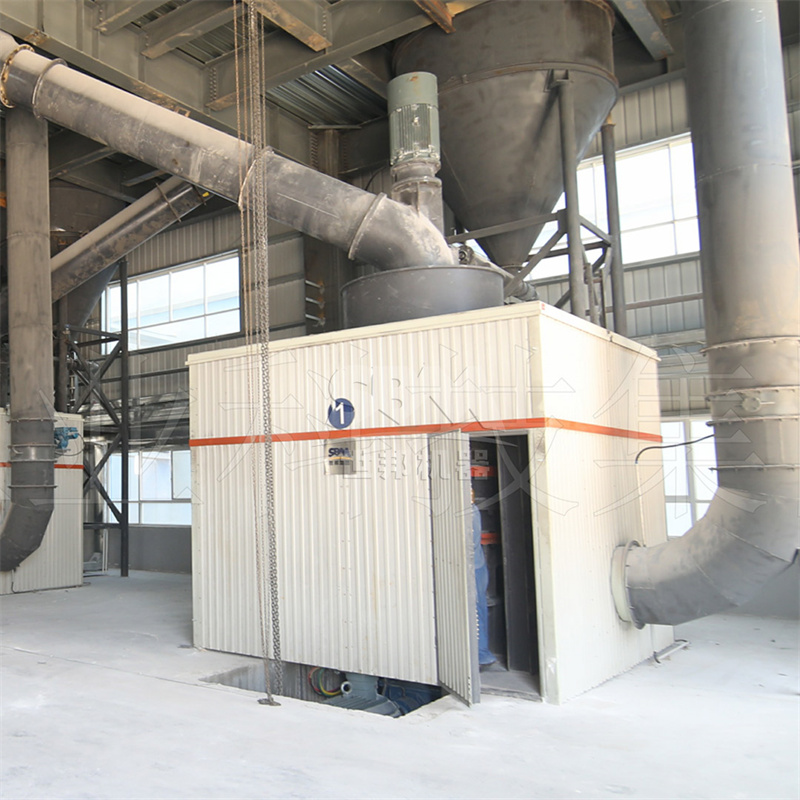
We highly recommend the SCM Series Ultrafine Mill for its unparalleled performance in the 45-5μm range. It is engineered to provide precision grinding with high efficiency and low energy consumption. Its advanced vertical turbine classifier ensures no coarse powder contamination, which is vital for maintaining the high quality of building material additives. As an example of its capability, the SCM1250 model can produce 2.5-14 t/h of attapulgite with a fineness ranging from 325 to 2500 mesh, powered by a 185kW main motor. This makes it a versatile and powerful choice for manufacturers focusing on premium products.
5. Emphasizing High-Capacity Production with MTW Mills
For large-scale production scenarios where demand for standard-grade attapulgite powder (200-325 mesh) is high, throughput and reliability are paramount. A vertical roller mill or a large-capacity trapezium mill is often the preferred choice. Learn about the technical advantages of our innovative milling solutions designed to reduce operational costs while maximizing output.
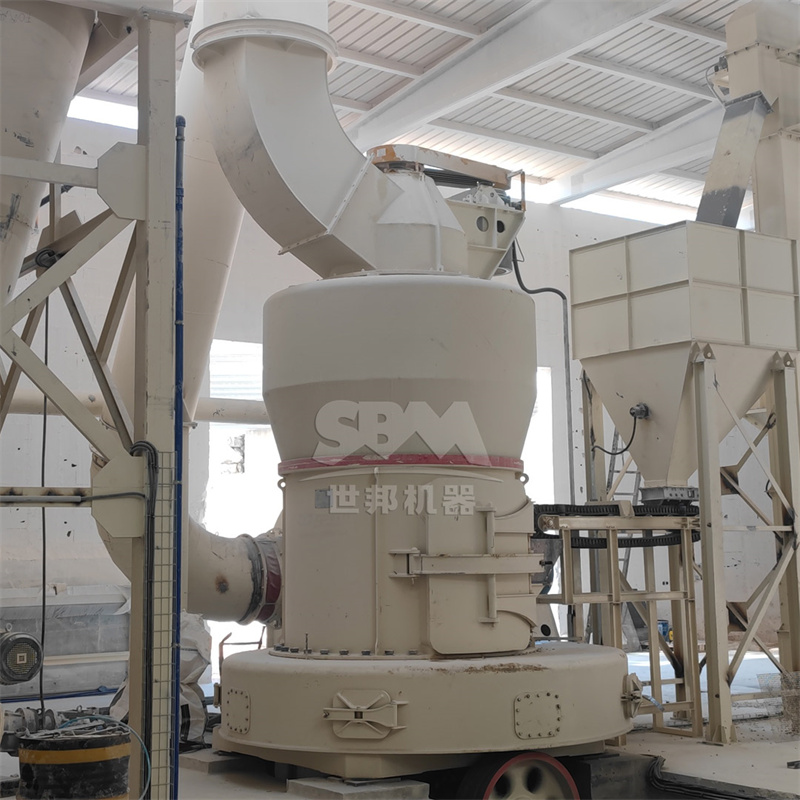
Our MTW Series European Trapezium Mill stands out as a leader in medium-to-large capacity grinding. It embodies a mature and field-proven design, featuring an integral bevel gear drive that achieves up to 98% transmission efficiency, significantly reducing energy loss. The anti-wear shovel design and optimized arc air duct minimize maintenance and ensure stable operation. For example, the MTW215G model offers a massive capacity of 15-45 t/h with a fineness range of 10-325 mesh, making it ideal for supplying high volumes of consistent attapulgite powder to the building materials market. This model’s ability to accept a feed size of up to 50mm simplifies the upstream crushing circuit, reducing overall infrastructure costs.
6. Comparative Cost Analysis and Evaluation
When evaluating project feasibility, the initial capital expenditure (CAPEX) is only one part of the equation. The operational expenditure (OPEX) over the equipment’s lifespan often has a far greater financial impact. Below is a comparative breakdown of cost factors.
Ball Mill Legacy: While ball mills have a lower initial purchase price, they suffer from high energy consumption, significant wear of grinding media, and a large footprint. In an era of high energy costs, they are often not the most economical choice for new projects focused on fine powder, despite a lower upfront investment.
Modern High-Efficiency Mills (SCM & MTW): Although the first investment in an SCM Ultrafine Mill or an MTW Trapezium Mill may be higher, they deliver substantial returns over time. They offer a 30-40% reduction in energy consumption compared to ball mills, and wear parts last several times longer due to the use of specialized materials. Furthermore, the integrated system design (with built-in classifiers and dust collectors) reduces the footprint by 40-50%, saving on civil engineering and installation costs. The intelligent control systems also reduce the need for heavy manual operation, lowering labor costs. Therefore, a total cost-of-ownership model invariably confirms the superior economic viability of these modern mills.
7. Conclusion: Investing in Future-Ready Technology
The production of high-quality building material grade attapulgite powder is a demanding process that requires state-of-the-art machinery. Selecting a partner who can provide not just a machine, but a complete solution integrating grinding, classification, and dust collection, is key to business success. Our range of milling equipment, from the high-capacity MTW and LM series to the precision-focused SCM series, is designed to meet every production challenge. By prioritizing energy efficiency, low maintenance, and superior product quality, our equipment ensures that manufacturers can reduce their environmental footprint and operational costs while consistently delivering powder that enhances the performance of modern building materials. We support you with patented technology and expert engineering to ensure that your investment in attapulgite processing yields reliable and profitable returns. Contact us today to discuss your specific requirements and discover how our technology can drive your operation forward.