
Introduction
Magnesite, a key raw material for refractory bricks, magnesium compounds, and high-grade building materials, demands precise and efficient grinding to unlock its full value. The production of high-quality magnesite powder for building materials—typically ranging from coarse 325 mesh to ultra-fine 2500 mesh—requires equipment that balances high throughput, energy efficiency, and product consistency. This guide explores the essential features of modern magnesite powder production equipment and provides a structured approach to selecting the right machinery for your operation.
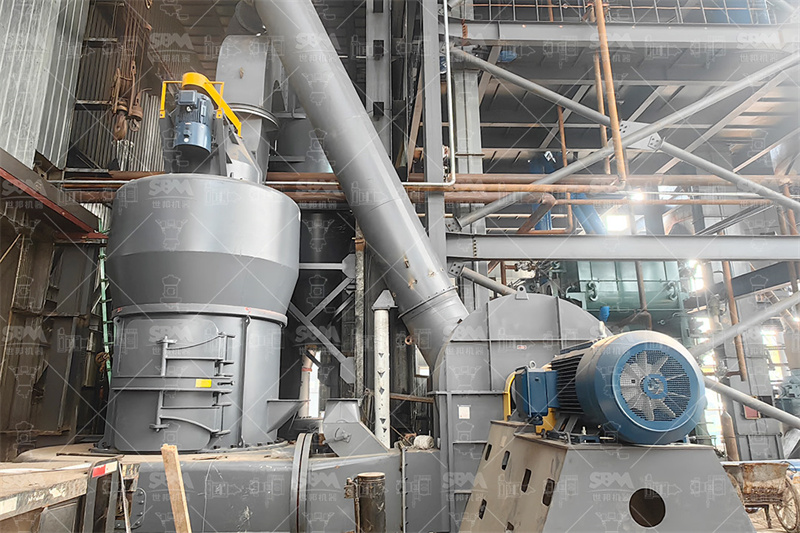
Key Features of High-Efficiency Magnesite Grinding Mills
To meet the stringent demands of the building materials sector, magnesite grinding equipment must incorporate several critical features:
1. High Efficiency and Energy Savings
Energy consumption is a major operational cost. Advanced mills, like our vertical roller mills and ultrafine mills, are designed to achieve significantly higher capacity than traditional mills while consuming less energy. For example, our SCM Series Ultrafine Mill offers 2x the capacity of jet mills with 30% lower energy consumption.
2. Precise Particle Size Classification
Consistent product fineness is paramount. A high-precision classifier, such as the vertical turbine classifier used in our SCM mills, ensures precise particle size cutting without coarse powder mixing. This guarantees a uniform finished product that meets strict building material standards.
3. Durable and Reliable Design
Grinding abrasive materials like magnesite requires robust construction. Features like special material rollers and rings (which can extend service life several times over), wear-resistant volute structures, and anti-wear shovel designs are essential for minimizing downtime and maintenance costs.
4. Intelligent Control and Automation
Modern mills should offer intelligent control systems with automatic finished product granularity feedback. This allows for real-time monitoring and adjustment, reducing manual intervention and ensuring stable operation.
5. Eco-Friendly and Low Noise Operation
Environmental compliance is non-negotiable. High-efficiency pulse dust collection systems, fully sealed negative pressure operation, and soundproof room designs are critical for reducing dust emissions and noise pollution.
Selection Guide: Choosing the Right Mill for Magnesite
Selecting the optimal magnesite grinding equipment depends on your specific production requirements. Below is a guide based on desired fineness and capacity.
For Coarse to Medium Powder (30-325 mesh): Vertical and Trapezium Mills
For applications where a relatively coarse product is acceptable, both the MTW Series European Trapezium Mill and the LM Series Vertical Roller Mill are excellent choices. The LM Series is particularly suitable for large-scale operations, offering a capacity range of 3-250 tons per hour and the ability to handle feed sizes up to 50mm. Its integrated design reduces floor space by 50% and infrastructure costs by 40%.
For medium-scale production requiring high precision, we highly recommend the MTW Series European Trapezium Mill. Its advanced anti-wear shovel design and optimized arc air duct maximize efficiency and reduce maintenance costs.
For Ultra-Fine Powder (325-2500 mesh): Ultrafine Mills
For high-value building materials requiring ultra-fine magnesite powder, dedicated ultrafine milling equipment is necessary. Our SCM Series Ultrafine Mill is specifically engineered for this task. It delivers a product fineness of 325-2500 mesh (5-45 microns) with a capacity of 0.5 to 25 tons per hour. Its intelligent control system ensures consistent product quality and energy efficiency.
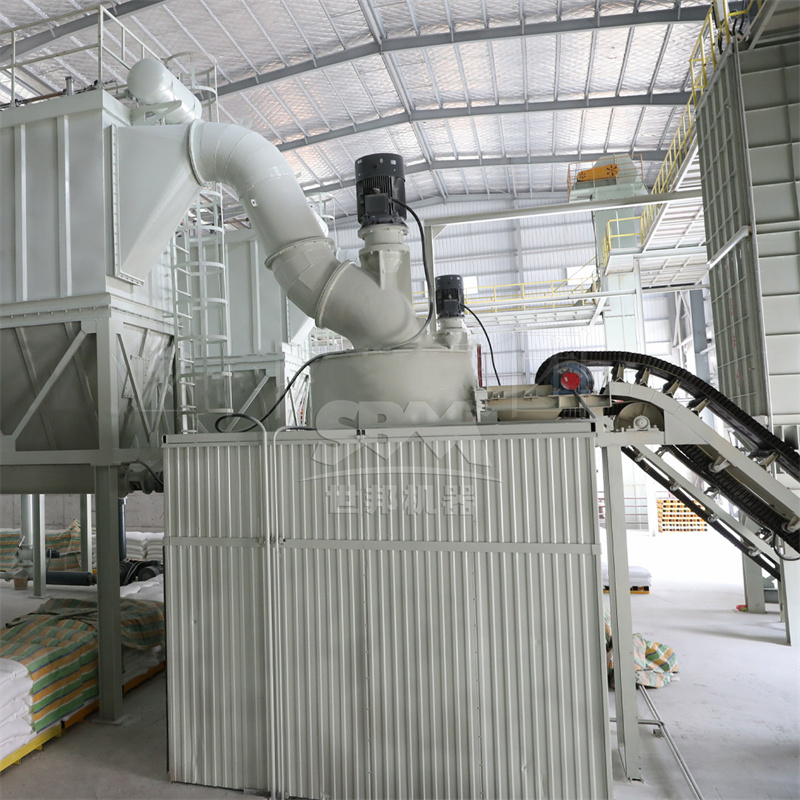
Product Highlight: SCM Series Ultrafine Mill for Superior Quality
When your goal is to produce the finest magnesite powder for high-performance building materials, the SCM Series Ultrafine Mill stands out. Its core parameters—input size ≤20mm, output fineness 325-2500 mesh, and capacity up to 25t/h—make it a powerhouse for fine grinding. The vertical turbine classifier and durable design guarantee a long service life and low operating costs, making it a wise investment for any producer seeking a competitive edge in the premium market.
Conclusion
The selection of high-efficiency magnesite powder production equipment is a strategic decision that impacts product quality, operational costs, and environmental footprint. By focusing on key features like energy efficiency, precise classification, durability, and intelligent control, you can choose a mill that perfectly matches your production targets. Whether you require a high-capacity vertical mill for bulk production or an ultrafine mill for premium applications, understanding these principles will guide you to the best solution.
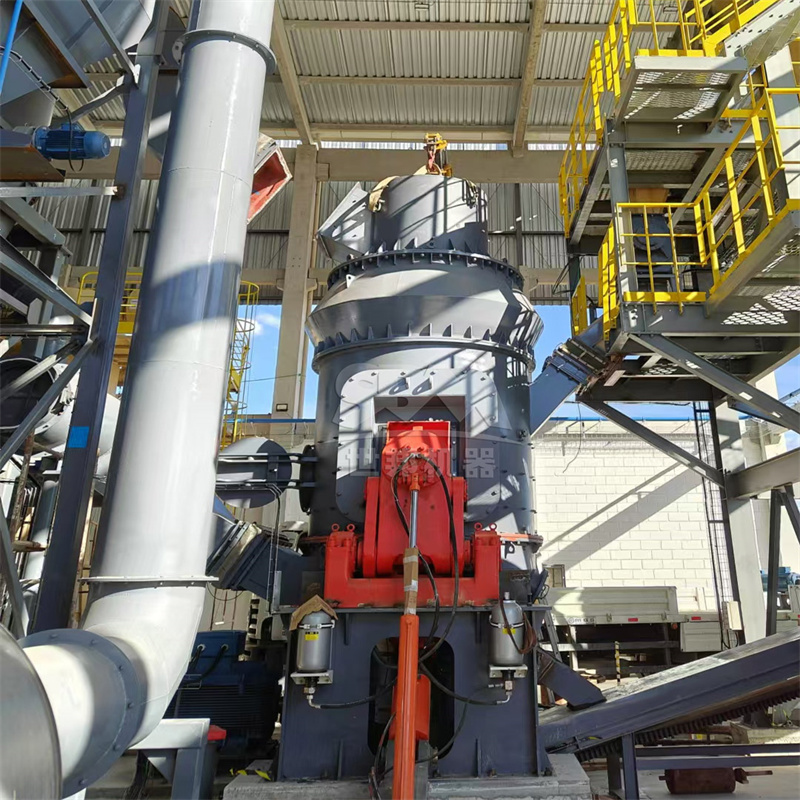
For specialized applications, our LUM Ultrafine Vertical Roller Mill (325-2500 mesh) and MTM Series Medium-speed Trapezium Mill (45-325 mesh) offer versatile solutions. Whatever your scale, we have the technology to help you succeed.