Introduction
The production of high-quality building material grade titanium powder demands precision, efficiency, and reliability. As industries increasingly require finer particle sizes and higher purity levels, the choice of grinding equipment becomes critical. This article provides a comprehensive guide to selecting the right titanium powder production equipment, highlighting key features that ensure optimal performance, energy efficiency, and product consistency. We will explore advanced milling technologies designed to meet the rigorous demands of modern material processing.
The Challenge of Titanium Powder Processing
Titanium is known for its strength-to-weight ratio and corrosion resistance, but its ductility and toughness present unique challenges during grinding. Conventional milling equipment often struggles with heat generation, material adhesion, and achieving uniform particle size distribution. For building material applications, where consistency and surface area are critical, specialized solutions are required. The ideal equipment must offer precise classification, high throughput, and minimal contamination.
Key Features of High-Efficiency Titanium Powder Equipment
When evaluating equipment for producing titanium powder in the 45-5μm range, several technical features stand out as essential:
- High-Precision Classification: A vertical turbine classifier ensures a sharp cut point, eliminating coarse particle mixing. This is vital for applications demanding uniform particle size, such as high-performance coatings and advanced ceramics.
- Energy Efficiency: Advanced mills can achieve twice the capacity of jet mills while consuming 30% less energy. This directly reduces operational costs and environmental impact.
- Durable Wear Parts: The use of special alloy materials for rollers and grinding rings can extend service life by several times, reducing downtime and maintenance expenses.
- Intelligent Control Systems: Automatic feedback on product granularity allows for real-time adjustments, ensuring consistent quality without manual intervention.
- Eco-Friendly Operation: Pulse dust collection systems with efficiency exceeding international standards, combined with soundproof enclosures, ensure compliance with strict environmental and noise regulations.
Selecting the Right Grinding Technology
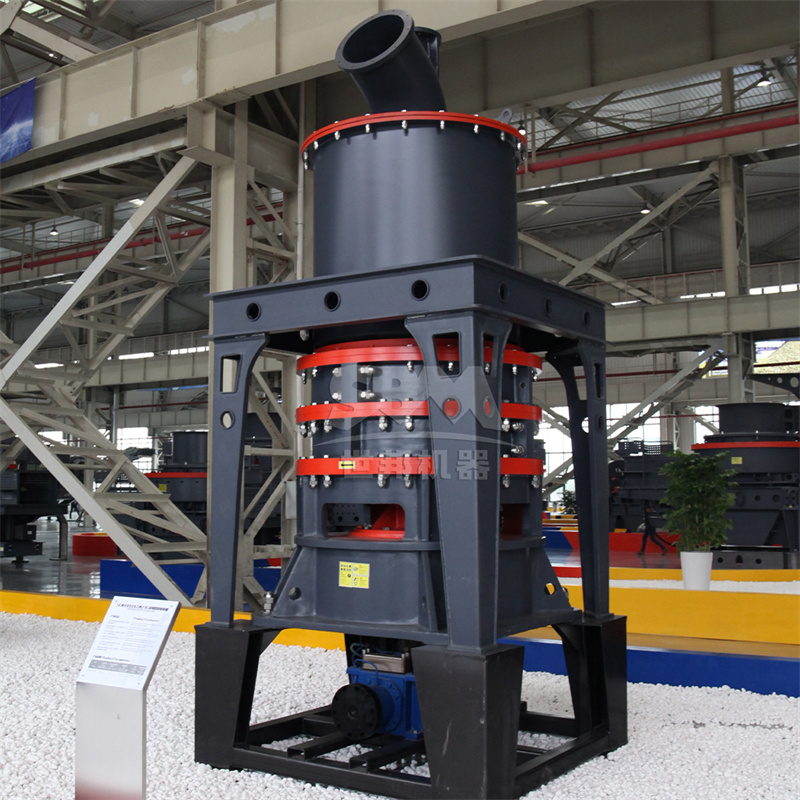
The choice between different mill types depends on your specific production goals. For ultra-fine titanium powder (down to 5μm), specialized equipment is non-negotiable. Our SCM Series Ultrafine Mill is specifically engineered for this task. With an input size of ≤20mm and an output fineness range of 325-2500 mesh (45-5μm), it delivers unmatched precision. The three-layer grinding ring design, combined with roller pressure crushing, ensures materials are ground layer by layer for maximum efficiency. Models like the SCM1000 (1.0-8.5 t/h) and SCM1250 (2.5-14 t/h) are ideal for medium to large-scale production, offering a perfect balance of capacity and energy consumption.
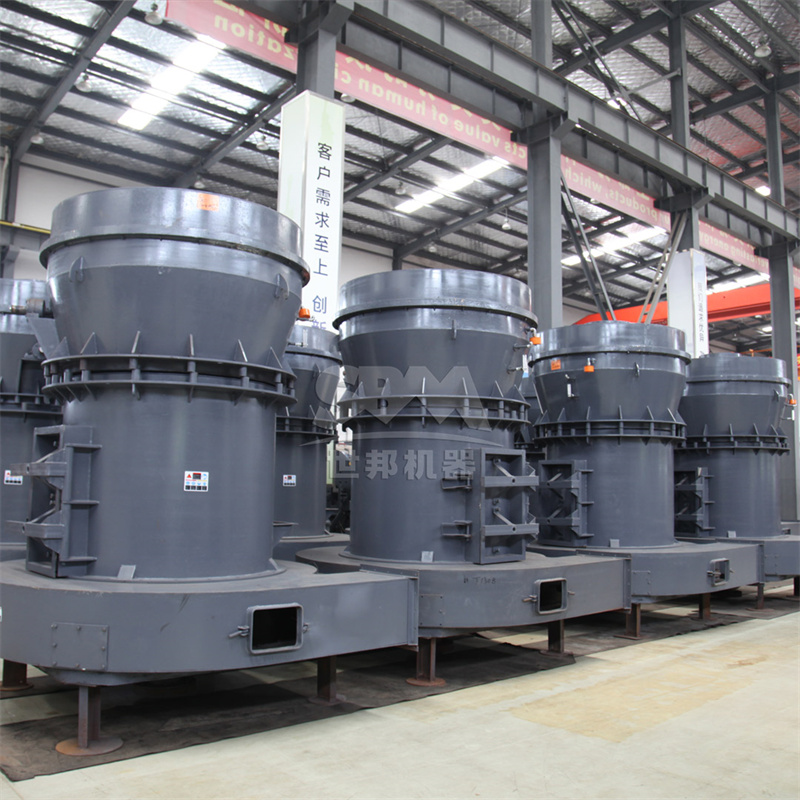
For production requiring larger throughput or coarser particles (600-45μm), alternative technologies may be more suitable. The MTW Series European Trapezium Mill, for instance, excels with an anti-wear shovel design and an integral bevel gear drive achieving 98% transmission efficiency. It is capable of handling feed sizes up to 50mm with capacities ranging from 3 to 45 t/h. The optimized arc air duct reduces energy loss, making it a robust choice for primary grinding stages. When high capacity is the priority, such as in large-scale mineral processing, the LM Series Vertical Roller Mill offers an integrated solution that combines crushing, grinding, and selection in one system, reducing floor space by 50%.
Environmental and Operational Considerations
Modern titanium powder production must prioritize sustainability. Equipment should operate under negative pressure to prevent dust leakage. Look for mills with fully sealed systems and high-efficiency pulse dust collectors. Our SCM Series Ultrafine Mill excels in this regard, with noise levels minimized through soundproof room design and a clean working environment ensured by top-tier filtration. Additionally, the intelligent control system reduces the need for manual monitoring, allowing operators to focus on other critical tasks.
Conclusion: Making the Right Investment
Selecting the right equipment for building material grade titanium powder is a strategic decision that impacts product quality, operational cost, and environmental compliance. By focusing on high-precision classification, energy efficiency, durable components, and intelligent controls, you can ensure a profitable and sustainable production line. For applications requiring ultra-fine fineness, the SCM Series Ultrafine Mill remains the industry benchmark. We invite you to contact our engineering team for a personalized consultation on the best solution for your specific capacity and fineness requirements.