
Introduction
In modern coal-fired power plants and industrial boilers, desulfurization systems play a critical role in meeting stringent environmental regulations. The efficiency of these systems is heavily dependent on the quality and fineness of the coal powder used. High-efficiency coal powder production equipment not only ensures optimal desulfurization performance but also reduces operational costs and environmental impact. This article provides a comprehensive guide to the key features of advanced coal powder mills and offers a selection framework to help engineers and plant managers choose the right equipment for their specific needs.
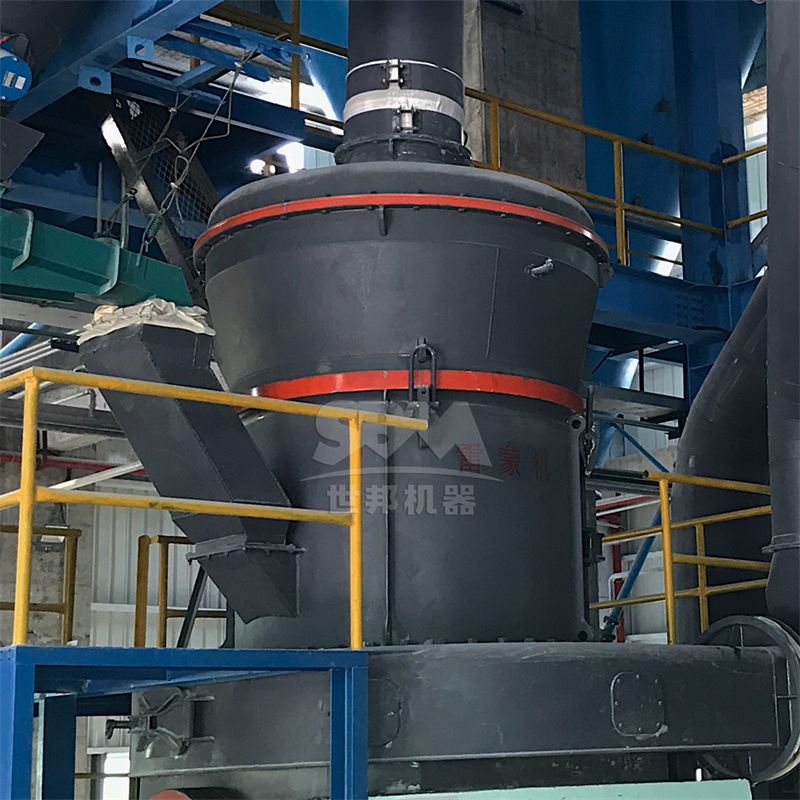
Importance of Coal Powder Fineness in Desulfurization
The desulfurization process, particularly in wet or dry flue gas desulfurization (FGD) systems, requires precise control over the particle size of the coal powder or limestone. For coal powder used in direct injection or as a sorbent, a fineness range of 30-325 mesh (600-45μm) is typically required. Finer particles increase the surface area, enhancing the chemical reaction rate between sulfur compounds and the sorbent. However, over-grinding can lead to higher energy consumption and reduced throughput. Therefore, the ideal equipment must offer a balance between high capacity, low energy use, and precise particle size control.
Key Features of High-Efficiency Coal Powder Mills
When selecting equipment for coal powder production, several technical parameters and design features must be evaluated to ensure long-term reliability and cost-effectiveness.
1. Energy Efficiency and Capacity
Energy consumption is one of the largest operational expenses in a grinding plant. Modern mills utilize advanced grinding principles, such as roller pressure grinding and bed grinding, to significantly reduce energy consumption compared to traditional ball mills. For example, vertical roller mills (VRMs) can achieve 30-40%% lower energy consumption than ball mill systems. Equipment with intelligent control systems that automatically adjust the grinding force and classifier speed based on real-time material feedback ensures optimal performance at all times.
2. High-Precision Classification
The quality of the final product is determined by the classifier. Efficient vertical turbine classifiers ensure a sharp particle size cut, preventing coarse powder from mixing with the finished product. This is essential for maintaining the consistent fineness required for desulfurization reactions. Mills equipped with multi-rotor classifiers or dynamic classifiers offer superior control over the output particle size distribution.
3. Durable and Wear-Resistant Design
Grinding coal and other abrasive materials accelerates wear on critical components such as rollers, rings, and liners. Advanced mills feature special alloy materials for rollers and grinding rings, extending their service life several times over. Shaft-less screw grinding chambers and non-contact designs between rollers and the grinding table reduce maintenance frequency and ensure stable operation even under high-load conditions.
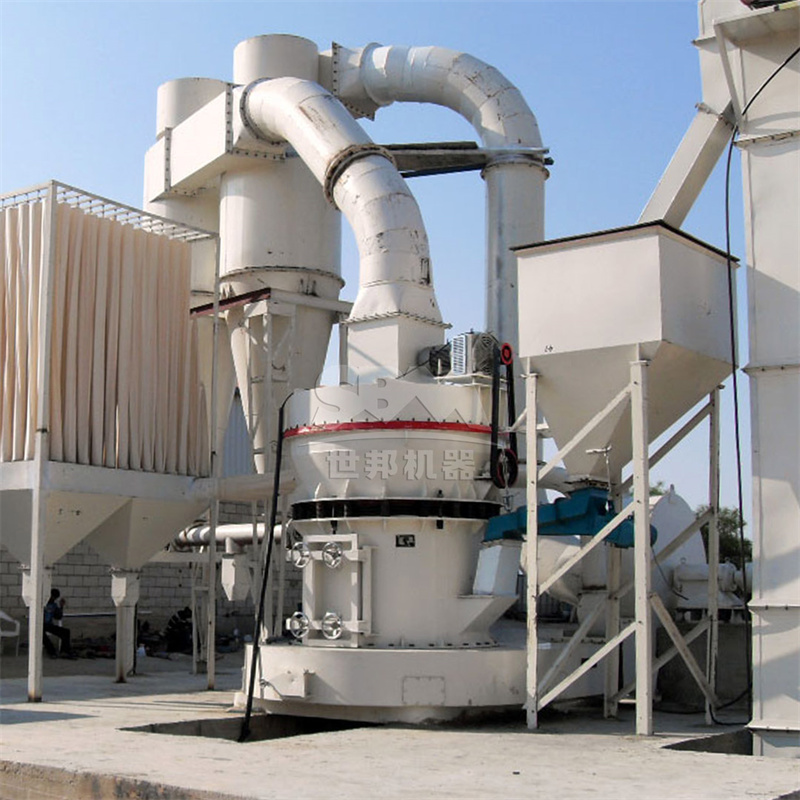
4. Eco-Friendliness and Low Noise Operation
Environmental compliance is a non-negotiable factor. High-efficiency mills are designed with fully sealed, negative-pressure systems to prevent dust leakage. Pulse dust collection systems with efficiencies exceeding international standards capture fine particles, ensuring clean operation. Additionally, soundproof room designs and damping technologies keep noise levels within acceptable limits, creating a safer working environment.
Selection Guide for Desulfurization Coal Powder Mills
Selecting the right mill depends on several variables, including the desired output fineness, required capacity, feed material characteristics, and available power infrastructure. Below is a step-by-step guide to assist in the decision-making process.
Step 1: Determine Required Fineness and Capacity
For most desulfurization systems, a fineness of 10-325 mesh (0.038-2mm) is sufficient. However, some advanced processes may require ultrafine powders down to 2500 mesh (5μm). The required tons per hour (t/h) will dictate the mill size and configuration.
Step 2: Evaluate Material Properties
The feed size (e.g., ≤20mm or ≤50mm), moisture content, and abrasiveness of the coal determine the suitable mill type. For example, hammer mills are excellent for coarse crushing of dry materials, while vertical roller mills handle larger feed sizes and varying moisture levels better.
Step 3: Compare Mill Types
- Vertical Roller Mills (VRMs): Ideal for large-scale operations (3-250 t/h) with integrated drying, grinding, and classifying. Excellent for materials with high moisture content. Models in the LM series offer high capacity and low energy consumption.
- European Trapezium Mills (MTW Series): Suitable for medium-scale production (3-45 t/h) with high finesse requirements. Their anti-wear shovel design and optimized arc air ducts provide efficient grinding with minimal maintenance.
- Ultrafine Mills (SCM Series): Perfect for producing very fine powders (325-2500 mesh) for specialized desulfurization applications. Their capacity ranges from 0.5 to 25 t/h, ideal for small to medium plants.
Step 4: Consider Total Cost of Ownership
Beyond the initial purchase price, consider energy costs, wear part replacement frequencies, and maintenance requirements. Mills with intelligent control systems and modular designs offer lower long-term operating costs.
Recommended Products for Desulfurization Systems
Based on the criteria outlined above, we recommend the following two products from our comprehensive range for desulfurization coal powder production:
1. MTW Series European Trapezium Mill – Ideal for medium to large scale desulfurization plants requiring high output and precise control. Its integral bevel gear drive (transmission efficiency up to 98%%) and wear-resistant volute structure ensure reliable, low-cost operation. With a fineness range of 30-325 mesh and capacities from 3 to 45 t/h, the MTW series is a workhorse for standard desulfurization applications.
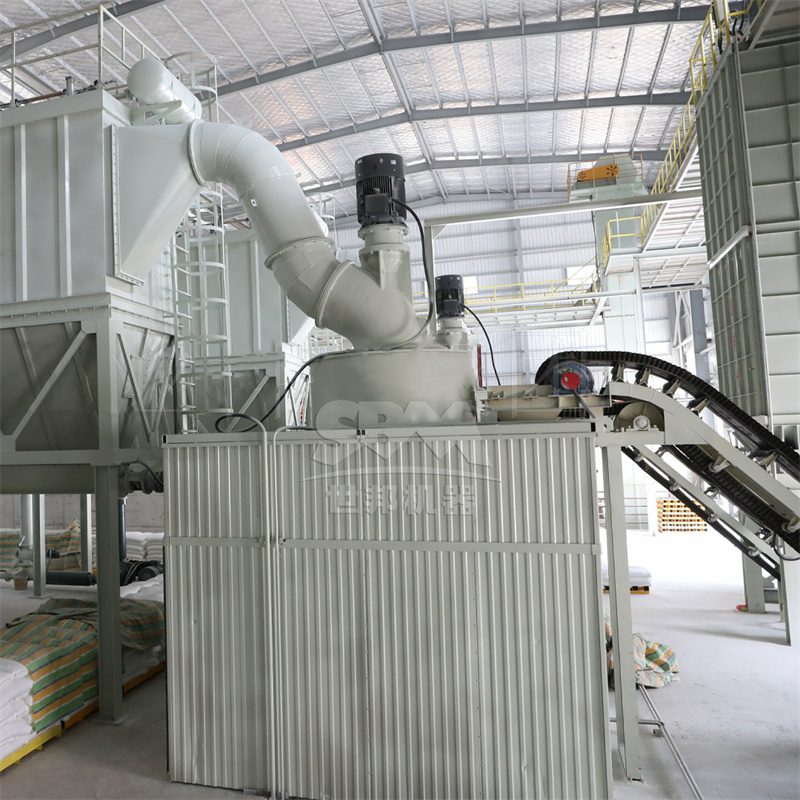
2. SCM Series Ultrafine Mill – For plants requiring ultra-fine coal powder (down to 2500 mesh) to enhance desulfurization rates or for high-end applications, the SCM series offers twice the capacity of jet mills with 30%% lower energy consumption. Its vertical turbine classifier guarantees no coarse powder mixing, and the durable design reduces maintenance costs significantly.
Conclusion
Investing in high-efficiency coal powder production equipment is essential for optimizing desulfurization system performance, reducing energy costs, and ensuring environmental compliance. By understanding the key features such as energy efficiency, precision classification, durability, and eco-friendliness, plant managers can make informed decisions. The MTW and SCM series mills offer tailored solutions for different capacity and fineness requirements, backed by advanced patented technologies. Selecting the right equipment today will lead to cleaner operations and greater profitability tomorrow.