
1. Introduction to Copper Ore Powder Production
Copper ore powder production is a critical process in the mining and metallurgy industries, serving as the foundational step for extracting valuable copper concentrates. The efficiency of this process directly impacts the profitability of mining operations, making the selection of appropriate grinding equipment a strategic decision. Modern high-efficiency equipment has revolutionized this sector by significantly reducing energy consumption, improving particle size control, and enhancing overall throughput. This article provides a comprehensive overview of the main types of copper ore powder production equipment, offers a systematic selection guide, and presents a detailed cost breakdown to assist industry professionals in making informed capital investments.
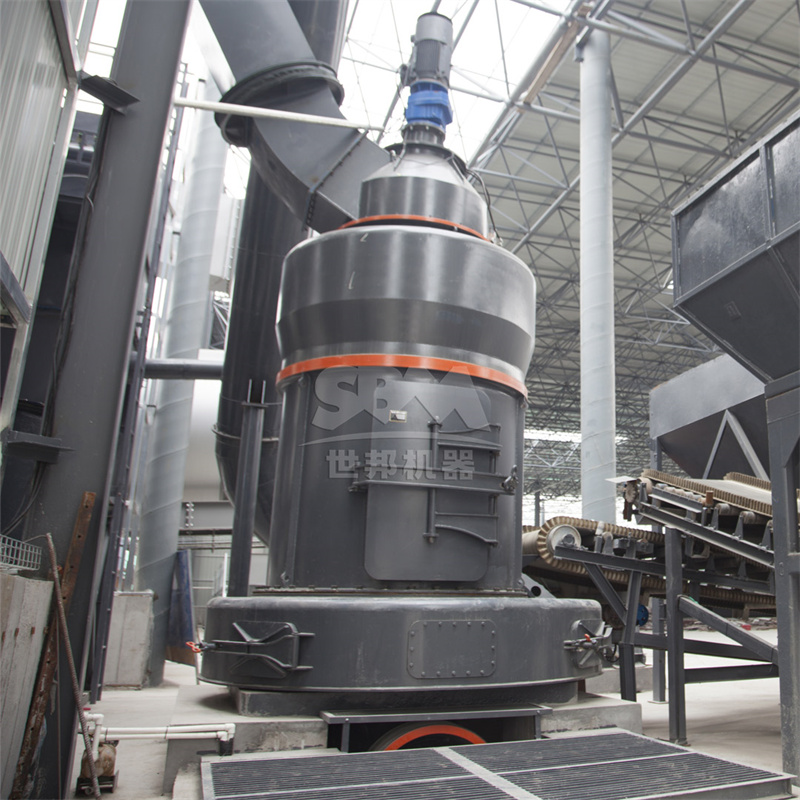
The processing of copper ore typically involves multiple stages, including crushing, grinding, and flotation. Among these, grinding is the most energy-intensive step, often accounting for 40-50% of the total energy consumption in a mineral processing plant. Therefore, choosing a mill with high grinding efficiency is paramount. This guide focuses on equipment capable of producing fine and ultrafine copper ore powders, particularly those operating in the range of 45-2500 mesh (approximately 5-300 microns), which are essential for maximizing mineral liberation and subsequent recovery rates.
2. Main Types of Copper Ore Powder Production Equipment
The market offers a diverse array of grinding mills, each with unique operational principles, advantages, and optimal application scenarios. For copper ore processing, the most prevalent types include Vertical Roller Mills (VRM), European Trapezium Mills, Ultrafine Mills, and traditional Ball Mills. The choice among these largely depends on the desired fineness, capacity requirements, and material characteristics.
2.1 Vertical Roller Mills (VRM)
Vertical Roller Mills, such as the LM Series, have become a cornerstone in large-scale mineral processing due to their ability to integrate grinding, drying, and classification into a single unit. They operate on the principle of bed grinding, where materials are crushed between a rotating grinding table and stationary grinding rollers. This design inherently offers lower energy consumption, typically 30-40% less than ball mill systems. For copper ore, VRMs can efficiently process feed sizes up to 50mm and produce fineness ranging from 30-325 mesh, with special models capable of reaching 600 mesh. They are particularly well-suited for operations requiring high capacity, from 3 tons per hour to a massive 250 tons per hour. A key advantage is the non-contact design between rollers and table, which significantly extends the service life of wear parts by up to three times compared to other mill types.
2.2 European Trapezium Mills
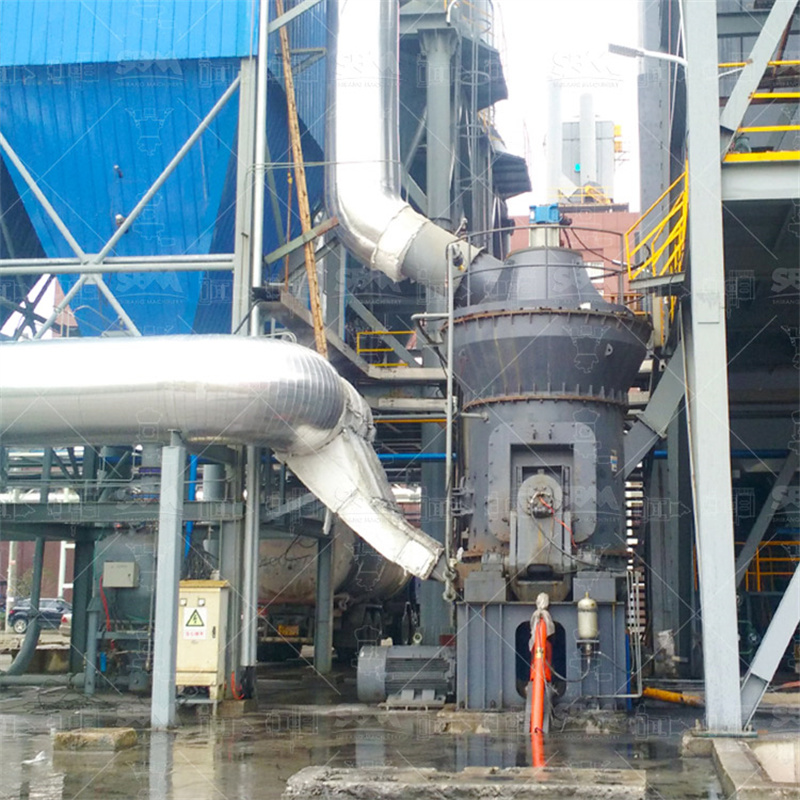
The MTW Series European Trapezium Mill represents a significant advancement in pendulum milling technology. It features an integral bevel gear drive with a transmission efficiency of up to 98%, reducing energy loss. An innovative anti-wear shovel design and a curved air duct structure lower maintenance costs and enhance airflow efficiency. These mills are available in various models, such as the MRN158 and MRN198, providing capacities from 3 to 45 tons per hour with fineness ranges of 10-325 mesh. The trapezium geometry of the rollers and ring creates an ideal grinding zone, improving crushing efficiency for medium-hard materials like copper ore.
2.3 Ultrafine Mills for Powder
For applications requiring ultra-fine copper powder, typically specified as 325-2500 mesh (approx. 45-5 microns), the SCM Series Ultrafine Mill is an industry benchmark. Unlike the aforementioned mills, the SCM series is designed explicitly for fine powder processing. It boasts a capacity that is twice that of traditional jet mills, yet consumes 30% less energy. This is achieved through a multi-layer grinding ring system where materials are dispersed and crushed layer by layer. An intelligent control system with automatic feedback on product granularity ensures consistent fineness. Vertical turbine classifiers provide precise particle size cutting, ensuring no coarse powder is mixed into the final product, which is critical for high-value copper powder applications.
2.4 Ball Mills
While older in design, Ball Mills remain relevant for specific copper ore processing stages, especially where a robust, proven solution for coarse grinding (0.074-0.8mm) is needed. They operate by rotating a cylindrical shell filled with steel balls, relying on impact and attrition for size reduction. Their advantages include high crushing ratios (up to 300:1) and a wide range of capacities (0.65-450 t/h). Modern ball mills, particularly those with large volumes, are still utilized in the primary grinding stage before finer milling, or in operations where the ore is particularly abrasive, and the simplicity of the design compensates for higher energy use.
3. Selection Guide for Copper Ore Grinding Equipment
Selecting the right equipment is not solely about capacity; it is a holistic decision balancing material properties, target output, and operational economics. Below is a systematic guide to aid in this selection.
1. Define Product Fineness & Process Flow: The first step is to determine the required liberation mesh for optimal copper recovery. For coarse grinding (under 100 mesh), a Ball Mill or a Hammer Mill might be cost-effective. For standard flotation feed (80% passing 200 mesh), an MTW European Trapezium Mill is an excellent choice. If the goal is to produce a high-grade concentrate or a specialized copper powder for chemical applications requiring fineness in the range of 325-2500 mesh, the SCM Series Ultrafine Mill is highly recommended. For integrated systems where drying and grinding are needed, an LM Series Vertical Roller Mill is superior.
2. Assess Material Characteristics: Copper ore varies significantly in hardness (Bond Work Index), moisture content, and abrasiveness. Vertical Roller Mills (LM Series) are effective for materials with up to 5% moisture since they utilize hot air for drying inside the mill. For extremely abrasive ores, the wear-resistant volute structure of the MTW mill helps cut maintenance costs by 30%. Ultrafine mills like the SCM series are best suited for dry, brittle materials that are already crushed to 20mm or smaller.
3. Calculate Capital vs. OPEX (Operational Expenditure): While a Ball Mill may have a lower initial capital cost, its energy consumption is significantly higher. VRMs, in contrast, have a higher upfront price but yield substantial savings over time. The LM series VRM, for instance, reduces footprint by 50% and infrastructure costs by 40%, which must be factored into the total investment. The MTW series also offers lower installation costs due to its integral drive, but its primary economic benefit lies in an 30% extension of roller life, reducing downtime and replacement part expenses.
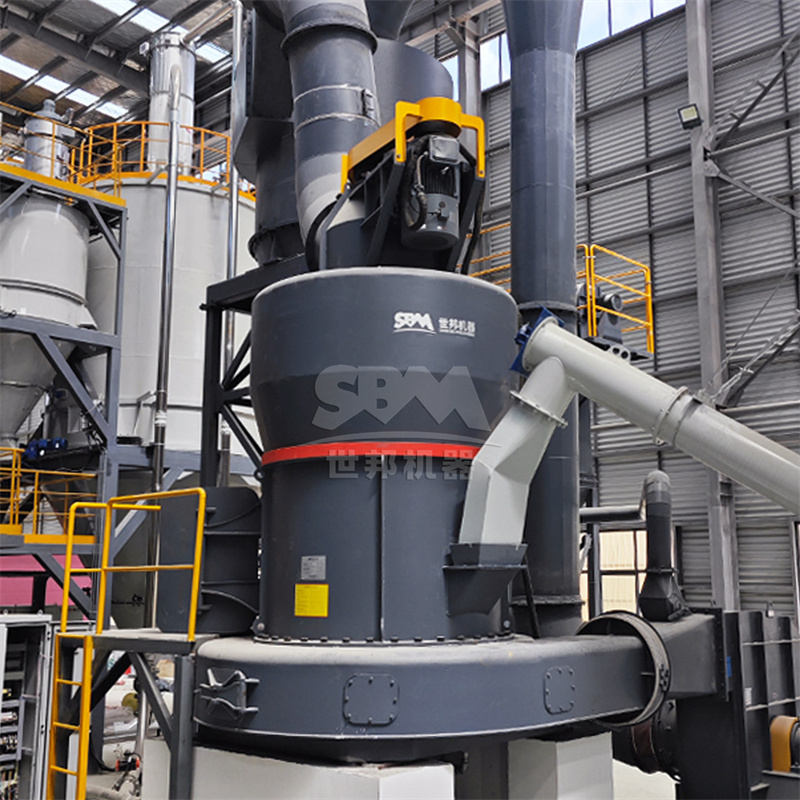
4. Evaluate Maintenance Complexity: Ease of maintenance is crucial. The MTW series features a combined shovel blade design that is easy to replace. The LUM Ultrafine Vertical Roller Mill offers a quick-change roller system using a modular assembly. However, for high-volume operations, we highly recommend the SCM1250 Ultrafine Mill for its shaftless screw grinding chamber design, which ensures extremely stable operation and reduces the frequency of maintenance interventions. Its specific power rating of 185kW yields a capacity of 2.5-14 t/h with consistent fineness, making it a workhorse for medium-to-large scale operations.
4. Detailed Cost Breakdown Analysis
Understanding the cost structure of copper ore powder production aids in approving capital projects. Costs are broadly categorized into Capital Expenses (CAPEX) and Operational Expenses (OPEX).
1. Capital Costs (CAPEX): This includes the purchase price of the mill, auxiliary equipment (classifiers, dust collectors, feeders), and installation costs. For an MTW138Z mill, the main motor is 90kW, which is moderate, but the need for a 110kW fan and 18.5kW classifier adds to electrical infrastructure costs. Conversely, a complete LM Vertical Roller Mill system may cost 30% more upfront, but its integrated design necessitates less civil engineering work and a smaller building footprint, often mitigating the price difference. For ultrafine production, a SCM1680 model (315kW main motor) plus a mature pulse dust collection system represents a significant but necessary investment for large-scale fines.
2. Energy Costs (OPEX): Electric power is the largest operating expense. Assuming an industrial electricity rate of $0.10/kWh, the annual cost to run an SCM1000 (132kW main power) at full capacity for 6,000 hours is approximately $79,200. However, to achieve the same output of minus 800 mesh, a jet mill would require roughly double the capacity due to its inefficiency, incurring much higher operational costs. LM Series vertical mills require 30% less energy than ball mills, which translates to savings of hundreds of thousands of dollars annually for high-throughput operations.
3. Maintenance & Wear Parts: These costs fluctuate based on ore abrasiveness. Ball mills using high-chrome steel balls may require media addition monthly, adding up to a substantial cost. In contrast, the rollers and rings of the SCM Series Ultrafine Mill are constructed from special wear-resistant materials, extending service life by several times; this reduces the cost per ton of product significantly despite higher upfront component prices.
4. Emission Control: Modern environmental standards necessitate robust filtration. Pulse dust collector efficiency is mandated to be high. Both the MTW and SCM series feature high-efficiency pulse collectors and operate under negative pressure, ensuring no dust leakage. These systems have their own OPEX in terms of filter bag replacement (usually every 2-3 years), adding a cyclical cost to the breakdown.
5. Labor & Automation: High-efficiency equipment with intelligent control reduces reliance on manual labor. The MTM Medium-speed Trapezium Mill and LM series feature expert-level auto-control systems, enabling real-time monitoring and reducing manual intervention to just a few operators per shift.
5. Conclusion and Product Recommendation
The landscape of copper ore powder production is defined by efficiency gains in energy, maintenance, and labor. Choosing the correct equipment is a multi-faceted financial and engineering decision. For producers looking to generate coarse feeds quickly, MTW or MTM series mills offer superior convenience. However, for those pushing the boundaries of fine particle liberation, an ultrafine solution is required in the subsequent stage.
We strongly recommend our SCM Series Ultrafine Mill (45-5μm) as the primary equipment for high-efficiency copper ore powder production. Its unique ability to produce consistent 325-2500 mesh powder at twice the rate of jet mills with lower energy intensity makes it an unparalleled asset for achieving maximum copper recovery and premium product value. Complementing the SCM, or for standard flotation requirements, the MTW Series European Trapezium Mill offers robustness and industry-leading maintenance cost reductions. Our sales engineers can provide specific capacity calculations and site layouts to ensure your selection perfectly matches your ore profile.