
Introduction
In the global agricultural industry, the quality of fertilizer additives directly impacts crop yield and soil health. Dolomite powder, rich in calcium and magnesium, is a critical additive used to neutralize soil acidity and provide essential nutrients. To meet the growing demand for high-purity, fine-grade dolomite powder, advanced milling technology is required. This guide explores the complete production process, key equipment considerations, and how to achieve maximum efficiency with modern grinding mills. Whether you are setting up a new plant or upgrading an existing line, understanding the nuances of dolomite processing is essential for profitability and product quality.
Why Dolomite Powder Matters for Fertilizers
Dolomite (CaMg(CO3)2) is a double carbonate mineral that serves as a superior soil conditioner. When ground into fine powder, it provides a slow-release source of both calcium and magnesium, which are vital for plant cell wall development and chlorophyll production. The ideal particle size for fertilizer additives typically ranges from 100 to 600 microns (0.154mm to 0.025mm) for standard applications, or even finer for specialized rapid-release formulations. The production of such powder requires equipment that offers precise classification, high throughput, and low operational costs. Selecting the right mill, such as a vertical roller mill or a trapezium mill, can mean the difference between a competitive operation and one that struggles with energy bills and inconsistent quality.
Key Equipment Selection Criteria for Dolomite Grinding
When selecting equipment for dolomite powder production, several factors must be evaluated: feed size, required fineness, capacity, and energy efficiency. Dolomite, with a Mohs hardness of 3.5-4, is moderately hard and abrasive. Therefore, wear-resistant components are non-negotiable. Additionally, the production line must be capable of handling moisture content, as dolomite can contain residual surface moisture. The most effective solutions integrate crushing, grinding, and classification into a single continuous system, minimizing material handling and floor space. Below, we analyze the most suitable mill types for this application, focusing on their technical advantages and operational parameters.
SCM Series Ultrafine Mill: For Ultra-Fine Dolomite Applications
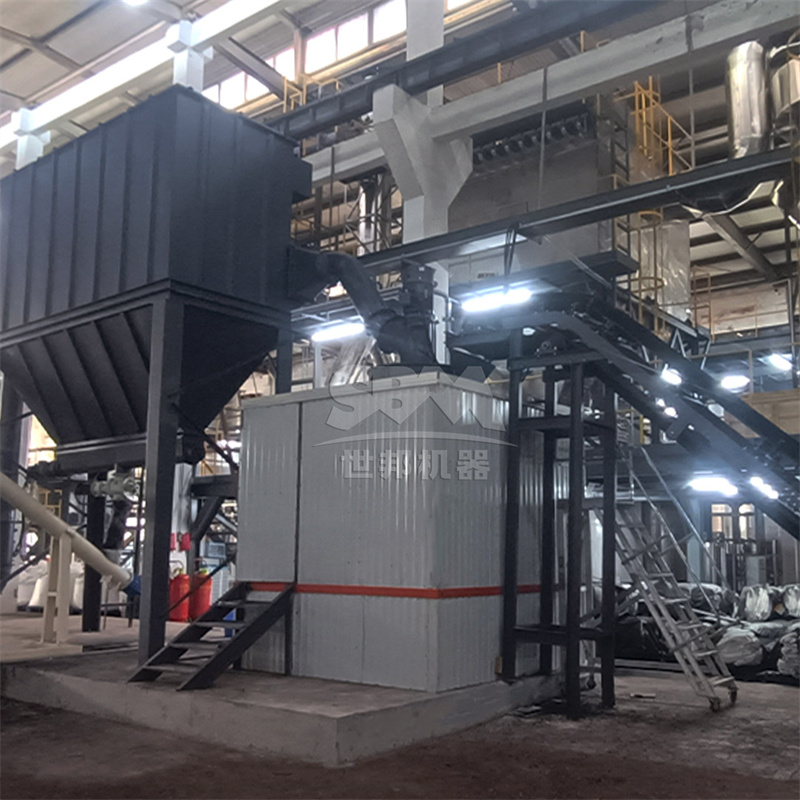
The SCM Series Ultrafine Mill is specifically designed for producing ultra-fine powders ranging from 325 to 2500 mesh (45-5μm). This makes it the ideal choice for high-value fertilizer additives where particle size precision is paramount. For instance, when producing chelated dolomite or nano-coated fertilizers, the SCM mill’s high-precision classification system ensures that there is no coarse powder mixing, guaranteeing a uniform and consistent finished product. With a capacity ranging from 0.5 to 25 ton/h depending on the model (e.g., SCM800 to SCM1680), it offers double the capacity of traditional jet mills while consuming 30% less energy. The durable design, featuring special material rollers and rings, extends service life significantly, reducing downtime. We highly recommend the SCM1250 Ultrafine Mill for medium-scale operations requiring a balance of capacity (up to 14 t/h) and fine output control.
MTW Series European Trapezium Mill: For High-Volume Standard Production
For large-scale producers requiring high throughput of standard fertilizer-grade dolomite (30-325 mesh, 600-45μm), the MTW Series European Trapezium Mill is the industry benchmark. This mill features an integral bevel gear drive system with a transmission efficiency of up to 98%, saving both space and energy costs. The optimized arc air duct reduces airflow resistance, enhancing overall grinding efficiency. One of the standout features is the anti-wear shovel design, which combines shovel blades to reduce maintenance costs significantly. Models like the MTW175G can process up to 25 t/h of material, making it a workhorse for continuous industrial production. The MRN218 variant extends this capacity to 45 t/h, ideal for large mining operations. For producers aiming for maximum uptime and lowest cost per ton, the MTW215G Trapezium Mill is a top-tier recommendation, offering a robust solution with a feed size of up to 50mm and a main power of 280kW.
Working Principle: From Rock to Refined Powder
Understanding the working principle helps in optimizing operation and maintenance. In a typical vertical roller mill system for dolomite, the main motor drives the grinding table via a reducer. The material enters from the central feed port and spreads evenly by centrifugal force. Grinding rollers apply hydraulic or spring pressure to crush the material layer. A hot air stream or inert gas carries the qualified fines to the classifier, while coarse particles fall back to the table for re-grinding. This closed-circuit system ensures high efficiency. For the SCM series, the grinding path is unique: materials are dispersed by centrifugal force, crushed by roller pressure, and ground layer by layer. The final collection is achieved via a cyclone and a pulse dust removal system, ensuring a clean, eco-friendly operation with noise levels well below industry standards.
Patented Technologies Driving Efficiency
Modern dolomite grinding mills incorporate numerous patented technologies to enhance performance. For example, the LM Series Vertical Roller Mill features an integrated design that combines crushing, grinding, and selection in one unit, reducing floor space by 50% and infrastructure costs by 40%. The non-contact design between rollers and the grinding table in these mills extends wear part life by three times compared to traditional ball mills. Another key innovation is the intelligent control system. These systems use expert-level automation to monitor parameters in real time, auto-correcting for feed rate variations, moisture changes, and wear. This reduces the need for manual intervention and ensures a stable final product quality. The use of an internal suction oil lubrication system, as seen in the MTW series, further simplifies maintenance and improves reliability.
Optimizing Your Production Line: A Case Study
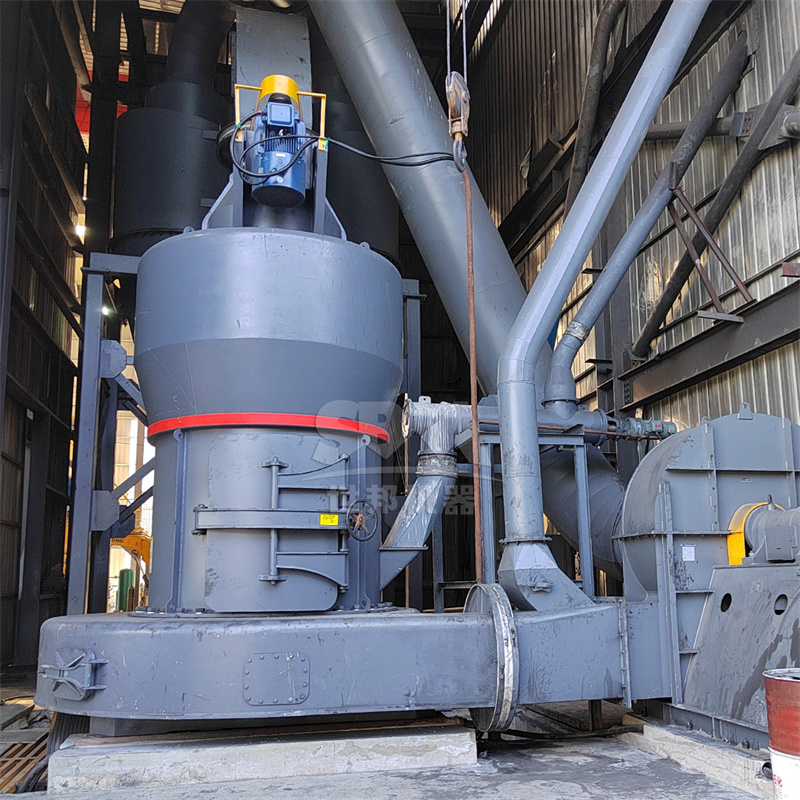
Consider a hypothetical operation aiming to produce 15 tons per hour of dolomite powder with a fineness of 80% passing 200 mesh. The optimal setup would start with a primary jaw crusher to reduce feed size to under 40mm, followed by a bucket elevator feeding a storage bin. From there, material is fed into a MTW175G European Trapezium Mill. The mill’s classifier would be set to achieve the desired 200-mesh spec. The air system, managed by a high-efficiency fan, would convey the finished powder to a pulse dust collector. The collection efficiency of these systems exceeds international standards, ensuring zero dust leakage and compliance with environmental regulations. This configuration delivers a high crushing ratio, low energy consumption (30-40% less than ball mills), and high stability, allowing for 24/7 operation with minimal downtime. The soundproof room design further ensures noise levels are kept below 85dB, creating a safer work environment.
Maintenance and Cost Considerations
The cost of producing dolomite powder is heavily influenced by energy consumption and wear part replacement. Mills equipped with optimized roller assemblies and wear-resistant liners significantly reduce operational costs. For example, the MTM Series Medium-speed Trapezium Mill features a spring pressure system that automatically compensates for roller wear, extending roller and ring life by 30%. Similarly, the LM Series uses a modular grinding roller assembly quick-change system, reducing maintenance downtime from days to hours. When evaluating total cost of ownership, it is essential to consider the system’s energy consumption. A 10% reduction in energy can directly increase profit margins. The use of frequency-controlled motors for the classifier and fan also allows for fine-tuning of the airflow, reducing unnecessary power draw. For maximum economic benefit, look for mills that offer high capacity per unit of power, such as the LM220K which delivers up to 105 t/h with only 800kW of main motor power.
Environmental and Operational Compliance
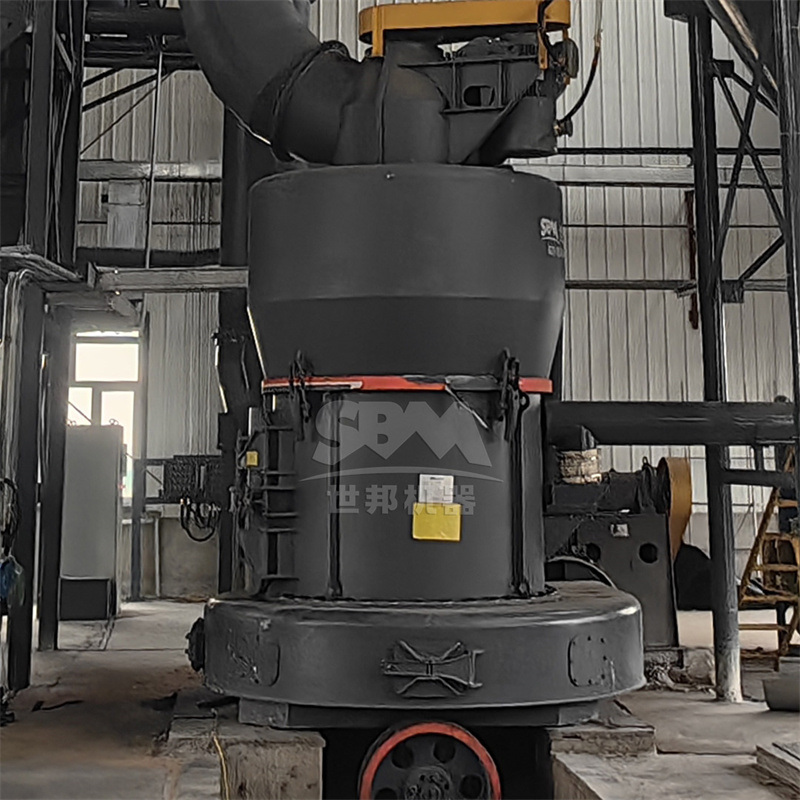
In today’s regulatory environment, milling operations must prioritize eco-friendliness. Advanced mills like those from the SCM and LM series operate under fully sealed negative pressure, preventing any dust leakage into the atmosphere. The pulse dust collection systems are automatic and highly efficient, often capturing 99.9% of particulate matter. This not only protects the environment but also recovers valuable product that would otherwise be lost. Additionally, the use of soundproof enclosures and damping technologies, such as those found in the MTM series, effectively controls noise pollution. These features ensure that your plant can meet stringent local and international environmental standards without sacrificing productivity. Transitioning to such equipment also qualifies for green manufacturing incentives in many regions, making it a financially sound decision in the long term.
Conclusion and Final Recommendations
Choosing the right high-efficiency dolomite powder production equipment is a strategic decision that impacts product quality, operational costs, and market competitiveness. For producers focusing on specialty, ultra-fine additives, the SCM1250 Ultrafine Mill offers unmatched precision and lower energy consumption. For high-volume, standard-grade production, the MTW215G European Trapezium Mill provides robust performance, durability, and the highest throughput capacity in its class. Both machines are backed by proven technologies, intellectual property rights, and comprehensive support. By investing in modern milling equipment, you can achieve superior product uniformity, lower energy bills, and a smaller environmental footprint. Assess your specific capacity and fineness needs, and partner with a manufacturer that can provide the complete solution, from crusher to collector, ensuring seamless integration and long-term reliability.