
Introduction to Attapulgite Clay Processing
Attapulgite clay, also known as palygorskite, is a magnesium-aluminum silicate mineral renowned for its unique fibrous morphology, high surface area, and exceptional adsorption capacity. These properties make it an indispensable raw material in numerous industries, particularly as a high-performance feed binder in animal nutrition. In the livestock and aquaculture sectors, attapulgite is prized for its ability to improve pellet durability, reduce feed dust, and enhance nutrient utilization by slowing the passage of feed through the digestive tract. However, the journey from raw clay to a functional feed-grade binder is a complex process that demands precise milling, classification, and drying. The efficiency and quality of the final product hinge entirely on the selection of appropriate processing equipment. This guide provides an in-depth exploration of attapulgite clay processing, focusing on the critical machinery required to achieve the optimal particle size, bulk density, and flowability that feed manufacturers demand.
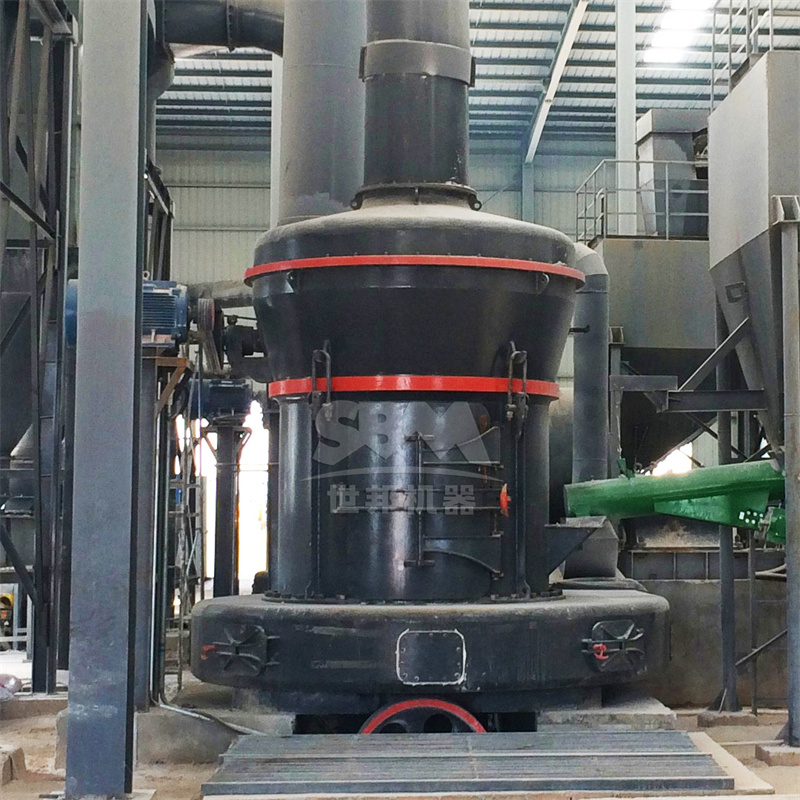
Crushing and Primary Reduction
Raw attapulgite is typically extracted in lump form, often containing moisture and impurities. The first stage in any processing line is primary crushing. Given the relatively soft nature of the clay, a robust hammer mill serves as the ideal primary crusher. Hammer mills operate on the principle of impact, using high-speed rotating hammers to shatter the material. Our company’s Hammer Mill (0-3mm) is engineered to reduce feed sizes of up to 40mm down to a fine output of 0-3mm with high efficiency. This machine features a high manganese steel liner that provides exceptional wear resistance, ensuring longevity even when processing abrasive clay minerals. The optimized crushing cavity design ensures a high crushing ratio and stable operation, making it the perfect pre-grinding solution. The hammer mill not only reduces the clay ‘s size but also helps in homogenizing the feed for the subsequent fine grinding stages.
Fine Grinding: The Heart of the Production Line
The core of attapulgite processing lies in fine grinding. To produce a premium feed binder, the clay must be reduced to a micro-fine powder, typically in the range of 325 mesh (45μm) to 2500 mesh (5μm). This level of fineness increases the surface area dramatically, which is directly correlated to the binder’s ability to absorb moisture and bind feed particles. For decades, ball mills were the standard for this task. While they are reliable and versatile, they are also notoriously energy-intensive and can produce a wide particle size distribution. In modern processing plants, the focus has shifted towards high-efficiency vertical roller mills and ultrafine grinding mills, which offer superior energy savings and more precise particle size control. These advanced mills operate on the principle of bed grinding, where the material is crushed between a rotating grinding table and stationary rollers. This method consumes significantly less energy than the impact-based mechanism of a ball mill, often by 30-40%.
SCM Series Ultrafine Mill: Designed for Precision
When the target fineness for attapulgite feed binder is in the higher range (e.g., 800-2500 mesh for specialized applications), the SCM Series Ultrafine Mill is the definitive solution. This equipment is specifically engineered for ultra-fine powder production. With an input size of ≤20mm, it can achieve an output fineness of 325-2500 mesh with a capacity ranging from 0.5 to 25 tons per hour, depending on the model. The primary advantage of the SCM mill is its high-efficiency and energy-saving design. It delivers double the capacity of traditional jet mills while consuming 30% less energy, making it an extremely cost-effective option for large-scale producers. The vertical turbine classifier provides high-precision particle size cutting, ensuring no coarse powder is mixed into the final product. This guarantees uniform quality, which is crucial for maintaining consistent feed binding performance. Furthermore, the special material used in the grinding rollers and rings extends their service life several times over, reducing downtime and maintenance costs.
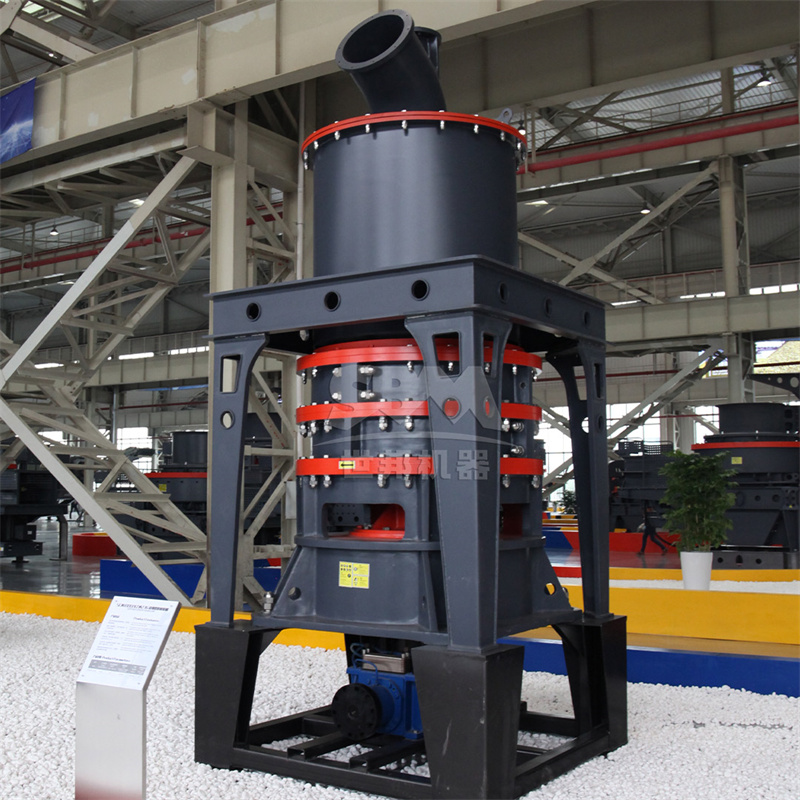
Recommended Product: SCM1250 Ultrafine Mill
For mid-to-large scale operations requiring a balance of capacity and fine grinding, we highly recommend the SCM1250. This model offers a capacity of 2.5-14 t/h with a main power of 185kW. It is perfectly suited for processing attapulgite into a high-value feed binder with fineness ranging from 325 to 2500 mesh. The SCM1250’s intelligent control system automatically adjusts parameters based on real-time feedback of finished product granularity, ensuring stable operation and consistent quality. Its eco-friendly design, featuring pulse dust collection and a soundproof room, ensures noise levels are kept to a minimum, complying with the strictest environmental regulations. Investing in the SCM series is a direct investment in product quality and operational sustainability.
MTW Series European Trapezium Mill: For Versatile Production
In contrast to the SCM mill, the MTW Series European Trapezium Mill is the workhorse for standard feed-grade attapulgite (typically 30-325 mesh). This mill is a testament to advanced engineering, incorporating an integral bevel gear drive which boasts a transmission efficiency of up to 98%, saves space, and reduces installation costs. The design focuses on durability and low maintenance; the anti-wear shovel design uses combined blades that reduce maintenance costs, while the curved design extends the grinding roller’s lifespan. A standout feature of the MTW mill is its optimized arc air duct, which minimizes airflow energy loss and improves transmission efficiency. High-strength guard plates protect the working surface of the air duct, ensuring the system remains efficient over its operational lifetime. With models like the MTW138Z offering a capacity of 6-17 t/h and the MTW175G providing 9.5-25 t/h, the MTW series can handle almost any production scale, adapting to varying feed sizes up to 50mm.
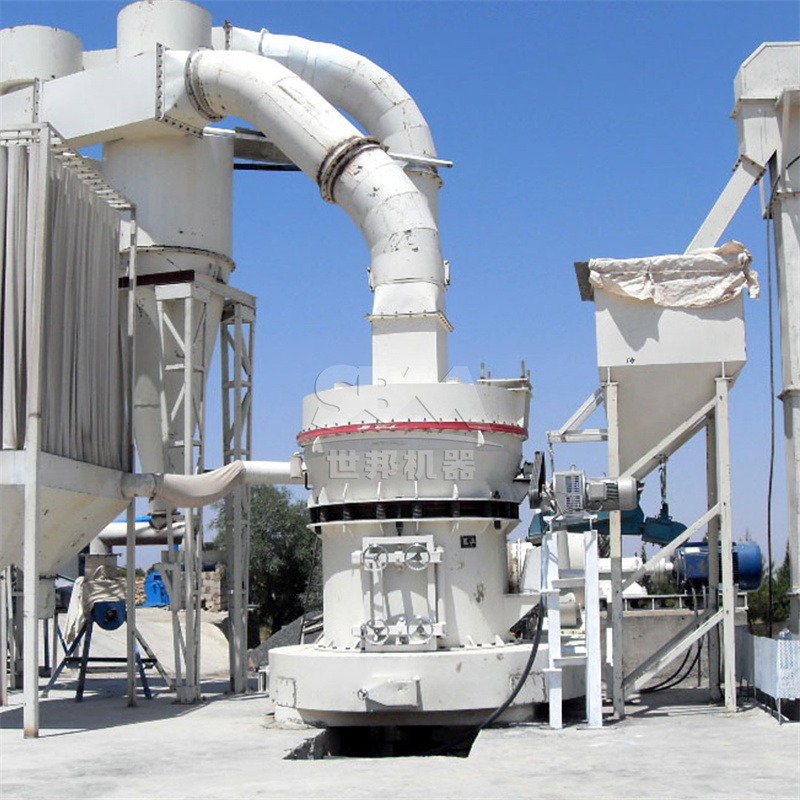
Recommended Product: MTW175G
For producers seeking a robust, multi-purpose grinding solution, the MTW175G is an excellent choice. It strikes a perfect balance, processing up to 25 t/h with a main power of 160kW. Whether you are processing clay for feed binders or other mineral additives, the MTW175G’s intelligent control and wear-resistant volute structure (which reduces maintenance costs by 30%) make it a highly profitable asset. Its patented internal suction oil lubrication system and internationally advanced pulse dust removal technology place it at the forefront of milling technology, ensuring it meets the highest standards of safety and environmental protection.
Selection Criteria: Milling vs. Drying
Selecting between the SCM and MTW mills (or others like the LM Vertical Roller Mill) depends entirely on the final product specifications. If the market demands a high-end feed binder with ultra-fine particles for use in aquatic feeds or premium animal diets, the SCM series is unmatched. However, if the product is destined for general poultry or livestock feed where a slightly coarser grind (e.g., 80-120 mesh) is acceptable and capacity is the primary concern, the MTW series or LM Vertical Roller Mill offers better energy efficiency and lower capital investment per ton produced. It is also crucial to consider the drying aspect. Attapulgite typically contains high moisture. While mills like the LM Vertical Roller Mill can integrate drying and grinding using hot air, the MTW and SCM series usually require a separate drying system, such as a rotary dryer, to ensure the feed moisture is below 2% before milling. Our complete processing lines often integrate a drying stage prior to the mill to guarantee optimal performance.
Conclusion: Partnering for Efficiency
In conclusion, the production of high-efficiency feed binder from attapulgite clay is a demanding process that requires precision, durability, and energy efficiency. The choice of grinding equipment dictates the product’s quality, production cost, and market viability. While the process begins with simple crushing, it culminates in sophisticated fine grinding and classification. Our company offers a comprehensive range of grinding solutions, but the SCM Ultrafine Mill and the MTW European Trapezium Mill represent the pinnacle of our technology for this specific application. By integrating intelligent control, low-energy consumption, and ultra-wear-resistant components, these machines ensure that your attapulgite processing plant operates at peak profitability. We encourage you to contact our engineers to analyze your specific raw material characteristics and target fineness so we can provide a system tailored to your needs, ensuring you produce a feed binder that enhances animal health and feed efficiency while minimizing your operational footprint.