
Introduction
Fly ash, a byproduct of coal combustion in power plants, has become an essential component in the production of high-performance cement and concrete. When processed correctly, fly ash serves as a superior pozzolanic admixture, enhancing the workability, strength, and durability of concrete while reducing the overall carbon footprint of the construction industry. However, the key to unlocking these benefits lies in the quality of the processing equipment. Selecting the right grinding and classification technology is critical to achieving the required fineness, uniformity, and reactivity of fly ash. This article provides a comprehensive guide to high-efficiency fly ash processing equipment, focusing on key features to consider and how to choose the right system for your specific needs.
The Importance of Fly Ash Processing for Cement Admixtures
Raw fly ash, as collected from power plant precipitators, often has a coarse particle size and inconsistent quality, which limits its reactivity as a cement substitute. To be effectively used as a high-quality admixture, fly ash must be ground to a specific fineness—typically between 45 and 10 microns (325 to 1250 mesh). This process increases the specific surface area, improving the pozzolanic reaction which binds the concrete matrix. High-efficiency processing equipment not only achieves this fineness but does so with minimal energy consumption, low maintenance, and strict environmental compliance.
Key Features of High-Efficiency Fly Ash Processing Equipment
1. Energy Efficiency and Throughput
The most impactful feature of modern fly ash mills is their energy efficiency. Traditional ball mills are notorious for high power consumption. In contrast, advanced vertical roller mills and ultrafine grinding mills can reduce energy consumption by 30% to 50%. Look for equipment that utilizes a bed-of-material grinding principle, where the material layer absorbs the grinding force, reducing direct metal-to-metal contact and energy waste. A high throughput-to-power ratio is a primary indicator of an efficient system.
2. Precision Classification System
Consistency is king in cement admixtures. A high-efficiency classifier is essential to ensure that the final product has a uniform particle size distribution without coarse particles (which reduce reactivity) or excessive ultrafine dust (which can cause handling issues). Dynamic classifiers, particularly vertical turbine classifiers, offer precise particle size cutting. This technology allows operators to adjust the fineness on-the-fly, typically within a range of 325 to 2500 mesh (45 to 5 microns), ensuring the output meets strict industry specifications.
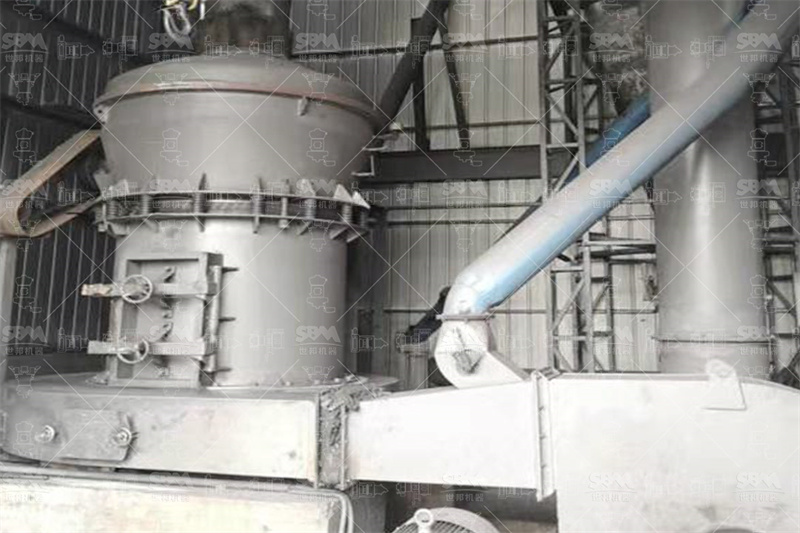
Figure 1: High-precision vertical turbine classifier ensuring uniform particle size distribution.
3. Durability and Wear Resistance
Fly ash is highly abrasive due to its silica and alumina content. Processing equipment must be engineered for durability. Key components like grinding rollers, rings, and liners should be made from specialized wear-resistant alloys. Features like anti-wear shovel designs and optimized grinding curves extend the service life of these parts by several times compared to standard equipment, significantly reducing downtime and replacement costs. Shaftless screw grinding chambers and modular roller assemblies also contribute to stable, long-term operation.
4. Intelligent Control and Automation
Modern fly ash processing plants rely on intelligent control systems. An expert-level auto-control system that provides real-time feedback on parameters like vibration, temperature, and motor load is invaluable. This system should support remote monitoring and automatic adjustment of the classifier speed and feed rate to maintain consistent product quality with minimal manual intervention. Features like automatic finished product granularity feedback ensure that the system self-optimizes for peak efficiency.
5. Environmental Compliance
Strict environmental regulations require processing equipment to be clean and quiet. Look for systems that operate under negative pressure to prevent dust leakage. High-efficiency pulse dust collectors are non-negotiable, ensuring that emissions meet or exceed international standards (often <10 mg/Nm³). Soundproof room designs and vibration-dampening technology are also important for maintaining low noise levels in the plant.
Guide to Selecting the Right Fly Ash Mill
Choosing between a vertical roller mill (VRM), a medium-speed trapezium mill, or an ultrafine mill depends on several factors. Here is a selection guide based on key project requirements.
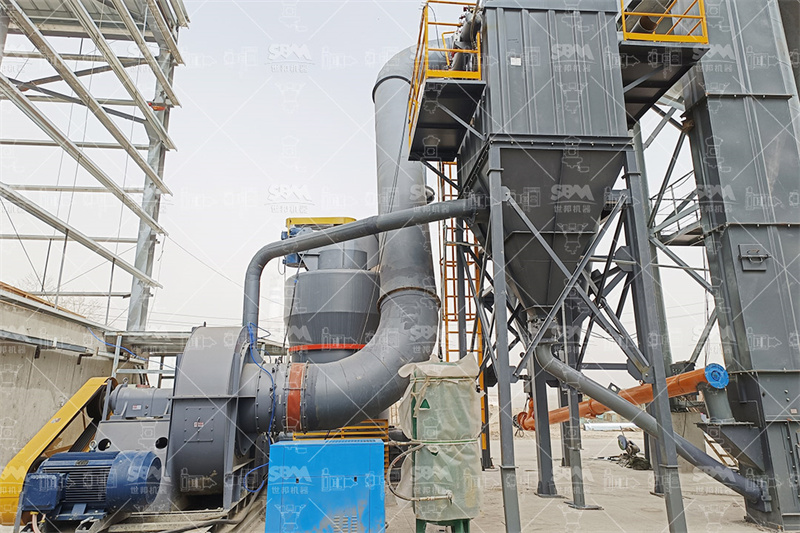
Figure 2: Integrated vertical roller mill system, ideal for large-scale fly ash processing.
For Large-Scale, High-Capacity Production (15-250 t/h)
If your project demands massive throughput for raw fly ash or cement clinker admixtures, a LM Series Vertical Roller Mill is the optimal choice. Its integrated design combines crushing, grinding, and classification, reducing floor space by 50% and infrastructure costs by 40%. The non-contact design between rollers and table extends wear part life, and the intelligent control system ensures stable operation. It is the workhorse for large cement plants with high-volume fly ash processing needs.
For Medium-Capacity, Fine to Ultrafine Production (3-25 t/h)
For operations needing high output with a very fine end product (down to 5 microns), the SCM Series Ultrafine Mill stands out. It offers twice the capacity of a jet mill with 30% lower energy consumption. Its precise vertical turbine classifier ensures no coarse powder mixing. We specifically recommend the SCM1250 or SCM1680 for fly ash projects requiring capacity above 10 tons per hour with fineness down to 800-1250 mesh. These models combine robust construction with the high-speed grinding necessary for ultrafine fly ash, making them a top-tier choice for premium admixture producers.
For Standard Fineness Cement Admixtures (30-325 Mesh)
When the target fineness is standard (typically 45 microns for common cement replacement), the MTW Series European Trapezium Mill offers an excellent balance of cost, performance, and durability. Its bevel gear drive achieves 98% transmission efficiency, and the anti-wear shovel design reduces maintenance costs. This mill is ideal for producers who need reliable, high-volume processing of fly ash into standard Portland-pozzolana cement admixtures without the higher capital investment of a large VRM or an ultrafine mill.
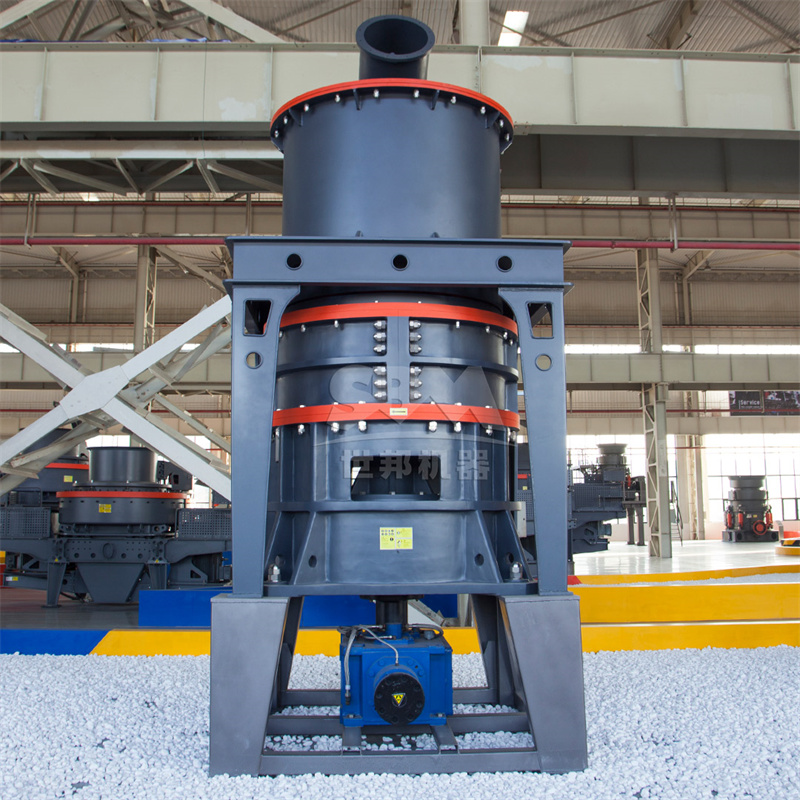
Figure 3: SCM Series Ultrafine Mill, designed for 325-2500 mesh fly ash production.
Conclusion
Investing in the right fly ash processing equipment is a strategic decision that impacts product quality, operational efficiency, and environmental footprint. From the rugged durability of the MTW mill to the high-precision, ultra-fine capabilities of the SCM series and the massive throughput of the LM vertical roller mill, modern technology offers a solution for every scale. By focusing on key features such as energy efficiency, classification precision, and durability, you can select a system that transforms industrial byproduct fly ash into a high-value, sustainable cement admixture, ensuring your operation remains competitive in the modern construction materials market.