
Introduction: The Growing Demand for Glass Powder Recycling
As global industries intensify their focus on sustainability and circular economy principles, the recycling of glass waste has emerged as a critical environmental and economic priority. While traditional glass recycling often involves remelting, which is energy-intensive and limited by color contamination, a more versatile and value-adding solution has gained significant traction: the conversion of glass waste into high-quality fine powder. This glass powder, typically ranging from 45 to 600 microns, serves as a valuable raw material in various industries, including construction materials, fiberglass production, abrasives, ceramics, and even as a partial cement replacement in concrete. The key to unlocking this potential lies in advanced milling technology capable of processing brittle glass cullet into precise, uniform powders at industrial scales.
The Challenge of Processing Glass Waste
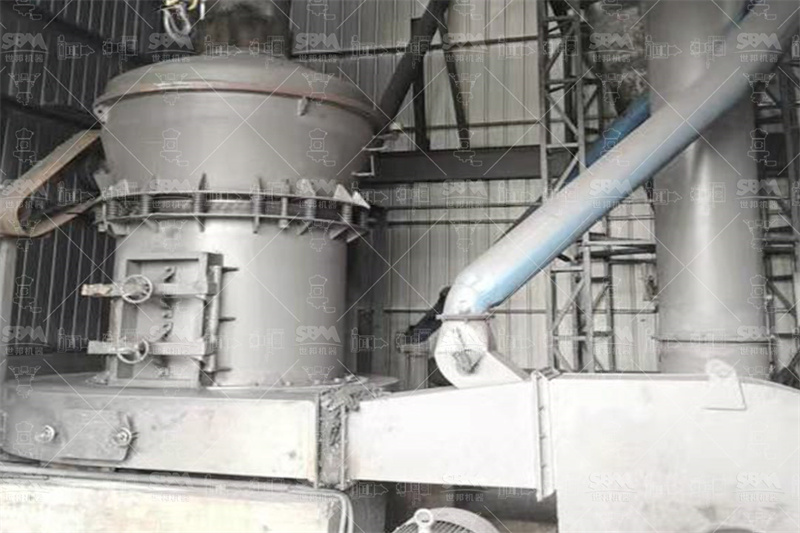
Glass is inherently hard, abrasive, and brittle, making its size reduction a demanding task. Conventional crushers and mills often suffer from high wear rates, excessive energy consumption, and the production of inconsistent particle sizes. Furthermore, the presence of metal contaminants, labels, and organic residues from the collection process necessitates robust and reliable equipment. To meet the exacting standards of modern industrial applications, producers require milling systems that offer not only high throughput but also precise particle size distribution, low operational costs, and exceptional durability. This is where specialized high-efficiency glass waste powder production equipment comes into play, offering a turnkey solution that transforms a challenging waste stream into a marketable commodity.
Core Technologies in Glass Powder Milling
Modern glass powder production relies on several key grinding principles, each offering distinct advantages. The most effective systems integrate impact crushing with air classification to achieve optimal results. The process typically begins with a primary crusher to reduce the incoming glass cullet to a manageable size, usually under 20-50 mm. This pre-crushed material is then fed into a grinding mill, where it is subjected to high-pressure compression, attrition, or impact forces. For fine and ultra-fine applications, vertical roller mills (VRMs) and ultra-fine mills are particularly effective. These machines use a combination of a rotating grinding table and stationary rollers to crush the material bed. The ground powder is then carried by an air stream to a dynamic classifier, which ensures that only particles of the desired fineness exit the system, while oversized particles are returned for further grinding. This closed-loop system minimizes energy waste and maximizes efficiency.
Introducing the SCM Series Ultrafine Mill: Precision for High-Value Applications
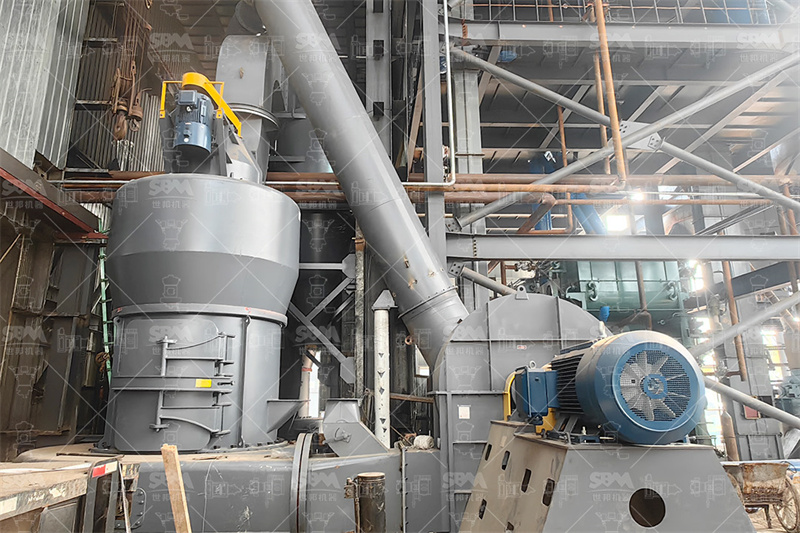
For industries requiring exceptionally fine glass powder, typically in the range of 325 to 2500 mesh (45-5 microns), our SCM Series Ultrafine Mill represents the pinnacle of grinding technology. This equipment is ideal for producing glass powder used in high-performance composites, high-quality paints, and specialty fillers. One of the standout features of the SCM mill is its high efficiency and energy savings. Extensive testing has shown that its capacity is 2 times that of traditional jet mills, while consuming 30% less energy. This is achieved through a unique three-layer grinding ring design that disperses materials effectively, and a high-precision vertical turbine classifier that guarantees no coarse powder mixing and a uniform finished product. The robust construction, featuring special material rollers and rings, extends the service life of wear parts several times over, making it a low-maintenance, cost-effective solution. Models such as the SCM1250 (with a capacity of 2.5-14 t/h and main power of 185kW) or the larger SCM1680 (with a capacity of 5.0-25 t/h) are perfect for medium to large-scale recycling operations looking to maximize the value of their glass waste stream. The intelligent control system automatically adjusts parameters based on product granularity feedback, ensuring consistent quality with minimal operator intervention.
Scaling Up with the MTW Series European Trapezium Mill
While the SCM series excels in ultra-fine production, many applications require a coarser glass powder, typically between 30 and 325 mesh (600-45 microns). For high-volume production, our MTW Series European Trapezium Mill is the industry benchmark. This system is designed for substantial capacity, ranging from 3 to 45 tons per hour, depending on the model. Its integral bevel gear drive boasts a transmission efficiency of up to 98%, significantly reducing energy costs compared to gearboxes with multiple reduction stages. The mill features an anti-wear shovel design with combined blades that minimize maintenance, and an optimized arc air duct that reduces airflow energy loss. The robust models in this series, such as the MTW175G (9.5-25 t/h) and the massive MTW215G (15-45 t/h), are equipped to handle feed sizes up to 50mm, making them exceptionally tolerant of variable feedstock quality. The use of wear-resistant volute structures reduces maintenance costs by 30%, ensuring that the total cost of ownership remains low even when processing highly abrasive materials like glass.
Where Does the Glass Powder Go? Unlocking Market Value
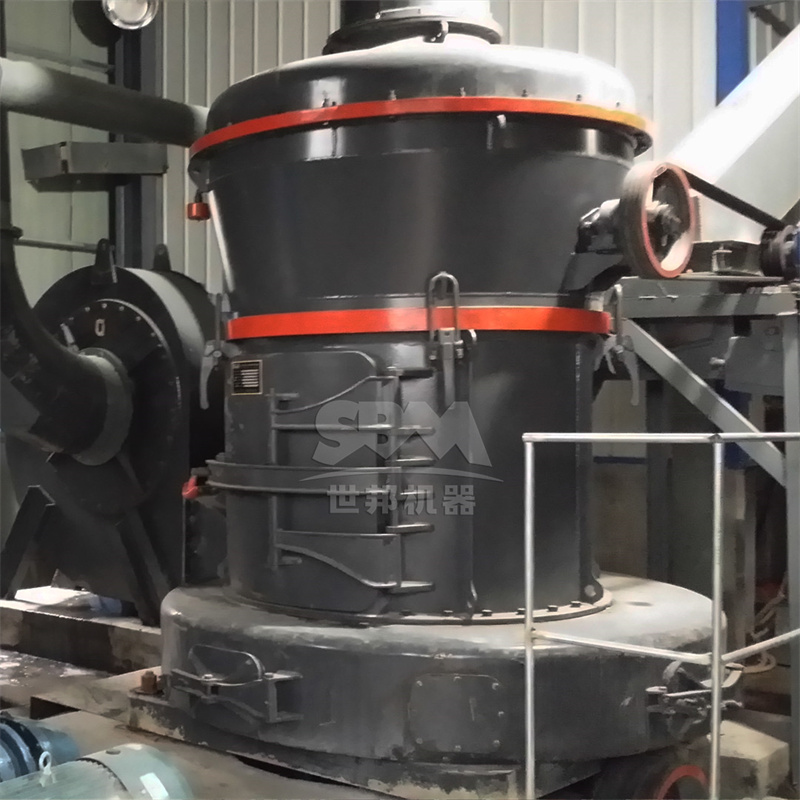
High-quality glass powder is a versatile and sought-after material. In the construction industry, it acts as a superior pozzolanic material, enhancing the durability and compressive strength of concrete while reducing the cement clinker factor, which significantly lowers carbon emissions. In fiberglass manufacturing, it provides the necessary silica source. The finely ground glass is also used as an abrasive in sandblasting, a filler in plastics and paints, and as a raw material for high-quality ceramic tiles. By utilizing efficient production equipment, recyclers are not just mitigating waste; they are creating a premium product that can be sold at a considerable profit, turning a liability into an asset. The consistency of the particle size distribution provided by our mills is a critical factor in commanding higher market prices for the powder.
Conclusion: Choosing the Right Technology for Sustainable Success
Investing in high-efficiency glass waste powder production equipment is a strategic move toward a more sustainable and profitable future. The choice of equipment depends on your target product fineness and required capacity. For ultra-fine powder with high added value, the SCM Ultrafine Mill is unmatched in efficiency and precision. For high-capacity production of standard-grade powder, the MTW Trapezium Mill offers unbeatable reliability and low operating costs. Our range of mills, including the LM Vertical Roller Mill and LUM Ultrafine Vertical Roller Mill, provides scalable solutions for every need. By incorporating advanced features such as pulse dust collection, intelligent control systems, and durable wear parts, we ensure that our equipment not only meets but exceeds environmental and performance standards, empowering our customers to lead the way in the circular economy.