
1. Introduction: The Growing Demand for High-Quality Magnesite Powder
Magnesite powder, with its exceptional refractory properties, is a critical raw material in the steel, cement, and glass industries. As global manufacturing accelerates, the demand for high-purity, consistently sized 325 mesh (45μm) magnesite powder has surged. Producing powder at this precise specification requires specialized equipment capable of high throughput, energy efficiency, and exact particle size classification. This guide provides a comprehensive overview of the most effective milling technologies available today, designed to help you select the optimal production equipment for your magnesite processing operation.
The selection of the right grinding mill is not a trivial decision. It impacts production cost, energy consumption, maintenance frequency, and ultimately, the market value of your final product. Factors such as raw material hardness, feed size, required fineness (D90 or D97), and capacity (tons per hour) must all be considered. This guide will analyze leading mill types, including vertical roller mills, trapezium mills, and ultrafine grinding solutions, to highlight their unique strengths for producing 325 mesh magnesite powder.
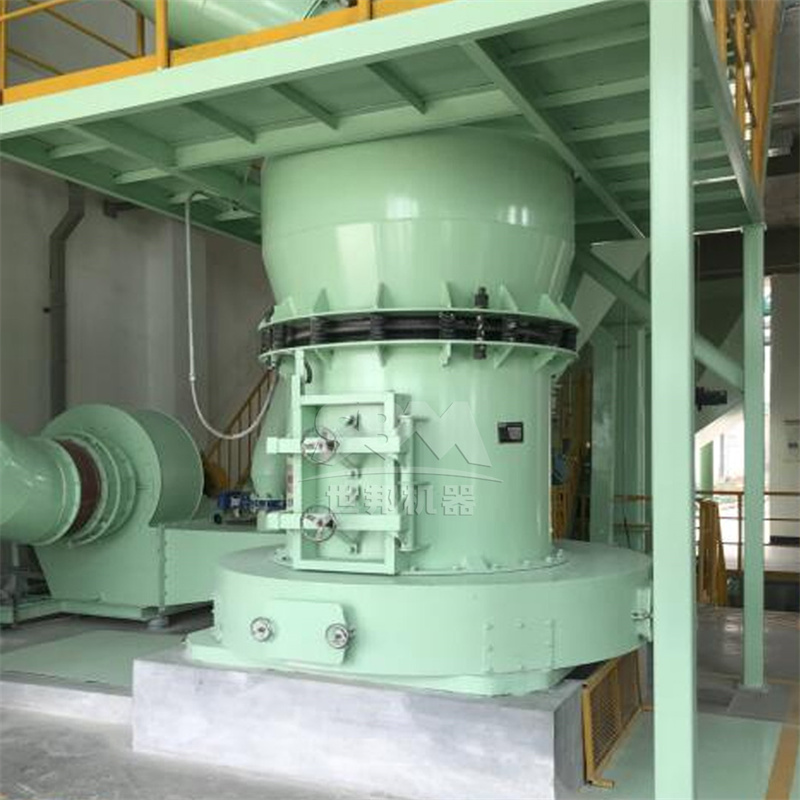
2. Key Criteria for Selecting Magnesite Grinding Equipment
Before diving into specific models, it is essential to establish the selection criteria that will drive your investment decision. For a target output of 45μm (325 mesh), the following parameters are most critical:
a) Energy Efficiency: Grinding is an energy-intensive process. The difference between a jet mill and a roller mill can be as high as 30-40% in energy savings. Look for mills that utilize bed-of-material grinding principles, as these are inherently more efficient than impact-based systems.
b) Classification Precision: To achieve a 325 mesh specification with minimal oversized particles, a high-performance classifier is non-negotiable. A vertical turbine classifier, for instance, provides a sharp cut point ensuring no coarse powder mixing, which is vital for product consistency in refractory applications.
c) Wear Resistance and Durability: Magnesite is abrasive. The lifespan of grinding rollers, rings, and table liners directly impacts operating costs. Mills designed with special alloy materials and modular wear parts reduce downtime and extend service life significantly.
d) System Footprint and Investment: While capacity is king, the physical footprint of the system matters. Integrated units that combine grinding, classification, and collection in one system save valuable plant real estate and reduce civil engineering costs.
3. Top Equipment Solutions for 325 Mesh Output
Option A: SCM Series Ultrafine Mill (For Lower Capacity, Ultra-Precision)
For operations focusing on premium quality powder with capabilities extending beyond 325 mesh into the micron range, the SCM Series Ultrafine Mill is an exceptional choice. Although designed to output 325-2500 mesh, it performs exceptionally well at the 45μm threshold. One of the key advantages of this system is its energy economy; it delivers twice the capacity of a jet mill with 30% lower energy consumption. The intelligent control system automatically adjusts parameters to ensure stable fineness, making it perfect for high-value-added magnesite products where consistency is more critical than massive volumes.
Working Principle in Brief: The main motor drives multiple layers of grinding rings. Material is dispersed into the grinding path by centrifugal force, crushed by roller pressure, and ground layer by layer. This direct grinding method is highly effective for minerals like magnesite. The high-precision vertical turbine classifier ensures the final powder meets the strict 325 mesh standard without coarse particle contamination.
Recommended Model:
- SCM1000: Capacity 1.0-8.5 t/h | Main Power 132kW | Feed Size ≤20mm. This model represents the sweet spot for mid-sized magnesite processors, balancing power consumption and throughput while maintaining ultrafine precision.
Option B: MTW Series European Trapezium Mill (For High Capacity, Industrial Scale)
When high tonnage is the primary driver, the MTW Series European Trapezium Mill stands out as a workhorse for the magnesite industry. Capable of producing fineness down to 325 mesh (45μm) with capacities reaching 45 tons per hour, it is designed for continuous industrial operations. Its integral bevel gear drive boasts a transmission efficiency of up to 98%, significantly reducing energy losses compared to traditional drive systems. The optimized arc air duct reduces airflow resistance, enhancing efficiency and protecting the internal working surfaces from wear.
Working Principle in Brief: The main motor drives the grinding rollers to revolve around the central axis. Shovels throw the magnesite between the grinding ring and rollers, forming a dense material bed that is crushed by extrusion. The classification system then ensures only particles of 45μm or smaller exit the mill.
Recommended Model:
- MTW138Z: Capacity 6-17 t/h | Main Power 90kW | Feed Size <35mm. This is our most balanced recommendation for mid-to-large scale magnesite powder producers seeking a reliable, high-output 325 mesh solution with low maintenance requirements.
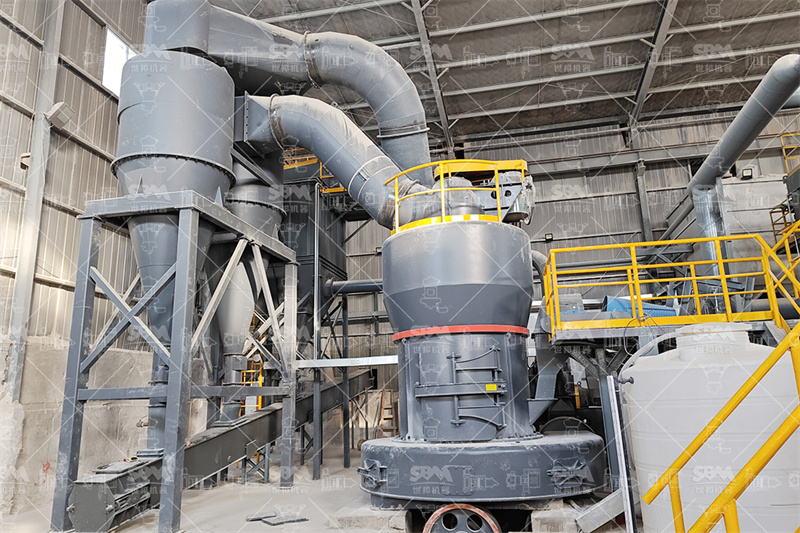
4. Comparative Analysis: SCM vs. MTW
To simplify the selection, consider your primary business goal. If your production plan requires more than 10 tons per hour of magnesite powder exclusively, the MTW Series provides better economics of scale. Its heavy-duty construction and anti-wear shovel design are built for the 24/7 demands of large refractory plants.
However, if your market requires finer grades (like 600 mesh) alongside 325 mesh, or if you are operating in a space-constrained environment, the SCM Series offers flexibility and a smaller footprint. The SCM’s ability to maintain precision at 45μm without excessive energy use makes it ideal for high-end ceramic and investment casting applications.
5. Alternative Solutions: Vertical Roller Mills & Others
While the SCM and MTW are our primary recommendations, the LM Series Vertical Roller Mill offers an integrated system that crushes, grinds, and classifies in one unit, reducing floor space by 50%. With capacity ranges from 10 to 250 t/h, it is the ultimate solution for mega-scale magnesite operations. However, for a targeted 325 mesh (45μm) output with specific demands on specific surface area, the investment cost for an LM series is significantly higher than an MTW system. Therefore, most mid-tier producers find the MTW to be the most efficient compromise between cost, performance, and maintenance.
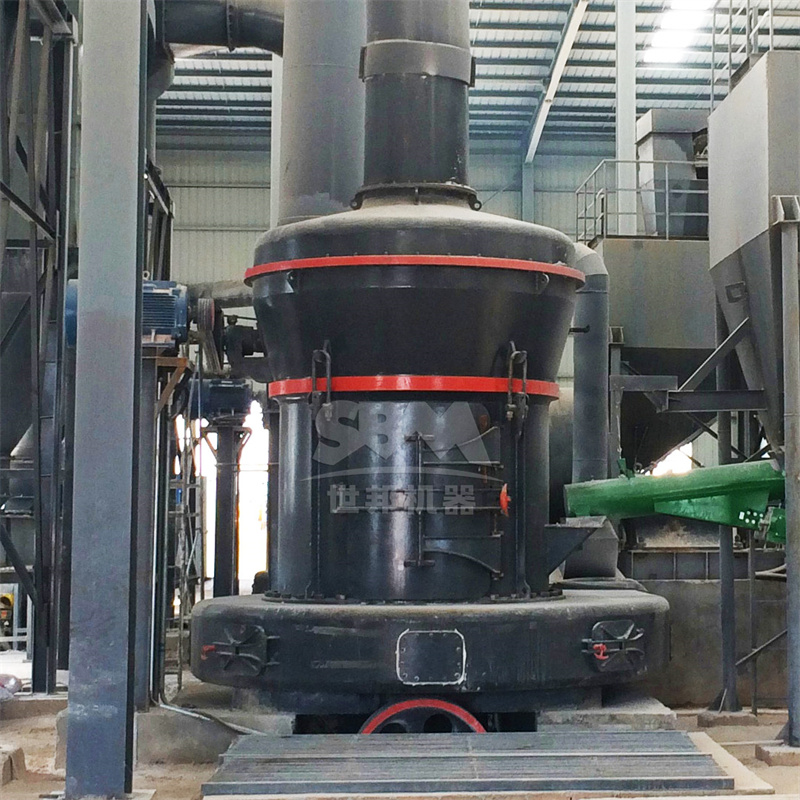
6. Installation and After-Sales Support
Selecting the right mill is only the first step. A successful operation depends on proper installation and ongoing support. Our turnkey solutions include modular grinding roller assembly quick-change systems, allowing for rapid maintenance swaps that minimize downtime. We also provide intelligent automation systems with remote monitoring capabilities, allowing our engineers to assist you in real-time with output fineness adjustments.
Furthermore, our pulse dust collection systems ensure your operation meets stringent environmental emission standards, making your business compliant and sustainable. The noise reduction technologies integrated into our mills also ensure a safer working environment for your staff.
7. Conclusion: Choosing Your Path to 45μm Efficiency
Achieving high-efficiency magnesite powder production at 325 mesh requires a partnership with a technology provider who understands the specific challenges of hard mineral grinding. Whether you choose the SCM Series for its ultrafine precision or the MTW Series for massive throughput, you are investing in equipment engineered for high availability and low cost per ton.
Do not settle for standard milling solutions. Contact our engineering team to discuss your specific feed material characteristics (Bond Work Index) and target capacity. We will perform a process simulation to recommend the exact model and power configuration—whether it’s a single SCM1250 or a dual MTW215G system—to ensure your investment yields maximum return in the competitive refractory market.
Remember, the goal is not just to grind magnesite; it is to produce a uniform, high-density powder that exceeds client expectations. With the right equipment selection from our portfolio, you can achieve just that.