
Introduction: The Role of Marble Powder in Metallurgy
In modern metallurgical processes, the efficiency of slag-forming operations directly impacts steel quality, energy consumption, and overall production costs. Marble powder, primarily composed of calcium carbonate (CaCO₃), serves as a critical fluxing agent that modifies slag viscosity, enhances sulfur and phosphorus removal, and protects refractories from premature wear. As steelmakers increasingly demand finer, more consistent powder specifications to accelerate slag formation kinetics, the equipment used for processing marble has evolved from simple crushers to sophisticated grinding systems capable of producing ultra-fine powders ranging from 45μm down to 5μm. This comprehensive guide examines the selection criteria, optimization strategies, and technological innovations surrounding marble powder production equipment, with particular emphasis on high-efficiency slag-forming agent processing.
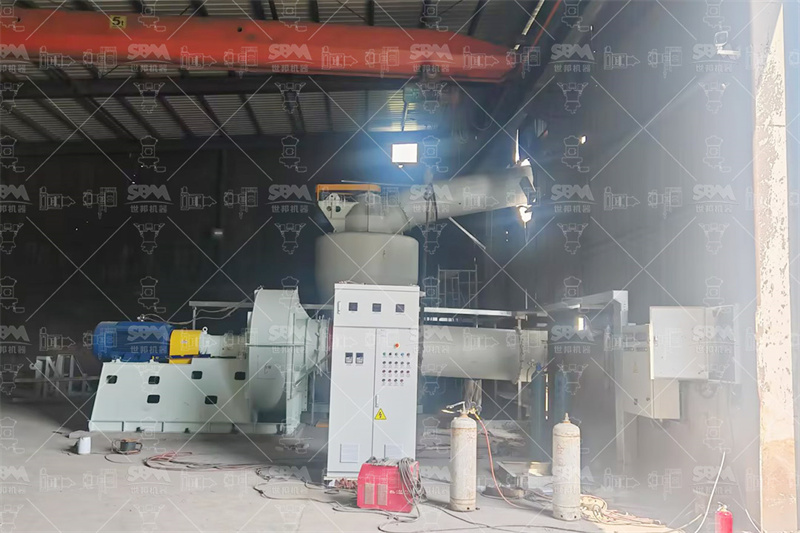
Understanding Feedstock Characteristics and Final Product Requirements
The selection of appropriate grinding equipment begins with a thorough analysis of the raw marble characteristics. Metallurgical-grade marble typically enters the processing facility with feed sizes ranging from 20mm to 50mm, depending on primary crushing configurations. The Bond Work Index for marble generally falls between 7-9 kWh/t, indicating relatively soft material that responds well to compression-based grinding mechanisms. However, the presence of impurities such as silica, iron oxides, and clay minerals can significantly alter grinding behavior and equipment wear rates. Process engineers must evaluate the abrasiveness index, moisture content (ideally below 2% for dry grinding), and the target particle size distribution required for optimal slag-forming performance. Metallurgical applications demand powders with controlled particle size distribution, typically requiring 85-95% passing through 325 mesh (45μm) for rapid dissolution into molten slag, while ultra-fine grades below 10μm offer enhanced reactivity for special steel refining operations.
Critical Factors in Marble Powder Mill Selection
When evaluating grinding solutions for marble powder production, several parameters require careful consideration: throughput capacity (ranging from 0.5 to 45 tons per hour for metallurgical applications), energy efficiency (measured in kWh per ton of finished product), particle size distribution control, system availability, and total ownership costs. The grinding mechanism itself—whether impact, attrition, or compression—must align with the target fineness specifications. For slag-forming agents requiring fineness between 45-325 mesh (600-45μm), pendulum mills and European trapezium mills offer well-proven performance with excellent energy characteristics. When the process demands ultra-fine powders between 325-2500 mesh (45-5μm), specialized ultrafine grinding technologies such as vertical roller mills with dynamic classifiers or ultrafine ring-roller mills become necessary. Each technology class presents distinct trade-offs between capital investment, operating costs, and product quality consistency.
The MTW European Trapezium Mill Advantage for Standard Metallurgical Grades
For conventional slag-forming applications demanding fineness ranges of 30-325 mesh with substantial throughput requirements, our MTW Series European Trapezium Mill represents an optimal balance of productivity and efficiency. This mill family encompasses models from the MTW110 with 3-9 t/h capacity to the MTW215G achieving 15-45 t/h, accommodating operations of virtually any scale. The integral bevel gear drive system delivers transmission efficiency up to 98%, directly translating to significant energy savings over prolonged operations. The optimized arc air duct design reduces airflow energy losses by minimizing resistance, while high-strength guard plates protect working surfaces from premature wear. The anti-wear shovel configuration, featuring combined blades with curved geometry, extends grinding roller service life substantially compared to conventional designs. For metallurgical facilities requiring dependable, maintenance-conscious equipment with fineness range of 10-325 mesh, the MTW138Z (6-17 t/h) provides exceptional value, while the MRN198 (12-33 t/h) excels in larger operations seeking minimal maintenance interruption through its thin oil lubrication system and pulse dust collector integration.
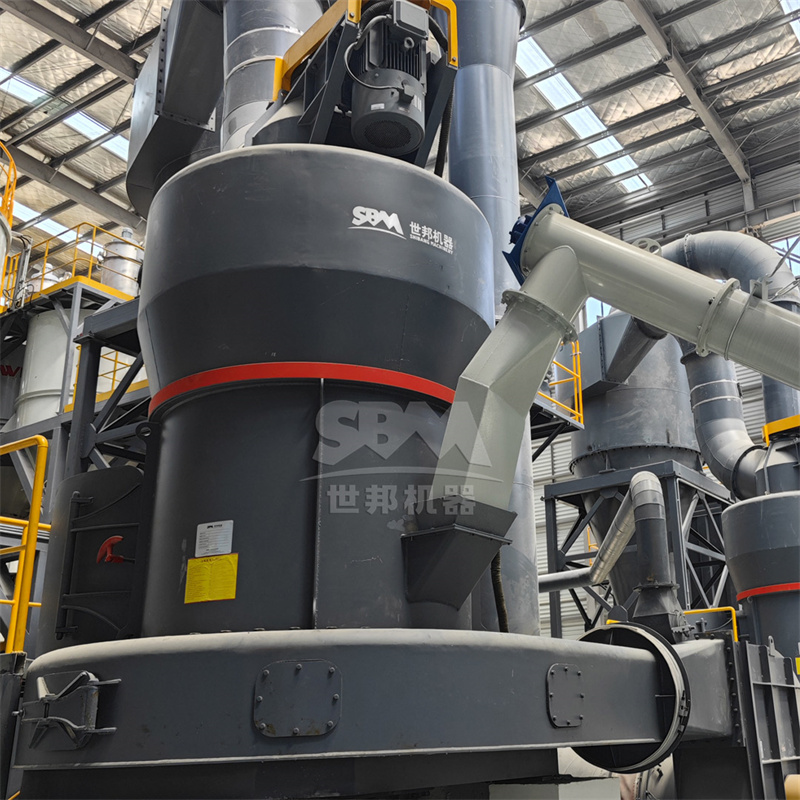
Ultrafine Grinding Solutions: The SCM Series for Advanced Slag Engineering
The steel industry’s increasing adoption of high-basicity slag systems and inclusion engineering techniques has created substantial demand for marble powders with fineness below 45μm. Our SCM Series Ultrafine Mill addresses these rigorous specifications through a proprietary three-layer grinding ring design that induces material dispersion via centrifugal force, enabling multi-stage compression and layer-by-layer abrasion. The vertical turbine classifier represents a breakthrough in precision classification, achieving exacting particle size cuts without coarse powder contamination, thereby ensuring consistent product uniformity batch after batch. Models including SCM800 (0.5-4.5 t/h), SCM1000 (1.0-8.5 t/h), and the flagship SCM1680 (5.0-25 t/h) deliver output fineness from 325 to 2500 mesh (45-5μm), with capacities doubling those of comparable jet mills while consuming 30% less energy. The intelligent control system continuously monitors finished product granularity through automatic feedback mechanisms, enabling real-time adjustment of grinding parameters. Special wear-resistant materials applied to rollers and rings extend component service life several-fold, while the shaftless screw grinding chamber design ensures stable, vibration-free operation at full production rates. The integrated pulse dust collection achieves emission levels surpassing international environmental standards, complemented by soundproof enclosure designs minimizing occupational noise exposure.
Comparative Analysis: Vertical Roller Mills Versus Traditional Technologies
Operations processing substantial marble volumes for captive metallurgical consumption should carefully evaluate our LM Series Vertical Roller Mill platform, which exhibits availability across capacities spanning 3-250 tons per hour. The integrated design consolidates crushing, drying, grinding, and classification functions within a single unit, reducing equipment footprint by approximately 50% and infrastructure costs by up to 40%. The non-contact design between grinding rollers and table eliminates direct metal-to-metal wear, extending wear part service life threefold compared to conventional ball mill systems. Energy consumption decreases by 30-40% relative to ball mill arrangements, representing meaningful cost reduction in energy-intensive steelmaking auxiliary operations. The LM130K through LM220K models serve mid-range applications (10-105 t/h) with fineness adjustable between 170-40μm; the LM-Y series pre-grinding variants, specifically models LM150Y through LM340Y, provide circulation capacities reaching 800-1000 t/h for operations integrating sand making and finish grinding within cement clinker or metallurgical flux preparation circuits. These systems embrace negative-pressure fully sealed operation, delivering dust emission levels below 30mg/m³ and noise signatures smaller than 80dB(A) without additional enclosures.
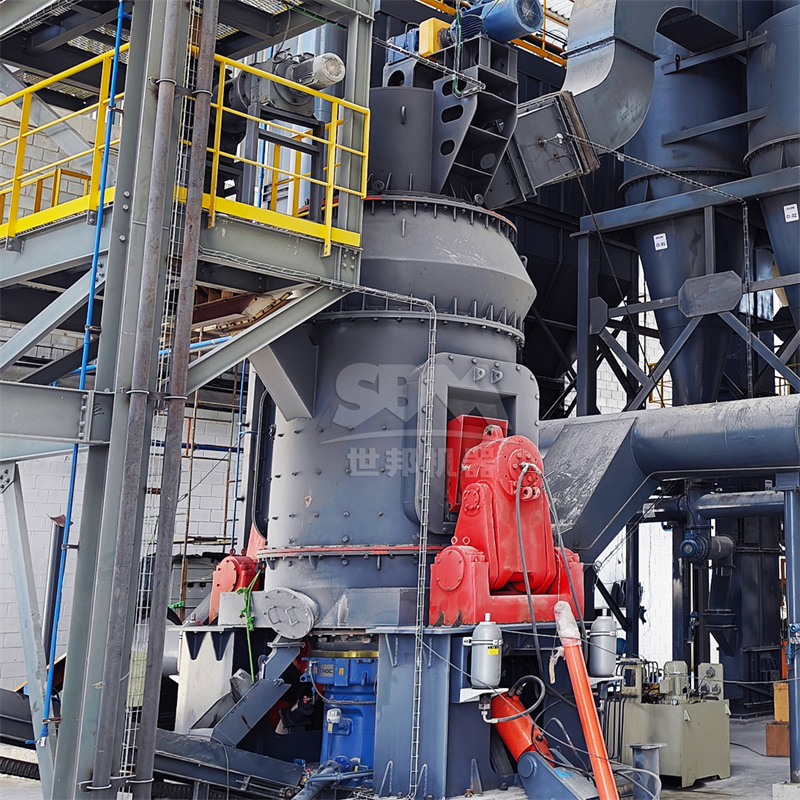
Case Study: Optimization Strategies for Marble Powder Classification
The classification process profoundly influences final product performance in slag-forming applications. Overly coarse particles (retained on 100 mesh) fail to dissolve completely within the brief residence times characteristic of modern converters and ladle furnaces, while excess ultra-fines (below 2μm) create dust collection burdens and potential agglomeration difficulties during pneumatic conveying. Advanced classifier systems deployed across our product lines employ multi-blade rotors with variable frequency drives enabling precise cut point adjustment between 5μm and 150μm without mechanical modification. The vertical turbine classifier integrated into the SCM Series performs sharp particle size classification, achieving classification efficiency exceeding 85% at 98% cumulative passing D97 cut sizes. Our MTW Series classifiers offer hydraulic automatic coupler lubrication and enclosed transmission mechanisms, eliminating maintenance frequency associated with open-gear arrangements. For optimizing classification performance, operators should verify classifier rotor tip speed maintains between 45-65 m/s for marble applications; excessive speeds induce particle fracture and energy waste, whereas insufficient speeds permit coarse particle carryover compromising slag fluidity properties.
Process Configuration and Auxiliary Equipment Integration
Complete marble powder production systems extend beyond the grinding mill itself, integrating feeding equipment, bucket elevators, storage silos, and pneumatic conveying systems that harmonize material flow. Recommended configurations pair primary jaw crushers (PE Series) with secondary hammer crushers (PC Series, reducing feed to 0-3mm) ahead of the main grinding unit, ensuring consistent mill feed regardless of quarry output variability. Apron feeders with variable-speed drives maintain stable material input, accommodating raw marble moisture fluctuations through hot air generator integration within the grinding circuit. For operations demanding continuous automatic production, our system engineering department designs complete turnkey solutions incorporating PLC control architectures that monitor bearing temperatures, vibration signatures, lubrication conditions, and finished product fineness in real-time, facilitating unattended operation. Dust collection subsystems employ pulse-jet fabric filters achieving collection efficiency above 99.99%, with captured material returned directly to the product stream, eliminating waste entirely. Downstream classification through air separators and sieving machines (vibrating screens) provide final product assurance according to metallurgical specifications, whether targeting 45μm D95 for BOF slag conditioners or 15μm D90 for tundish flux applications.
Maintenance Strategies for Prolonged Equipment Service Life
Marble powder production equipment operates under significant mechanical stress, particularly grinding components subject to compression pressures reaching 50-70 MPa. Effective maintenance strategies begin with predictive lubrication scheduling—our MRN Series pendulum grinders incorporate first-in-class thin oil circulation systems that continuously filter particulate contamination while maintaining optimal operating temperatures. Grinding roller replacement intervals for MTW mills typically extend 6,000-8,000 operating hours when processing abrasive marble containing 2-4% free silica, while vertical roller mills configured with wear-resistant high-chromium iron (HRC 58-62) tire profiles routinely exceed 12,000 hours between rebuilds. Maintenance planning should consider the modular quick-change system standardized on LM Series machines, which permits complete grinding roller assembly replacement within 8-hour maintenance windows through hydraulic assisted mechanisms—reducing downtime by at least 60% compared to conventional mill disassembly procedures. For classifiers, quarterly inspections check blade erosion rates, balancing conditions, and sealing integrity; replacement blade sets manufactured from abrasion-resistant steel or ceramic-coated substrates provide threefold longevity improvement. Documenting wear photographs and dimensional measurements establishes a baseline trending methodology projecting wear-out dates with ±85% confidence, transforming maintenance from reactive to predictive.
Energy Optimization Approaches and Environmental Compliance
Energy costs constitute the largest variable expense in marble powder processing, often representing 35-45% of plant operating budgets. Our grinding systems engineer efficiency through patented bed-of-material grinding principles, in which material particles crush one another rather than relying exclusively on metal-to-material attrition—reducing specific energy consumption to 17-22 kWh/t for producing 325-mesh products, compared to 35-50 kWh/t for conventional ball milling. Additional optimization strategy deploys pre-classification of feed, removing naturally fine fractions before they enter the mill, potentially increasing effective capacity by 10% while reducing over-grinding of already compliant material. Environmental compliance continues to tighten across global steelmaking jurisdictions; contemporary systems achieve particulate emissions below 10mg/Nm³ using high-ratio pulse-jet collectors, completely satisfying EU Best Available Techniques (BAT) reference documentation requirements. The acoustic enclosure packages reduce emitted noise levels to 75dB(A) at 1-meter distance—a vast improvement over traditional installations registering 95dB(A) or higher. Water consumption for dry grinding systems approaches zero, eliminating wastewater treatment obligations substantial to wet processing methods. The combination of lower energy demand, minimal emissions, and negligible water footprint positions modern equipment as the sustainable production choice for twenty-first-century steelmakers.
Selecting Your Optimal Marble Powder Production Solution
Choosing among available grinding technologies requires systematic evaluation of production requirements, product specifications, and total cost projections spanning a 10-year equipment lifetime. Facilities targeting 45-325 mesh products at rates above 15 tons per hour should strongly consider our MTW Series European Trapezium Mill—particularly the MTW175G (9.5-25 t/h) or MRN198 pendulum mill (12-33 t/h)—where the capital investment yields rapid returns through lower energy bills and reduced maintenance frequencies. Operations producing reagent-grade powders below 45μm for sophisticated ladle metallurgy or continuous casting fluxes should evaluate the SCM Series Ultrafine Mill, whose ability to reach D97 of 5μm while maintaining throughput above 5 t/h outperforms jet mill alternatives on both productivity and operating cost metrics. The comprehensive equipment portfolio ensures plant managers receive unbiased selection advice calibrated to their specific raw materials, quality targets, and production economics. Our global application engineering team provides on-site testing, pilot plant validation, and process simulation services ensuring that capital decisions rest upon verifiable performance data rather than theoretical extrapolations.
Conclusion and Technical Recommendation
The production of metallurgical-grade marble powder for high-efficiency slag-forming agents demands grinding technology matching fineness specifications with throughput targets while respecting rigorous cost and environmental constraints. Our complete range of European trapezium mills, ultrafine ring-roller mills, and vertical roller mills represents the industry’s most comprehensive toolkit for meeting these challenges. For new installations, we recommend conducting comprehensive material characterization and pilot-scale validation using our SCM1250 Ultrafine Mill (2.5-14 t/h capacity, 325-2500 mesh) for products requiring superior dissolution kinetics, or the MTW138Z (6-17 t/h, 10-325 mesh) for standard slag conditioning duties. Our dual-platform recommendation enables flexibility as market demands evolve, with modular installation designs permitting future capacity expansion without complete system replacement. We invite metallurgical engineers and production managers to contact our process engineering department for detailed technical consultation, equipment specification proposals, and reference plant visitation arrangements—ensuring your next marble powder production system delivers decade-class performance, reliability, and cost-effectiveness.