
Introduction: The Critical Role of Titanium Filler in Modern Papermaking
In the competitive paper manufacturing industry, the quality of titanium dioxide (TiO₂) filler directly impacts brightness, opacity, and printability. However, the processing of these minerals—from raw ore to ultrafine powder—remains a significant challenge. Traditional grinding equipment often struggles with high energy consumption, inconsistent particle size distribution, and excessive wear, leading to increased operational costs and compromised paper quality. To address these challenges, advanced milling technologies have become essential. This article explores how high-efficiency papermaking titanium filler processing equipment can revolutionize your production line, balancing cost optimization with superior product quality.
The Demand for Ultrafine Titanium Dioxide in Papermaking
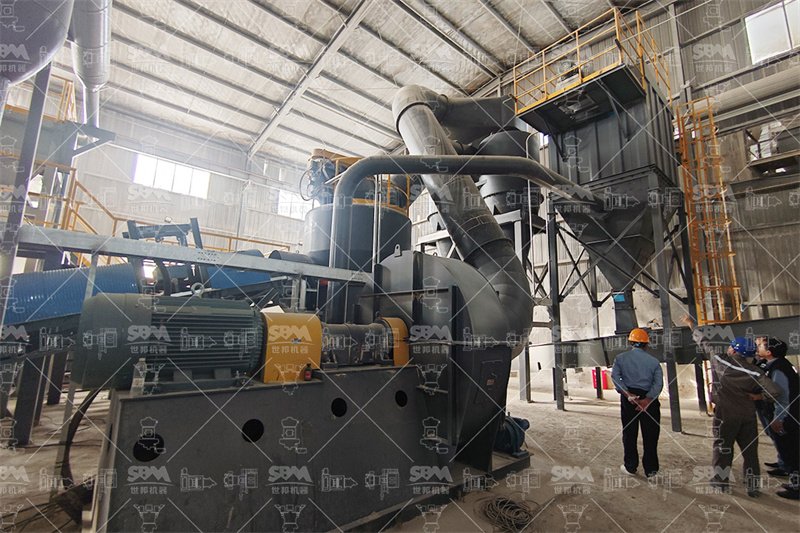
Titanium dioxide is prized for its high refractive index, which provides exceptional whiteness and opacity to paper. For premium paper grades, TiO₂ particles must be ground to finenesses between 325 mesh (45μm) and 2500 mesh (5μm). Achieving this requires milling equipment that offers precise classification, high throughput, and minimal contamination. The SCM Series Ultrafine Mill, with its output fineness ranging from 325 to 2500 mesh and capacity of 0.5 to 25 tons per hour, is specifically engineered for such demanding applications. Its vertical turbine classifier ensures a sharp particle size cut, eliminating coarse powder mixing, which is critical for uniform coating and improved paper surface properties.
Energy Efficiency: A Direct Path to Cost Reduction
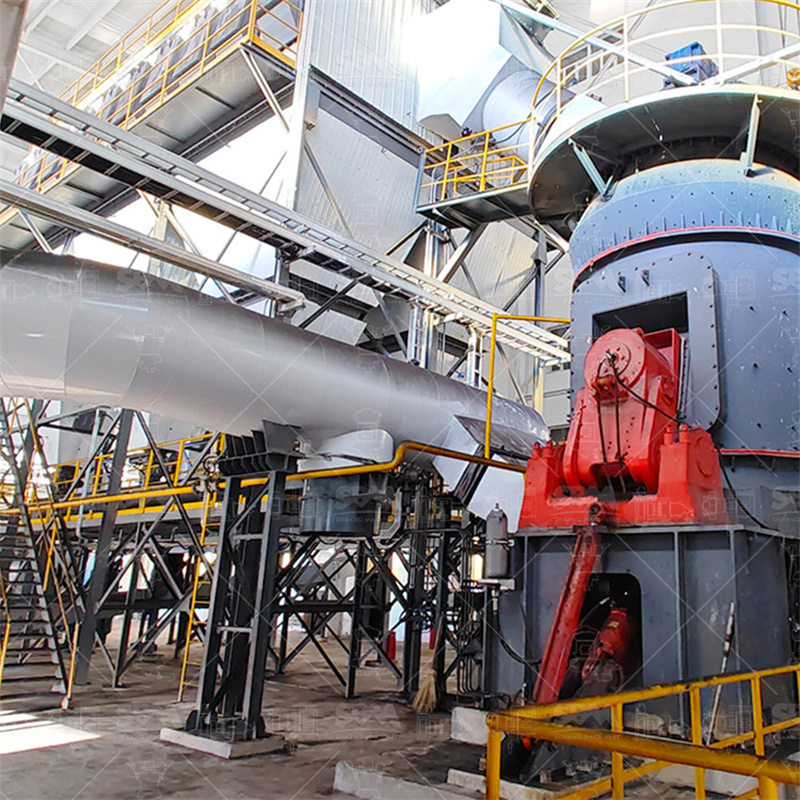
Energy consumption constitutes a substantial portion of the total production cost in mineral processing. Traditional ball mills, while reliable, are notoriously energy-inefficient, consuming up to 40% more power than modern roller mill systems. In contrast, the LM Series Vertical Roller Mill boasts energy consumption 30-40% lower than ball mill systems. Its integrated design combines crushing, grinding, and classification in one unit, reducing the need for auxiliary equipment. The non-contact design between rollers and table significantly extends wear part life—by up to three times—while the intelligent control system optimizes power usage in real time. For large-scale TiO₂ filler production, the LM280K model (capacity 50-170 t/h) offers an unmatched balance of efficiency and output.
Precision Classification for Consistent Product Quality
In papermaking, inconsistent filler particle size leads to uneven brightness and poor retention. The SCM Series Ultrafine Mill addresses this with its high-precision vertical turbine classifier. This technology ensures that every batch of TiO₂ powder meets exact specifications, with no stray coarse particles. The intelligent control system provides automatic feedback on finished product granularity, allowing operators to adjust parameters on the fly without interrupting production. When combined with the MTW Series European Trapezium Mill—which uses an optimized arc air duct to reduce airflow energy loss—the entire processing line benefits from enhanced classification accuracy. The MTW215G model, capable of handling feed sizes up to 50mm and producing 15-45 t/h of 30-325 mesh powder, is ideal for pre-grinding before ultrafine processing.
Equipment Durability: Reducing Downtime and Maintenance Costs
Wear and tear on grinding components can cripple a production line. The SCM mill’s special material rollers and rings extend service life several times over compared to standard alloys. Similarly, the MTW mill features a unique anti-wear shovel design with combined blades that reduce maintenance costs, and a wear-resistant volute structure that cuts maintenance expenses by 30%. For operations requiring both coarse and fine grinding, the Ball Mill remains a robust option, with high manganese steel liners and steel balls (HRC58-62 hardness) providing exceptional durability in wet or dry modes. However, for the specific application of TiO₂ filler, the SCM and MTW series offer superior longevity with lower operational complexity.
Eco-Friendly Operation: Meeting Modern Environmental Standards
Regulatory compliance is non-negotiable. Modern milling equipment must operate with minimal dust and noise. The SCM Series Ultrafine Mill incorporates pulse dust collection efficiency that exceeds international standards, alongside a soundproof room design that keeps noise levels within acceptable limits. The LM Series operates under fully sealed negative pressure, ensuring zero dust emission, while intelligent control reduces manual intervention, enhancing worker safety. Investing in eco-friendly equipment not only avoids fines but also improves the corporate image in an increasingly sustainability-conscious market.
Why the SCM Series Ultrafine Mill is Ideal for Your Titanium Filler Line
For titanium filler processing, the SCM Series stands out due to its unparalleled combination of fine grinding capability and energy savings. Its capacity is twice that of jet mills with 30% lower energy consumption. The 2500-mesh fineness capability makes it suitable for premium paper grades where opacity is paramount. Consider the SCM1250 (capacity 2.5-14 t/h, main power 185kW) for medium-scale lines, or the SCM1680 (capacity 5.0-25 t/h, main power 315kW) for high-volume production. These models integrate seamlessly with upstream milling solutions like the MTW trapezium mill for staged grinding.
Case Study: Optimizing a Titanium Filler Production Line
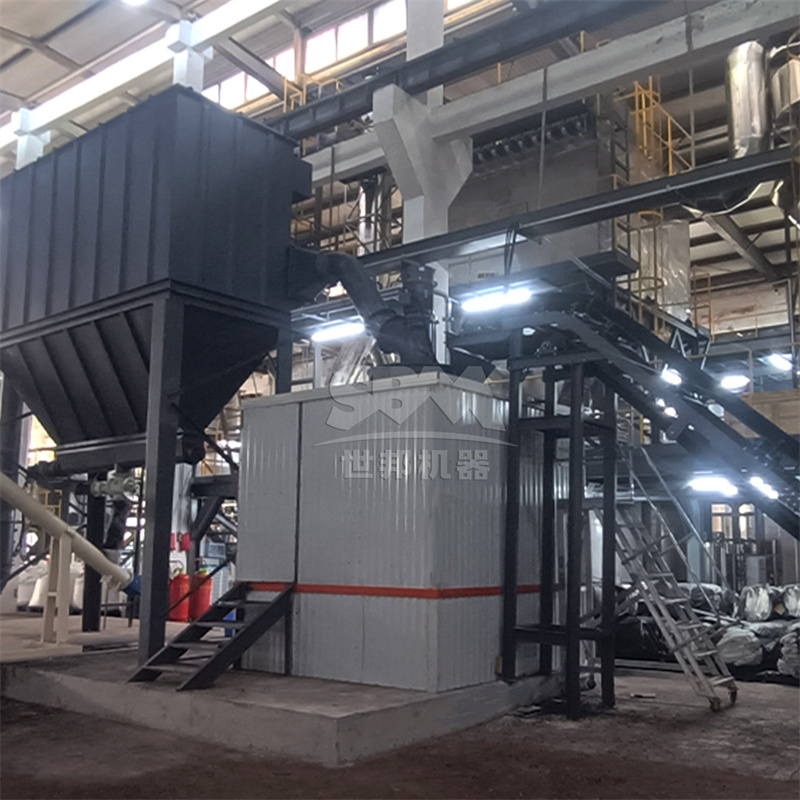
A leading paper manufacturer replaced its traditional ball mill system with a combination of an MTW175G (for pre-grinding to 325 mesh) and an SCM1000 (for ultrafine grinding to 1250 mesh). The results: energy consumption dropped by 35%, maintenance costs fell by 25%, and the final product’s brightness increased by 2 points. The intelligent control system allowed the plant to reduce manual oversight, reallocating labor to quality control. The investment was recovered within 18 months. This demonstrates how targeted equipment upgrades can deliver measurable returns.
Conclusion: Transform Your Production with Advanced Milling Technology
The choice of milling equipment directly influences the profitability and product quality of papermaking operations. By adopting high-efficiency processing equipment like the SCM Series Ultrafine Mill and the MTW Series European Trapezium Mill, manufacturers can achieve lower energy bills, reduced maintenance, and superior filler consistency. Whether you are expanding an existing plant or building a new one, integrating these technologies will ensure your production line remains competitive in the global market.
Recommendations
We recommend the SCM1680 Ultrafine Mill for large-scale ultrafine TiO₂ production and the MTW215G European Trapezium Mill for reliable pre-grinding. For applications requiring the highest precision, the SCM900 (0.8-6.5 t/h) offers exceptional fineness control for smaller batches. Contact our team to discuss custom configurations suited to your specific feed materials and output requirements.