
Introduction
In the ceramics manufacturing industry, the quality of raw materials directly impacts the final product’s performance, color consistency, and mechanical strength. Dolomite, a calcium magnesium carbonate mineral, is widely used as a flux and additive in ceramic bodies and glazes. Its fine and uniform grinding is essential to ensure homogeneous mixing and optimal sintering behavior. This article provides a comprehensive overview of high-efficiency production equipment designed specifically for processing dolomite additives, highlighting advanced technologies that deliver superior particle size distribution, energy savings, and operational reliability.
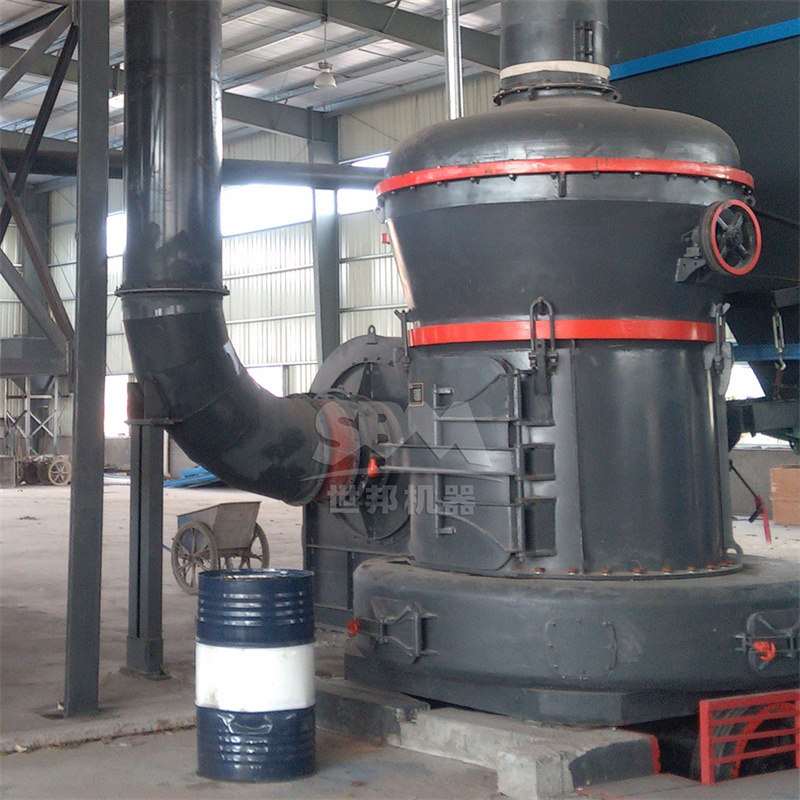
Importance of Dolomite in Ceramics
Dolomite serves multiple functions in ceramic formulations. It acts as a flux, lowering the firing temperature and enhancing vitrification. It also contributes to the whiteness and brightness of the final product. For these benefits to be fully realized, the dolomite must be ground to a precise fineness, typically between 45 micrometers and 600 micrometers, depending on the application. Inconsistent particle sizes can lead to defects such as pinholes, blisters, or uneven color distribution. Therefore, selecting the right grinding equipment is critical for manufacturers aiming for high-quality output and cost-effective production.
Key Challenges in Dolomite Grinding
Dolomite has a Mohs hardness of 3.5 to 4 and is relatively brittle, but its efficient grinding presents several challenges. Traditional ball mills often suffer from high energy consumption and excessive wear of grinding media. Moreover, achieving a narrow particle size distribution without coarse particles requires precise classification. Dust generation is another concern, as fine dolomite powder can be hazardous to health and the environment. Modern grinding solutions address these issues through intelligent design, advanced classification systems, and integrated dust collection.
Advanced Grinding Technologies for Dolomite
Several mill types have been optimized for dolomite processing. Among them, vertical roller mills, trapezium mills, and ultrafine mills stand out for their efficiency and reliability. These systems incorporate features such as multi-stage classification, energy-saving drives, and wear-resistant components. The choice of mill depends on the required throughput, feed size, and final fineness. Below, we discuss two exceptional products from our company that are specifically engineered to meet the demands of the ceramics industry.
Recommendation: SCM Series Ultrafine Mill
For manufacturers requiring dolomite powder with a fineness of 325 to 2500 mesh (45-5 μm), the SCM Series Ultrafine Mill is an ideal solution. This mill offers a capacity range of 0.5 to 25 tons per hour, depending on the model, and accepts feed sizes up to 20 mm. Its capacity is twice that of jet mills, while energy consumption is reduced by 30%. The vertical turbine classifier ensures precise particle size cutting without coarse powder mixing. The durable design, featuring special material rollers and rings, extends service life significantly. The SCM800 model, with a capacity of 0.5-4.5 t/h and main power of 75 kW, is perfect for small to medium-scale production lines, while the SCM1680 model can handle up to 25 t/h for large industrial operations.
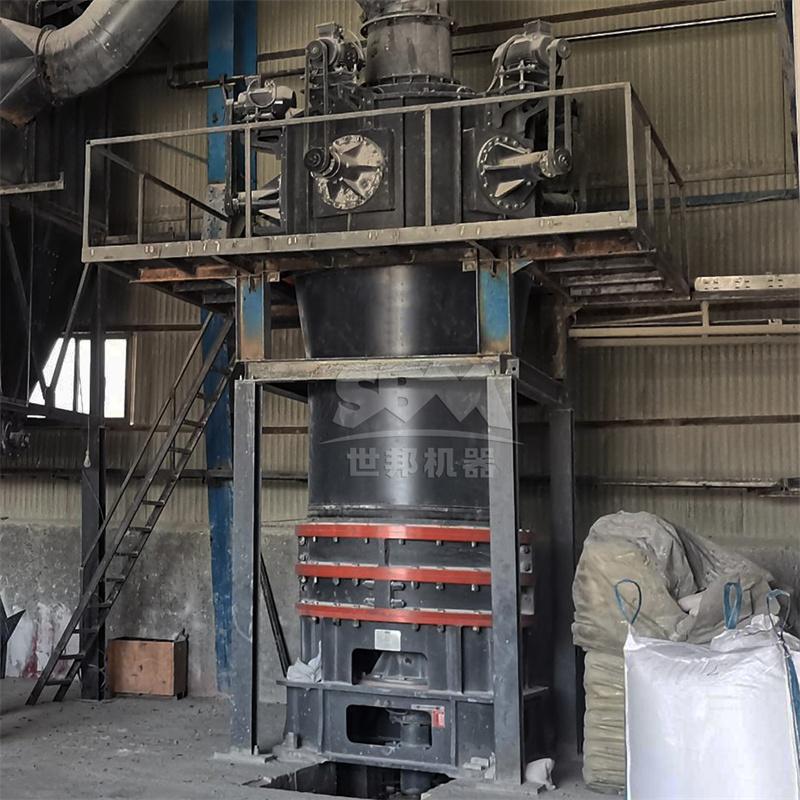
Recommendation: LM Series Vertical Roller Mill
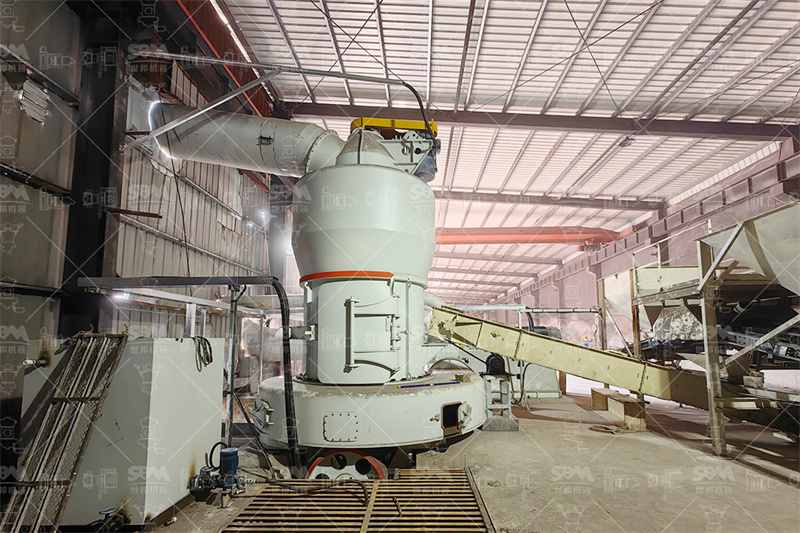
For applications requiring a coarser product in the range of 30 to 325 mesh (600-45 μm), the LM Series Vertical Roller Mill offers unmatched efficiency. This mill integrates crushing, grinding, and selection in a single unit, reducing floor space by 50% and infrastructure costs by 40%. Its energy consumption is 30-40% lower than that of ball mill systems. The non-contact design between rollers and table minimizes wear, extending the life of wear parts by three times. The LM170K model, with a table diameter of 1700 mm and capacity of 18-48 t/h, is highly suitable for medium to large ceramics plants. Its intelligent control system supports real-time monitoring and reduces manual intervention.
Environmental and Operational Benefits
Both the SCM and LM series mills are designed with the environment in mind. They feature fully sealed negative pressure operation and advanced pulse dust collection systems that exceed international emission standards. Noise levels are kept low through soundproof room designs and damping technologies. These features not only ensure compliance with environmental regulations but also create a safer and more comfortable working environment for operators. From an operational standpoint, the intelligent control systems with automatic finished product granularity feedback reduce labor costs and improve consistency.
Comparative Analysis with Traditional Equipment
Compared to traditional ball mills and Raymond mills, the modern equipment discussed here offers clear advantages. For example, an LM series vertical roller mill consumes 30-40% less energy than a ball mill for the same output. The SCM ultrafine mill achieves a fineness that jet mills cannot match economically. The trapezium mills, such as the MTW series, with their integral bevel gear drive achieving 98% transmission efficiency, further demonstrate how engineering innovation can lead to lower operating costs and higher productivity. The anti-wear shovel design of the MTW series also reduces maintenance frequency and costs.
Case Studies and Practical Applications
In practical applications, a ceramics manufacturer using the SCM1250 model for dolomite grinding reported a 25% increase in throughput and a 15% reduction in specific energy consumption compared to their previous jet mill setup. The uniform particle size distribution eliminated defects in the final ceramic tiles, improving the yield rate by 5%. Another plant utilizing the LM190K vertical mill for a combined grinding of dolomite and other additives achieved a consistent product quality with a fineness of 200 mesh, which is ideal for standard wall tile production.
Maintenance and Serviceability
Ease of maintenance is a key feature of our equipment. The SCM series employs a shaftless screw grinding chamber for stable operation, and the roller assembly of the LM series is modular for quick replacement. The patented thin oil lubrication system in our pendulum mills and other models ensures a maintenance-free operation for extended periods, significantly reducing downtime. Our global service network provides timely technical support and spare parts, ensuring that your production line remains operational with minimal interruption.
Conclusion
Investing in high-efficiency production equipment is essential for ceramics manufacturers who seek to improve product quality, reduce energy consumption, and lower operational costs. The SCM Series Ultrafine Mill and LM Series Vertical Roller Mill represent the pinnacle of modern grinding technology for dolomite additives. With their advanced classification, intelligent control, and eco-friendly designs, these machines are engineered to help your business succeed in a competitive market. We invite you to contact our team for a personalized consultation and to explore how our solutions can be tailored to your specific production requirements.