
Introduction to Dolomite Processing in Refractory Manufacturing
Dolomite, a calcium magnesium carbonate mineral, is a critical raw material in the production of refractory materials, including basic bricks, furnace linings, and monolithic refractories. Its high-temperature stability and resistance to slag attack make it indispensable in steelmaking, cement kilns, and glass furnaces. However, to achieve the desired particle size distribution, purity, and reactivity, dolomite must undergo rigorous processing and grinding. The efficiency of this stage directly impacts product quality, energy consumption, and overall production costs. This article explores the key machines for processing and grinding dolomite additives, focusing on high-efficiency equipment that ensures consistent output, reduced downtime, and environmental compliance.
The Importance of Particle Size Control for Dolomite Additives
In refractory applications, the particle size of dolomite additives must be precisely controlled to optimize packing density, sintering behavior, and thermal shock resistance. Coarse particles (e.g., 0.5–3mm) are often used for aggregates, while fine powders (e.g., 45–325 mesh or 325–2500 mesh) serve as matrix components or binders. Traditional grinding methods, such as ball mills, can achieve reasonable fineness but often suffer from high energy consumption, excessive wear, and inconsistent product quality. Modern high-efficiency mills, such as vertical roller mills and ultrafine mills, have revolutionized dolomite processing by offering superior energy savings, precise classification, and automated control.
Key Machines for Crushing and Pre-grinding Dolomite
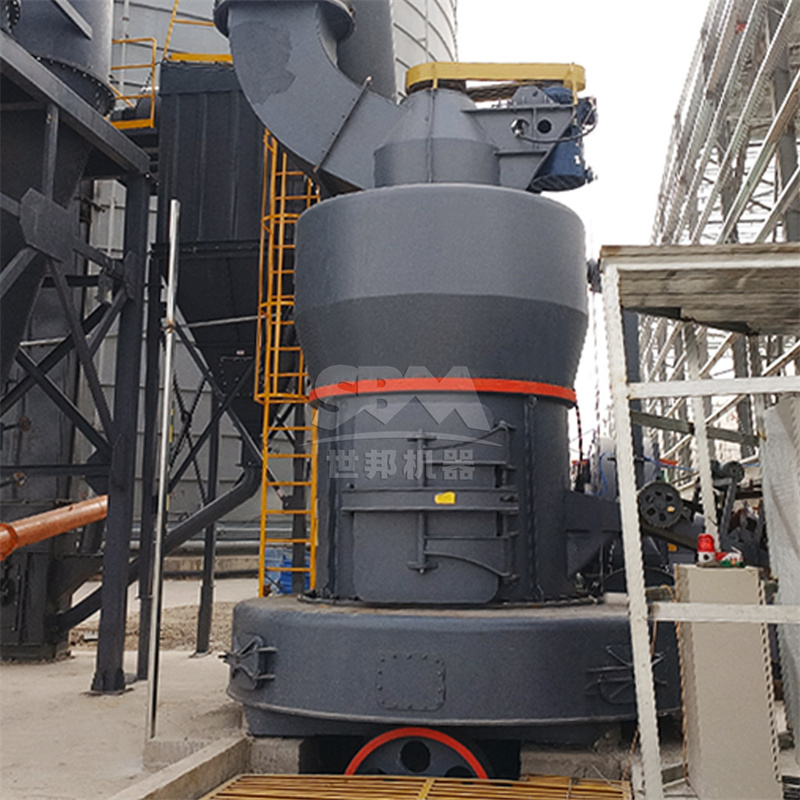
Before fine grinding, dolomite must be reduced to a manageable feed size. The Hammer Mill (0-3mm) is an ideal solution for primary and secondary crushing, capable of reducing 0-40mm feed to 0-3mm output with high capacity and low investment. Its compact structure and wear-resistant high-manganese steel liners ensure long service life even with abrasive dolomite. For larger capacities, the LM-Y Vertical Pre-grinding Roller Mill offers an innovative approach by integrating sand making and pre-grinding in a single unit. With a feed size of ≤20mm and capacities up to 330 TPH, it reduces energy consumption by 30-50% compared to conventional crushers, making it a cost-effective choice for high-volume operations.
For refineries requiring both pre-grinding and fine grinding, the LM Series Vertical Roller Mill (600-45μm) provides an integrated solution. Its design combines crushing, grinding, and classification in one system, reducing floor space by 50% and infrastructure costs by 40%. The non-contact design between rollers and table extends wear part life by three times, while intelligent control systems allow remote monitoring of parameters like grinding pressure, airflow, and classifier speed. This ensures consistent product fineness with minimal manual intervention.
High-Efficiency Fine Grinding: The SCM Series Ultrafine Mill
When ultrafine dolomite powder (325-2500 mesh) is required for high-performance refractories, the SCM Series Ultrafine Mill (45-5μm) stands out as a benchmark technology. Its capacity is double that of jet mills, with 30% lower energy consumption. The vertical turbine classifier achieves precise particle size cutting, eliminating coarse powder mixing and ensuring uniform finished products. The shaftless screw grinding chamber ensures stable operation, while special material rollers and rings extend service life several times over. Models range from the SCM800 (0.5-4.5 t/h, 75kW) to the SCM1680 (5.0-25 t/h, 315kW), making it suitable for both small-scale and large-scale production. For instance, a 5 t/h SCM1680 can produce 325-2500 mesh dolomite powder with a specific surface area exceeding 600 m²/kg, ideal for refractory castables and gunning mixes.
Recommended Product: For applications demanding the highest fineness and energy efficiency, we recommend the SCM1250 Ultrafine Mill. With a capacity of 2.5-14 t/h, main power of 185kW, and fineness adjustable from 325-2500 mesh, it is perfectly suited for medium-to-large refractory plants requiring consistent quality and low operational costs.
Versatility in Medium-to-Fine Grinding: MTW and MTM Series
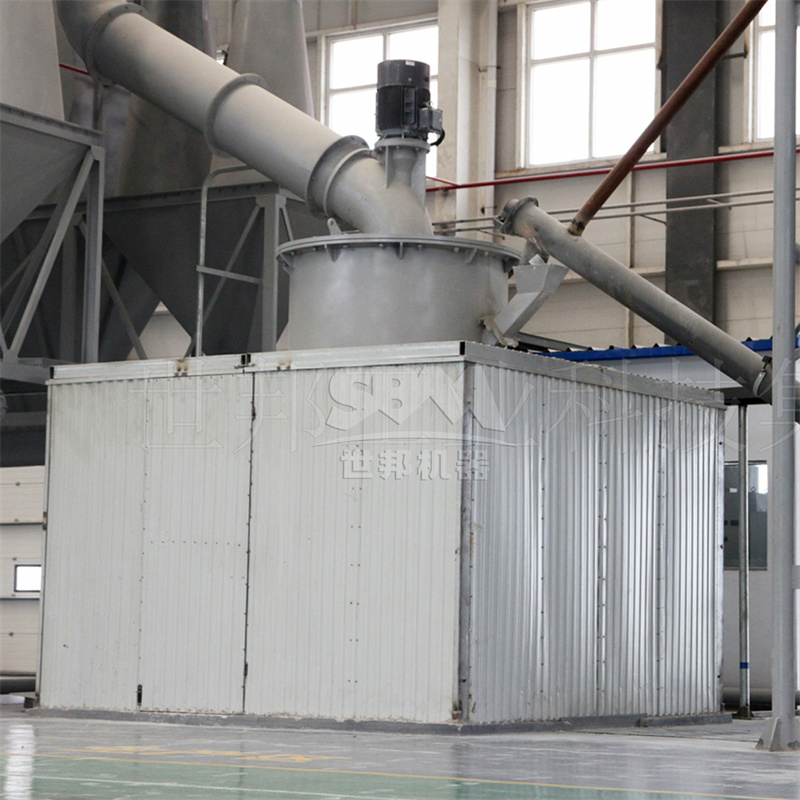
For plants needing a balance between capacity and fineness (typically 30-325 mesh), the MTW Series European Trapezium Mill (600-45μm) and MTM Series Medium-speed Trapezium Mill (600-45μm) offer robust solutions. The MTW series features an anti-wear shovel design with combined blades that reduce maintenance costs, an optimized arc air duct that minimizes energy loss, and an integral bevel gear drive with 98% transmission efficiency. The MTW215G, for example, processes 15-45 t/h with a feed size of ≤50mm, making it ideal for large-scale dolomite grinding plants. Similarly, the MTM series uses intelligent pressure regulation and dual damping systems to reduce noise and extend roller life by 30%. These mills are particularly effective for producing 200-325 mesh dolomite powder used in refractory mortars and ramming masses.
Large-Scale Grinding with Ball Mills and Vertical Roller Mills
For plants prioritizing throughput over fineness, the Ball Mill (0.074-0.8mm) remains a reliable option, with capacities up to 450 t/h and a crushing ratio of 300:1. However, its energy consumption is 30-40% higher than vertical roller mills. The LM Series Vertical Roller Mill offers a more efficient alternative, with models like the LM280K achieving 50-170 t/h for dolomite with fineness down to 45μm. Its fully sealed negative pressure operation ensures dust emissions below 20 mg/Nm³ and noise levels under 85 dB, meeting stringent environmental standards. Additionally, the LUM Ultrafine Vertical Roller Mill specializes in producing 325-2500 mesh powder with multi-rotor technology that prevents coarse particle contamination, making it a top choice for high-end refractory applications.
Specialized Mills for Unique Dolomite Additives
Some refractory formulations require specialized particle shapes or surface treatments. The MRN Pendulum Mill (30-325 mesh, 2.7-83 TPH) features first-in-class thin oil lubrication for maintenance-free operation and an efficient pulse dust collector that reduces energy consumption. Its square pipe design minimizes resistance, while the new classifier and isolated cyclone system improve classification precision. For cementitious refractory applications, the LM-Y Vertical Pre-grinding Roller Mill can process dolomite into high-quality sand with excellent grading and controllable fines, reducing subsequent grinding energy by 30-50%. These specialized machines enable refractory manufacturers to tailor dolomite properties to specific customer requirements, such as improved flowability or sintering activity.
Recommended Product: For comprehensive production from pre-grinding to fine powder, we suggest the LM170K Vertical Roller Mill. With a table diameter of 1700mm, capacity of 18-48 t/h, and fineness adjustable from 170-40μm, it integrates crushing, grinding, and classification in one unit. Its expert-level auto-control system supports remote monitoring, reducing operational costs by 40% compared to traditional ball mill systems.
Environmental and Economic Benefits of Modern Dolomite Grinding
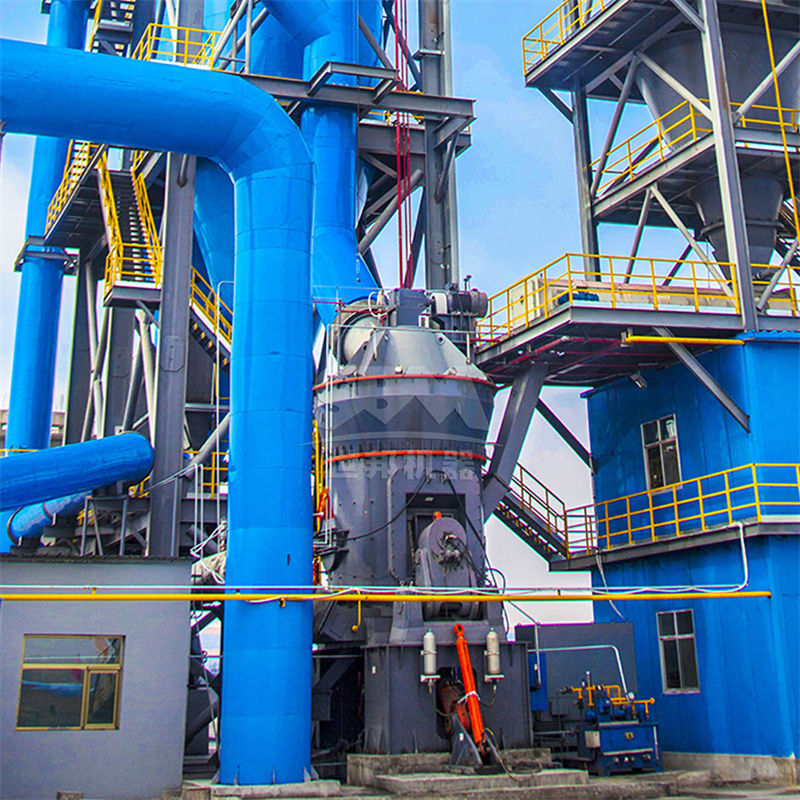
Investing in high-efficiency mills like the SCM, MTW, or LM series offers significant environmental and economic advantages. Energy consumption is reduced by 30-50% compared to ball mills, translating to lower carbon emissions and operating costs. Pulse dust collection systems with efficiency exceeding 99.9% ensure that fine powder emissions are minimized, complying with global standards like EU BREF and Chinese GB requirements. The soundproof room designs and damping systems also reduce noise pollution, improving worker safety and community relations. Moreover, the intelligent control systems enable predictive maintenance, reducing unscheduled downtime by up to 40% and extending equipment life.
Conclusion
Efficient dolomite processing is the backbone of high-quality refractory manufacturing. By selecting the right grinding equipment, plants can achieve precise particle size control, reduce energy costs, and meet environmental regulations. From the versatile MTW series to the ultrafine SCM mills, each machine offers unique advantages tailored to specific production scales and quality requirements. For plants seeking the best balance of capacity, fineness, and reliability, the SCM1250 Ultrafine Mill and LM170K Vertical Roller Mill represent optimal choices. As the refractory industry evolves towards greener and more efficient processes, these advanced mills will continue to play a pivotal role in driving innovation and competitiveness.