
Introduction
In the paint and coatings industry, gypsum and its derivatives (such as calcium sulfate hemihydrate or anhydrite) are widely used as functional fillers, extenders, and rheology modifiers. The quality of gypsum additives—particularly their fineness, particle size distribution, and purity—directly influences paint properties such as gloss, viscosity, hiding power, and scratch resistance. To achieve optimal performance, manufacturers must invest in high-efficiency grinding and classification equipment. This article provides a professional guide to selecting key machines for processing gypsum additives in paint, with a focus on critical parameters, technical advantages, and best practices.
Core Requirements for Gypsum Additives in Paint
Gypsum additives used in paint typically require a fineness range of 325–2500 mesh (5–45 μm) for premium applications, while standard grades may accept 30–325 mesh (45–600 μm). Key quality parameters include:
- Particle size uniformity: No coarse particles to prevent surface defects.
- Specific surface area: Affects oil absorption and dispersion.
- Moisture content: Must be controlled to avoid paint instability.
- Whiteness and brightness: Critical for white and light-colored paints.
Therefore, the grinding equipment must offer high-precision classification, low energy consumption, and stable operation to meet these stringent requirements.
Key Machine Types for Gypsum Additive Production
1. Ultrafine Grinding Mills (45–5 μm)
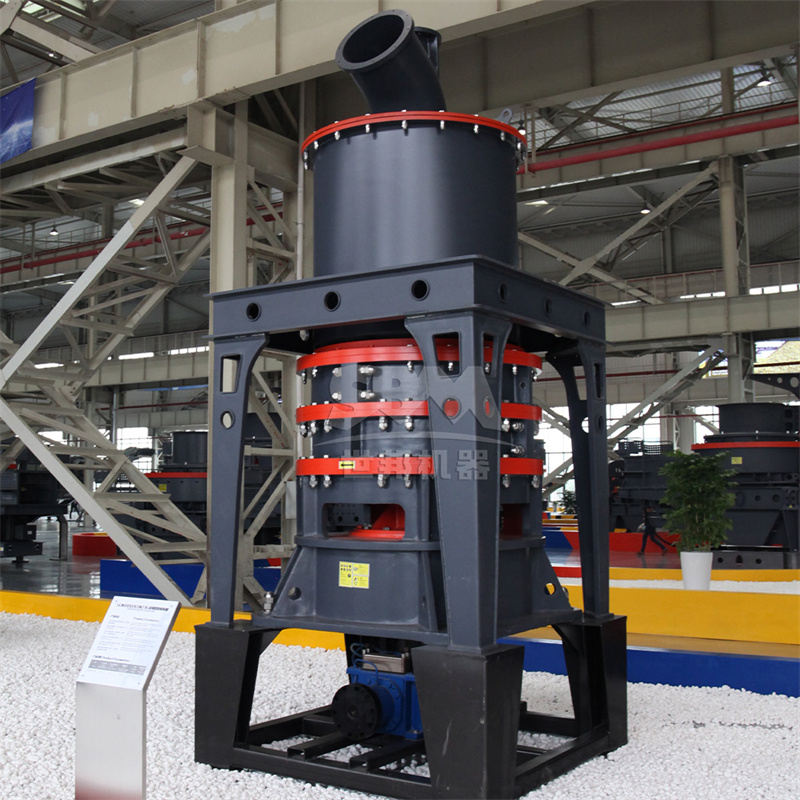
For premium paint additives requiring ultrafine particles, the SCM Series Ultrafine Mill stands out. With an output fineness of 325–2500 mesh and capacity up to 25 t/h, this mill is ideal for producing high-value gypsum fillers.
- Capacity: 0.5–25 t/h (depending on model).
- Input Size: ≤20 mm.
- Key Advantages: Energy consumption 30% lower than jet mills; vertical turbine classifier ensures precise particle size cutting with no coarse powder mixing.
For paint manufacturers seeking superior gloss and smoothness, our SCM Series Ultrafine Mill (SCM1250 recommended) delivers consistent 1250 mesh products with minimal oversize particles. The intelligent control system automatically adjusts parameters based on finished product granularity feedback, reducing operator intervention.
2. Medium-Fineness Grinding Mills (600–45 μm)
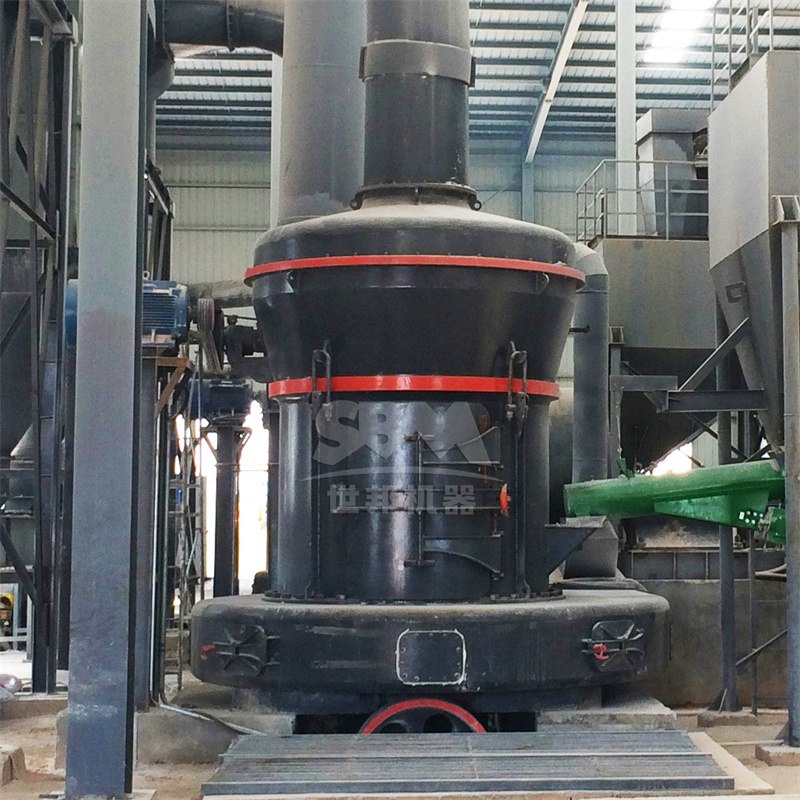
For standard paint grades or as a pre-grinding step before ultrafine milling, the MTW Series European Trapezium Mill and LM Series Vertical Roller Mill are industry benchmarks.
- MTW Series: Output fineness 30–325 mesh, capacity 3–45 t/h. The integral bevel gear drive achieves 98% transmission efficiency, while the anti-wear shovel design reduces maintenance costs.
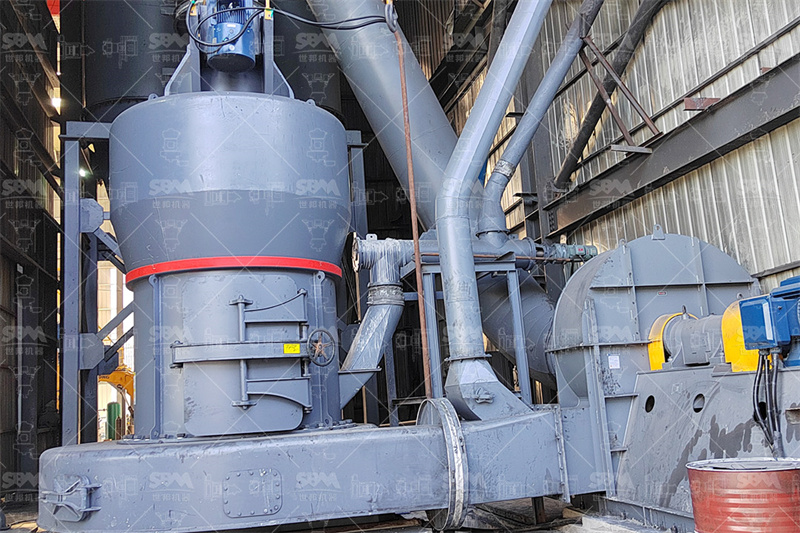
- LM Series Vertical Roller Mill: Output fineness 30–325 mesh (up to 600 mesh for special models), capacity 3–250 t/h. The integrated design reduces floor space by 50% and infrastructure costs by 40%.
For paint manufacturers needing medium-fineness gypsum (200–325 mesh) at high throughput, the MTW138Z European Trapezium Mill offers an optimal balance of capacity (6–17 t/h) and fineness control. Its optimized arc air duct reduces energy loss, making it ideal for continuous production.
3. Specialized Equipment for Specific Requirements
Additional machines can be integrated into the production line based on specific needs:
- Ball Mill (0.074–0.8 mm): Suitable for large-scale coarse grinding when capacity demands exceed 100 t/h and fineness requirements are moderate (e.g., 200 mesh gypsum for primers). The GMQY3685 model offers 280–34 t/h capacity with 1250 kW motor.
- LUM Ultrafine Vertical Roller Mill (325–2500 mesh): For ultrahigh-purity gypsum additives, the LUM1836 model (capacity 2.3–15 t/h) features multi-rotor classification technology ensuring no coarse particles.
- Hammer Mill (0–3 mm): Used for preliminary crushing of raw gypsum (feed size 0–40 mm) before fine grinding. The PC4015-132 model achieves 40–70 t/h with 132 kW motor.
Selection Guide: Matching Equipment to Application
When selecting equipment for gypsum additives in paint, consider the following decision matrix:
| Application | Required Fineness | Recommended Equipment | Key Parameters |
|---|---|---|---|
| Premium paint fillers | 800–2500 mesh (5–18 μm) | SCM Ultrafine Mill | Capacity: 0.5–25 t/h; Energy: 30% lower than jet mills |
| Standard paint extenders | 100–600 mesh (25–150 μm) | MTW Trapezium Mill or LM Vertical Mill | Capacity: 3–250 t/h; Fineness: adjustable via classifier |
| Pre-grinding / coarse fillers | 30–200 mesh (75–600 μm) | Ball Mill or Hammer Mill | High capacity (up to 450 t/h); Simple operation |
| Ultrahigh-purity additives | 800–2500 mesh (5–18 μm) | LUM Ultrafine Vertical Roller Mill | Multi-rotor classifier; Negative pressure operation |
Critical Technical Features to Evaluate
To ensure high-efficiency production, focus on these technical aspects:
- Classification Precision: Vertical turbine classifiers (as in SCM) or dynamic classifiers (as in LM) guarantee uniform particle size. Reject coarse powder recycling ensures product consistency.
- Energy Efficiency: Compare specific energy consumption (kWh per ton). MTW’s integral bevel gear drive (98% efficiency) and LM’s bed grinding principle (30–40% lower than ball mills) significantly reduce operating costs.
- Durability and Maintenance: Special material rollers and rings in SCM extend service life several times. MTW’s curved shovel design prolongs roller life by reducing wear. Look for quick-change systems to minimize downtime.
- Environmental Compliance: Pulse dust collection systems (with efficiency exceeding international standards) and soundproof designs (noise ≤85 dB) are essential for sustainable operation.
Case Study: SCM1250 for High-Volume Paint Additive Production
A leading paint manufacturer required 1250 mesh gypsum additive at 12 t/h with strict particle size tolerance (±5 μm). After evaluating multiple options, the SCM1250 Ultrafine Mill (capacity 2.5–14 t/h, main power 185 kW) was selected. Key results included:
- Consistent product with 99.5% passing 1250 mesh.
- Energy consumption reduced by 35% compared to previous jet mill system.
- Maintenance cycle extended from 6 months to 18 months due to durable grinding components.
Conclusion
Selecting the right equipment for gypsum additives in paint demands a thorough understanding of product specifications, throughput requirements, and operational cost targets. For ultrafine applications (325–2500 mesh), the SCM Series Ultrafine Mill offers unmatched efficiency and precision. For medium-fineness applications (30–325 mesh), the MTW Series European Trapezium Mill provides high capacity with low energy consumption. By focusing on classification precision, energy efficiency, and durability, paint manufacturers can achieve superior product quality while minimizing production costs. Contact our engineering team for tailored recommendations based on your specific raw material and target fineness.