
Introduction to Sodium Feldspar Processing
Sodium feldspar, also known as albite, is a crucial raw material in the ceramics, glass, and paint industries. Its unique fluxing properties lower the melting temperature of ceramic bodies, reduce porosity, and enhance product durability. However, the journey from run-of-mine ore to high-purity, fine-grade powder requires a sophisticated series of processes—crushing, grinding, and classification—each demanding precision equipment. This guide provides a comprehensive technical overview of state-of-the-art machinery designed to maximize efficiency, product quality, and cost-effectiveness in sodium feldspar processing.
Stage 1: Primary and Secondary Crushing
The processing of sodium feldspar begins with size reduction. Raw ore, often with a maximum lump size of 300-500mm, must be reduced to a manageable feed size for grinding mills. This stage typically employs a jaw crusher for primary crushing, followed by a hammer crusher or cone crusher for secondary reduction. The goal is to achieve a consistent feed size of 20-50mm, depending on the downstream grinding equipment.
For operations requiring a final product size of 0-3mm for specific industrial applications or as a pre-grinding step, our PC Series Hammer Mill offers exceptional performance. With optimized crushing cavities and high-speed rotating hammers, it delivers a high crushing ratio and stable operation, ensuring material is uniformly reduced to the target size. Its compact structure and low investment cost make it an ideal choice for medium-capacity plants.
Stage 2: Grinding – The Core of the Process
Grinding is where the true value is added. Sodium feldspar requires fine grinding to unlock its full potential, especially for high-end ceramic tiles and glass manufacturing where fineness requirements range from 45μm (325 mesh) to 5μm (2500 mesh). The choice of mill depends on the desired fineness, capacity, and energy efficiency goals.
Medium to Fine Grinding (30-325 mesh)
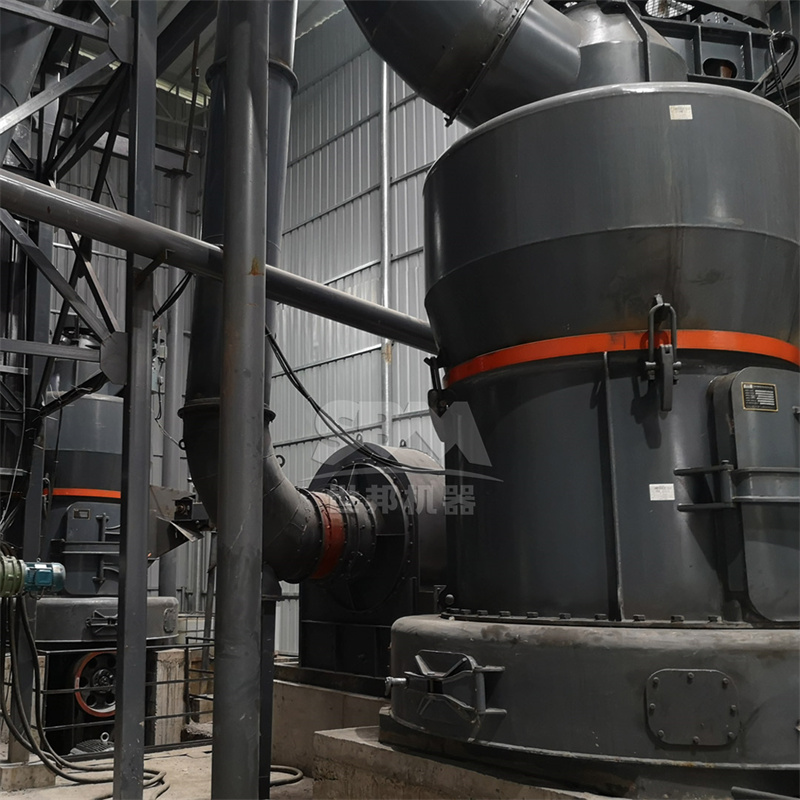
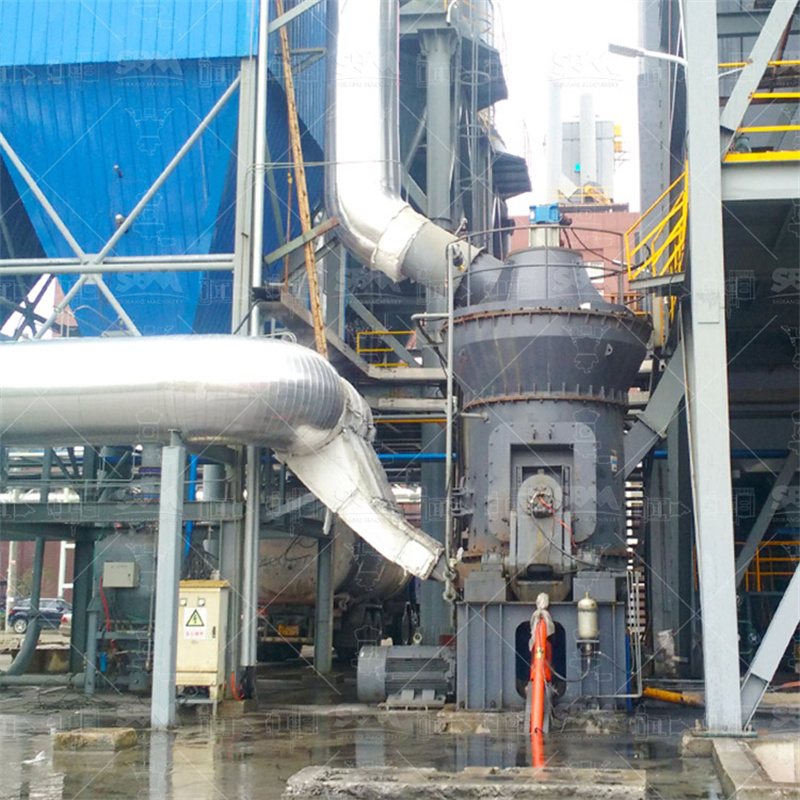
For standard applications needing a fineness of 30-325 mesh with high throughput, several technologies excel. Our MTW Series European Trapezium Mill is a benchmark for medium-fine grinding. Featuring an integral bevel gear drive with 98% transmission efficiency and a wear-resistant volute structure, it processes up to 45 tons per hour. Models like the MTW215G are perfect for large-scale feldspar processing. For slightly smaller capacities but with enhanced classification precision, the LM Series Vertical Roller Mill integrates crushing, grinding, and selection in one system. Its non-contact roller design reduces wear part replacement costs by 30%, and its intelligent auto-control system allows for remote operation, making it a smart choice for modern plants.
Ultra-Fine Grinding (325-2500 mesh)
When the market demands ultra-fine sodium feldspar powder for high-grade coatings, paper, or advanced ceramics, the grinding equipment must deliver exceptional precision. This is where our advanced mills demonstrate their superiority.
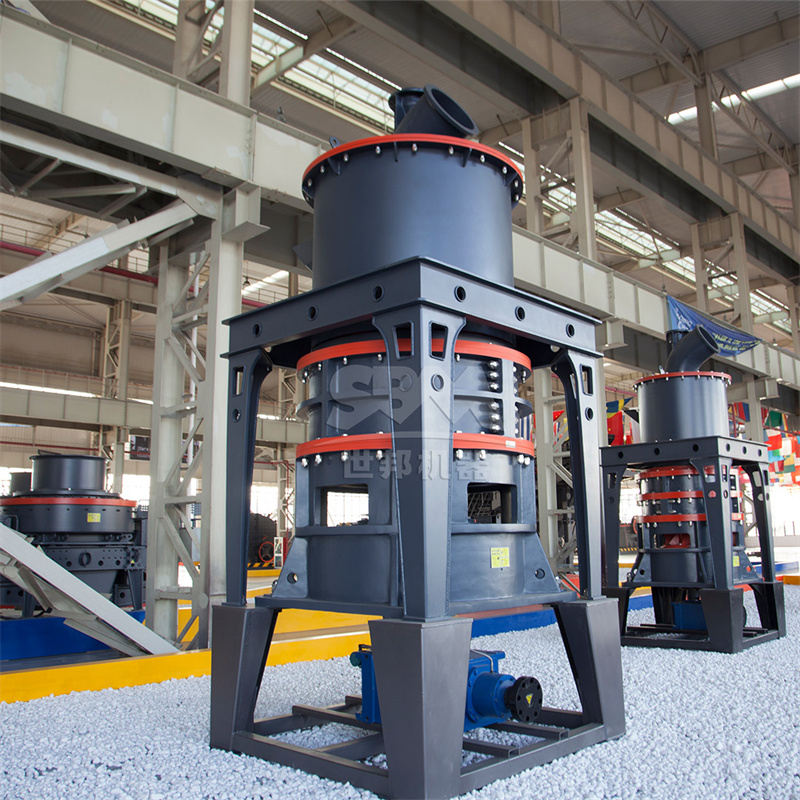
Our SCM Series Ultrafine Mill is specifically engineered for this exacting market. With an output fineness ranging from 325 to 2500 mesh (down to 5μm), its capacity is twice that of traditional jet mills, yet it consumes 30% less energy. The vertical turbine classifier ensures a sharp particle size cut with no coarse powder contamination, guaranteeing uniform finished products that meet the strictest international standards. The durable design, featuring special material rollers and rings, extends service life significantly, making it a low-maintenance, high-return investment. We recommend the SCM1250 model for capacities up to 14 t/h, or the SCM1680 for high-volume operations requiring up to 25 t/h.
Stage 3: Classification and Separation
Effective classification is the linchpin of a profitable feldspar line. After grinding, the material must be separated into the desired fines and oversize particles that are sent back for further grinding. High-precision classification prevents over-grinding, saves energy, and ensures consistent product quality.
Modern mills incorporate advanced classifiers directly into their system. For instance, the SCM Ultrafine Mill uses a vertical turbine classifier that achieves precise particle size cutting. Similarly, the LM Vertical Roller Mill features a dynamic classifier with multi-stage adjustment technology. For standalone classification needs or for use with ball mills, our high-efficiency classifiers offer precise control over final particle distribution, typically achieving a d97 precision. The integration of pulse dust collection systems, such as our internationally advanced pulse dust removal technology, ensures that the classification process is both efficient and eco-friendly, achieving zero dust emissions.
Stage 4: Intelligent Control and Environmental Compliance
Today’s sodium feldspar processing equipment is defined by two imperatives: intelligent control and environmental sustainability. Our mills come equipped with expert-level auto-control systems that allow for remote and local switching, real-time monitoring of parameters like temperature, pressure, and motor load, and automatic feedback for granularity control. This reduces manual intervention and ensures stable, 24/7 operation.
Furthermore, all our grinding and classification systems are designed for negative pressure operation. The soundproof room design in our SCM series keeps noise levels below safe limits, while the pulse dust collectors exceed international standards. This commitment to green manufacturing not only protects the workforce but also helps our clients comply with increasingly stringent environmental regulations worldwide.
Conclusion: Selecting the Right Equipment
Choosing the right equipment for sodium feldspar processing is a strategic decision that impacts product quality, operational cost, and market competitiveness. From the robust crushing of hammer mills to the energy-efficient grinding of vertical roller mills, and from the precision classification of advanced classifiers to the ultra-fine output of the SCM Ultrafine Mill, a complete line designed for synergy is essential.
Whether your focus is on high-capacity production of standard feldspar powder or niche markets demanding ultra-fine grades, the integration of our proprietary technologies ensures you achieve maximum efficiency and profitability. We invite you to partner with us to design a tailored sodium feldspar processing solution that meets your specific needs and sets a new standard for quality in your industry.