
Introduction to High-Purity Superphosphate Production
The production of high-purity biological grade superphosphate represents a critical segment of the modern fertilizer industry. As agricultural demands escalate and environmental regulations tighten, manufacturers face the pressing challenge of producing superphosphate with superior biological compatibility, consistent particle size distribution, and enhanced nutrient bioavailability. The journey from raw phosphate rock to a biologically safe, highly effective fertilizer hinges significantly on the milling and classification technologies employed during processing. Advanced milling solutions are no longer a mere supplementary step; they are the cornerstone of quality, efficiency, and sustainability in fertilizer manufacturing.
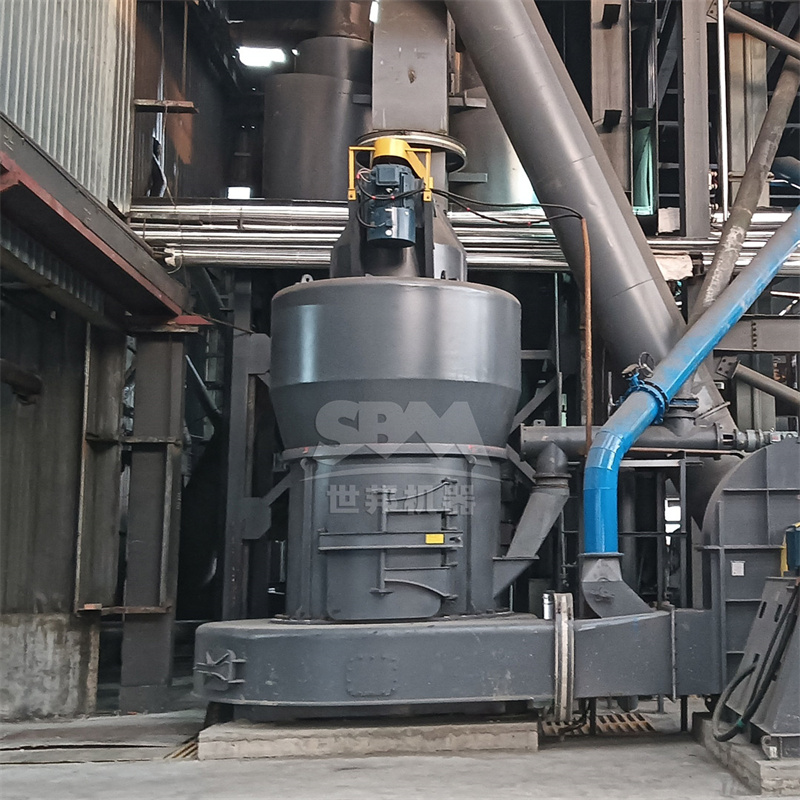
The key to achieving a high-purity biological grade lies in the precise control of particle fineness. Oversized particles lead to slow nutrient release, while ultra-fine particles (often classified as dust) can cause handling difficulties, nutrient loss, and potential respiratory hazards during application. Therefore, the selection of appropriate grinding equipment that guarantees a uniform, dust-controlled output with a narrow particle size distribution is paramount. This article explores the advanced milling technologies that meet these rigorous specifications, emphasizing efficiency, durability, and environmental compliance.
The Role of Fine Grinding in Biological Purity
Biological grade superphosphate must be free from contaminants that could inhibit microbial activity or soil health. The grinding process must be meticulously managed to avoid introducing metallic debris from equipment wear and to ensure the final product is chemically stable and safe for biological application. This requires milling equipment that operates with minimal wear and high precision. Traditional ball mills, while reliable, often result in broad particle distribution and higher energy consumption. In contrast, modern vertical roller mills and ultra-fine grinding mills offer superior control and efficiency, making them ideal for this demanding application.
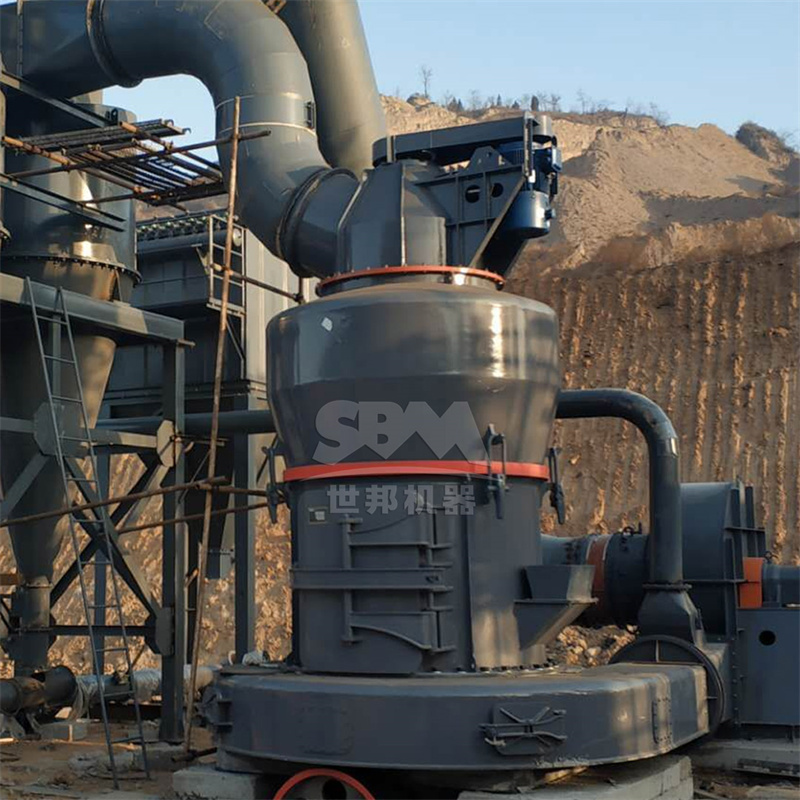
High-precision classification is essential to guarantee that the final superphosphate powder meets the strict biological grade specifications. The vertical turbine classifier has revolutionized this process by enabling the separation of particles at specific cut points with exceptional precision. This ensures that no oversized aggregates are present, thereby preventing localized over-acidification in the soil, and reduces the risk of ‘burning’ plant roots upon application. Moreover, the removal of ultra-fines enhances the flowability of the product, improving its handling and spreading characteristics, which is vital for commercial agricultural use.
Technological Advancements in Superphosphate Milling
Modern milling systems designed for superphosphate processing have evolved to address the unique challenges of this abrasive material. Key technological breakthroughs include the revolutionary integral bevel gear drive, which boasts a transmission efficiency of up to 98%, replacing inefficient and bulky gearboxes. This not only saves installation space but also significantly reduces mechanical losses, directly translating to lower operational costs per ton of fertilizer produced. The use of wear-resistant volute structures and special alloy materials for grinding rollers and rings extends service life by several times, ensuring long-term operational consistency and reducing costly downtime for maintenance.
SCM Series Ultrafine Mill: Precision for High-End Grades
For the production of premium, high-purity superphosphate where the fineness requirement is exceptionally stringent (325-2500 mesh, or 45-5μm), the SCM Series Ultrafine Mill stands as the industry leader. Its capacity is double that of traditional jet mills, yet it consumes 30% less energy, delivering a significant competitive advantage. The intelligent control system offers automatic finished product granularity feedback, ensuring every batch meets the exact biological grade specifications with unwavering repeatability.
The durability of the SCM series is unmatched, featuring special material rollers and rings alongside a shaftless screw grinding chamber which ensures stable, vibration-free operation. This design feature is critical when processing abrasive superphosphate, as it minimizes wear and prevents contamination of the nutrient-rich product with metallic particles. The integration of an efficient pulse dust collection system guarantees an eco-friendly operation, keeping emissions well within stringent international standards. For seamless integration that drives profitability and market leadership, we recommend the SCM1250 Ultrafine Mill (Capacity: 2.5-14 t/h; Main Power: 185kW) for mid-scale operations, ensuring high capacity and precise calibration of the final fertilizer granules.
MTW Series European Trapezium Mill: The Versatile Workhorse
The MTW Series European Trapezium Mill offers an exceptional balance between capacity (3-45 t/h), fineness (30-325 mesh), and operational flexibility. Specifically engineered as an upgrade to traditional Raymond mills, its optimized anti-wear shovel design and curved blade geometry dramatically extend the operational life of the grinding roller. The unique, patented internal suction oil lubrication system eliminates the need for frequent maintenance checks, ensuring continuous production uptime. This mill is particularly effective for pre-processing and standard fine grinding of superphosphate, providing a uniform powder ideal for blending or granulation steps.
A hallmark of the MTW series is its efficiency and environmental stewardship. The optimized arc air duct reduces airflow energy loss, while the advanced pulse dust removal technology ensures clean operation. The machine’s ‘no-resistance’ volute design significantly improves air-selection efficiency, which is vital for achieving the uniform particle size required for high-quality controlled-release fertilizers. For producers requiring high throughput, the MTW215G (Capacity: 15-45 t/h; Main Power: 280kW) offers substantial capacity combined with the durability needed for continuous industrial production, making it a superior investment for large-scale fertilizer complexes.
Process Integration and Final Inspection
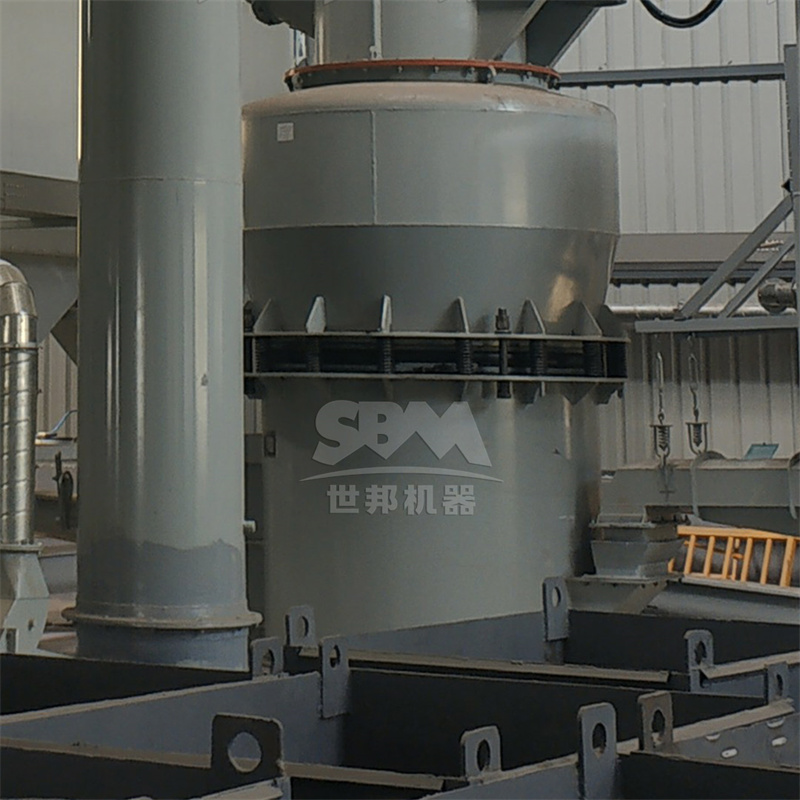
Incorporating these advanced milling solutions into a superphosphate production line significantly improves the overall efficiency of the system. By integrating crushing, drying, grinding, and classifying into a single unit (as seen in the LM Series Vertical Roller Mill), producers can reduce floor space by 50% and infrastructure costs by 40%. The fully sealed, negative pressure operation not only prevents dust leakage but also maintains the high-purity sterile environment required for biological grade products. The intelligent expert control system monitors parameters continuously, allowing for automatic adjustments to maintain maximum quality during high-volume output.
Ultimately, the final inspection of high-purity superphosphate involves rigorous screening for particle size distribution and nutrient solubility. The precision offered by the SCM and MTW mills ensures that the final product dissolves effectively and uniformly when introduced to soil moisture. This consistency is what farmers and agricultural specialists trust, ensuring that the fertilizer products meet the highest biological standards and deliver optimal crop yields. By choosing machining solutions that prioritize energy efficiency, durability, and precision, manufacturers can secure a definitive advantage in the rapidly evolving agricultural sector.