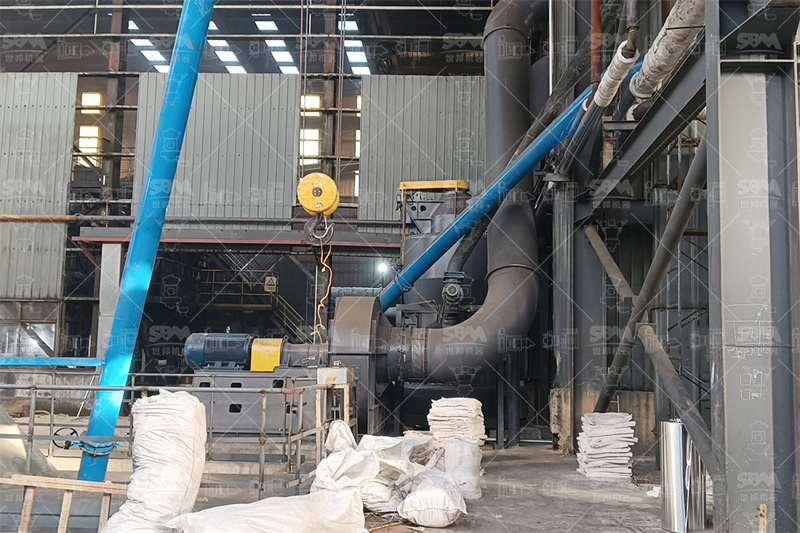
Introduction
The global construction and interior decoration industries demand high-quality floor tiles that are durable, aesthetically pleasing, and reliable. One of the critical factors in achieving superior tile quality is the precise formulation of gypsum-based additives. These additives, often processed into fine powders, enhance the workability, setting time, and mechanical strength of the tile body. To meet the stringent requirements of modern manufacturing, investing in advanced, high-efficiency grinding and processing equipment is essential. This article explores the key machines that form the backbone of a high-efficiency floor tile gypsum additive production line, focusing on the technologies that drive consistency, energy savings, and superior product quality.
The Role of Gypsum Additives in Floor Tile Manufacturing
Gypsum additives, including hemihydrate gypsum, anhydrite, and various modified plasters, are crucial for optimizing the production process of ceramic and porcelain tiles. They improve the plasticity of the clay body during forming, reduce drying shrinkage, and enhance the green strength of the tiles. In high-volume manufacturing, the fineness and purity of the gypsum powder directly impact the final tile’s water absorption rate, surface flatness, and overall durability. Achieving a particle size as fine as 325 mesh (45 µm) or even ultra-fine 2500 mesh (5 µm) requires specialized milling technology that guarantees both high throughput and precision.
Core Processing Challenges
Producing high-quality gypsum additives presents several technological hurdles. The raw gypsum stone, often with a feed size of up to 50mm, must be ground to a consistent, ultra-fine powder. Common challenges include high energy consumption, excessive wear and tear on grinding components, and the risk of coarse powder contamination. Furthermore, the hygroscopic nature of gypsum requires equipment designs that minimize moisture absorption and ensure stable operation. To overcome these challenges, manufacturers rely on a combination of robust size reduction machines and high-efficiency classification systems.
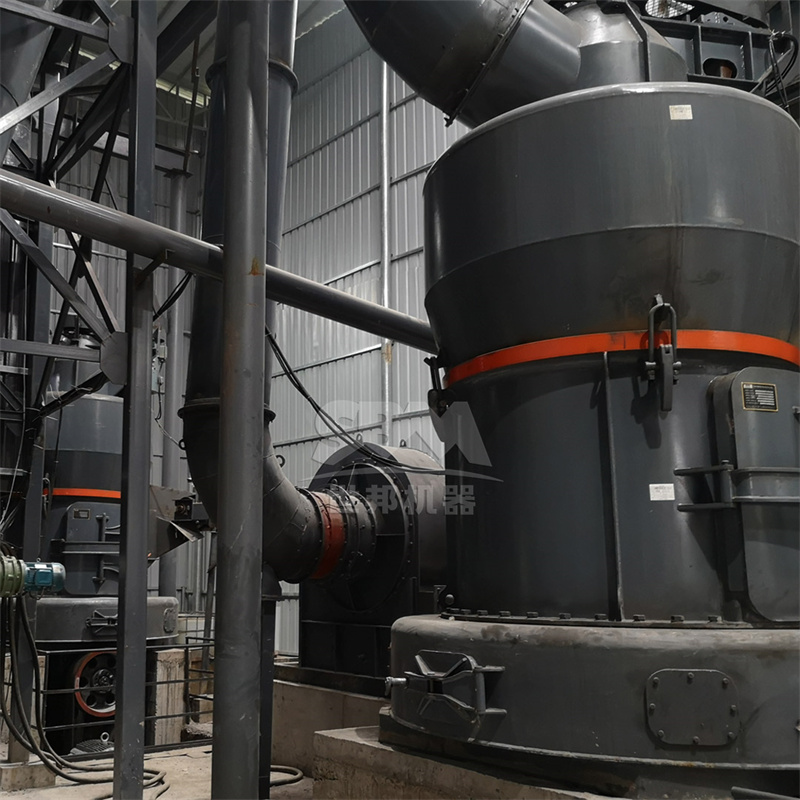
SCM Series Ultrafine Mill: Precision for Ultra-Fine Gypsum
For manufacturers targeting high-value tile applications that require ultra-fine gypsum powder (325 to 2500 mesh), the SCM Series Ultrafine Mill is an indispensable solution. With a feed size of up to 20mm and a capacity ranging from 0.5 to 25 tons per hour, the SCM mill is engineered for high-capacity production of premium additives. Its core advantage lies in its high-precision classification system. The vertical turbine classifier ensures a sharp particle size cut, eliminating any mixing of coarse particles and guaranteeing that the finished additive meets the strictest specifications. For instance, when producing a gypsum additive for polished tile glazes, consistency at the micron level is non-negotiable. The SCM mill achieves this with an efficiency that is double that of traditional jet mills, while consuming 30% less energy. The special material used for the rollers and grinding rings dramatically extends service life, making it a cost-effective choice for continuous industrial operation. We highly recommend the SCM1250 Ultrafine Mill for medium-to-large scale operations requiring a balance of high throughput and ultra-fine output, or the SCM1680 for the highest capacity demands.
MTW Series European Trapezium Mill: Versatility for Standard Additives
For a broader range of gypsum additive applications where the target fineness is between 30 and 325 mesh (standard industrial powder), the MTW Series European Trapezium Mill offers unmatched versatility and efficiency. With a maximum feed size of 50mm and a capacity reaching 45 tons per hour, this mill is a workhorse for primary and secondary grinding stages. Its key innovation is the integral bevel gear drive, which achieves transmission efficiency of up to 98%, saving significant energy compared to older mill designs. The anti-wear shovel design reduces maintenance downtime, while the optimized arc air duct minimizes energy loss. The MTW mill is particularly well-suited for producing standard gypsum retarding agents or base additives that require consistent particle distribution and high throughput. Its robust construction ensures stable operation even when processing the hardest gypsum rock.
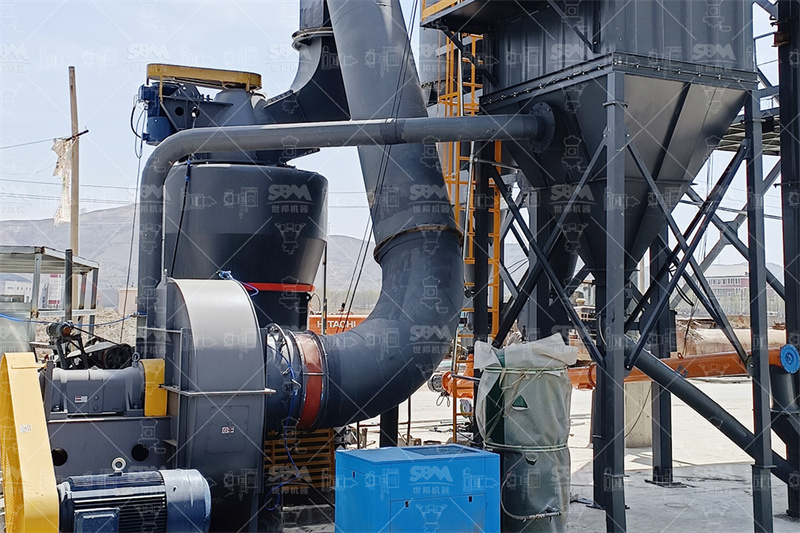
LM Series Vertical Roller Mill: High-Capacity Integrated Systems
When the production scale demands very high capacity (up to 250 tons per hour), the LM Series Vertical Roller Mill is the premier choice. This machine integrates crushing, grinding, drying, and classification into a single, compact unit. For gypsum additive production, this is a massive advantage as it reduces infrastructure costs by up to 40% and cuts the required floor space in half. The non-contact design between the rollers and grinding table drastically extends the life of wear parts to three times that of traditional ball mill systems. The LM series is particularly effective for pre-grinding or final grinding of gypsum for large-scale tile manufacturing plants. The intelligent control system allows for remote operation and real-time monitoring of key parameters like pressure and temperature, ensuring consistent product quality 24/7.
Integrating the Production Line: From Crushing to Packaging
A complete high-quality gypsum additive production line involves more than just the grinding mill. It requires a synchronized system including crushers, feeders, conveyors, and collectors. The process typically starts with a hammer mill for primary crushing of large gypsum rocks down to 0-3mm. The crushed material is then stored and fed into the main grinding mill—such as the SCM or MTW series. After grinding, the fine powder is transported by a high-efficiency pulse dust collector that ensures emissions exceed international environmental standards. The collected powder is then classified, and the final product is sent for packaging. The entire process is controlled by a PLC system to automate throughput and fineness adjustments.
Ensuring Eco-Friendly and Sustainable Operations
Modern tile manufacturing must adhere to strict environmental regulations. Our grinding equipment is designed with sustainability in mind. The pulse dust collection system on machines like the SCM series captures 99.9% of fugitive dust. The sealed, negative pressure operation of the LM Vertical Roller Mill prevents any leakage of fine gypsum particles into the atmosphere. Furthermore, the energy savings of 30-50% compared to conventional ball mills directly translate into a lower carbon footprint for the manufacturing operation. By reducing noise levels through soundproof room designs and optimized damping systems, these mills also create a safer and more comfortable working environment.
Conclusion
Investing in the right grinding and classification equipment is the cornerstone of a successful floor tile gypsum additive production business. Whether your priority is the ultra-fine precision of the SCM Series Ultrafine Mill, the versatile high capacity of the MTW European Trapezium Mill, or the integrated efficiency of the LM Vertical Roller Mill, our product range offers a tailored solution for every requirement. By choosing advanced, durable, and energy-efficient machinery, you can guarantee the consistent quality of your gypsum additives, reduce operational costs, and maintain a competitive edge in the global tile market. Contact us today to design the perfect milling solution for your specific raw material and production goals.