
Introduction: The Role of Bentonite in Ceramics
Bentonite, a naturally occurring clay mineral, is a critical additive in the ceramics industry. Its unique properties—high plasticity, strong binding ability, and excellent suspension characteristics—make it indispensable for improving the green strength of ceramic bodies, enhancing glaze stability, and preventing cracking during drying and firing. However, the effectiveness of bentonite in ceramic formulations heavily depends on its particle size, purity, and consistency. In modern ceramics manufacturing, the demand for high-quality, ultra-fine bentonite powder has surged, driving the need for advanced milling and grinding equipment that can deliver precise particle size distributions with maximum efficiency.
Why Choose Specialized Grinding Equipment?
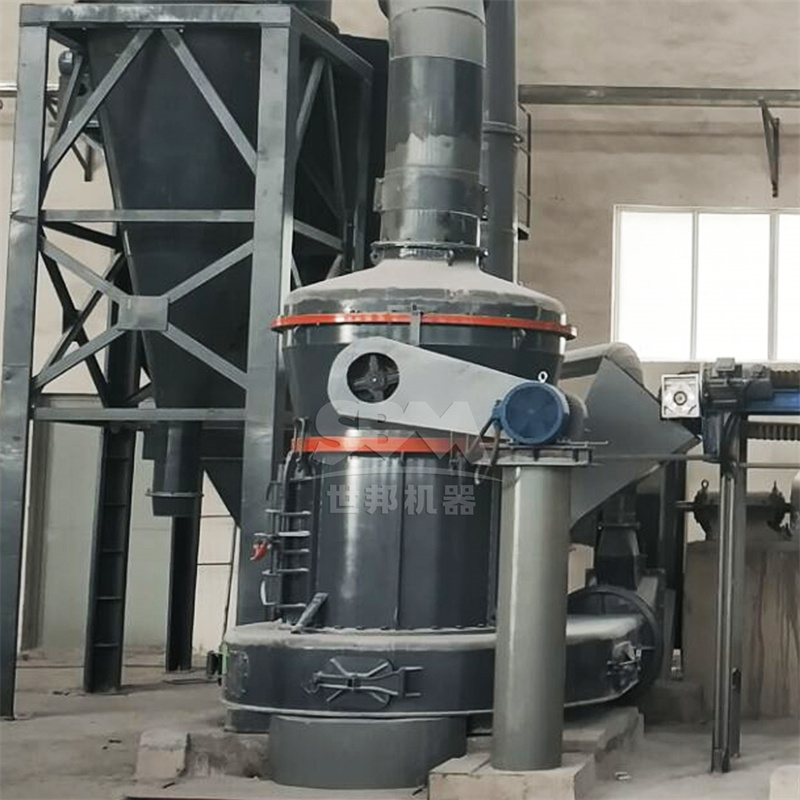
Processing bentonite for ceramic applications requires equipment that can handle its inherent moisture content, abrasiveness, and tendency to agglomerate. Traditional ball mills often fall short in terms of energy efficiency and fineness control. To meet the stringent requirements of ceramic tile, tableware, and sanitaryware producers, manufacturers now rely on state-of-the-art milling technologies. These systems must offer not only high throughput but also the ability to produce powders with a fineness ranging from 45 microns to as fine as 5 microns, ensuring optimal rheological properties in ceramic slurries.
Key Specifications for Bentonite Processing Equipment
When selecting grinding equipment for bentonite additives, several factors come into play. The input size of the raw material, typically around 20mm, must be efficiently reduced to the desired output fineness. For high-end ceramics, a fineness of 325 to 2500 mesh (45-5μm) is often required. The capacity needs to match production scales, from small batch operations running at 0.5 tons per hour to large industrial lines demanding up to 25 tons per hour. Additionally, energy consumption, wear part durability, and environmental compliance are major considerations.
The Challenge of Achieving Ultra-Fine Fineness
Ceramic manufacturers require bentonite additives with a uniform particle size to avoid defects such as pinholing, blistering, or uneven shrinkage. This necessitates a grinding solution that combines high-precision classification with efficient comminution. The equipment must be capable of continuously separating fine particles while returning coarse particles for further grinding. This closed-loop process ensures that the final product has no oversized particles, which is crucial for the consistency of ceramic pastes and glazes.
SCM Series Ultrafine Mill: The Ideal Solution for Ultra-Fine Bentonite
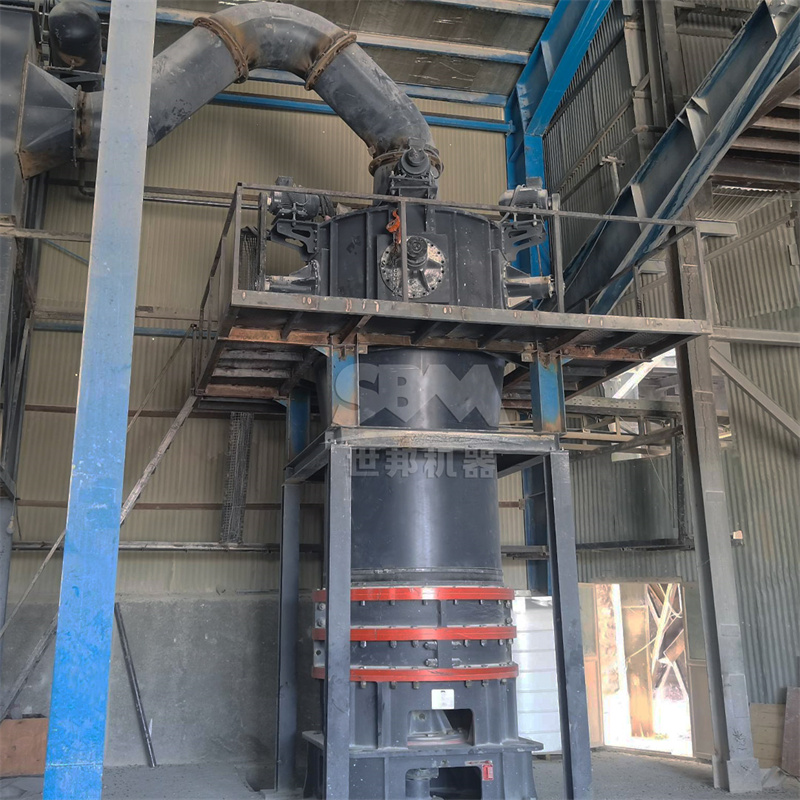
For ceramic manufacturers aiming to produce premium bentonite additives with a fineness between 45 and 5 microns, the SCM Series Ultrafine Mill from our company stands out as the premier choice. This equipment is specifically designed to address the challenges of processing hard and abrasive materials like bentonite. With an input size of ≤20mm and a capacity ranging from 0.5 to 25 ton/h depending on the model, the SCM mill offers exceptional performance. Its capacity is double that of traditional jet mills, with 30% lower energy consumption, making it highly cost-effective for continuous production.
The SCM Series features a vertical turbine classifier that ensures precise particle size cutting, eliminating any coarse powder mixing. This is critical for ceramics, where even a small percentage of oversized particles can compromise the final product’s quality. The mill’s durable design includes special material rollers and rings that extend service life several times over, reducing downtime and maintenance costs. Furthermore, its eco-friendly operation, with pulse dust collection efficiency exceeding international standards and a soundproof room design, makes it suitable for modern, environmentally-conscious factories.
Recommendation: SCM1250 for Medium-Scale Production
Among the SCM Series models, the SCM1250 is highly recommended for medium-scale bentonite processing in the ceramics industry. With a capacity of 2.5 to 14 tons per hour, a main power of 185kW, and the ability to achieve a fineness of 325-2500 mesh, it perfectly bridges the gap between laboratory-scale production and high-volume industrial lines. For larger operations requiring throughput up to 25 tons per hour, the SCM1680 model, with its 315kW main power, provides the necessary muscle to handle continuous 24/7 operations while maintaining the ultra-fine quality required by top-tier ceramic manufacturers.
MTW Series European Trapezium Mill: Versatility for Coarser Applications
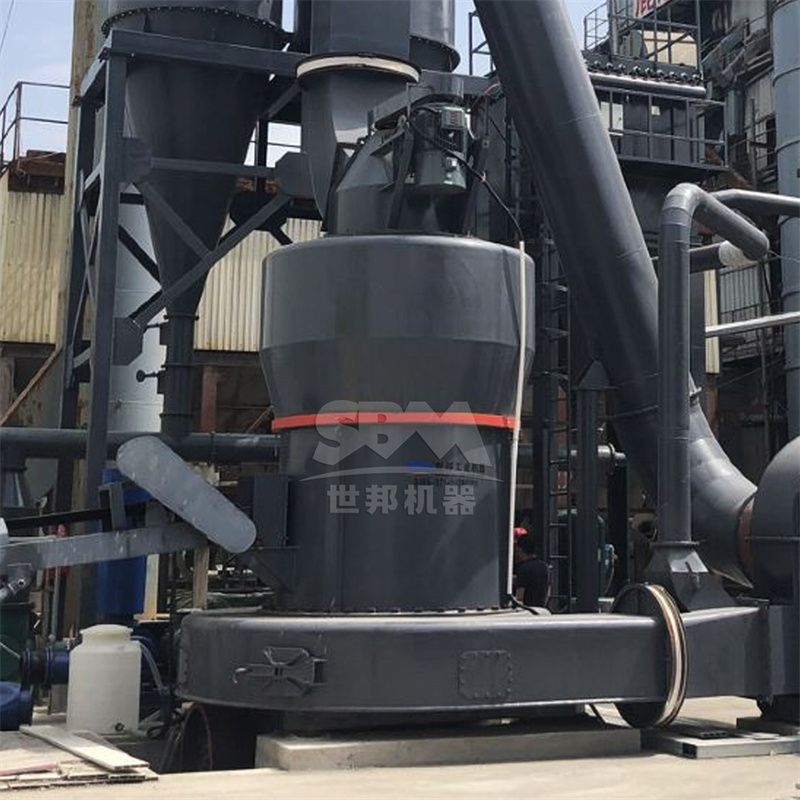
While the SCM series excels in ultra-fine grinding, some ceramic applications require bentonite additives with a coarser particle size, typically between 30 and 325 mesh (600-45μm). For these requirements, the MTW Series European Trapezium Mill is an excellent alternative. Capable of handling input sizes up to 50mm with a capacity ranging from 3 to 45 tons per hour, the MTW mill is renowned for its robust construction and high transmission efficiency, thanks to its integral bevel gear drive system which achieves up to 98% efficiency.
This mill features an innovative anti-wear shovel design and an optimized arc air duct that reduces energy loss, making it a reliable workhorse for medium to coarse grinding tasks. The wear-resistant volute structure further reduces maintenance costs by up to 30%. For ceramic body preparation where a slightly coarser bentonite fraction is acceptable, the MTW mills offer a perfect balance of cost, efficiency, and output quality.
Working Principle and Process Flow
Both the SCM and MTW series operate on a similar principle of layer-by-layer grinding. In the SCM Ultrafine Mill, the main motor drives three layers of grinding rings to rotate. The material is dispersed into the grinding path by centrifugal force, where it is crushed by roller pressure and ground repeatedly until it reaches the required fineness. The fine powder is then collected by a cyclone collector and a high-efficiency pulse dust removal system. This continuous, closed-circuit process ensures minimal waste and maximum yield.
Quality Assurance and Patented Technologies
Our grinding equipment incorporates several patented technologies to guarantee superior performance. The SCM series utilizes intelligent control systems with automatic finished product granularity feedback, allowing for real-time adjustments to maintain consistent quality. The MTW series features an internal suction oil lubrication system and internationally advanced pulse dust removal technology. These innovations ensure that the equipment not only meets but exceeds the rigorous demands of the ceramics industry, delivering bentonite additives with exceptional purity and uniformity.
Environmental and Economic Benefits
Investing in high-quality grinding equipment like the SCM or MTW series yields significant environmental and economic benefits. The energy savings—up to 30% compared to traditional mills—directly translate into lower operating costs. The durable wear parts reduce the frequency of replacements, while the intelligent control systems minimize the need for manual intervention. Moreover, the eco-friendly design ensures compliance with strict emission standards, making these mills a responsible choice for sustainable manufacturing.
Conclusion
In the competitive landscape of ceramics manufacturing, the quality of raw materials like bentonite can make or break a product’s success. By choosing advanced milling solutions such as the SCM Series Ultrafine Mill or the MTW Series European Trapezium Mill, manufacturers can achieve the precise particle size control, high throughput, and operational efficiency necessary to produce superior ceramic products. Whether the goal is ultra-fine powder for high-gloss glazes or a more coarse fraction for structural clay bodies, our equipment provides the reliability and performance required to excel in today’s market.
For more information on selecting the right model for your specific bentonite processing needs, including technical specifications and a personalized consultation, contact our engineering team today. We are committed to helping you optimize your production line for maximum yield and profitability.