
Introduction
The production of decorative wall tiles is a sophisticated process that demands precision, consistency, and high-quality raw materials. One of the critical components in achieving a superior finish and structural integrity is the use of specialized gypsum additives. These additives enhance workability, setting time, strength, and aesthetic qualities. However, the effectiveness of these additives is directly tied to the quality of the gypsum powder used as a base. Producing a fine, uniform, and high-purity gypsum powder requires advanced milling technology. This guide provides a comprehensive overview of how to select and optimize high-quality production equipment, focusing on grinding mills that are essential for processing gypsum and its additives for the decorative wall tile industry.
The Importance of Particle Size and Uniformity in Gypsum Additives
For decorative wall tiles, the particle size distribution of gypsum additives is paramount. A consistent and ultra-fine powder (typically between 45 to 600 microns, or even finer) ensures a smooth paste, reduces water demand, and provides a uniform surface finish. Coarse particles can lead to surface defects, poor adhesion, and inconsistent setting times. Therefore, investing in a grinder that can deliver high-precision classification and a narrow particle size distribution is non-negotiable for premium tile manufacturers. The right equipment not only improves product quality but also enhances production efficiency and reduces energy costs.
Key Equipment Options for Gypsum Additive Processing
Several types of grinding mills are suitable for processing gypsum and its additives. The choice depends on the desired fineness, capacity, and specific material characteristics. Below, we analyze the most effective technologies available today.
1. Ultrafine Grinding for High-End Additives (325-2500 mesh)
For producing high-value, ultra-fine gypsum additives, the SCM Series Ultrafine Mill stands out as a premier choice. This mill is designed to achieve a fineness of 325-2500 mesh (45-5 μm), which is ideal for specialized decorative applications where a silky-smooth surface is required. Its vertical turbine classifier ensures precise particle size cutting, eliminating coarse powder mixing and guaranteeing uniformity. Furthermore, its intelligent control system with automatic finished product granularity feedback allows for real-time optimization, ensuring consistent quality with minimal manual intervention. The efficiency of this technology is evidenced by its capacity being double that of jet mills, with 30% lower energy consumption.
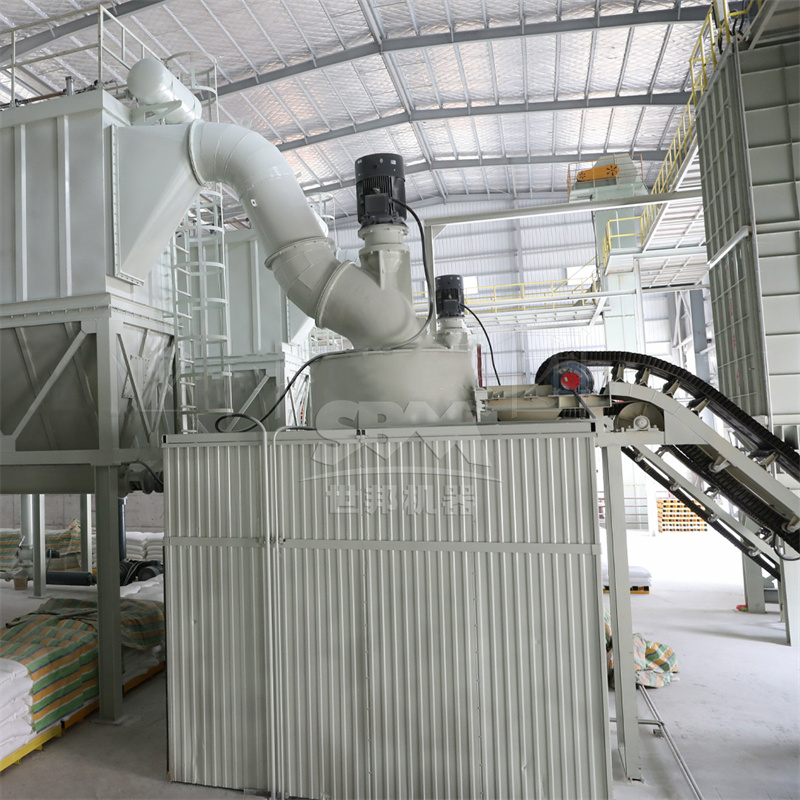
For manufacturers requiring the highest level of powder fineness for premium tile lines, we strongly recommend our SCM1250 Ultrafine Mill. With a capacity of 2.5-14 t/h and a main power of 185kW, it is perfectly suited for medium to large-scale operations looking to produce top-tier gypsum additives. Its durable design, featuring special material rollers and rings, ensures a long service life and stable operation, making it a reliable backbone for your production line.
2. Versatile and High-Capacity Grinding (30-325 mesh)
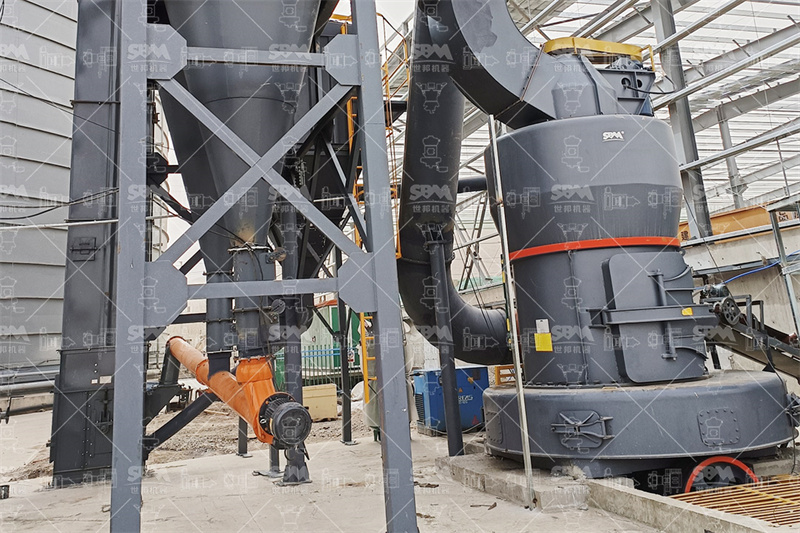
For standard decorative wall tile production, where the required fineness is typically between 30 and 325 mesh, the MTW Series European Trapezium Mill offers an excellent balance of capacity, efficiency, and cost-effectiveness. This mill is renowned for its robust build and high throughput, with capacities ranging from 3 to 45 t/h. Its unique features, such as the anti-wear shovel design and integral bevel gear drive (with up to 98% transmission efficiency), make it a low-maintenance and reliable solution. The optimized arc air duct reduces airflow energy loss, significantly improving overall grinding efficiency. This makes the MTW series an ideal choice for processing standard gypsum additives at scale.
Another excellent option in this fineness range is the LM Series Vertical Roller Mill. Its integrated design, which combines crushing, grinding, and selection in one unit, can reduce floor space by 50% and infrastructure costs by 40%. The non-contact design between the rollers and table minimizes wear, extending the life of wear parts by up to three times compared to traditional ball mills. For large production lines requiring capacities from 3 to 250 t/h, the LM series provides unmatched operational efficiency and environmental compliance through its fully sealed, negative pressure system.
3. Specialized Solutions for Pre-grinding and Special Additives
For specific scenarios, other mill types offer unique advantages. The MTM Series Medium-speed Trapezium Mill is a cost-effective solution for medium-capacity lines requiring fineness from 45 to 325 mesh. Its intelligent pressure regulation system automatically compensates for roller wear, extending the life of consumables by 30%. The Ball Mill, while a classic technology, remains a robust choice for larger feed sizes and applications where a slightly coarser final product (0.074-0.8 mm) is acceptable. It is particularly effective for wet or dry grinding in high-volume operations.
For pre-processing or producing very fine powders, the LUM Ultrafine Vertical Roller Mill (325-2500 mesh) and the MRN Pendulum Mill (30-325 mesh) are also highly capable. The LUM mill is known for its smart control and environmental friendliness, while the MRN mill features a maintenance-free thin oil lubrication system that is first-in-class. The Hammer Mill is the best choice for primary crushing of gypsum rock down to 0-3mm before it enters the fine grinding stage.
Optimization Strategies for Your Production Line
Selecting the right mill is only the first step. Optimization is key to maximizing return on investment.
- Material Pre-treatment: Ensure the feed size is within the mill’s optimal range. Using a crusher or hammer mill to pre-size material can significantly boost the throughput of your main grinder.
- Classifier Setting: Fine-tune the speed and airflow of the integrated classifier to achieve the exact particle size distribution required for your specific tile formula. Modern mills like the SCM and MTW offer precise, adjustable classification.
- Moisture Control: Gypsum can contain moisture. For mills like the LM series, utilizing hot air during the grinding process can simultaneously dry and grind the material, streamlining the production flow.
- Wear Parts Management: Proactively monitor and replace wear parts (rollers, rings, shovels). Using high-quality, specialized alloy components, as featured in our SCM and MTW mills, reduces downtime and maintains grinding efficiency.
- Automation: Utilize the intelligent control systems available on modern mills. Features like automatic feed control and real-time product fineness feedback allow the mill to self-optimize, reducing energy consumption and ensuring consistent quality 24/7.
Conclusion
Investing in high-quality production equipment is a strategic decision that directly impacts the quality, consistency, and profitability of decorative wall tile manufacturing. Whether your focus is on producing ultra-fine, premium additives with the SCM Series Ultrafine Mill or achieving high-volume, efficient production for standard tiles with the MTW European Trapezium Mill, selecting the right technology is critical. By understanding the nuances of each machine and implementing effective optimization strategies, tile manufacturers can ensure a reliable supply of superior gypsum additives, resulting in exceptional final products that stand out in the competitive market. For tailored advice and equipment specifications to match your exact production goals, consulting with a leading grinding mill provider is the next step towards operational excellence.