
Introduction
The aerated concrete industry is continuously seeking ways to enhance production efficiency, reduce costs, and improve product quality. One of the most effective strategies involves the utilization of industrial by-products, such as slag, as raw materials. Slag powder, when processed to the correct fineness, serves as an excellent siliceous material for aerated concrete, contributing to the strength and lightweight properties of the final product. This article explores the symbiotic relationship between aerated concrete equipment and slag powder production equipment, detailing how modern milling technology enables efficient and sustainable manufacturing.
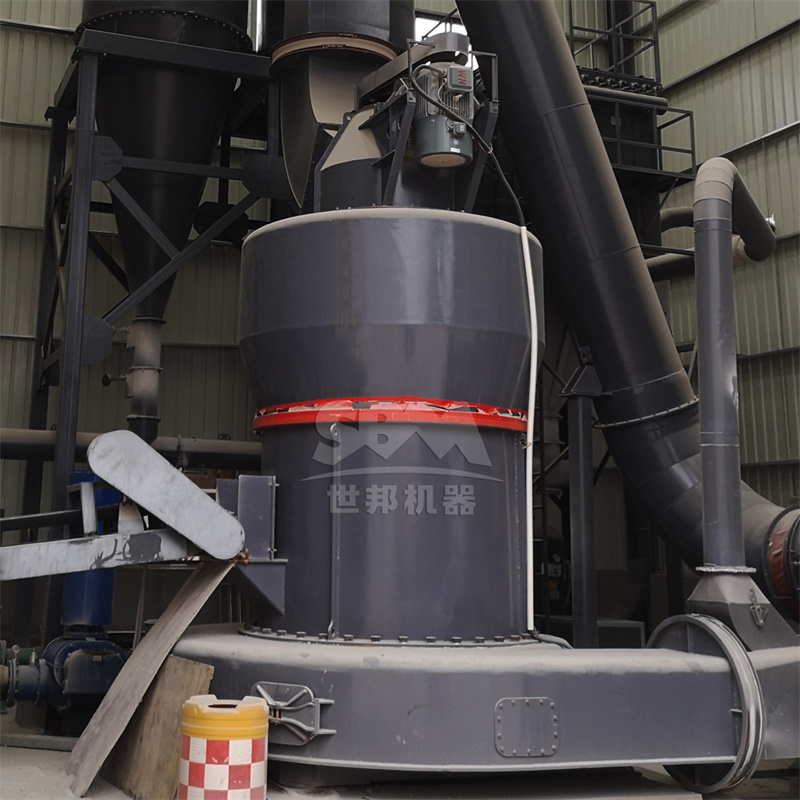
The Role of Slag Powder in Aerated Concrete
Slag, a by-product of the steelmaking industry, is rich in calcium oxide, silica, and alumina. When ground into a fine powder, it exhibits latent hydraulic properties. In the manufacturing of autoclaved aerated concrete (AAC), slag powder reacts with lime and cement in the presence of water and an expanding agent (typically aluminum powder). This reaction produces hydrogen gas, which creates a cellular structure, and after autoclaving, forms crystalline hydrates like tobermorite, which provides strength and durability.
Using slag powder not only reduces the consumption of natural resources like sand but also addresses the environmental challenge of slag disposal. However, the efficiency and quality of the final AAC product are highly dependent on the fineness and consistency of the slag powder. This is where advanced grinding equipment becomes critical.
The Grinding Challenge
Traditional grinding mills often struggle with slag due to its hardness and abrasiveness. Inefficient grinding leads to high energy consumption, frequent maintenance, and inconsistent particle size distribution, which directly impacts the AAC production process. For instance, coarse slag particles may not fully react during autoclaving, resulting in reduced strength and increased density in the final product. Therefore, selecting the right slag powder production equipment is paramount for optimizing the entire aerated concrete manufacturing workflow.
Integrating Efficient Grinding Technology
Modern slag powder production equipment, such as vertical roller mills and ultrafine mills, has been specifically designed to overcome these challenges. These systems integrate crushing, grinding, classifying, and drying into a single unit, offering significant advantages over conventional ball mills. The key is to achieve a high specific surface area (typically >400 m²/kg) while maintaining low energy consumption and high operational stability.
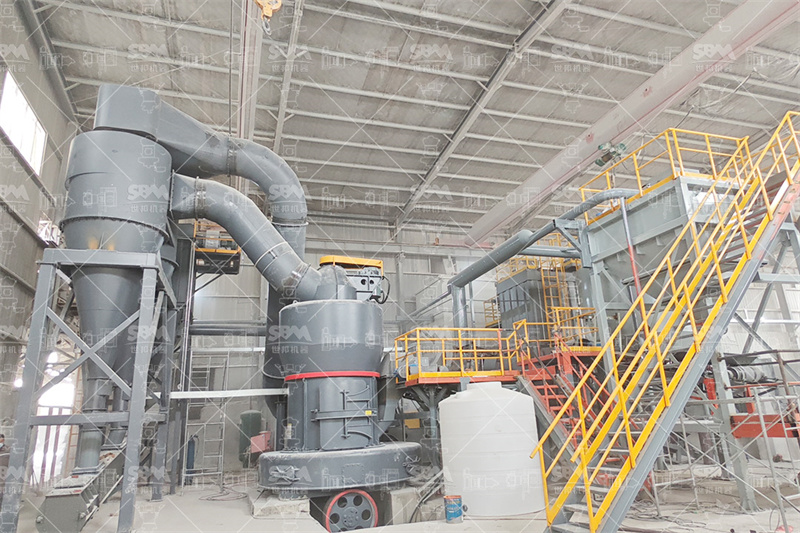
For aerated concrete plants looking to optimize their raw material preparation, the SCM Series Ultrafine Mill offers a compelling solution. Designed for output fineness between 325 and 2500 mesh (45-5μm), it is capable of producing exceptionally fine slag powder. Its key technical advantages include a capacity that is double that of jet mills with 30% lower energy consumption, thanks to its intelligent control system that provides automatic finished product granularity feedback. The high-precision vertical turbine classifier ensures a sharp particle size cut without coarse powder mixing, guaranteeing a uniform product that is ideal for high-quality AAC manufacturing.
For operations requiring higher throughput for coarser slag powder (30 to 325 mesh), the MTW Series European Trapezium Mill is an excellent choice. With a capacity reaching up to 45 tons per hour, it features an integral bevel gear drive with 98% transmission efficiency, an anti-wear shovel design that reduces maintenance costs, and an optimized arc air duct that minimizes energy loss. Its robust construction ensures long-term, stable operation, making it a workhorse for large-scale aerated concrete plants.
Synergy in the Production Workflow
The integration of these milling systems into an aerated concrete plant creates a seamless and efficient workflow. The process begins with slag being crushed and fed into the mill, where it is ground to the precise fineness required. The mill’s classification system ensures only particles of the correct size are discharged, while coarse material is returned for further grinding.
This consistent, high-quality slag powder is then conveyed to the AAC mixing station. Here, it is combined with cement, lime, gypsum, water, and the aluminum powder expanding agent. The slurry is poured into molds, where it rises and sets. The green cake is then cut into blocks and panels and autoclaved in a high-pressure steam chamber. The use of finely ground slag powder enhances the reaction kinetics during autoclaving, leading to products with superior mechanical properties, lower density, and better thermal insulation.
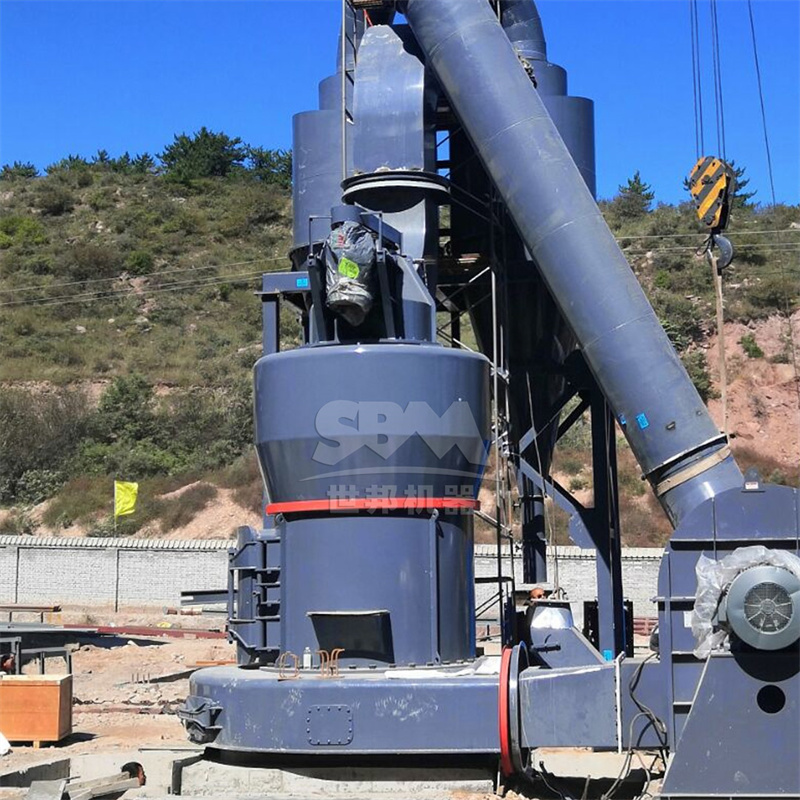
Economic and Environmental Benefits
By employing advanced slag powder production equipment, aerated concrete manufacturers can realize substantial economic and environmental benefits:
- Reduced Raw Material Costs: Slag is often cheaper than natural sand, significantly lowering input costs.
- Lower Energy Consumption: Modern mills like the SCM and MTW series consume significantly less energy per ton of product compared to older technologies.
- Minimized Waste: The use of slag helps in recycling industrial by-products, contributing to a circular economy.
- Improved Product Quality: Consistent fineness leads to uniform cellular structure and better strength-to-weight ratios in the final AAC products.
- Lower Maintenance: Durable components and intelligent design reduce downtime and maintenance costs for the grinding unit.
Conclusion
The efficient manufacturing of aerated concrete is increasingly dependent on the ability to process high-quality slag powder. Equipment designed for this task, such as the SCM Series Ultrafine Mill for ultra-fine grinding and the MTW Series European Trapezium Mill for higher capacity requirements, provides the precision, reliability, and efficiency needed. By integrating these advanced solutions, aerated concrete producers can not only boost their productivity and profitability but also contribute to more sustainable construction practices. The investment in proper slag powder production equipment is not just an operational choice; it is a strategic decision for long-term success in the competitive building materials market.