
The Evolution of Grinding Technology in the Cement Industry
The modern cement manufacturing landscape is defined by an unrelenting pursuit of operational excellence, where energy efficiency, throughput maximization, and product consistency are non-negotiable. At the heart of this pursuit lies the grinding process—a stage that accounts for over 60% of the total electrical energy consumption in a cement plant. Both cement equipment (such as clinker processing equipment) and mineral grinding technologies have undergone radical transformations to address this challenge. Traditional ball mills, while reliable, are notorious for their low energy conversion rates, with a significant portion of power dissipated as heat and noise. In response, contemporary machinery leverages principles of bed grinding, advanced classification, and intelligent process control to achieve efficiency gains that were unimaginable two decades ago. This article delves into the core mechanical and aerodynamic innovations that are redefining grinding efficiency in modern plants, focusing on pressure accumulation, particle size selectivity, and system integration.
The Mechanics of Energy-Efficient Clinker Processing
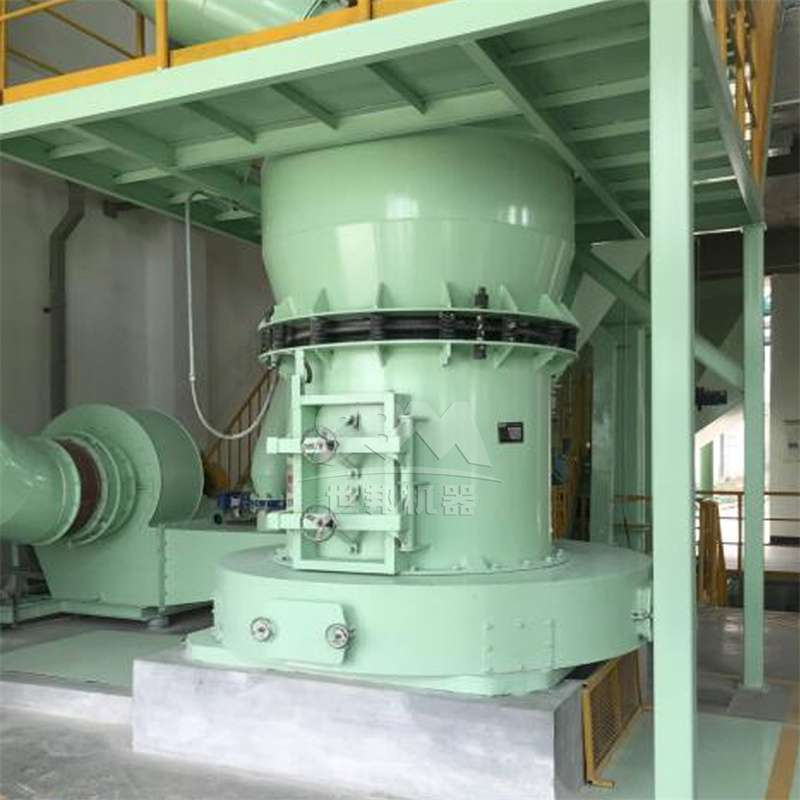
When addressing clinker processing equipment, the pivotal shift has been from impact-based to compression-based size reduction techniques. High-pressure grinding rollers and vertical roller mills exploit a material bed as the primary crushing mechanism. Unlike a ball mill where steel balls individually impact single particles, a vertical roller mill compresses a thick layer of material between a rotating table and hydraulically loaded rollers. This inter-particle crushing action generates micro-cracks that propagate through the clinker, significantly reducing the specific energy requirement for downstream fine grinding. Furthermore, modern clinker equipment integrates the drying, grinding, and classifying processes into a single unit. Hot process gases from the kiln or cooler are routed directly into the mill, utilizing waste heat to evaporate moisture while the material is being ground. This eliminates the need for separate dryers, streamlining the plant layout and reducing thermal energy losses. The use of wear-resistant materials, such as high-chromium alloys and composite liners, further ensures that mechanical energy is directed into the clinker rather than being wasted on wearing down the equipment.
Advanced Classification: The Key to Reducing Over-Grinding
One of the most significant sources of inefficiency in grinding is the production of ‘fines’. These are particles that have reached the desired size but remain trapped in the mill, absorbing energy and cushioning the grinding action on larger particles. High-efficiency dynamic classifiers—capable of rotational speeds up to several hundred RPM—have become indispensable in modern cement equipment. These systems utilize a vertical turbine rotor to generate a centrifugal force field. Feed material falling into the classification zone is subjected to competing forces: the drag force of the rising air (pulling particles up) and the centrifugal force of the rotor (throwing particles outward). By finely adjusting the rotor speed, plant operators can achieve a precise ‘cut point’, instantly separating the finished product from coarse material. This precision reduces over-grinding by up to 30%, directly improving mill capacity and reducing specific power consumption. In leading vertical mills, multi-stage classification systems are employed to further refine the product, ensuring a narrow particle size distribution which is crucial for high-strength cement.
Intelligent Control Systems for Adaptive Grinding
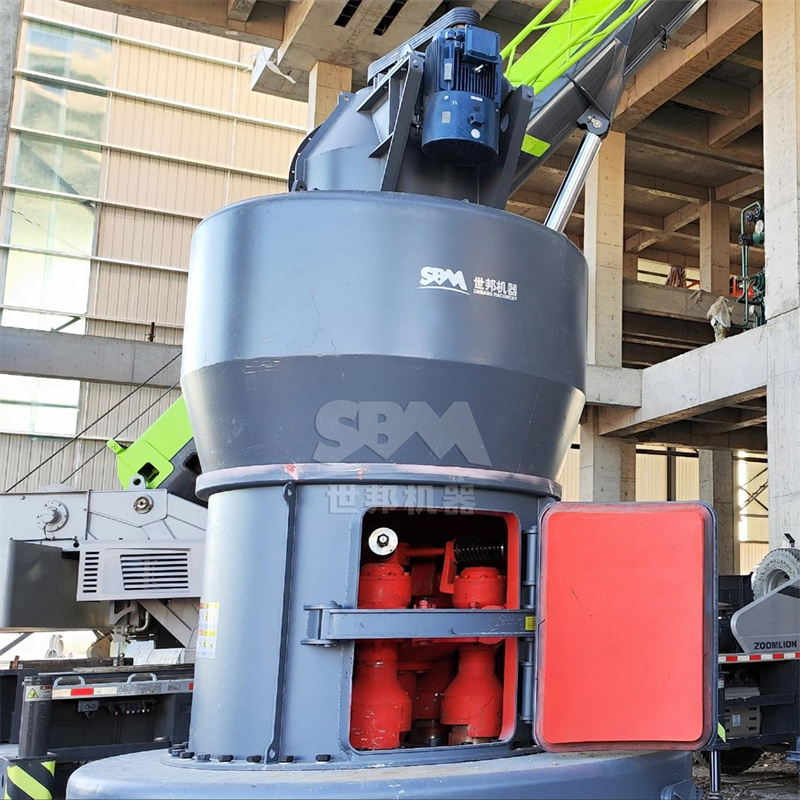
Grinding efficiency is not merely a mechanical function; it is heavily dependent on process stability. Modern cement equipment leverages artificial intelligence and expert control systems to continuously monitor mill parameters—such as vibration levels, differential pressure, and motor amperage—and adjust operational set points in real time. These algorithms optimize the material feed rate to prevent mill choke-ups or empty grinding conditions. For instance, if the mill vibration increases, indicating a thin material bed, the system automatically reduces the feed rate or adjusts the hydraulic pressure on the grinding rollers to stabilize the bed. Conversely, if the mill temperature rises, the system adjusts water spray rates. This autonomous regulation ensures the mill operates consistently at its maximum efficiency curve, reducing the specific electrical energy consumption by 5-10% compared to manual operation. Furthermore, integrated sensors provide feedback to the classifier, enabling the system to compensate for wear on grinding elements without sacrificing product quality. This ‘smart’ grinding approach minimizes human error and maximizes uptime.
Introducing the SCM Series Ultrafine Mill for High-Performance Grinding
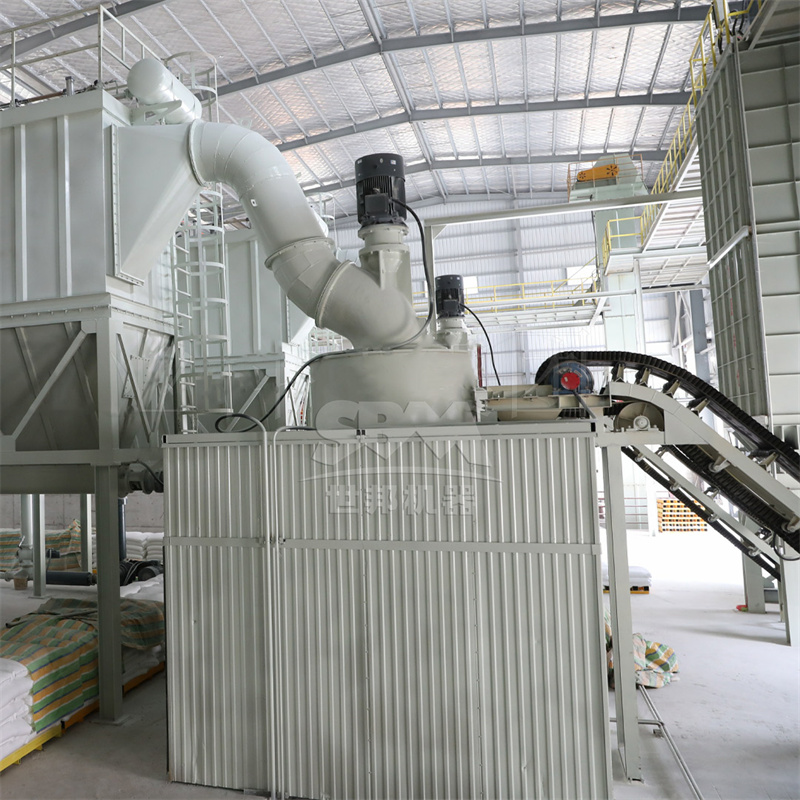
For applications demanding exceptionally fine cement additives, mineral fillers, or specific clinker grinding scenarios requiring high surface area, our SCM Series Ultrafine Mill is a purpose-built solution. Engineered for 45-5μm output (325-2500 mesh), this equipment redefines efficiency standards. Its capacity is 2x that of jet mills, while consuming 30% less energy, making it the ideal choice for micro-fine grinding in cement chemical plants. The patented vertical turbine classifier ensures absolute precision, eliminating coarse powder mixing to guarantee uniformity. Designed for arduous 24/7 operation, its roller assemblies and grinding rings are constructed from special wear materials, extending service life several times over. Furthermore, the intelligent control system offers automatic feedback on product granularity, allowing for peak efficiency without manual intervention. Tailored models from SCM800 (0.5-4.5t/h) to SCM1680 (5-25t/h) ensure a perfect fit for any production scale, providing an eco-friendly, low-noise solution for high-end cement processing.
Redefining High-Capacity Throughput with the MTW Series
In contrast to ultrafine needs, primary and medium grinding of raw materials and cement clinker requires robust, high-capacity vertical mills. Our MTW Series European Trapezium Mill stands as a testament to engineering innovation, designed to handle feed sizes up to 50mm and produce fineness ranging from 600-45μm (30-325 mesh) with capacities reaching 45 ton/h. The introduction of an integral bevel gear drive system elevates transmission efficiency to an impressive 98%, saving valuable installation space while reducing energy transmission losses. Unique to this equipment is the anti-wear, curved shovel and combined blade design, which dramatically reduces maintenance costs associated with material build-up. The optimized arc air duct minimizes airflow resistance, ensuring that pneumatic conveying is completed with minimal fan energy consumption. This mill is regarded as a high-efficiency workhorse for cement producers who need dependable grinding performance with minimal maintenance, featuring a volute structure that improves airflow selection efficiency while reducing maintenance costs by up to 30%.
Integrating Pre-Grinding Technologies for System-Wide Savings
Modern plants are increasingly adopting a two-stage grinding strategy to maximize overall system efficiency. Rather than feeding the final mill with run-of-mine clinker, a high-pressure pre-grinding roller mill, such as our LM-Y series, reduces the clinker to a smaller particle size before it enters the final finish mill. This hybrid approach is a game-changer because the pre-grinder operates at higher specific throughput, absorbing the ‘hard part’ of the crushing process. By utilizing a bed grinding principle, the LM-Y vertical pre-grinding mill uses 30-50% less power than conventional crushing circuits. This integrated design reduces the circulation load on the downstream ball mill or vertical mill, allowing these machines to be downsized or to operate with increased capacity. The result is a holistic optimizations of the cement equipment line, ensuring that every kWh is utilized for actual breakage rather than idle charge motion. These pre-grinders are now standard components in greenfield projects aiming for the lowest possible environmental footprint.
Conclusion: Future-Proofing Grinding Efficiency
The path to grinding efficiency is paved with precise engineering. From the high-pressure inter-particle crushing in clinker processing equipment to the exacting classification of fines, every component in the modern mill circuit is designed to conserve energy and maximize surface area creation. The transition from slow-tumbling ball mills to high-velocity vertical roller mills and ultrafine grinders has not only improved throughput but has also revolutionized the particle size distribution—the key to high-performance cement products. By implementing intelligent controls, durable wear parts, and dynamic classifiers, plants can significantly lower their carbon footprint per ton of cement. As we look to the future, the integration of renewable energy sources and AI-driven predictive maintenance will continue to squeeze new levels of efficiency from these already advanced systems, ensuring that cement production remains economically and environmentally sustainable.