
Introduction: The Growing Role of Marble Additives in Modern Papermaking
The paper industry is undergoing a significant transformation, driven by the need for higher quality products, stricter environmental regulations, and the constant pressure to improve production efficiency. Among the various mineral additives used, ground marble (calcium carbonate) has emerged as a critical component, not just as a filler but as a functional additive that enhances paper’s brightness, opacity, and printability. However, the benefits of using marble are only as good as the equipment used to process it. Inefficient or low-precision grinding equipment can lead to inconsistent particle sizes, high energy consumption, and operational bottlenecks. This is where advanced marble additive production equipment plays a pivotal role, ensuring that paper manufacturers can leverage the full potential of this versatile mineral.
The Critical Link: Marble Particle Size and Paper Quality
The quality of calcium carbonate used in papermaking is defined by several key parameters, with particle size distribution (PSD) and fineness being the most critical. For high-quality coated paper and premium printing grades, a filler with a particle size in the range of 325 to 2500 mesh (approximately 45 to 5 micrometers) is often required. This ultra-fine specification directly impacts the final product’s characteristics in several ways:
- Brightness and Opacity: Finer particles scatter light more effectively, significantly enhancing the paper’s brightness and opacity. This allows manufacturers to use less virgin pulp, reducing costs.
- Surface Smoothness: The uniformity of filler particles is crucial for producing a smooth, even surface. This is essential for high-resolution printing, ensuring sharp images and clean text.
- Ink Absorption: Well-calibrated particle sizes ensure optimal ink absorption. This prevents issues like mottling or ghosting, creating a more vibrant and defined final print.
- Strength and Durability: The correct particle size and shape preserve the fiber-to-fiber bonding in the paper, maintaining its overall strength and resistance to tearing.
Therefore, the processing equipment must guarantee a high degree of fineness and a uniform particle size distribution, free from oversized or coarse particles that can ruin the paper’s surface.
Overcoming Production Challenges with Ultrafine Grinding Technology
Meeting these demanding quality standards at scale presents several operational challenges. Traditional grinding methods, such as common ball mills, often prove inefficient for producing ultra-fine powders. They are characterized by high energy consumption, significant wear and tear on parts, and often struggle to achieve the precise classification required for consistent quality. This is the gap that modern, specialized grinding equipment is designed to fill.
For instance, producing an ultra-fine powder requires a mill with an excellent classification system to ensure there is no coarse powder mixing. If larger particles pass through, they create defects such as specks, pinholes, or a rough surface on the paper. Additionally, the energy cost and maintenance downtime associated with producing this fine material are major concerns for any production manager. A solution that offers increased capacity while reducing energy consumption and extending the lifespan of wear parts is not just an advantage; it is a necessity for remaining competitive.
Introducing the SCM Series Ultrafine Mill: A Solution for High-End Paper Quality
To address the specific needs for ultra-fine marble powder, we recommend our SCM Series Ultrafine Mill. Specifically engineered for output fineness ranging from 325-2500 mesh (45-5μm), this equipment is the perfect choice for paper manufacturers who are aiming for premium quality.
The SCM series offers several distinct technical advantages that directly translate into business value:
- High Efficiency & Energy Saving: Its capacity is noted to be 2x that of jet mills, but with 30% lower energy consumption. This ensures high throughput without a prohibitive energy bill, improving the overall cost-effectiveness of your operation.
- High-Precision Classification: The advanced vertical turbine classifier provides precise particle size cutting. This guarantees a uniform product with absolutely no coarse powder mixing, which is essential for maintaining the pristine surface quality of high-end coated paper.
- Durable Design & Low Noise: The use of special material for rollers and rings extends the machine’s service life several times over, reducing maintenance frequency and costs. Its eco-friendly, soundproof design ensures noise levels remain low, creating a better working environment.
To further illustrate its capabilities, here are some key specifications:
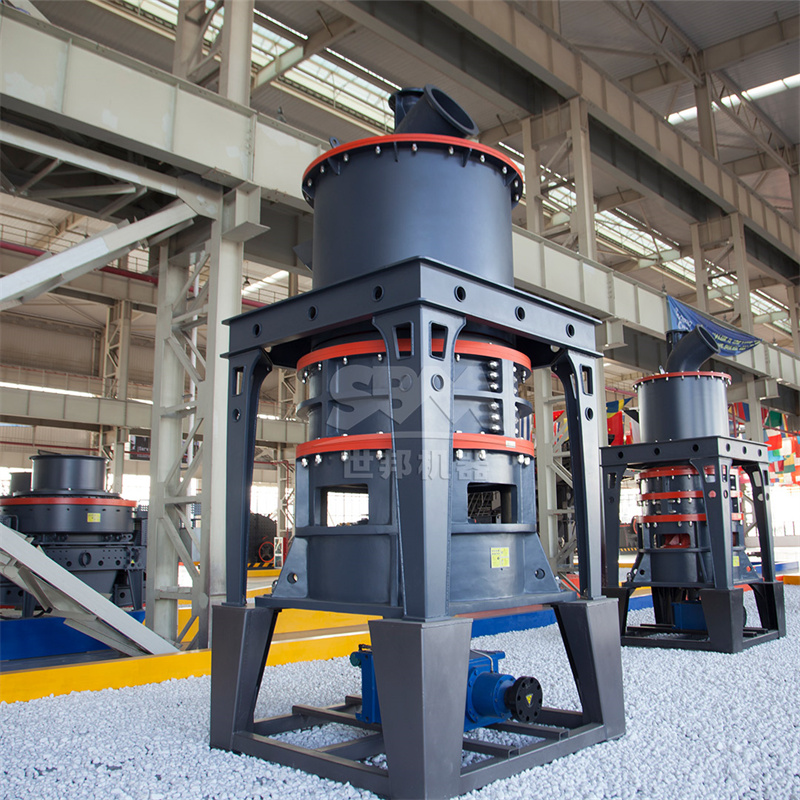
Working Principle: The main motor drives grinding rings to rotate, and materials are dispersed by centrifugal force and crushed between the rollers and the rings. The air classifier then guarantees precise fineness, and the finished powder is collected by a cyclone and pulse dust collector.
Models & Specifications:
- SCM800: Capacity 0.5-4.5t/h | Main Power 75kW | Fineness 325-2500 mesh
- SCM1000: Capacity 1.0-8.5t/h | Main Power 132kW | Fineness 325-2500 mesh
- SCM1250: Capacity 2.5-14t/h | Main Power 185kW | Fineness 325-2500 mesh
- SCM1680: Capacity 5.0-25t/h | Main Power 315kW | Fineness 325-2500 mesh
Whether you are producing coating pigments or premium filler for fine paper, the SCM series ensures the consistency and high quality required to satisfy the most demanding customers.
Enhancing Production Efficiency with the MTW Series European Trapezium Mill
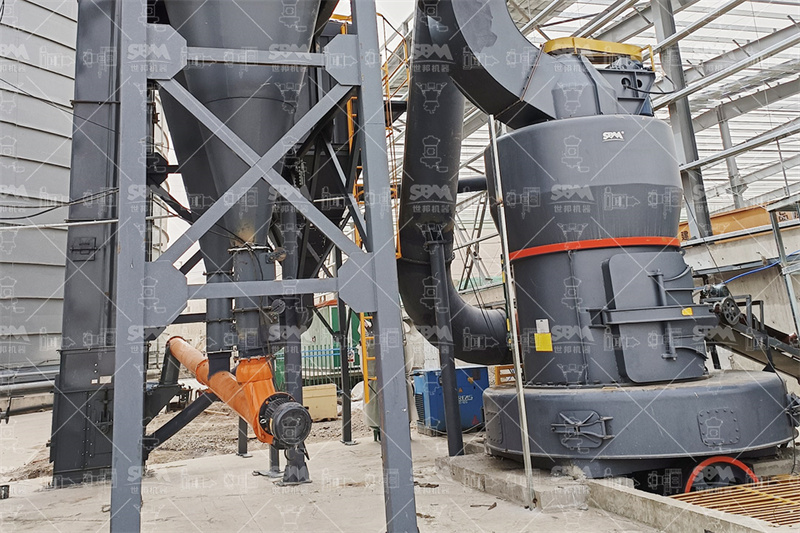
While the SCM series excels at ultra-fine applications, many paper manufacturers also need a highly efficient, large-capacity solution for producing standard filler grades. For this requirement, we present the MTW Series European Trapezium Mill. This series is a workhorse for grinding marble into a fineness range of 30-325 mesh, ideal for general filling. However, its design philosophy also significantly enhances overall production efficiency.
The MTW series is distinguished by its focus on reducing operational costs and increasing uptime:
- Anti-wear Shovel Design: The combined shovel blades are engineered to reduce maintenance costs, and the curved design extends the grinding roller’s service life.
- Optimized Air Duct: The arc-shaped air duct minimizes airflow energy loss, which boosts transmission efficiency. This means more of the input energy is used for grinding rather than being lost to air resistance.
- Integral Bevel Gear Drive: This innovative drive system boasts a transmission efficiency of up to 98%. This not only saves energy but also saves space and reduces installation costs, simplifying the plant layout.
With models ranging from the MTW110 with a capacity of 3-9 t/h to the massive MTW215G and MRN218 with capacities up to 15-45 t/h, this series provides flexible options to match various production scales.
By implementing the MTW mill, manufacturers can significantly streamline their marblerock powder preparation process. The entire system is designed for continuous, reliable operation, minimizing the risk of production halts. The internal suction oil lubrication system and advanced pulse dust collection technology are examples of the patented innovations that ensure a clean, safe, and sustainable operation. Whether you are looking for the ultra-fine precision of the SCM or the high-volume efficiency of the MTW, our equipment is designed to provide a competitive edge.
Conclusion: Strategic Investment for a Sustainable Future
In conclusion, the selection of marble grinding equipment is a strategic decision that directly impacts the quality, cost, and efficiency of paper production. Low-quality equipment can result in inconsistent filler materials, leading to paper defects, wasted raw materials, and excessive energy consumption. High-performance machinery like our SCM and MTW series mills represent an investment not just in hardware, but in the quality of the final product and the long-term sustainability of your operations.
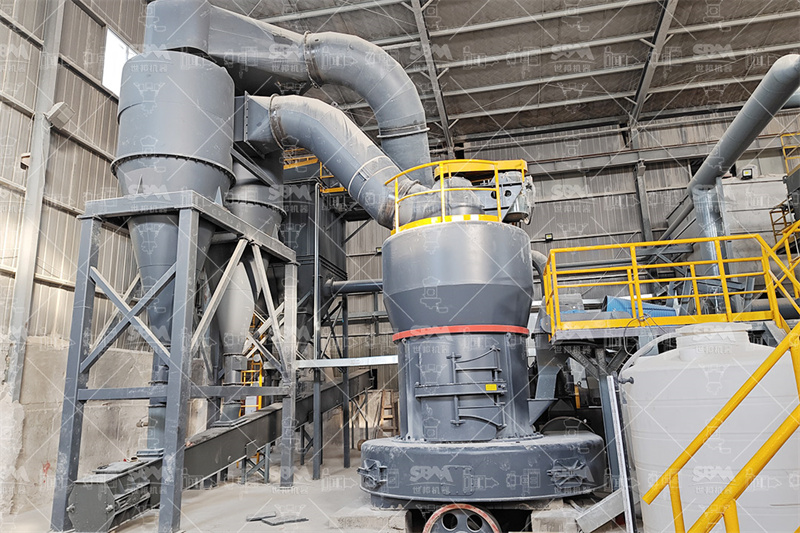
By choosing advanced equipment, you gain the ability to produce consistently fine and uniform powder with lower energy consumption and minimal maintenance. This translates to lower operational costs, reduced waste, and a finished product that consistently meets or exceeds market standards. In an industry where quality and efficiency are the cornerstones of success, leveraging superior grinding technology is key to unlocking new levels of performance and profitability.