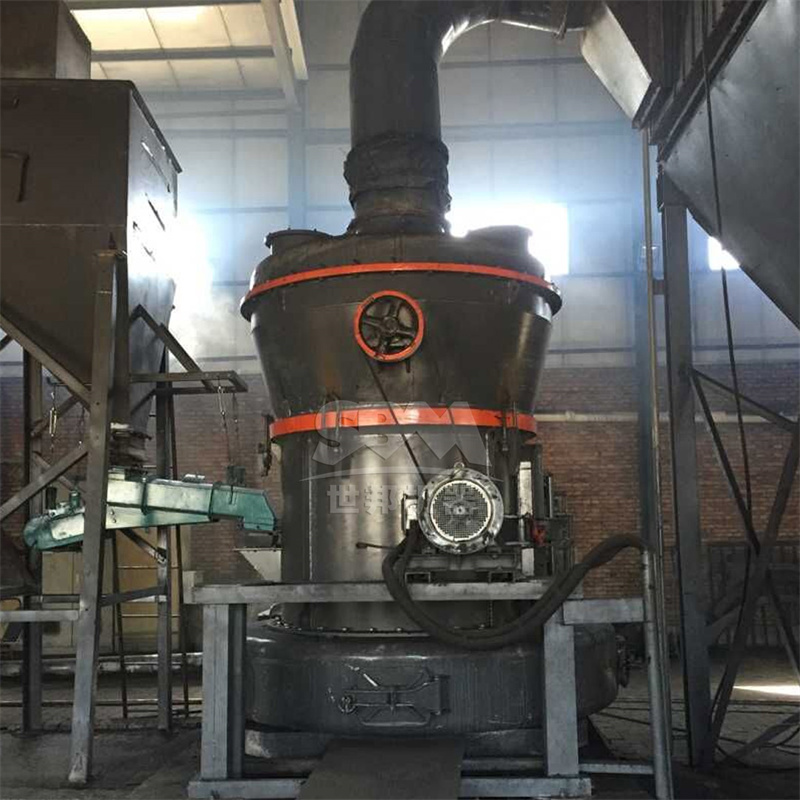
The global construction industry is undergoing a paradigm shift towards sustainability, driven by the urgent need to reduce carbon emissions and conserve natural resources. Central to this transformation is the production of eco-friendly building materials, particularly non-fired bricks, which offer a superior alternative to traditional clay bricks that require high-temperature kiln firing. The key to unlocking the full potential of these green materials lies in the innovative integration of industrial by-products, such as blast furnace slag, into the production process. This article explores how advanced non-fired brick equipment synergistically integrates slag powder production to create high-performance, environmentally responsible building materials.
The Environmental Imperative: Why Slag Powder Matters
Blast furnace slag, a by-product of the iron and steel industry, presents both a significant disposal challenge and a valuable resource opportunity. Traditionally, slag was landfilled, consuming vast tracts of land and potentially leading to environmental contamination. However, when processed into a fine powder, slag reveals excellent cementitious properties, making it an ideal supplementary cementitious material (SCM). By incorporating slag powder into non-fired brick formulations, manufacturers can achieve several critical environmental benefits:
- Reduced Carbon Footprint: The production of slag powder requires significantly less energy than manufacturing Portland cement, which is responsible for approximately 8% of global CO2 emissions. Replacing a portion of cement with slag powder directly reduces the carbon footprint of the final brick.
- Conservation of Natural Resources: Utilizing slag powder diverts a waste product from landfills and reduces the need for mining virgin natural resources like clay, limestone, and shale.
- Enhanced Material Performance: Slag powder contributes to improved compressive strength, durability, and chemical resistance in non-fired bricks, making them suitable for a wider range of construction applications.
Integrating Slag Powder Production into the Brick-Making Line
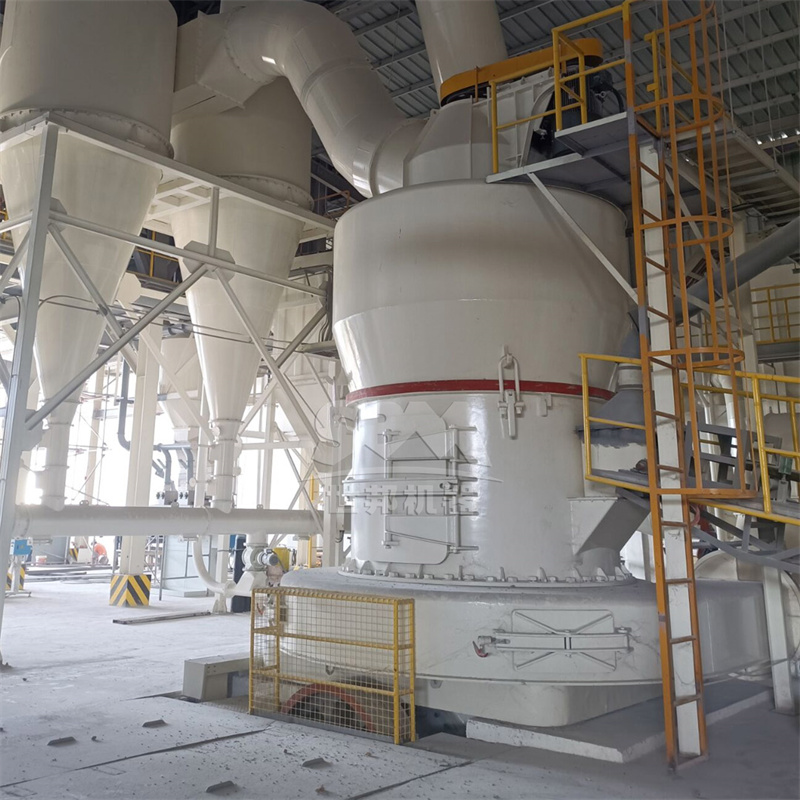
The efficiency and quality of slag powder are directly dependent on the grinding equipment used. For non-fired brick production, the slag must be ground to a specific fineness to maximize its reactivity and binding properties. This is where the integration of specialized ultrafine and high-efficiency grinding mills becomes crucial. The production line typically involves several stages: slag collection and drying, grinding to the desired fineness, precise classification, and finally, mixing the slag powder with other raw materials (like cement, sand, and aggregates) to form the brick mixture.
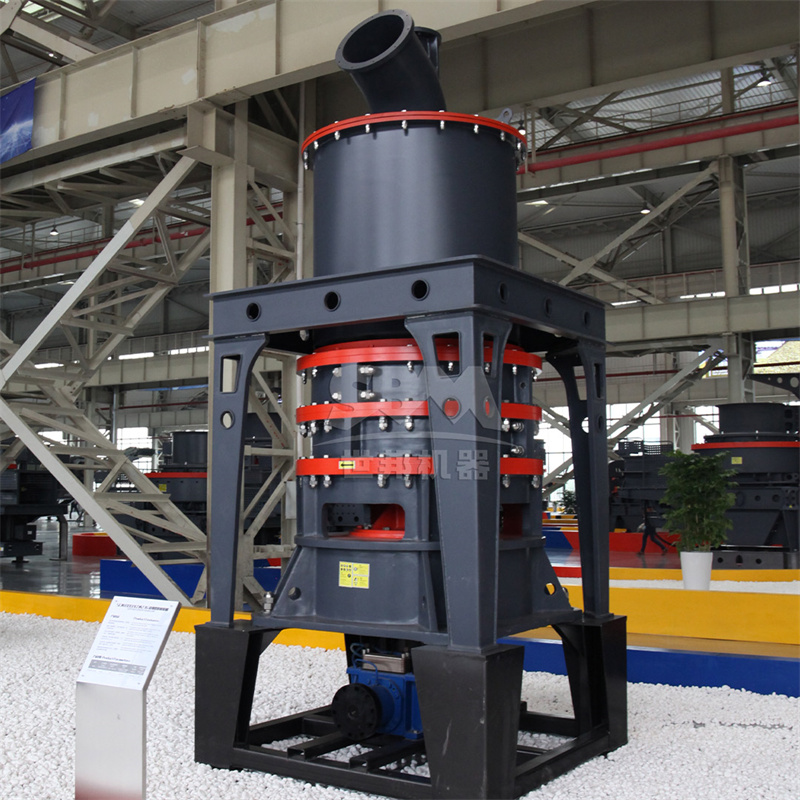
Our company offers cutting-edge grinding solutions that seamlessly integrate into this production ecosystem. For slag powder applications requiring extreme fineness and high specific surface area, the **SCM Series Ultrafine Mill** stands as the premier choice.
[Product Recommendation: SCM Series Ultrafine Mill]
Engineered for precision, the SCM Series Ultrafine Mill is designed to produce powders from 325 to 2500 mesh (45-5μm), making it ideal for high-activity slag powder. Its key advantages for slag processing include:
- Unmatched Efficiency: The SCM mill achieves a capacity up to 2 times that of jet mills while consuming 30% less energy. This is critical for reducing operational costs in large-scale brick production.
- High-Precision Classification: Equipped with a vertical turbine classifier, it produces a slag powder with an exceptionally uniform particle size distribution and no coarse powder mixing. This consistency is vital for ensuring uniform brick quality and reactivity.
- Superior Durability: The mill’s rollers and rings are made from special wear-resistant materials, extending their service life and reducing downtime for maintenance—a key factor for continuous industrial operations.
- Eco-Friendly Operation: With a pulse dust collection efficiency that exceeds international standards and a soundproof design, the SCM mill aligns perfectly with the environmental goals of a green brick manufacturing facility. Our models include the SCM800 (0.5-4.5 t/h), SCM900 (0.8-6.5 t/h), right up to the high-capacity SCM1680 (5.0-25 t/h).
Optimizing the Process for Different Slag Feedstocks
The physical and chemical characteristics of slag can vary depending on the steel-making process, the type of iron ore used, and the cooling method (e.g., air-cooled, granulated). Granulated blast furnace slag (GBFS) is most commonly used due to its high glass content and reactivity. For grinding this material, a mill system that can handle significant moisture content and provide a high surface area output is essential.
For operations that prioritize high throughput and lower operating costs for processing larger feed sizes (up to 50mm), our **MTW Series European Trapezium Mill** offers a robust and highly efficient solution. This system is particularly well-suited for producing slag powder with a fineness range of 30-325 mesh (600-45μm).
[Product Recommendation: MTW Series European Trapezium Mill]
The MTW Mill features several patented technologies that benefit slag processing:
- Integral Bevel Gear Drive: With a transmission efficiency of up to 98%, it maximizes energy transfer, directly reducing power consumption per ton of slag processed.
- Anti-Wear Shovel Design: The combined shovel blades are designed for easy maintenance and extended life, reducing the frequency of part replacement.
- Wear-Resistant Volute Structure: The non-resistance flow design inside the classifier improves air selection efficiency and reduces maintenance costs by up to 30%.
- Proven Capacity: Models like the MTW215G can process up to 45 tons per hour, providing the capacity needed for large-scale industrial brick plants.
By integrating either the SCM or MTW grinding mill into their production line, manufacturers can tailor the slag powder fineness to their exact brick formulation needs. A finer slag powder (e.g., over 500 mesh) reacts more quickly and provides higher early strength, which is beneficial for high-performance bricks. A coarser slag powder may be more economical and sufficient for standard-grade bricks.
The Non-Fired Brick Equipment: A Synergistic System
The integration does not stop at the grinding mill. The entire non-fired brick production line is a synergistic system. Once the slag powder is produced, it is transported to a mixing station where it is homogeneously blended with a precise ratio of cement, aggregates, and water. This mixture is then fed into the brick molding machine, which uses high pressure (hydraulic or mechanical) to form the bricks. These green bricks are then cured in a controlled environment, often with steam, to accelerate the hydration reaction between the slag, cement, and water. The result is a dense, strong, and durable brick that requires no kiln firing.
Furthermore, advanced mills like our LM Series Vertical Roller Mill can be employed for other raw material preparation tasks in the plant, such as grinding coal for the steam curing boiler or pre-grinding clinker for the cementitious binder. This multi-functionality further enhances the overall efficiency and sustainability of the production site.
Conclusion: Building a Greener Future
The integration of slag powder production into non-fired brick manufacturing is a textbook example of industrial symbiosis. It transforms a problematic waste stream into a high-value resource, lowers the environmental impact of construction, and produces building materials with superior performance. As our company continues to innovate in the field of industrial milling and grinding, we provide the essential technological backbone for this sustainable revolution. By choosing our advanced mills—whether the ultrafine precision of the SCM Series or the high-capacity efficiency of the MTW Series—brick manufacturers can not only meet their production goals but also play a pivotal role in building a more eco-friendly and circular economy for the future of construction.